Neck massagers can ease muscle tension when used with care, but the right technique matters. A user should start with low intensity, place the device on the neck muscles, and limit each session to the time recommended in the manual.
This guide explains how to choose a suitable device, prepare for a safe session, adjust the settings, and clean the massager. It also covers common mistakes and warning signs that call for medical advice.
Key Takeaways
- Use low intensity and short sessions.
- Keep pressure on the muscles, not the spine or throat.
- Stop if pain, numbness, dizziness, or other unusual symptoms occur.
Choosing the Right Device
The right neck massager should match the user’s pain area, comfort level, and daily routine. It should also offer simple controls, suitable pressure, and safety features such as an automatic shutoff.
Massage Types And Attachments
Neck massagers use different methods. Shiatsu devices use rotating nodes to knead muscles and often include heat. They suit users who want firm pressure, but they should not press directly on the spine or throat. Vibration models provide lighter stimulation and may work better for mild stiffness or sensitive muscles.
Massage guns use a narrow attachment to target specific muscles. They can help with the upper back and shoulder muscles, but users should avoid the front and sides of the neck. A wide, soft attachment usually feels safer than a pointed one.
| Type | Best use | Main caution |
|---|---|---|
| Shiatsu | Deep muscle kneading | Avoid the spine and throat |
| Vibration | Light tension relief | Stop if numbness occurs |
| Massage gun | Upper back and shoulders | Do not use on the front of the neck |
Power Source And Portability
A corded massager provides steady power and usually suits home use. A rechargeable model offers more freedom for travel, work breaks, or use in different rooms. Users should check the battery rating, charging time, and whether the device can operate while charging.
Weight and fit also affect comfort. A wearable neck massager should rest securely without pulling the head forward. Handheld models should have an easy-grip handle and controls that can be reached without twisting the neck.
Users should choose a model with adjustable intensity and a timer of about 10 to 15 minutes. Heat can improve comfort, but the temperature should remain moderate, and users should avoid heat if they have reduced skin sensation.
Preparing For A Safe Session
A safe session starts with checking the device rules and choosing a stable, relaxed position. The user should keep the massager on muscle tissue, use gentle settings, and avoid sensitive areas such as the front of the neck and the spine.
Checking The Instruction Manual
Each neck massager has different controls, attachments, heat settings, and time limits. The user should read the manual before the first session and confirm how the device should sit on the neck and shoulders.
The manual should also identify areas to avoid. Unless the manufacturer states otherwise, the user should not place the massager over the throat, spine, bones, open skin, swelling, or areas with reduced sensation. A massage gun should not be used directly on the neck.
The user should check the recommended session length and whether the device includes automatic shutoff. Heat requires extra care because reduced sensation can make burns harder to notice.
| Device feature | Safe starting choice |
|---|---|
| Massage strength | Lowest setting |
| Heat | Off or lowest setting |
| Session length | Shortest recommended time |
| Placement | Shoulder and upper-back muscles |
The user should stop immediately if the device causes sharp pain, numbness, dizziness, unusual weakness, or worsening symptoms.
Finding A Comfortable Position
The user should sit upright in a supportive chair with both feet on the floor. The back should rest against the chair, while the shoulders remain relaxed instead of lifted toward the ears.
A handheld device should be easy to control without twisting the head or reaching awkwardly. For a wraparound or pillow-style massager, the user should center it over the shoulder and upper-back muscles, keeping pressure away from the throat, spine, and bony parts of the neck.
The head should stay in a neutral position. The user should not lean heavily into the device or fall asleep while heat or massage remains active. Loose clothing can prevent pinching and help the device sit evenly.
Positioning The Massager Correctly
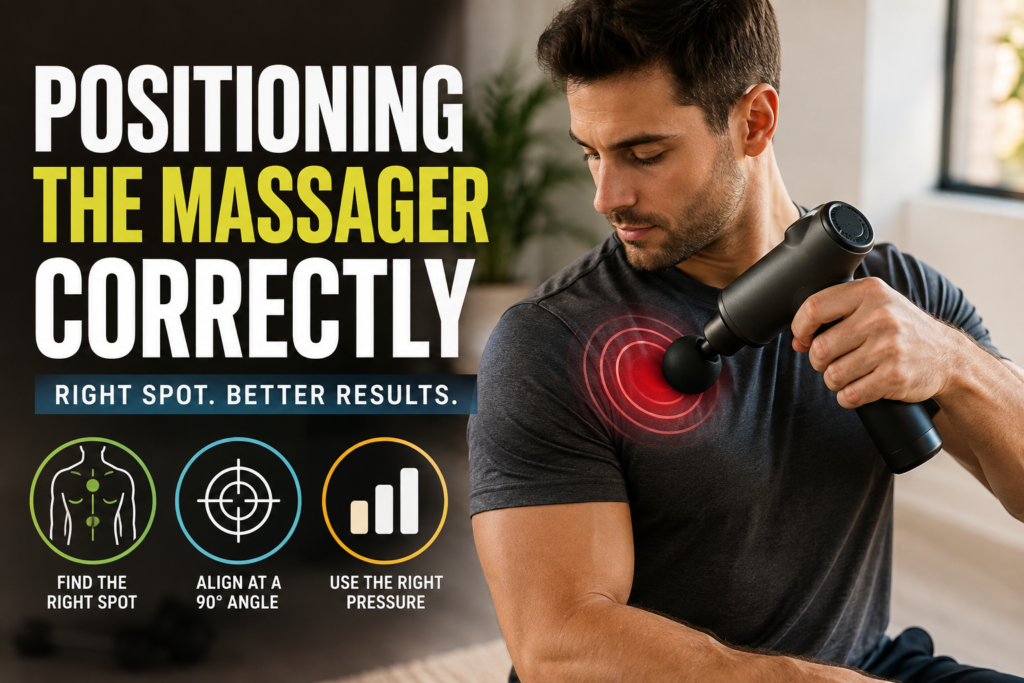
Correct placement helps the device reach tight muscles without pressing on the throat, spine, or major blood vessels. The user should start with low pressure and adjust the position slowly.
Targeting The Upper Neck
The massager should rest on the thick muscles at the back and sides of the neck. It should sit below the base of the skull and beside the spine, not directly on the spinal bones. The user should keep the head in a neutral position instead of bending it forward.
For a handheld or shiatsu device, the user can guide the massage heads with both hands. The device should move slowly over each side for a short period. It should never press on the front of the neck, throat, jaw, or the area directly over the spine.
| Placement | Recommended action |
|---|---|
| Base of the skull | Use light pressure on the muscles below it |
| Sides of the neck | Work beside the spine, not over it |
| Front of the neck | Avoid completely |
| Sensitive areas | Stop if numbness, dizziness, sharp pain, or tingling occurs |
Working Around The Shoulders
The user should place the massager on the upper trapezius muscles, which run from the neck toward the shoulders. These muscles often feel firm or tender after long periods of sitting, driving, or computer work. The device should remain on the soft muscle and away from the collarbone, shoulder joint, and armpit.
Each shoulder should receive brief, even attention. The user can shift the device outward from the neck while keeping the shoulders relaxed. A massage gun should use its lowest setting and avoid the front or side of the neck. The device should not stay in one spot for a long time, especially when the area feels sore or bruised.
Adjusting Settings And Intensity
The user should begin with gentle pressure and increase it only when the massage feels comfortable. Heat can improve comfort, but careful timing and temperature control help prevent skin irritation or burns.
Starting With Low Pressure
The user should place the massager on the muscles beside the neck, not directly over the spine or throat. They should start at the lowest intensity and run the device for about 5 to 10 minutes during the first session.
| Setting | Recommended use |
|---|---|
| Low | First use, sensitive muscles, or mild tension |
| Medium | Short sessions after low intensity feels comfortable |
| High | Use only if the device instructions allow it and no discomfort occurs |
Pressure should feel firm but not painful. The user should loosen the straps or lower the intensity if they feel sharp pain, numbness, tingling, dizziness, or increased soreness. They should stop the device if symptoms continue and avoid using it over swollen, bruised, or injured areas.
After several comfortable sessions, the user may increase the intensity in small steps. Most sessions should stay within 10 to 15 minutes unless the manufacturer gives different instructions.
Using Heat Features Carefully
Heat should start at the lowest available level. The user should check the skin after a few minutes and keep the device moving or properly positioned instead of holding heat on one spot for a long time.
The user should limit heated sessions to the time stated in the manual, often about 10 to 15 minutes. They should stop immediately if the skin becomes very red, painful, numb, or unusually warm.
A towel or clothing layer can reduce direct heat, but it should not block the device’s ventilation or cause it to press harder against the neck. People with reduced heat sensitivity, circulation problems, diabetes, or skin conditions should ask a health professional before using heat. The user should never sleep while the heat function is active.
Following A Practical Massage Routine
A safe routine uses short sessions, low intensity, and steady movement over soft muscle tissue. The user should avoid direct pressure on the spine, throat, and areas that feel numb, bruised, or painful.
Recommended Session Length
Most users should begin with 5 to 10 minutes on the lowest comfortable setting. If the neck feels normal during and after use, they can gradually extend sessions to 10 to 15 minutes. Longer sessions do not necessarily provide better relief and may cause soreness or skin irritation.
A user should check the device manual because recommended times vary by model. Heat settings may require extra caution, especially for people with reduced skin sensitivity. The user should stop immediately if they feel sharp pain, dizziness, tingling, weakness, nausea, or unusual numbness.
Using the massager once daily may suit mild tension. A user with lingering soreness should wait until the area feels normal before using it again. People with a neck injury, nerve symptoms, recent surgery, or a medical condition should ask a health professional before starting.
Moving Between Muscle Areas
The user should place the massager on the muscles beside the cervical spine, not directly over the bones. Starting near the upper shoulders and trapezius muscles can help the neck adjust to the pressure. The user should keep the device moving or reposition it every 30 to 60 seconds instead of holding it on one spot.
After the shoulders, the user can move to the back and sides of the neck. Gentle pressure works best near the base of the skull, while the front and sides of the throat should be avoided. A user should reduce the intensity when moving to smaller or more sensitive areas.
A practical pattern includes one to two minutes per area:
- Upper shoulders
- Muscles beside the spine
- Base of the skull
- Other areas that feel tight
The user should finish with a low setting or stop if the muscles become tender.
Safety Precautions And Contraindications
A neck massager should provide gentle muscle relief without causing pain, numbness, dizziness, or other unusual symptoms. Users should avoid sensitive areas, follow the device instructions, and seek medical advice when an injury, illness, or health condition could increase risk.
When To Avoid Treatment
Do not use a neck massager over the front or sides of the neck, throat, spine, open wounds, rash, swelling, or areas with reduced feeling. Avoid treatment after a recent neck injury, surgery, fracture, or severe pain with no known cause.
People should also avoid neck massage if they have a fever, active infection, unexplained lumps, or signs of a possible blood clot. Those signs can include sudden swelling, warmth, redness, or severe tenderness. A massager should never be used to treat chest pain, trouble breathing, fainting, sudden weakness, or speech problems; these symptoms require urgent medical care.
Start with the lowest setting and a short session. Stop immediately if the device causes sharp pain, tingling, numbness, headache, nausea, dizziness, or worsening symptoms. Users should not fall asleep while wearing or holding an electric massager.
Consulting A Healthcare Professional
A healthcare professional should approve neck-massager use for people with osteoporosis, arthritis, bleeding disorders, blood clots, cancer, nerve problems, or vascular disease. Medical advice also matters after a stroke, during pregnancy, or when taking blood-thinning medicine.
A clinician can identify whether pain comes from muscle tension or another condition that needs treatment. They can also recommend safe pressure, placement, and session length. The device manual should remain the main guide because heat, vibration, kneading, and electrical stimulation have different risks.
People with implanted electrical devices, such as pacemakers, should ask a clinician before using a model with electrical stimulation. A pharmacist or clinician can also check whether medicines or existing conditions make bruising, skin injury, or bleeding more likely.
Cleaning And Storing The Device
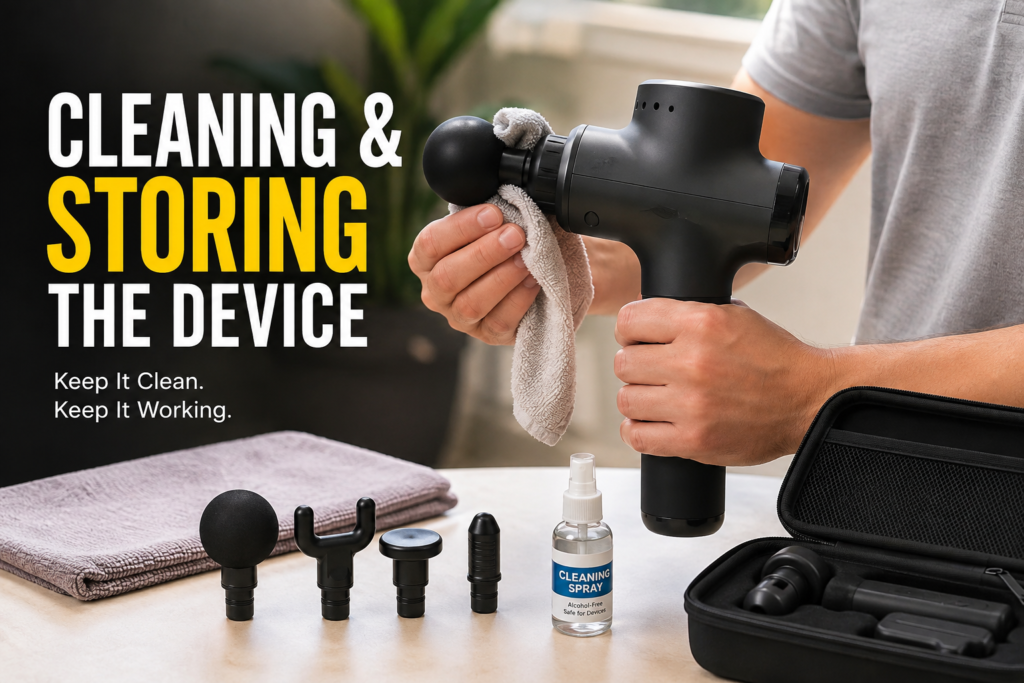
Regular cleaning removes sweat, skin oils, and product residue from the massager. Safe storage also helps prevent moisture damage, cord wear, and accidental activation.
Wiping Down Contact Surfaces
The user should turn off and unplug the device before cleaning it. A soft cloth, slightly dampened with water, can remove residue from pads, rollers, straps, and other surfaces that touch the skin. The cloth should be damp, not wet.
If the manufacturer allows it, the user can apply a small amount of mild soap to the cloth. They should avoid soaking the device, spraying liquid directly onto it, or using bleach, alcohol, abrasive cleaners, or harsh solvents unless the manual specifically approves them.
The user should keep water away from charging ports, control buttons, seams, and vents. Removable fabric covers should be washed only according to their care labels and should dry fully before being reattached. The device should remain unplugged until every surface is completely dry.
Protecting Cords And Batteries
The user should store the massager in a cool, dry place away from direct sunlight, heaters, and damp areas such as bathrooms. It should rest in a position that does not place pressure on the rollers, controls, or massage nodes.
The power cord should be looped loosely rather than wrapped tightly around the device. Bending, pulling, or placing heavy objects on the cord can damage its outer covering and internal wires. The user should check for cuts, exposed wires, fraying, or loose plugs before the next use.
For rechargeable models, the user should follow the charging instructions in the manual. The device should not charge on a soft surface that traps heat, and it should remain away from water while charging. If the battery swells, overheats, leaks, or produces an unusual smell, the user should stop using the massager and contact the manufacturer.
FAQs
How long should a neck massager be used?
Most devices work best in short sessions of about 10–15 minutes. The user should follow the product instructions and stop sooner if pain, numbness, dizziness, or skin irritation occurs.
Where should the device be placed?
The massager should rest on the muscles at the back and sides of the neck or across the shoulders. It should not press on the spine, throat, front of the neck, or bony areas.
What intensity should a user choose?
A user should start with the lowest setting and increase it only if the pressure feels comfortable. Stronger pressure does not always provide better relief and may cause soreness or bruising.
Can heat be used with massage?
Heat may help relax tight muscles, but the user should keep the setting low and check the skin often. People with reduced heat sensitivity should avoid heat unless a health professional approves it.
Who should avoid a neck massager?
People with recent injuries, severe or unexplained neck pain, nerve symptoms, blood-clotting problems, or implanted medical devices should ask a health professional first. A user should also avoid the device over open wounds, swelling, or irritated skin.
When should medical care be sought?
A user should seek care for neck pain with weakness, numbness, loss of balance, fever, severe headache, or pain after an accident. A massager should not replace medical evaluation.
Conclusion
A neck massager can help relax tight muscles when someone uses it correctly. The user should follow the device instructions, begin with the lowest comfortable setting, and keep early sessions short.
Proper placement matters. The device should target the muscles along the sides and back of the neck, not the front of the throat or the spine. A massage gun should use light pressure and avoid the head, bones, and major blood vessels.
Users should stop if they feel sharp pain, numbness, dizziness, swelling, or worsening symptoms. They should also seek medical advice before use if they have a neck injury, nerve problems, blood-clotting issues, or another health condition that could affect safety.
Regular, gentle use may ease muscle tension, but a massager cannot treat every cause of neck pain. Persistent or severe pain requires assessment by a qualified health professional.