
Neck massage can ease muscle tension, but the right length depends on the person’s needs and the massage method. Most neck massages should last 30 to 60 minutes, while self-massage usually works best in shorter sessions of 5 to 15 minutes.
Pain level, massage pressure, health conditions, and the treatment goal can change the ideal timing. The guide explains safe limits, signs of over-massaging, and ways to get better results without irritating the neck.
Key Takeaways
- Professional neck massages often last 30 to 60 minutes.
- Self-massage should usually stay within 5 to 15 minutes.
- Pain, soreness, numbness, or dizziness means the massage should stop.
Recommended Session Duration
A neck massage may last from a few minutes to 90 minutes, depending on its purpose, intensity, and setting. Short sessions suit daily tension, while professional care allows more time for assessment and treatment.
Brief Self-Massage Sessions
A self-massage usually works best for 5 to 10 minutes. This length gives the muscles time to relax without causing soreness from excessive pressure or repeated rubbing.
Someone with mild stiffness can massage the sides and back of the neck, shoulders, and upper back. Gentle circles, slow strokes, and light pressure are safer than pressing directly on the spine or the front of the neck.
For ongoing desk-related tension, a person may use a 10- to 15-minute session several times a week. The massage should stop if it causes sharp pain, dizziness, numbness, tingling, headache, or increased discomfort.
Self-massage guidelines:
- Use slow movements and comfortable pressure.
- Keep the neck in a neutral position.
- Avoid massaging over recent injuries, swelling, or irritated skin.
- Stop if symptoms worsen during or after the session.
Professional Treatment Appointments
A professional neck-focused massage commonly lasts 30 to 60 minutes. A 30-minute appointment can target the neck, shoulders, and upper back when the main problem is limited to those areas.
A 60-minute appointment gives the therapist time to discuss symptoms, assess muscle tension, warm the tissues, and work on related areas. This longer option may suit people with recurring stiffness, posture-related tension, or discomfort that involves the shoulders and upper back.
| Appointment length | Common use |
|---|---|
| 30 minutes | Focused work on the neck and shoulders |
| 45 minutes | Neck, shoulders, and upper back |
| 60 minutes | Assessment plus broader or more detailed treatment |
The therapist should adjust pressure and technique to the person’s comfort. Deep pressure does not automatically provide better results, especially when the muscles feel inflamed or highly sensitive.
Extended Therapeutic Sessions
A 75- to 90-minute appointment may help when neck tension occurs with tight shoulders, upper-back stiffness, or other affected areas. The extra time allows the therapist to treat connected muscle groups without rushing the neck work.
An extended session does not mean the therapist should apply firm pressure to the neck for the entire appointment. The therapist may alternate massage techniques, movement work, and rest periods to limit soreness.
People new to massage, recovering from an injury, or experiencing significant pain may benefit from starting with a shorter appointment. Persistent pain, weakness, numbness, tingling, severe headaches, or pain after an accident requires medical assessment before massage.
Factors That Influence Timing
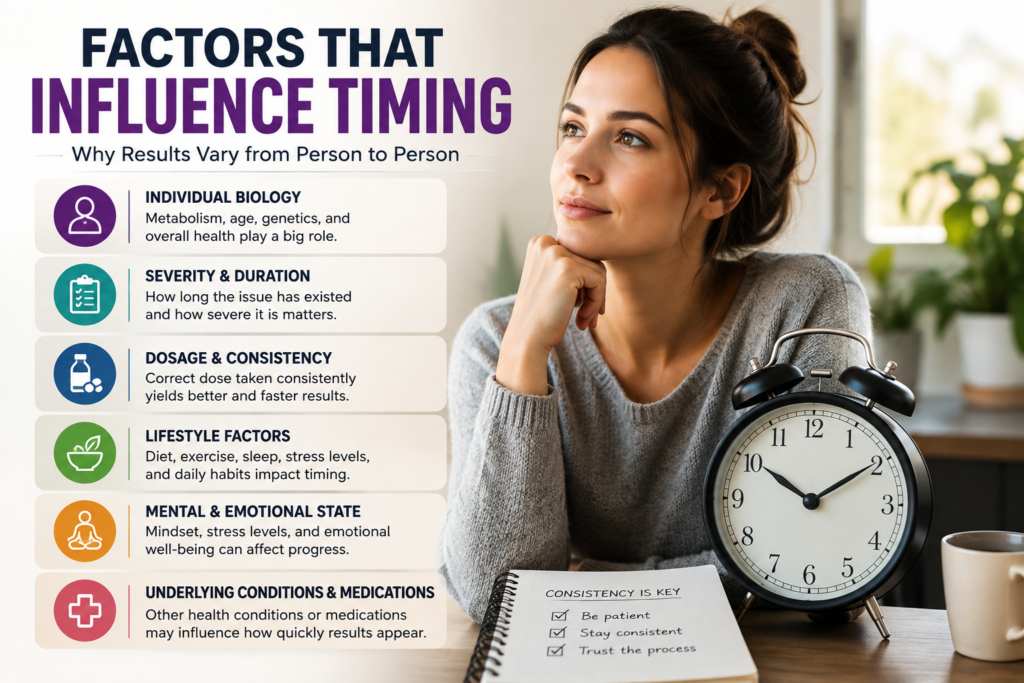
A neck massage may last 5 to 15 minutes for mild tension, while stronger or long-lasting discomfort may need a slower, targeted session. The right timing also depends on the massage method and the person’s health, pain level, and response during treatment.
Muscle Tension Severity
Mild stiffness from sleeping poorly or working at a desk often improves with a 5- to 10-minute massage. The person should use gentle pressure and focus on the neck, shoulders, and upper back.
Moderate tension may require 10 to 20 minutes, with brief pauses between areas. A massage therapist may spend more time on tight muscles, but the pressure should remain comfortable. A longer session does not always produce better results.
Severe, lasting, or recurring pain needs more care. Massage should not continue through sharp pain, numbness, weakness, dizziness, or pain that spreads into an arm. These symptoms may need medical evaluation instead of a longer massage.
Massage Technique
Gentle hand massage usually works well for 10 to 20 minutes. It allows the person to adjust pressure quickly and stop if the area becomes sore.
A massage device may require shorter sessions, often 10 to 15 minutes, because repeated pressure can irritate muscles or sensitive tissues. The device should stay on the muscles beside the spine, not directly over the front or sides of the neck.
| Technique | Typical starting time | Key safety point |
|---|---|---|
| Gentle hand massage | 5–10 minutes | Use light to moderate pressure |
| Targeted therapist massage | 15–30 minutes | Tell the therapist about pain or sensitivity |
| Massage device | 10–15 minutes | Follow the device instructions |
Individual Health Needs
People with diabetes, blood-clotting problems, osteoporosis, nerve conditions, or recent neck injuries should ask a health professional before receiving massage. The same applies to anyone recovering from surgery or managing unexplained neck pain.
Older adults or people with sensitive skin may need shorter sessions and lighter pressure. A person should stop if bruising, swelling, increased pain, tingling, or weakness develops.
For most healthy adults, one short session per day may be reasonable when the massage feels comfortable. Deeper sessions may need rest days so the muscles can recover.
Safe Time Limits For Self-Massage
Short, gentle sessions usually work best for neck self-massage. A healthy adult can adjust the time and frequency based on comfort, but pain, numbness, dizziness, or skin changes signal the need to stop.
Daily Frequency
Most healthy adults can use gentle self-massage once or twice a day for about 5–15 minutes. Someone new to massage should begin with 5 minutes and increase the time only if the neck feels comfortable during and after the session.
A stronger massage needs more recovery time. For deep pressure or a powered massager, using it three to five times per week with rest days can reduce the risk of muscle soreness and irritation. The device’s instructions should guide the maximum session length.
| Massage type | Suggested limit |
|---|---|
| Gentle hand massage | 5–15 minutes, once or twice daily |
| Powered neck massager | About 10–15 minutes per session |
| Deep-pressure massage | 10–15 minutes, several times weekly |
People with a neck injury, recent surgery, nerve symptoms, blood-clotting problems, or another medical condition should ask a health professional before using self-massage.
Pressure And Pacing
The pressure should feel comfortable and controlled. Light to moderate pressure works better than forceful pressing, especially around the front and sides of the neck. The bony spine, throat, and areas with strong pulsing should not receive direct pressure.
The person should move slowly over the muscles beside the spine, upper shoulders, and base of the skull. A steady pace for 30–60 seconds per area helps the muscles relax without overworking them. Massage should not cause sharp pain, burning, tingling, bruising, or lingering soreness.
A warm shower or heating pad used briefly before massage may help loosen tight muscles. Heat should feel warm, not hot, and should not be used on numb skin.
When To Stop
The person should stop immediately if the massage causes sharp pain, increased neck pain, numbness, tingling, weakness, dizziness, nausea, headache, or vision changes. The same applies if the skin becomes bruised, swollen, unusually red, or painful.
Mild muscle tenderness can occur after an unfamiliar session, but it should improve within a day. If symptoms continue, worsen, or spread into an arm, the person should avoid further massage and contact a health professional.
Severe headache, fainting, trouble speaking, trouble walking, facial weakness, or sudden arm weakness requires urgent medical care. Self-massage should not delay evaluation of these symptoms.
Duration By Massage Goal
A neck massage may last 10 to 20 minutes for light tension or 30 to 60 minutes when the neck, shoulders, and upper back all need attention. The right length depends on the person’s symptoms, comfort, and goal.
Stress Relief
For general stress relief, 15 to 30 minutes often provides enough time to relax the neck and shoulders. A therapist may use slow, gentle strokes and light to moderate pressure rather than intense deep-tissue work.
A 10-minute massage can help after a stressful day, especially when it focuses on the base of the skull, upper shoulders, and sides of the neck. A 30-minute session allows more time for calm breathing and gradual muscle relaxation.
The person receiving the massage should not feel sharp pain, numbness, dizziness, or tingling. If discomfort develops, the therapist should reduce pressure or stop the session.
Desk-Related Stiffness
Desk work often causes tension across the neck, shoulders, and upper back. A 30-minute massage usually gives a therapist enough time to address these connected areas instead of treating the neck alone.
A shorter 15-minute session may suit mild stiffness or a quick break during the workday. For frequent or stronger tightness, a 45- to 60-minute appointment may allow focused work on the upper back, shoulder muscles, and neck without rushing.
| Level of stiffness | Suggested duration | Main focus |
|---|---|---|
| Mild, occasional tightness | 15–20 minutes | Neck and shoulders |
| Regular desk-related stiffness | 30 minutes | Neck, shoulders, and upper back |
| Strong or widespread tension | 45–60 minutes | Connected muscle groups and posture-related tension |
Massage may ease muscle tension, but it does not correct poor workstation setup. Regular movement, screen positioning, and posture changes also support lasting comfort.
Recovery After Exercise
After exercise, a 15- to 30-minute massage may help relax the neck and shoulder muscles, particularly after activities that involve lifting, cycling, swimming, or overhead movement. The pressure should remain comfortable, especially if the muscles feel tender.
A 30-minute session can address the neck, shoulders, and upper back. A longer 45- to 60-minute appointment may fit full upper-body recovery, but the therapist should avoid aggressive pressure on painful, swollen, bruised, or recently injured areas.
Massage should not replace medical care for severe pain, weakness, loss of movement, numbness, or symptoms that travel into an arm. In those cases, the person should seek evaluation before scheduling treatment.
Signs Of Over-Massaging
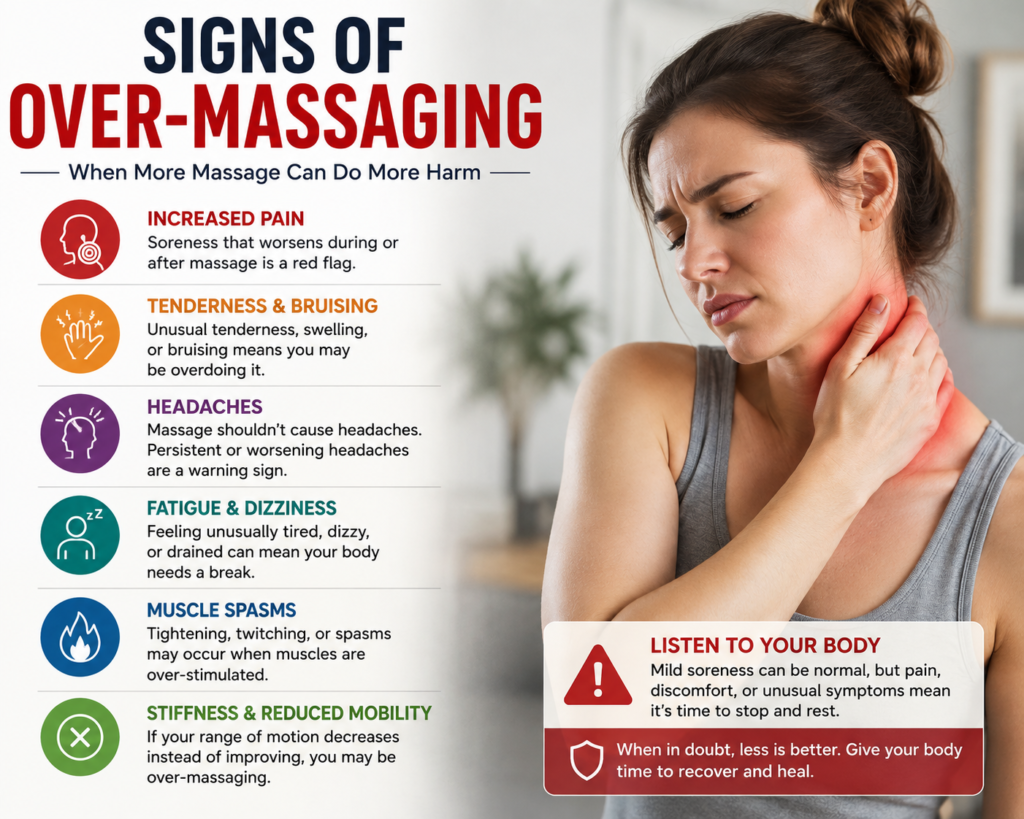
A neck massage should ease tension, not cause lasting pain or new symptoms. Increased soreness, skin changes, headaches, and dizziness may signal that the pressure or session length was too intense.
Increased Soreness
Mild tenderness can occur after firm massage and should usually improve within a day or two. Pain that becomes stronger, lasts more than 48 hours, or limits neck movement suggests that the tissue received too much pressure.
The person should stop massage until the soreness settles. Gentle movement, rest, and a cold pack wrapped in a cloth may help during the first day. Heat may feel soothing later, but it should not replace medical care if symptoms worsen.
Severe pain, weakness, numbness, tingling, or pain spreading into an arm requires prompt medical advice. These symptoms may involve a nerve or another condition that massage cannot safely treat.
Skin Irritation Or Bruising
Redness that fades soon after a massage is often harmless. Persistent redness, swelling, burning, broken skin, or a rash can indicate excessive friction, pressure, or an allergic reaction to massage oil.
Bruising occurs when small blood vessels break under pressure. A small bruise may take up to two weeks to fade, but repeated bruises or large, painful bruises need medical attention, especially when they appear without a clear cause.
The person should avoid massaging the affected area until the skin heals. They should also tell the therapist to use less pressure and avoid direct work over bruises, cuts, infections, or irritated skin.
Headaches Or Dizziness
A mild headache may follow a massage because of muscle sensitivity, dehydration, stress, or pressure around the neck and scalp. Dizziness can also occur when someone stands quickly after lying down, but it should settle after sitting or resting.
The person should stop the session, sit or lie down safely, drink water, and avoid driving until the symptoms pass. Future sessions should use lighter pressure and shorter durations, with slow position changes.
A sudden severe headache, fainting, confusion, vision changes, vomiting, trouble speaking, weakness, or numbness needs urgent medical care. These signs should not be treated as a normal response to massage.
Adjustments For Health Conditions
Neck massage length should match the person’s symptoms, medical history, and treatment goal. A shorter session may suit a sensitive or injured neck, while chronic tension may respond better to focused sessions with gentle follow-up care.
Chronic Pain
People with ongoing neck pain often benefit from 30 to 60 minutes, depending on how much of the neck, shoulders, and upper back requires treatment. A therapist may begin with lighter pressure and spend more time on surrounding muscles rather than pressing directly on painful areas.
Relief may last only a few days after one session. Regular appointments, such as weekly or every two weeks, may provide longer-lasting results when combined with posture changes, movement, and medical care. Massage should not replace an evaluation if pain causes numbness, weakness, headaches, or pain that travels into an arm.
The person should tell the therapist about arthritis, migraines, nerve symptoms, or previous neck surgery. The therapist can then adjust pressure, positioning, and session length. Gentle movement after treatment may help, but intense exercise should wait until the next day if soreness develops.
Recent Injury
A recent neck injury usually calls for caution rather than a long massage. A person should avoid massage after a car crash, fall, sports injury, or sudden neck strain until a healthcare professional rules out a serious problem.
After medical clearance, treatment may begin with 10 to 20 minutes of gentle work around the shoulders and upper back. Direct pressure, deep tissue techniques, and forceful stretching may worsen inflammation or pain during early recovery.
Warning signs require prompt medical attention. These include severe or worsening pain, weakness, numbness, trouble walking, dizziness, vision changes, loss of bladder or bowel control, or a severe headache. A licensed therapist should know the injury date, diagnosis, current symptoms, and any movement restrictions before treatment begins.
Pregnancy And Medical Clearance
Pregnant people should tell the therapist how far along the pregnancy is and discuss massage with their prenatal care provider, especially during the first trimester or when complications exist. A trained prenatal therapist can use side-lying or supported positions and avoid uncomfortable pressure.
Sessions often last 20 to 45 minutes, based on comfort, fatigue, and symptoms. The therapist should use gentle techniques and avoid placing pressure on the front of the neck. The person should stop treatment if it causes dizziness, nausea, shortness of breath, bleeding, contractions, or unusual pain.
Medical clearance also matters for people taking blood thinners or living with osteoporosis, uncontrolled high blood pressure, cancer, infection, or recent surgery. A healthcare professional can identify risks and specify whether massage, pressure, or positioning needs limits.
Getting Better Results From Each Session
A short warm-up can prepare the neck muscles for gentle massage, while careful aftercare can reduce soreness. Light stretching, steady pressure, water, and rest help people use each 10–20 minute session safely.
Warm-Up And Stretching
The person should begin with five minutes of gentle movement. Slow shoulder rolls, relaxed arm swings, and easy turns of the head can increase comfort without forcing the neck. Heat from a warm shower or a heating pad on a low setting may also help. The person should avoid heat if the skin has reduced sensation.
After the massage, the person can stretch within a comfortable range. They can slowly tilt one ear toward the shoulder, hold for 10–20 seconds, and repeat on the other side. A gentle chin tuck can also help: they should draw the chin straight back without looking down, hold briefly, and release. They should stop if stretching causes sharp pain, numbness, dizziness, or pain that travels into an arm.
Hydration And Post-Massage Care
The person should drink water when thirsty after the session and return to normal daily fluids. Water does not “flush out” toxins, but adequate hydration supports normal body function. They should avoid pressing hard on the treated area or repeating massage immediately if the muscles feel tender.
For the next several hours, gentle activity is usually better than strenuous exercise. The person can use a warm shower, maintain good desk posture, and take short movement breaks. Mild soreness may occur, especially after firm pressure, but it should improve within a day or two. Severe pain, weakness, numbness, dizziness, or symptoms after an injury require medical advice.
FAQs
How long should a neck massage last?
A gentle self-massage usually lasts 5 to 15 minutes. A professional session may last 30 to 60 minutes, but the therapist should adjust the time based on the person’s needs.
How often can someone use a neck massager?
Most healthy adults can use a neck massager once or twice a day for 10 to 15 minutes at a comfortable setting. Higher-intensity use may work better at three to five sessions per week, with rest days between sessions.
Can a longer massage provide better results?
Not always. Long or forceful sessions may irritate the muscles and increase soreness. Short, comfortable sessions often provide enough relief for everyday tension.
Should a neck massage hurt?
No. Mild pressure or temporary tenderness can occur, but sharp pain, numbness, tingling, dizziness, or worsening symptoms means the massage should stop.
When should someone ask a healthcare professional first?
People with chronic neck pain, spinal problems, nerve conditions, recent injuries, or unexplained symptoms should seek medical advice before using a neck massager. A professional can also help when pain continues despite gentle massage.
Conclusion
A neck massage usually lasts 30 to 60 minutes when a therapist treats the neck, shoulders, and nearby muscles. A 30-minute session may suit mild tension or limited time, while a 60-minute session allows more attention to persistent stiffness.
A neck massager used at home generally needs less time. Most healthy adults can start with 10 to 15 minutes once or twice daily on a gentle setting. Higher-intensity use may work better at three to five sessions per week, with rest days between sessions.
The right length depends on comfort, pressure, and the cause of the pain. The person should stop if the massage causes sharp pain, numbness, tingling, dizziness, bruising, or worsening symptoms.
Massage may not suit people with certain injuries, nerve problems, blood-clotting conditions, or recent surgery. Anyone with severe, lasting, or unexplained neck pain should seek medical advice before using deep massage or a massage device.

