Quick answer: Knee pain when walking often happens because the joint is irritated, the surrounding muscles are tight or weak, or the kneecap is not moving smoothly. Common triggers include overuse, stiffness, arthritis, tendon irritation, poor walking mechanics, and unsupportive footwear. Gentle mobility work, smart recovery, and the right support tools may help.
I’m Ethan Carter, and I’ve spent years testing massage tools, recovery products, and pain relief methods. If your knee hurts when you walk, you do not need a complicated plan to get started. You need to understand what may be causing the pain, what habits make it worse, and which simple tools and techniques can support better movement at home. That is exactly what I’ll walk you through here.
Why Your Knee Hurts When Walking
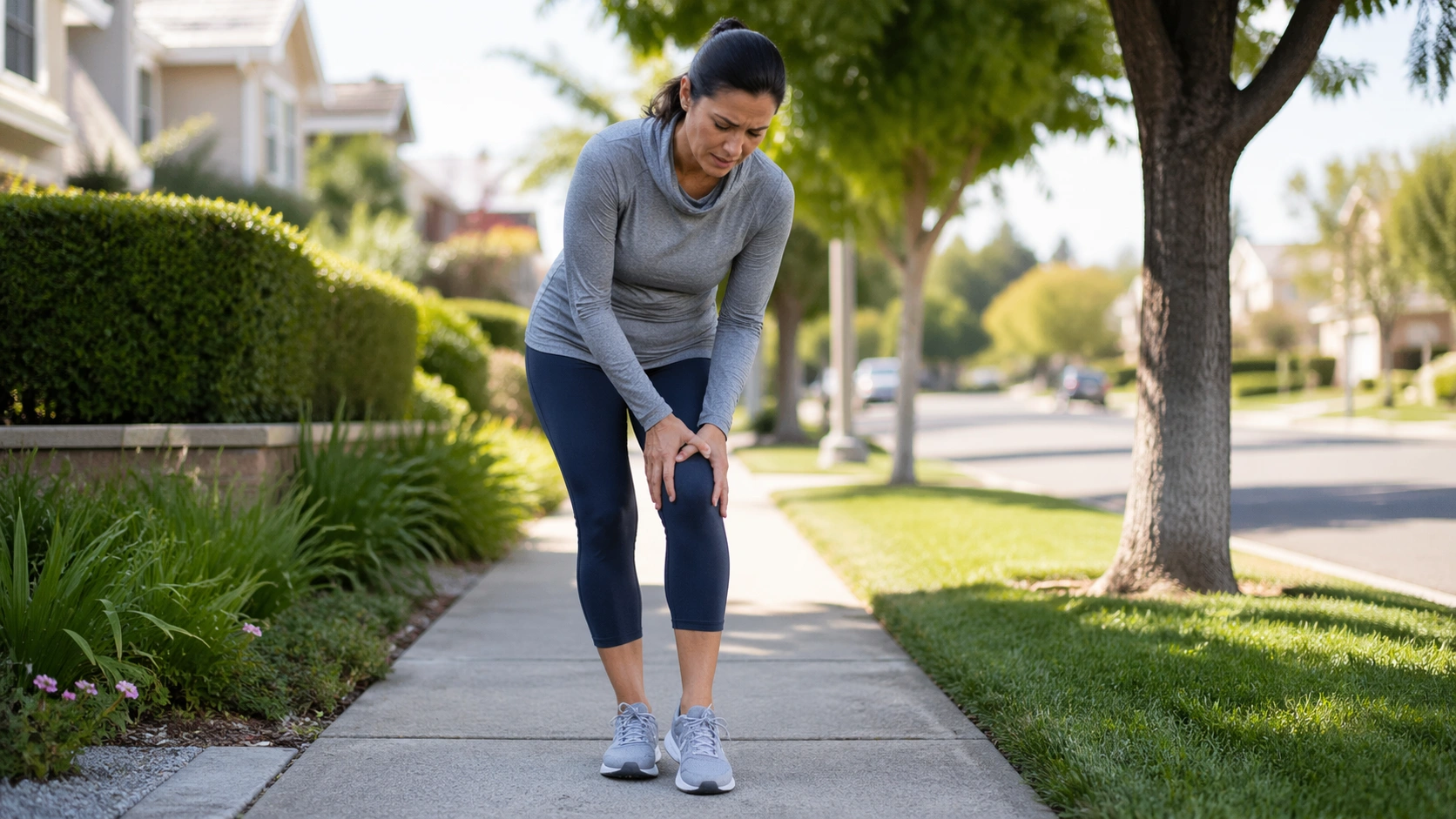
Walking puts repeated load through the knee joint. That is normal. The problem starts when the joint is already irritated, the muscles around it are tight or weak, or the knee is not tracking well with the hip, ankle, and foot.
I usually see walking-related knee pain show up in a few common ways. Sometimes it feels sharp at the front of the knee. Sometimes it is a stiff ache on the inside or outside. Other times the knee feels fine at first, then starts barking after ten or fifteen minutes of walking.
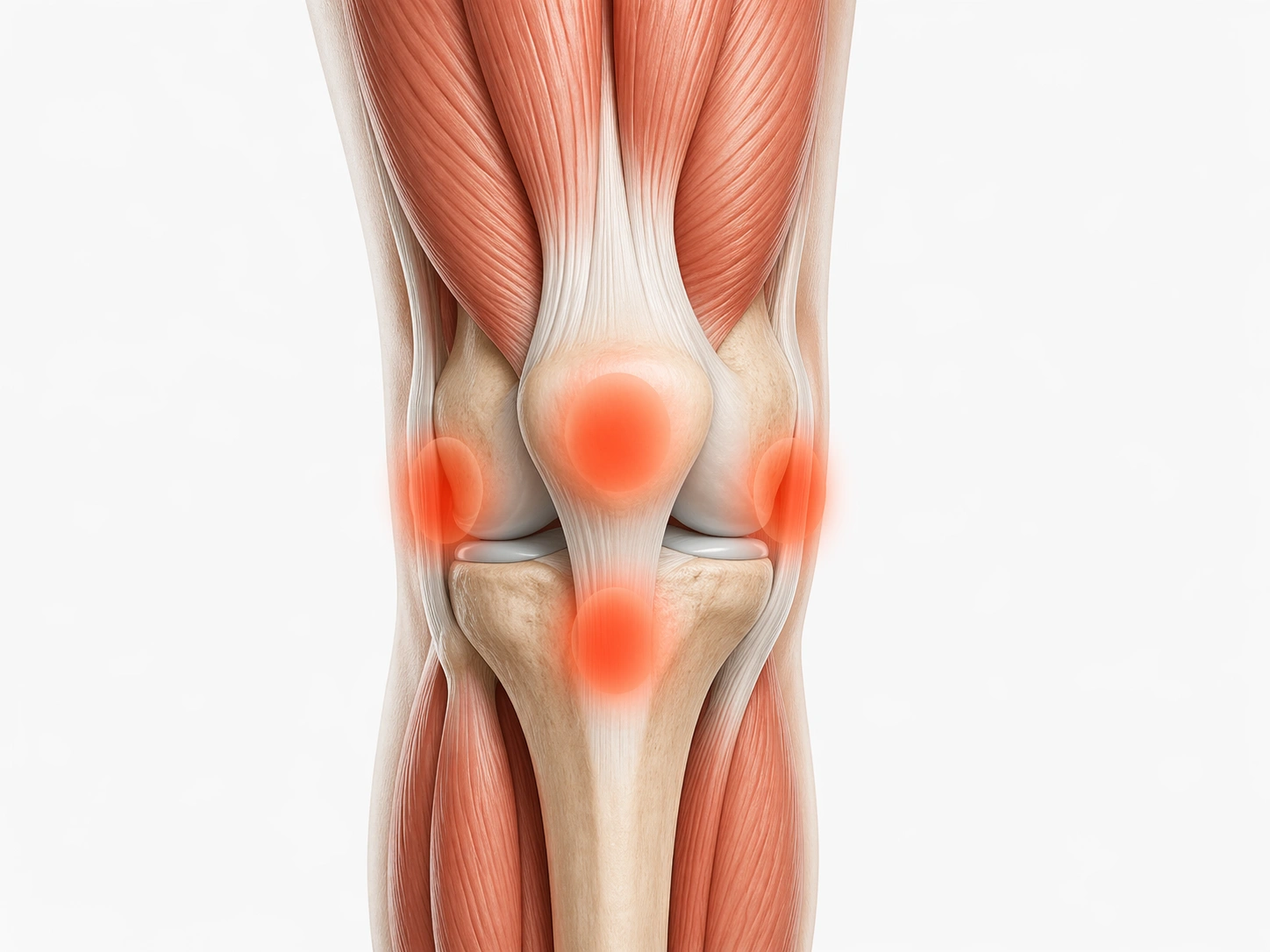
The location and timing matter because they can point to different patterns. Front-of-knee pain often shows up with kneecap irritation. Inside-knee pain may feel worse with twisting or longer walks. A deep ache and stiffness can be more common with age-related wear or a knee that hates long periods of sitting and then sudden movement.
How Knee Pain Works When You Walk
Joint loading, cartilage, and friction
Your knee is built to handle force, but it likes balanced force. If one area takes more load than it should, you may feel irritation with every step. That can happen when cartilage is worn down, when the kneecap is not gliding well, or when walking volume jumps too quickly.
Muscle tension, kneecap tracking, and trigger points
One thing many people miss is how much the muscles above and below the knee affect it. Tight quads, calves, hip flexors, and outer thigh tissue can change how the knee moves. Weak glutes and weak leg stabilizers can do the same thing. I often find that the knee is not always the only problem area. It is sometimes the place that feels the result of tight, overworked, or poorly coordinated muscles nearby.
Stiffness, swelling, circulation, and recovery delay
When the knee is irritated, the body may respond with stiffness, mild swelling, and protective muscle tension. That makes walking feel less smooth. The joint may feel better once you warm up, or it may get worse the longer you go. Good recovery habits, gentle movement, and the right pressure from massage or compression can support comfort and range of motion.
Common Causes of Knee Pain While Walking
Overuse strain and sudden activity changes
If you recently started walking more, added hills, changed shoes, or returned to exercise after a break, your knee may simply be dealing with more load than it is ready for. This is common with post-workout soreness, long travel days, or a new step-count goal.
Knee arthritis and age-related wear
For older adults especially, walking pain can come from joint wear and stiffness. This often feels worse after rest, first thing in the morning, or after a long day on your feet. Many people describe it as a deep ache with reduced flexibility.
Patellofemoral pain and kneecap irritation
This is a common pattern when the front of the knee hurts. It may feel worse with stairs, getting up from a chair, squatting, or walking downhill. Tight quads, weak hips, and poor kneecap tracking often play a role.
Tendon irritation and soreness around the knee
Tendons connect muscle to bone. When they get overloaded, they can become sore and sensitive. This may create pain below the kneecap, above it, or along the outer or inner knee depending on which tissue is irritated.
Tight hips, calves, and poor walking mechanics
I see this a lot in desk workers and people who sit most of the day. Tight hips, stiff ankles, and weak glutes can force the knee to absorb stress it should be sharing with other joints. The knee ends up doing extra work.
Weak glutes, poor posture, and old injuries
An old ankle injury, flat-feeling shoes, or poor posture during long walks can change the way force moves through your body. You might not notice it right away, but the knee often notices it first.
How to Relieve Knee Pain at Home Step by Step
Step 1: Reduce the trigger without stopping all movement
If walking is causing pain, do not automatically stop all activity. Start by shortening the walk, slowing the pace, avoiding hills, or splitting one long walk into two shorter ones. That often works better than pushing through pain or doing nothing at all.
Step 2: Use heat or ice the smart way
If the knee feels hot, swollen, or freshly irritated after activity, cold may be more helpful. If it feels stiff, achy, and hard to loosen up, gentle heat often works better. I use heat more for stiffness and recovery, and cold more for flare-ups.
Step 3: Restore gentle mobility
Start with easy motion, not aggressive stretching. A few minutes of heel slides, gentle knee bends, ankle pumps, and slow calf stretching can help the joint feel less sticky before a walk.
Step 4: Try self massage around the knee
I usually recommend working on the muscles around the knee, not pressing hard on the joint itself. Massage the quads, calves, outer thigh, and the muscles around the shin with light to moderate pressure. A massage gun, foam roller, or even a tennis ball may help reduce tension that is pulling on the knee.
Step 5: Strengthen the muscles that support the joint
Long term, this matters the most. Focus on glutes, quads, hamstrings, calves, and hip stabilizers. Gentle sit-to-stands, mini step-ups, glute bridges, and controlled calf raises are simple starting points for many people.
Step 6: Add the right support tool for walking
If your knee feels better with a little support, a compression sleeve or brace may help you walk more comfortably. If stiffness is your main issue, a heat wrap or heated knee massager can be useful before activity. If the real problem is tight legs pulling on the knee, a massage gun may help more than a brace.
Benefits of Massage, Mobility Work, and Support Tools
- May reduce stiffness before a walk
- Can support better circulation and warm-up
- Often helps tight quads and calves relax
- May make longer desk-to-walk transitions easier
- Can support recovery after workouts or long standing periods
- Often works well for home routines because it is simple and repeatable
In my experience, the best results come from combining light mobility, smart strengthening, and one or two support tools that fit the actual problem. The goal is not to collect gadgets. The goal is to make walking feel smoother and less irritating.
Symptom vs Solution
| Symptom | What it may point to | What often helps first |
|---|---|---|
| Pain at the front of the knee | Kneecap irritation, quad tightness, poor tracking | Quad massage, hip strengthening, shorter walks, compression support |
| Stiff knee after sitting | Joint stiffness, reduced mobility, mild arthritis pattern | Heat before walking, gentle mobility, easy warm-up |
| Pain below the kneecap | Tendon irritation or overload | Reduce hills, avoid jumping, light support, gradual strengthening |
| Inner or outer knee ache | Soft tissue tightness, walking mechanics, overuse strain | Massage surrounding muscles, calf and hip mobility, shoe check |
| Pain that builds during long walks | Low endurance, weak stabilizers, poor recovery | Shorter walks, strength work, compression sleeve, recovery routine |
| Swelling or warmth after activity | Irritation or inflammation flare | Cold pack, rest from aggravating activity, avoid deep massage on the joint |
Massage Gun vs Knee Sleeve vs Heat Wrap
| Tool | Best for | Main benefit | Limit | Best for who |
|---|---|---|---|---|
| Massage gun | Tight quads, calves, and outer thigh tension | Helps relax muscles that may be pulling on the knee | Not ideal directly over a swollen joint or sharp pain area | Active adults, desk workers, post-workout recovery |
| Compression knee sleeve | Walking support and mild instability | Provides light support and a secure feeling during movement | Does not fix muscle weakness or movement issues | Daily walkers, seniors, people who want extra support |
| Heat wrap or heated knee massager | Stiff, achy knees that need loosening up | Supports warm-up and comfort before walking | Less helpful for fresh swelling or heat-sensitive flare-ups | People with stiffness, morning discomfort, or desk-job tightness |
Best Tools and Product Recommendations for Walking-Related Knee Pain
I like to keep product recommendations practical. Start with the tool that matches the problem you feel most. If your knee wants stability, try compression. If the muscles around it are tight, use a massage tool. If stiffness is the big issue, go with heat.
Compression support for daily walking
A light compression sleeve can be a good starting point if your knee feels unstable, mildly swollen, or irritated during daily walks. It is simple, affordable, and easy to use for errands, travel, or longer standing days.
Compression Knee Sleeve
A simple option for mild support, warmth, and better confidence during walking.
Massage gun for quads, calves, and outer thigh tension
If your knee pain seems tied to tight muscles from workouts, long sitting, or poor recovery, a massage gun can be a helpful home tool. I use it more on the quads, calves, and outer thigh than directly on the kneecap.
Massage Gun for Leg Recovery
Useful for easing tight quads and calves that may add stress to the knee.
Heat therapy for stiffness and recovery
A heated knee wrap or heated knee massager can work well when the knee feels stiff more than swollen. Many people like using heat before a walk or after sitting for long stretches.
If you want a more medical overview of possible knee pain causes and when to get checked, these resources are useful: Cleveland Clinic knee pain guide, Mayo Clinic knee pain overview, and Cleveland Clinic knee arthritis guide.
Common Problems and Fixes
Pain only at the start of a walk
This often points to stiffness more than overload. Try five minutes of heat, gentle knee bends, and a slow warm-up before you pick up your pace.
Pain after long sitting
This is common with desk job stiffness. Stand up more often, loosen the calves and quads, and do a short mobility routine before longer walks.
Pain on stairs or hills
That can be a sign the knee is struggling with higher load or kneecap irritation. Reduce hills for a while, shorten your stride, and work on hip and quad strength.
Knee feels unstable or swollen
Use compression, reduce aggravating activity, and avoid aggressive massage over the joint. If the swelling is significant or the knee feels like it may give out, get it checked.
Common Mistakes to Avoid
- Pushing through sharp pain just because walking is supposed to be healthy
- Massaging directly on a swollen or hot joint
- Using a brace as the only solution while ignoring strength and mobility
- Stretching too hard when the knee is already irritated
- Wearing shoes that feel flat, worn out, or unstable
- Increasing walking distance too fast after time off
Safety Tips and Best Practices
Use light pressure first with any massage tool. Work around the knee, not directly on the joint when it is inflamed. Stop if you feel sharp pain, tingling, or more swelling afterward.
Be careful with heat if the knee is already hot and puffy. In that case, cold usually makes more sense. With massage guns, avoid bony spots and keep the head moving instead of holding it in one painful place.
You should stop home treatment and get checked sooner if your knee locks, buckles, swells quickly, looks deformed, hurts after a fall, or stays painful for more than a few days in a row without improvement. Pain with fever, major redness, or trouble bearing weight is also a sign not to wait.
FAQ
Why does my knee hurt more at the start of a walk?
That usually points to stiffness, mild irritation, or a knee that needs a longer warm-up. Heat and gentle mobility before walking often help.
Is it okay to keep walking if my knee hurts?
It can be okay if the pain is mild and does not keep building. If walking makes the pain sharper, causes swelling, or changes how you move, back off and adjust your routine.
Can tight muscles make my knee hurt when walking?
Yes. Tight quads, calves, hips, and outer thigh tissue can change knee mechanics and add extra stress to the joint during walking.
Does a knee brace help with walking pain?
A brace or compression sleeve may help with mild support and confidence during walking, but it works best when combined with strength and mobility work.
Should I use heat or ice for knee pain?
Use heat more for stiffness and ice more for fresh irritation, swelling, or a flare-up after activity.
When should I stop home treatment and get checked?
Get checked if the knee locks, gives way, swells a lot, hurts after an injury, or stays painful without improving after several days.
Conclusion
If your knee hurts when walking, the answer is often a mix of load, stiffness, muscle tension, and movement mechanics. Start simple. Reduce the trigger, warm the area if it is stiff, loosen the muscles around the knee, and build support with strength and smart tools. The right routine may make walking feel a lot easier without overcomplicating recovery.