Knee pain is often caused by overuse, muscle tightness, poor movement habits, arthritis, or a sudden twist or strain. In many mild cases, simple steps like rest, mobility work, self-massage, compression, and smart recovery tools may help reduce stiffness and support better movement.
Knee pain is frustrating. It can show up when you walk, climb stairs, work out, or even try to sleep. I’m Ethan Carter, and I’ve spent years testing massage tools, recovery products, and pain relief methods. I focus on simple, practical advice that helps people feel better and recover faster at home. In this guide, I’ll break down what commonly causes knee pain, what may actually help, and which tools are worth considering.
Quick Answer
Knee pain usually comes from a mix of stress and poor recovery. Common causes include overuse, tight muscles, weak hips or quads, arthritis, swelling, and movement patterns that put extra pressure on the joint. The location of the pain and when it shows up often give useful clues.
Why Knee Pain Happens and Why It Feels Different for Everyone
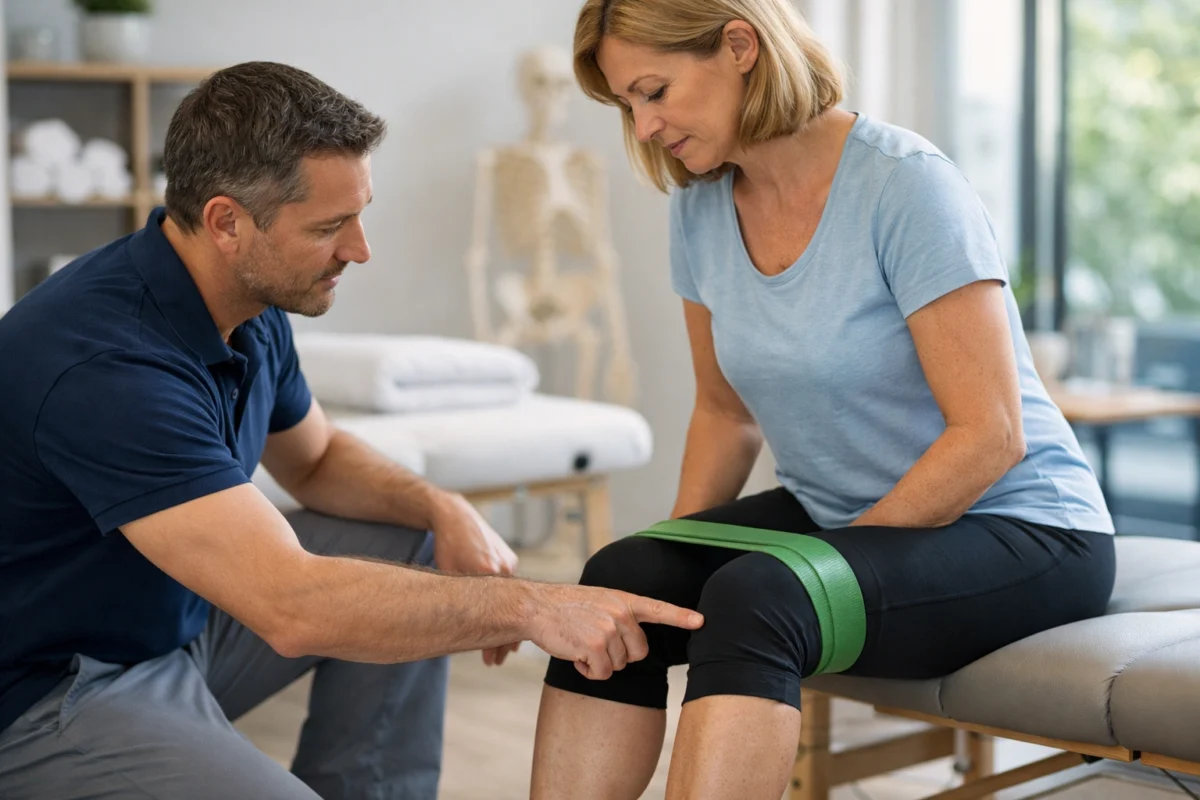
Your knee is a hard-working joint. It helps you bend, walk, squat, stand, and absorb force every day. Because it sits between the hip and ankle, it also takes stress when those areas are stiff or weak.
That is why knee pain is not always just a “knee problem.” Sometimes the pain is coming from irritated soft tissue, tight fascia, poor tracking around the kneecap, or stiffness in nearby muscles. Other times, the joint itself is more involved.
Many people also notice that knee pain changes during the day. It may feel worse after sitting too long, after exercise, at night, or when using stairs. That pattern matters.
How the knee joint works in simple terms
The knee connects the thigh bone and shin bone, with support from cartilage, tendons, ligaments, and muscles. If one part gets overloaded or movement gets out of balance, pressure builds up and pain can follow.
Why pain may come from muscles, tendons, cartilage, or the joint itself
Pain around the knee can come from tight quads, hamstrings, calves, or hips. It can also come from tendon irritation, joint wear, swelling, or an awkward twist that strains the area. That is one reason knee pain feels different from person to person.
How posture, overuse, stiffness, and recovery habits affect pain
Bad posture during standing or walking, long hours at a desk, repeated workouts without enough recovery, or limited mobility can all increase knee stress. In my experience, small daily habits often matter more than one big event.
What Causes Knee Pain Most Often?
Overuse and repetitive strain
This is one of the biggest reasons people develop knee pain. Running, jumping, hiking, deep squats, or even repeated stair climbing can irritate the knee when the tissues do not get enough recovery time. Many people feel this as soreness, tenderness, or pain that builds over time.
Muscle tightness and poor mobility
Tight quads, calves, hamstrings, or hips can change how your knee moves. When the surrounding tissue is stiff, the knee often has to absorb more stress. This is common in office workers, cyclists, and anyone who sits a lot.
Weak glutes, quads, and hips
If the muscles that support alignment are weak, the knee may track poorly during walking, stairs, or exercise. I see this a lot in people who jump back into workouts too quickly after a break.
Arthritis and age-related joint wear
Age-related wear can make the joint feel stiff, achy, or swollen, especially in the morning or after activity. Arthritis is a common reason knee pain lingers rather than fading quickly. The Mayo Clinic knee pain guide and Cleveland Clinic knee pain overview both note that overuse, injuries, and arthritis are among the most common causes.
Sudden twists, awkward movement, or sports stress
A quick pivot, bad landing, or awkward step can irritate the knee fast. Even if the pain is not severe at first, swelling or instability can show up later.
Long periods of sitting, standing, or kneeling
Sitting all day can leave the hips and knees stiff. Standing all day can increase compression and fatigue. Kneeling can irritate sensitive tissue around the front of the knee. These patterns are common and easy to overlook.
Where the Pain Is Can Offer Clues
Front knee pain
Pain in the front of the knee often shows up with stairs, squats, long sitting, or kneeling. This may point to stress around the kneecap, tight quads, or tracking issues.
Inner knee pain
Inner knee pain may be linked to overuse, joint irritation, stiffness, or strain on the inside structures of the knee. It can also feel worse after walking or twisting.
Outer knee pain
Outer knee pain is often associated with overuse, tight outer thigh tissue, and movement patterns that load the outside of the leg during running or walking.
Pain behind the knee
Pain behind the knee can come from tight hamstrings, calf tension, swelling, or poor mechanics. Some people notice it after long sitting or deep bending.
How Knee Pain Works in the Body
Inflammation, swelling, and pressure
When tissue gets irritated, the area may swell slightly. Even mild swelling can create pressure and stiffness, which changes movement and makes the joint feel uncomfortable.
Muscle tension, fascia, and trigger points
Trigger points in the quads, calves, hamstrings, and glutes can refer pain toward the knee. Fascia tightness can also reduce smooth movement. This is why self-massage around the knee often feels more useful than pressing directly on the sore spot.
Reduced blood flow and stiffness after inactivity
After long periods of sitting, the muscles around the knee may feel tight and less responsive. A little walking, gentle mobility, or heat therapy often helps loosen things up.
Mobility limits and compensation patterns
If your hips or ankles are stiff, the knee may twist or absorb more force than it should. This is especially common during workouts, lunges, and stairs.
How to Relieve Mild Knee Pain at Home Step by Step
Step 1: Reduce aggravating activity
Pull back on the movement that keeps triggering the pain. That does not always mean total rest. It usually means scaling down impact, depth, or intensity for a few days.
Step 2: Use cold or heat the right way
Cold often works better when the knee feels hot, puffy, or freshly irritated. Heat often feels better when the issue is stiffness or muscle tightness around the knee. The Healthline knee pain guide also covers this general approach.
Step 3: Try gentle mobility and stretching
Focus on the calves, hamstrings, quads, and hips. Use slow, controlled movement. You should feel relief, not a sharp increase in pain.
Step 4: Use self-massage around the knee, not on bony areas
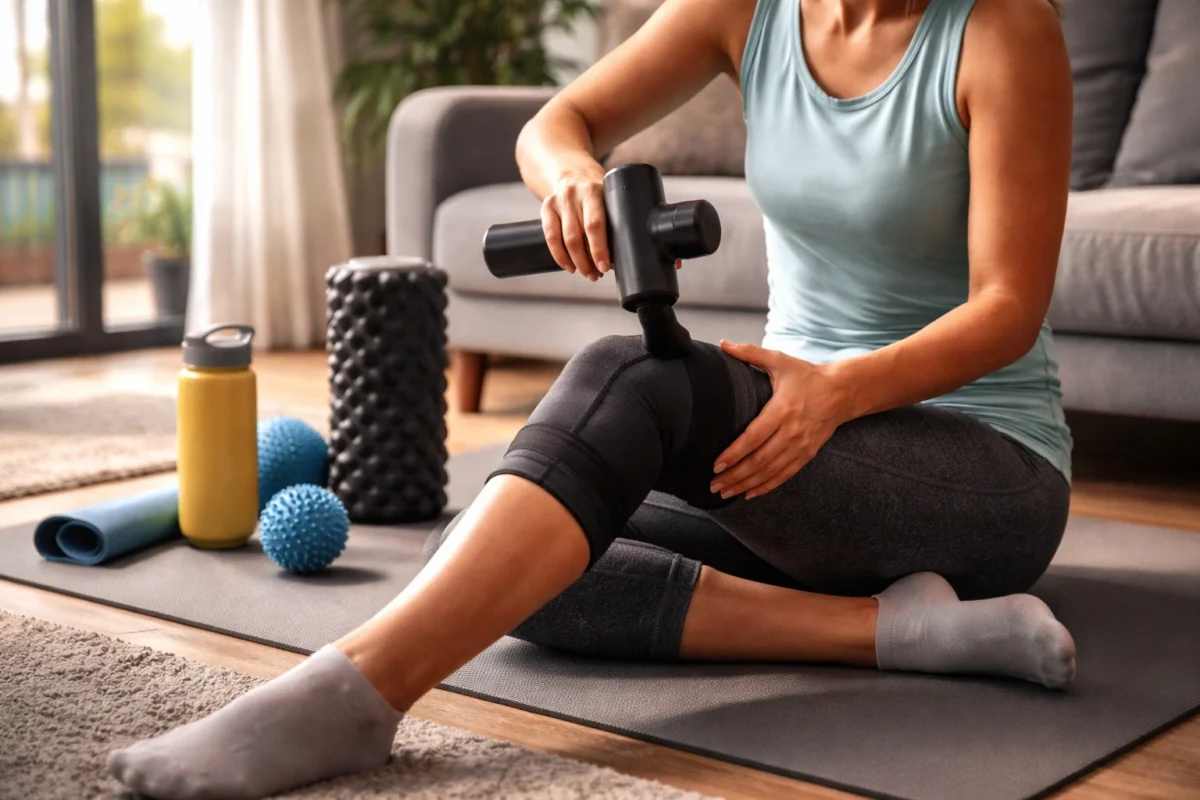
This is a big one. Massage the muscles above and below the knee. Avoid jamming pressure directly into the kneecap or inflamed spots. A massage gun on low intensity, a foam roller, or a massage ball may help with surrounding tension.
Step 5: Add support tools if needed
A compression sleeve may help with mild swelling and support. A foam roller may help improve mobility. A massage gun may be useful for muscle tightness after training or long sitting. Pick the tool based on the pattern of your pain.
Best At-Home Methods That Often Help Knee Pain
Stretching therapy
This works well when the knee feels stiff after sitting, walking, or working out. Stretching the quads, calves, hamstrings, and hips can reduce pulling on the knee.
Self massage techniques
I like using a massage ball on the glutes and outer hip, or a foam roller on the thighs and calves. Many people find this helpful for tight muscles and trigger points that may be feeding knee discomfort.
Compression sleeves and braces
Compression can support the area and may help reduce that unstable or puffy feeling. For everyday soreness, a sleeve is usually more comfortable than a bulky brace.
Massage guns and vibrating tools
These are best used on the quads, hamstrings, calves, and glutes. They can support circulation and help loosen tight tissue before or after activity. Just keep the pressure moderate and avoid the kneecap.
Foam rollers and mobility tools
These are simple, affordable, and useful for people who want a daily routine. They are especially good for office workers, athletes, and anyone dealing with stiffness after inactivity.
Symptom vs Helpful Approach
| Symptom or situation | What it may be linked to | What often helps |
|---|---|---|
| Knee feels stiff after sitting | Poor circulation, tight hips, reduced mobility | Gentle walking, heat, quad and calf stretching, foam rolling |
| Knee pain after workouts | Overuse strain, poor recovery, tight quads or calves | Reduced training load, cold therapy, massage gun on surrounding muscles |
| Pain going down stairs | Front knee stress, weak quads or hips, tracking issues | Mobility work, glute strengthening, controlled activity |
| Achy knee at night | Inflammation, sleeping position, lingering tension | Gentle stretching, light heat, pillow support, compression sleeve |
| Swollen or puffy feeling | Joint irritation, fresh overload | Rest, cold therapy, compression, avoid heavy massage on sore spot |
| Tightness above kneecap | Quad tension, fascia tightness | Foam rolling, massage gun on low setting, stretching therapy |
Tool and Product Recommendations for Knee Pain Support
If your knee pain is clearly tied to muscle tightness, soreness, or recovery, the right tool can make home care easier. I prefer tools that support mobility and soft tissue work without forcing pressure directly into the joint.
Modvel Compression Knee Sleeve
A simple option for light support, daily wear, and mild swelling during walking or standing.
TheraGun Mini
Compact and useful for working on tight quads, calves, and hips that may be adding stress to the knee.
TriggerPoint GRID Foam Roller
A strong all-around choice for daily mobility, post-workout recovery, and easing thigh or calf stiffness.
Massage Gun vs Foam Roller vs Compression Sleeve
| Tool | Best for | Main benefit | Watch out for |
|---|---|---|---|
| Massage gun | Tight quads, calves, glutes, post-workout recovery | Fast relief for muscle tension and soreness | Do not pound directly on the kneecap or swollen areas |
| Foam roller | Daily mobility, stiffness, larger muscle groups | Great for soft tissue work and movement prep | Can feel intense if pressure is too aggressive |
| Compression sleeve | Walking, standing, mild swelling, daily support | Easy support and comfort during activity | Should not feel numb, overly tight, or restrictive |
Which option is best for office workers, athletes, and seniors?
| Who it is best for | Most practical option | Why |
|---|---|---|
| Office workers | Foam roller or massage gun | Helpful for stiffness from sitting and tight quads or hips |
| Athletes | Massage gun plus foam roller | Supports recovery, mobility work, and post-workout soreness |
| Seniors | Compression sleeve | Simple, gentle, and easier for daily comfort without intense pressure |
Common Problems and Fixes
Knee pain after workouts
This usually points to overuse, poor recovery, or tight supporting muscles. Scale back intensity for a few days, use cold if the knee feels irritated, and work on surrounding muscle tension.
Knee stiffness after sitting
This is very common with desk jobs. Stand up more often, walk briefly, loosen the hips and calves, and try heat before mobility work.
Knee discomfort at night
Night pain often feels worse because you are less distracted and more aware of pressure or swelling. A pillow between or under the legs, light stretching, or gentle heat may help.
Knee pain while using stairs
This often shows up with front knee stress, quad weakness, or poor tracking. Move slowly, shorten the range, and focus on hip and quad control.
Common Mistakes to Avoid
- Using very hard pressure directly on the kneecap
- Ignoring tight hips, calves, and quads
- Returning to high-impact activity too fast
- Assuming all knee pain needs the same tool
- Using a massage gun on a swollen or sharply painful spot
- Skipping warm-up and mobility before exercise
Safety Tips and Best Practices
Most mild knee soreness responds well to gentle home care, but there are times to be cautious.
Who should be careful with massage tools
Be careful if the area is very swollen, bruised, unstable, or sharply painful. In those cases, aggressive massage is usually not the right first move.
When to stop self-treatment
Stop if pain gets worse, swelling increases, the knee feels like it may give out, or you cannot move it normally.
Signs you should get medical guidance
It is smart to get checked if the pain started after a major twist or fall, if you cannot bear weight, if swelling is sudden and significant, or if pain keeps hanging around despite rest and simple care. Mayo Clinic’s knee pain treatment page is a useful reference if you want to understand when medical evaluation makes sense.
FAQ
Why does my knee hurt without an injury?
Knee pain without an obvious injury is often linked to overuse, arthritis, muscle tightness, poor movement habits, or long periods of sitting or standing.
Can tight muscles cause knee pain?
Yes. Tight quads, hamstrings, calves, and hips can change how the knee moves and may increase pressure on the joint.
Does massage help knee pain?
Massage may help when the pain is related to muscle tension, stiffness, or recovery. It is usually best to massage the muscles around the knee instead of pressing directly on the kneecap.
Is walking good for knee pain?
Gentle walking often helps mild stiffness, especially after sitting. But if walking sharply increases pain, it is better to scale back and let the area settle.
Should I use heat or ice for knee pain?
Ice is often better for a hot, swollen, or freshly irritated knee. Heat is often better for stiffness and tight surrounding muscles.
Can a massage gun help knee pain?
It can help when used on the quads, calves, hamstrings, or glutes. Avoid using it directly over the kneecap, bony areas, or swollen spots.
When is knee pain serious?
Knee pain is more concerning if you cannot bear weight, the joint looks very swollen, it feels unstable, or the pain started after a major twist, fall, or impact.
Conclusion
Knee pain can come from several different causes, but the most common ones are overuse, muscle tightness, poor mobility, joint wear, and recovery habits that are not supporting the way you move. The good news is that many mild cases respond well to simple home strategies. Start with reducing aggravation, improving mobility, and using the right support tool for your specific pattern. If you want a simple place to begin, a good compression sleeve or foam roller is often the easiest first step.