If you’ve ever experienced muscle soreness, you know it can be both uncomfortable and frustrating. This guide provides effective strategies to help you relieve muscle soreness quickly and promote recovery. From stretching to hydration, learn how to ease those sore muscles and get back to your routine faster.
Key Takeaways
- Hydration is Key: Drinking enough water helps flush out toxins and keeps muscles hydrated.
- Gentle Stretching: Light stretches can improve blood flow and reduce stiffness.
- Rest and Recovery: Allowing time for rest is crucial for muscle healing and growth.
- Warm Compresses: Applying heat can soothe sore muscles and promote relaxation.
- Cold Therapy: Ice packs can reduce inflammation and numb pain effectively.
- Nutrition Matters: Eating protein-rich foods aids muscle repair and recovery.
- Over-the-Counter Relief: Consider non-prescription medications for quick pain relief.
Effective Tips on How to Make Muscle Soreness Go Away
Muscle soreness is a common experience, especially after intense workouts or physical activity. It’s often a sign that your muscles are adapting and strengthening. However, that doesn’t make the discomfort any easier to manage. This guide will walk you through various effective methods to alleviate muscle soreness quickly and naturally. From hydration to nutrition, you’ll find practical tips to help you on your journey to recovery.
Understanding Muscle Soreness
Muscle soreness, scientifically known as delayed onset muscle soreness (DOMS), typically occurs after unfamiliar or intense exercise. The sensation can vary from mild discomfort to significant pain. Understanding the cause of your soreness is the first step in deciding how to treat it effectively.

Visual guide about Effective Tips on How to Make Muscle Soreness Go Away
Image source: i.ytimg.com
Step 1: Stay Hydrated
One of the simplest ways to help your body recover is by ensuring you stay hydrated. Water plays a crucial role in muscle recovery.

Visual guide about Effective Tips on How to Make Muscle Soreness Go Away
Image source: blog.trumeta.com
1.1 Drink Plenty of Water
Make it a habit to drink water throughout the day, especially after workouts. Aim for at least 8-10 glasses daily, or more if you’ve been sweating heavily. You can also consume electrolyte drinks to replenish lost minerals.
1.2 Look for Signs of Dehydration
Be mindful of symptoms such as dry mouth, fatigue, or dark urine. If you notice these signs, increase your water intake.
Step 2: Gentle Stretching and Movement
While it might be tempting to rest completely, gentle movement can be beneficial for sore muscles.
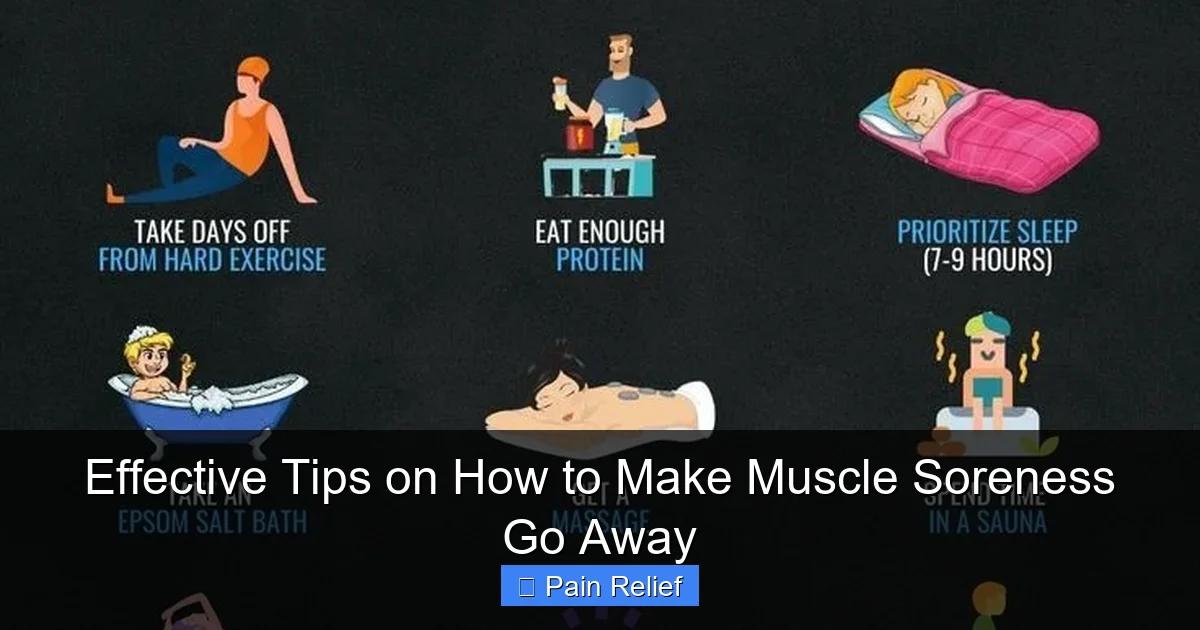
Visual guide about Effective Tips on How to Make Muscle Soreness Go Away
Image source: i.pinimg.com
2.1 Incorporate Light Stretching
Engaging in light stretching can help relieve tension in sore muscles. Focus on the muscle groups that are sore. Hold each stretch for 15-30 seconds without bouncing.
2.2 Try Low-Impact Activities
Consider activities like walking, cycling, or swimming. These low-impact exercises promote blood flow without straining your muscles further.
Step 3: Apply Heat and Cold Therapy
Using heat and cold can effectively ease muscle soreness.
3.1 Use Heat Therapy
Applying a warm compress or heating pad to sore muscles can relax tightness and improve blood flow. Use heat for 15-20 minutes at a time.
3.2 Cold Therapy for Inflammation
If your soreness is accompanied by swelling, cold therapy is better. Apply an ice pack wrapped in a cloth for 15-20 minutes. This can numb pain and reduce inflammation.
Step 4: Prioritize Rest and Recovery
Giving your muscles time to rest is crucial for recovery.
4.1 Schedule Rest Days
Make sure to incorporate rest days into your exercise routine. This allows your muscles to heal and grow stronger.
4.2 Sleep Well
Aim for 7-9 hours of quality sleep each night. Sleep is when your body repairs itself, including muscle recovery.
Step 5: Focus on Nutrition
Your diet plays a significant role in muscle recovery.
5.1 Consume Protein-Rich Foods
Eating foods high in protein helps repair muscle fibers. Include sources like chicken, fish, eggs, beans, and nuts in your meals.
5.2 Incorporate Anti-Inflammatory Foods
Foods like berries, leafy greens, and fatty fish have anti-inflammatory properties that can help reduce soreness.
Step 6: Consider Over-the-Counter Pain Relief
If soreness is impacting your daily activities, you may want to consider over-the-counter pain relief.
6.1 Non-Prescription Medications
Medications like ibuprofen or acetaminophen can alleviate pain. Always follow the recommended dosage on the package and consult a healthcare professional if you have concerns.
Troubleshooting Muscle Soreness
Sometimes, muscle soreness can indicate a more serious issue. Here are some tips for troubleshooting:
7.1 Assess the Severity
If soreness persists for more than a week or is accompanied by swelling or severe pain, it may indicate an injury. Consult a healthcare professional for further evaluation.
7.2 Adjust Your Workouts
Review your exercise routine. Ensure you’re not overtraining or skipping warm-ups and cool-downs. Gradually increase intensity to prevent future soreness.
Conclusion
Muscle soreness is a normal part of physical activity, but it doesn’t have to sideline you. By staying hydrated, incorporating gentle movement, using heat and cold therapy, prioritizing rest, focusing on nutrition, and considering over-the-counter relief, you can effectively manage soreness and promote recovery. Remember to listen to your body and adjust your routine as needed to prevent excessive soreness in the future. With these tips, you’ll be back to your favorite activities in no time!
🎥 Related Video: How to Relieve Muscle Soreness and Recover FAST (4 Science-Based Tips)
📺 Jeremy Ethier
Muscle soreness (also known as delayed onset muscle soreness or “DOMS”) is something we can all relate to. The sore legs and …