You can ease sciatica without surgery by using simple, proven steps you can do at home. Gentle movement, targeted stretches, brief use of heat or ice, and posture changes often cut pain and help nerves heal. Practical self-care and guided exercises frequently bring steady relief within weeks.
Ethan Carter at RemedyTip.com and other pain relief specialists stress starting with low-risk options and watching how your body responds. This article shows clear, safe methods—from specific stretches to lifestyle changes and natural pain control—so you can pick what fits your situation and feel better sooner.
Key Takeaways
- Try gentle stretches and posture fixes to reduce nerve pressure.
- Use heat, ice, and simple natural remedies for short-term pain control.
- Seek professional help if weakness, numbness, or worsening pain appear.
Understanding Sciatica
Sciatica means pain that follows the path of the sciatic nerve from the lower back through the buttock and down the leg. It often comes from a specific spot where the nerve is pinched or irritated, and symptoms can vary by cause and location.
What Causes Sciatica
Sciatica most often starts when a spinal disc presses on the nerve root. A herniated (slipped) disc in the lower spine can push into the nerve canal and send pain down the leg. Degenerative disc disease and bone spurs from osteoarthritis can also narrow the canal and irritate nerves.
Muscle tightness, especially in the piriformis muscle under the buttock, can compress the sciatic nerve in some people. Less commonly, spinal tumors, infections, or trauma cause sciatica. Pregnancy can increase pressure on the lower spine, making symptoms more likely.
Recognizing Symptoms
Pain usually radiates from the lower back or buttock into one leg, often below the knee. Patients describe sharp, burning, or electric-like pain that gets worse with sitting, coughing, or sneezing.
Numbness, tingling, or muscle weakness in the leg or foot can appear along with pain. Symptoms vary by which nerve root is affected: L5 commonly causes numbness on the top of the foot, while S1 often affects the ankle reflex and outer foot.
Risk Factors
Age-related spine changes raise risk; people over 30 are more likely to have herniated discs and arthritis. Jobs that involve heavy lifting, twisting, or long periods of sitting stress the lower back and increase risk.
Being overweight adds pressure to the spine and makes disc problems more likely. Smoking slows tissue healing and increases degeneration. A sedentary lifestyle weakens core muscles that support the spine, raising the chance of nerve irritation.
Lifestyle Modifications for Sciatica Relief
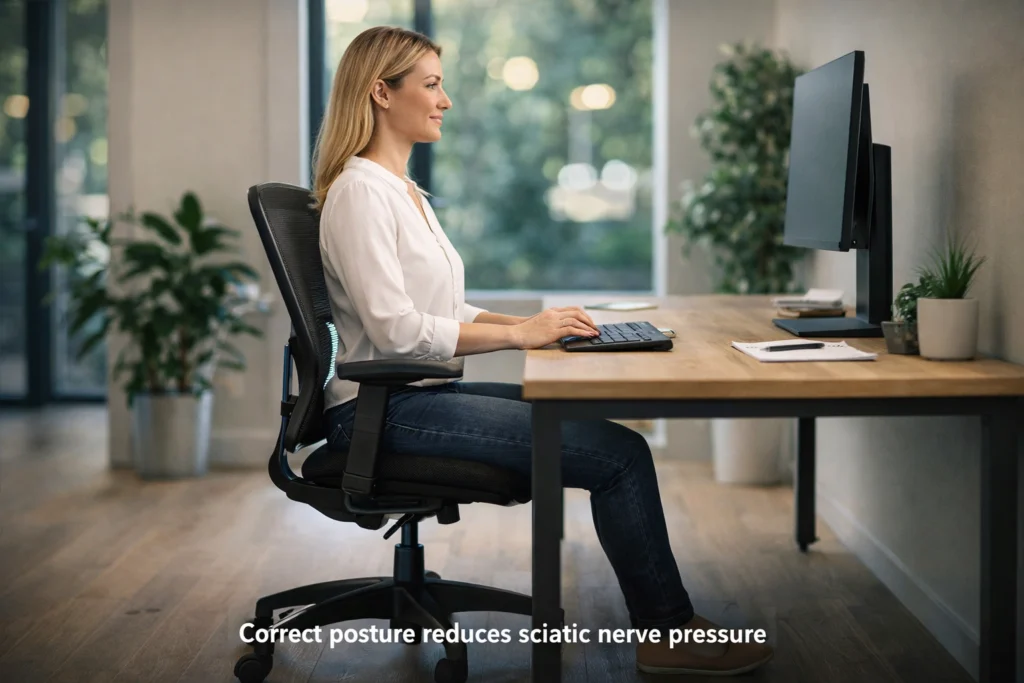
Simple daily changes can reduce nerve pressure and lower pain. Focus on upright posture, work-area setup, and choices about movement and rest.
Posture Improvement
They should keep the spine aligned while sitting and standing to cut pressure on the lower back. When sitting, feet rest flat on the floor, knees at hip level, and the back supported by a small lumbar roll or pillow. Avoid slouching and forward head posture; a quick check every 20–30 minutes helps.
When standing, weight stays evenly on both feet and knees stay soft, not locked. For brief tasks, they shift weight between feet. While lying, a pillow under the knees (for back sleepers) or between knees (for side sleepers) keeps the spine neutral and lowers tension on the sciatic nerve.
Ergonomic Adjustments
They should set up work and home spaces to keep the spine neutral and reduce repetitive strain. Use a chair with lumbar support, set the monitor at eye level, and place the keyboard so elbows rest at 90 degrees. If they use a laptop often, a separate keyboard and stand help.
A simple rule helps choose furniture: hips sit slightly higher than knees. For people who drive daily, adjust the seat so the back is supported and the wheel is easy to reach without leaning forward. Consider small tools: a footrest, seat cushion, or headset to avoid neck strain.
| Situation | Recommended Change | Why it Helps |
|---|---|---|
| Office chair | Use lumbar support and adjust height | Maintains natural spine curve, reduces lower-back load |
| Computer screen | Raise to eye level | Prevents forward head and upper-back strain |
| Driving | Seat tilt and cushion for lumbar support | Limits sustained compression of lower spine |
Activity Modifications
They should keep moving but avoid actions that spike pain. Replace heavy lifting with sliding or pushing items when possible. If lifting is necessary, bend the knees and keep the load close to the body; do not twist while lifting.
Limit prolonged sitting to 20–30 minutes by setting a timer to stand and walk briefly. Swap high-impact exercise for low-impact options like walking, swimming, or cycling on flat terrain. For flare-ups, use short periods of rest and apply heat or ice for 15–20 minutes, then return to gentle movement as pain allows.
Targeted Exercises and Physical Therapy

These methods focus on reducing nerve pressure, improving flexibility, and building support around the spine and hips. Specific stretches loosen tight muscles, strengthening moves stabilize the core and glutes, and guided therapy tailors progress and safety.
Stretching Techniques
Gentle, regular stretches help reduce tension along the lower back, buttock, and hamstring that can press on the sciatic nerve. Examples include the knee-to-chest stretch, piriformis stretch, and seated hamstring stretch. Hold each stretch 20–30 seconds, repeat 2–4 times, and avoid bouncing.
A clear routine works best: warm up with a 5‑10 minute walk, do the stretches, then walk again briefly. Pain should decrease or stay the same during a stretch; sharp or worsening pain means stop and reassess. Using a strap or towel can help reach the foot in hamstring stretches without rounding the lower back.
Strengthening Exercises
Strength in the core, hips, and glutes helps unload the lower spine and reduce sciatica flare-ups. Key moves include bridges, bird-dogs, and side-lying clamshells. Start with 8–12 repetitions and 1–2 sets, progressing to 2–3 sets as strength improves.
Focus on slow, controlled motion and neutral spine position. If bending forward hurts, substitute with plank variations or standing hip extensions. Track exercises that reduce pain and stop any movement that causes sharp nerve pain or new numbness.
Guided Physical Therapy
A physical therapist assesses movement patterns and tailors a program combining manual therapy, targeted exercises, and home routines. They may use nerve-gliding exercises, soft-tissue techniques, and progressive loading to restore function safely. Regular follow-ups let the therapist adjust intensity and address setbacks.
Therapists teach proper posture, lifting mechanics, and activity pacing to prevent recurrence. If symptoms persist or worsen, the therapist coordinates with a physician for imaging or further care. Patients who follow a therapist’s home program often see steadier improvement than those who exercise without guidance.
Natural Pain Management Methods
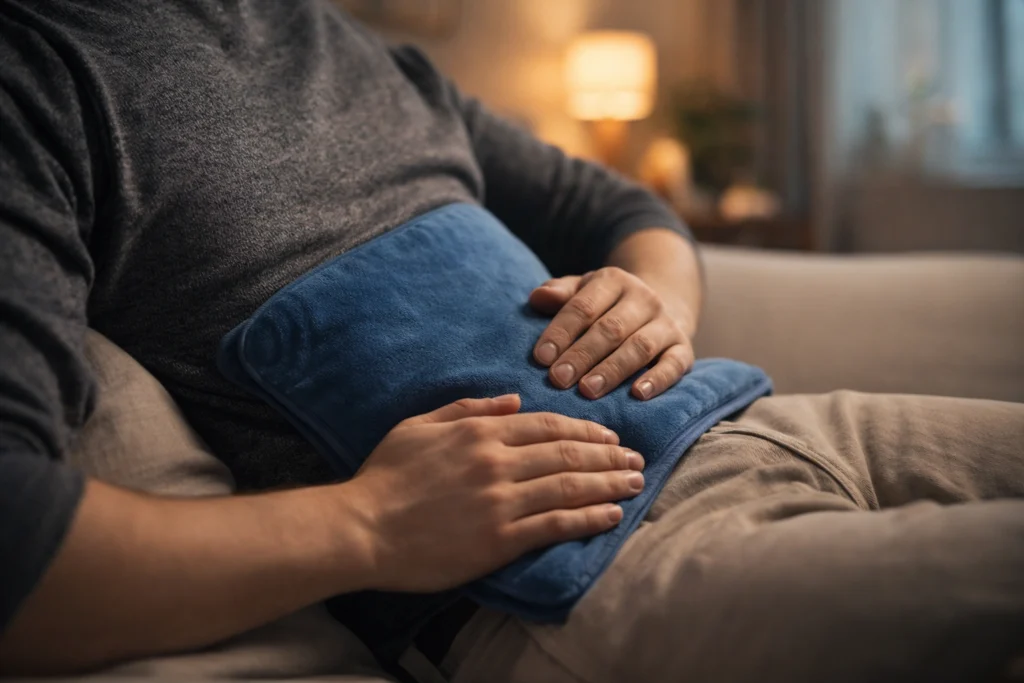
This section gives simple, practical ways to ease sciatica pain without drugs. It focuses on treatments that target inflammation, muscle tightness, and nerve irritation.
Hot and Cold Therapy
Cold reduces swelling and numbs sharp pain. Apply an ice pack wrapped in a thin towel to the lower back or buttock for 15–20 minutes every 2–3 hours during the first 48 hours after pain starts. This helps with acute flare-ups, especially after activity or injury.
Heat relaxes tight muscles and improves blood flow. Use a heating pad or warm compress for 15–20 minutes before stretching or gentle exercise. Avoid high heat directly on skin; keep a barrier and check skin every few minutes.
A simple routine combines both: cold during the first day for sharp pain, then heat for ongoing stiffness. People with circulation problems or diabetes should check with a clinician before using heat or cold.
Massage Techniques
Massage loosens tight muscles that press on the sciatic nerve. A skilled therapist can target the piriformis, gluteal muscles, and lower back to reduce pressure and improve range of motion. Sessions of 20–30 minutes, two to three times weekly, often help during flare-ups.
Self-massage with a tennis ball or foam roller can reach the buttock and outer hip. Sit against a wall and roll the ball under the painful area for 1–2 minutes at a time, pausing on tender spots. Stop if sharp nerve pain increases.
Combine massage with gentle stretching afterward to keep muscles relaxed. Seek a licensed massage therapist if numbness, weakness, or bowel/bladder changes occur.
Acupuncture
Acupuncture uses thin needles at specific points to reduce pain and inflammation. Licensed acupuncturists typically insert needles along the lower back, buttock, and leg pathways linked to the sciatic nerve. Sessions last 20–40 minutes and are often scheduled once or twice weekly at first.
Some people report reduced pain and improved mobility after several sessions. Acupuncture may work best alongside exercise, stretching, and posture changes. Choose a practitioner certified by a recognized board and confirm they use single-use, sterile needles.
Expect mild soreness or bruising at needle sites. If symptoms worsen or other red flags appear, stop treatment and consult a medical professional.
Dietary Approaches to Support Recovery
This section lists specific foods and supplements that can lower inflammation, support nerve health, and help tissue repair. It gives clear examples, portion ideas, and safe supplement choices to discuss with a clinician.
Anti-Inflammatory Foods
They should eat fatty fish like salmon or mackerel at least twice weekly for omega-3s, which can reduce nerve-related inflammation. Include one to two tablespoons of ground flaxseed or chia daily as a plant-based omega-3 source.
Fill half the plate with colorful vegetables and fruits each meal. Berries, cherries, spinach, kale, and broccoli supply antioxidants and vitamin C, which support tissue repair. Use extra-virgin olive oil for cooking and dressings—one to two tablespoons per day adds anti-inflammatory monounsaturated fats.
Add nuts (walnuts, almonds) and legumes (lentils, chickpeas) for magnesium and fiber. Limit processed and fried foods, sugar-sweetened drinks, and refined carbs, as these can raise inflammation. Drink water throughout the day; aim for at least 8 cups unless a clinician advises otherwise.
Nutritional Supplements
They may consider supplements when diet alone falls short, but should check with a healthcare provider first. Fish oil (1,000 mg EPA+DHA daily) is a common choice for inflammation; quality and purity matter.
Vitamin D supports nerve and bone health. A typical supplemental dose ranges from 1,000–2,000 IU daily, adjusted by blood test results. Magnesium (200–400 mg nightly) can ease muscle tension and improve sleep; choose magnesium citrate or glycinate for better absorption and fewer laxative effects.
Alpha-lipoic acid (300–600 mg daily) and turmeric/curcumin (standardized extract 500–1,000 mg with black pepper) show promise for nerve pain and inflammation. Start low and monitor for side effects. If they take blood thinners or have chronic conditions, a clinician should approve any supplement plan.
Mind-Body Strategies
Mind-body approaches help reduce nerve pain by lowering stress, easing muscle tension, and improving sleep. They focus on breathing, posture, and gentle movement to reduce pressure on the lower back and sciatic nerve.
Stress Reduction Practices
Stress raises muscle tension and can make sciatica feel worse. They should practice short, daily routines that lower stress hormone levels and ease back tightness.
- Breathing breaks: Do 4–6 slow belly breaths, three times a day. This lowers heart rate and relaxes deep back muscles.
- Progressive schedule: Start with 5–10 minutes of guided activity and build to 20 minutes. Consistency matters more than intensity.
- Mindful walking: Walk for 10–20 minutes at a steady pace, focusing on natural posture and light heel-to-toe steps. This keeps the spine mobile without straining it.
- Cognitive habits: Identify one trigger (work posture, sleep position) and change it. Small changes such as a lumbar roll or standing breaks every 30–45 minutes reduce flare-ups.
For readers who want more background on breathing and relaxation science, see this overview of the autonomic nervous system.
Relaxation Techniques
Relaxation targets the muscles that press on the sciatic nerve and improves sleep for recovery. They can use simple, proven methods that fit daily life.
- Progressive muscle relaxation: Tense then release each muscle group for 5–7 seconds, working from feet to head. Focus on the lower back and hips.
- Guided imagery: Picture a calm place for 5–10 minutes while breathing slowly. Use short audio guides if concentration is hard.
- Heat paired with relaxation: Apply a warm pack for 10–15 minutes before a relaxation session to loosen muscles and increase blood flow.
- Sleep routine: Keep bed and wake times consistent. Use a cushion under knees when lying on the back to reduce lumbar strain.
For practical tips on posture and daily movement that protect the lower back, consult reputable sources like health organizations and clinical guides.
When to Seek Professional Guidance
If pain worsens or does not improve after a few weeks of self-care, the person should see a healthcare professional. Persistent or increasing pain can signal a more serious nerve or spinal problem that needs tests or targeted treatment.
Seek immediate care if any of these occur:
- Severe weakness in a leg or foot that affects walking.
- Loss of bowel or bladder control or numbness in the groin area.
- Sudden, intense pain after a major injury.
A clinician can offer exams, imaging, and treatments not available at home. They may recommend prescription medications, physical therapy, or injections to reduce inflammation and speed recovery.
If symptoms limit daily activities or work, professional help can prevent long-term problems. Older adults, people with diabetes, or those with a history of cancer should get earlier evaluation because they have higher risk for complications.
During visits, patients should describe pain pattern, triggers, and any home treatments tried. Clear details help clinicians choose the right tests and plan, so recovery can begin with accurate, safe care.
FAQS
What is sciatica and how long does it last?
Sciatica is pain from the sciatic nerve that runs from the lower back down the leg. Most people improve within a few weeks with self-care, though some cases can take 2–3 months or longer.
Can stretching make sciatica worse?
Gentle stretches often help, but aggressive or painful stretching can increase irritation. They should stop if pain sharpens or spreads.
Which home remedies help most?
Rest for a short time, alternating ice and heat, and gentle walking can reduce pain. Anti-inflammatory habits like proper posture, hydration, and light exercise support recovery.
When should someone see a doctor?
Seek care if numbness, weakness, or bowel/bladder changes occur, or if pain is severe and not improving after several weeks. A clinician can check for serious causes and suggest imaging or treatments.
Are herbs or supplements useful?
Some people try turmeric, ginger, or topical arnica for mild inflammation. Evidence is limited, so they should not replace medical advice and may interact with medicines.
Can exercise prevent future flare-ups?
Yes. Regular low-impact exercise, core strengthening, and ergonomic adjustments reduce recurrence risk. A physical therapist can tailor a safe program.
What about surgery or injections?
Most people do not need surgery. Injections or surgery are considered when conservative care fails or when neurological deficits appear.
Conclusion
They can manage sciatica with steady, simple steps that reduce pain and improve movement. Small actions—like gentle stretches, regular walking, and heat or ice—add up over days and weeks.
Consistency matters more than quick fixes. Daily habits that support posture, strength, and flexibility help lower flare-ups and speed recovery.
If pain stays severe, worsens, or causes weakness or numbness, they should see a healthcare provider. Imaging or specialist care can guide safe, effective treatment when home methods aren’t enough.
Use a mix of self-care and professional advice. Physical therapy, targeted exercises, and ergonomic changes work well together. Medications and procedures remain options if conservative care fails.
Practical plan to try:
- Start with gentle movement and rest when needed.
- Add core and back-strength exercises gradually.
- Use heat or cold for short-term relief.
- Improve workplace and sleep posture.
They should track symptoms and progress. This helps decide what works and when to get extra help.