Stop the activity, protect your back, use ice for 15 to 20 minutes, avoid lifting or twisting, and try short gentle walks if you can tolerate them. Get urgent medical help right away if you have severe weakness, numbness, fever, loss of bladder or bowel control, or pain after a major fall or crash.
Back injuries can happen fast. One lift. One twist. One bad sleep position. Then every movement hurts.
I’m Andrew Collins, a product researcher and content writer focused on helping people solve everyday problems with simple, practical advice. In this guide, I’ll show you the first steps that usually help, what mistakes can make pain worse, and when it is time to stop home care and get medical help.
Quick Answer: What to Do Right Away
- Stop what you are doing immediately.
- Check whether the pain is mild, sharp, spreading, or causing weakness or numbness.
- Use ice for 15 to 20 minutes at a time during the first 24 to 48 hours.
- Avoid heavy lifting, twisting, deep bending, and long periods in one position.
- Try a pain-relieving position, such as lying on your back with your knees supported.
- Take short, easy walks if movement feels manageable.
- Seek urgent care if the pain is severe or comes with red-flag symptoms.
| Symptom | Best Next Action |
|---|---|
| Mild to moderate soreness after lifting | Ice, relative rest, gentle walking, monitor for 24 to 48 hours |
| Sharp pain with muscle spasm | Stop activity, use ice, avoid twisting, call a doctor if not improving |
| Pain shooting down the leg | Get medical advice soon, especially if numbness or weakness appears |
| Numbness, leg weakness, or foot drop | Urgent medical evaluation |
| Loss of bladder or bowel control | Go to the ER immediately |
| Pain after a fall, crash, or direct trauma | Seek urgent evaluation right away |
What a Back Injury Can Mean and Why Acting Fast Matters
Common types of back injuries
Many sudden back injuries are muscle strains or ligament sprains. That means the soft tissues around the spine get overstretched or irritated. Some injuries also involve disc irritation, joint stress, or nerve compression. That is when pain may travel into the hip, buttock, or leg.
Why early care matters
Early care can reduce inflammation before it builds up. It can also limit muscle tension and protect normal spine alignment. When pain hits, many people hunch, lean, or move unevenly. That posture can increase pressure on the lower back and make recovery slower.
Fast, smart care is not about doing nothing. It is about reducing pressure, calming inflammation, and keeping the body moving just enough to avoid stiffness.
How Back Pain Relief Works After an Injury
Reducing inflammation and swelling
Right after an injury, the body sends extra fluid and inflammatory chemicals to the area. That is part of healing, but too much inflammation can increase pain. Ice can help calm that early response and reduce swelling.
Relieving muscle spasm and pressure
Back muscles often tighten up to guard the injured area. This muscle tension can feel like a knot, spasm, or locked-up lower back. Gentle position changes and later-stage heat may help those muscles relax.
Protecting nerve pathways and blood circulation
If swelling or disc irritation increases, nearby nerves may get compressed. That can lead to tingling, burning, or shooting pain. The goal is to reduce pressure while keeping blood circulation going with light movement, not long bed rest.
Supporting posture correction and lumbar stability
Good posture does not mean sitting rigidly. It means keeping the spine in a supported, neutral position so the joints and muscles are not under extra strain. Lumbar support, careful sitting, and proper sleeping positions can all help.
Step-by-Step: What to Do in the First 24 to 48 Hours
Step 1: Stop the activity and assess the injury
If you hurt your back lifting, exercising, gardening, or getting out of bed, stop right away. Do not try to push through it. Ask yourself:
- Is the pain centered in one spot or traveling down a leg?
- Do you feel numbness, weakness, or pins and needles?
- Did the pain start after a fall, crash, or heavy impact?
- Can you stand and walk a few steps safely?
Step 2: Find a pain-relieving position
Try lying on your back with a pillow under your knees. Another good option is side sleeping with a pillow between your knees. These positions can reduce pressure on the lumbar spine and help the muscles settle down.
Step 3: Use ice the right way
Use a cold pack for 15 to 20 minutes at a time. Place a thin cloth between the cold pack and your skin. Repeat every few hours during the first 24 to 48 hours if it helps.
Step 4: Avoid bed rest all day
Too much bed rest can increase stiffness, reduce circulation, and slow recovery. Rest for short periods, but do not stay completely inactive unless a clinician tells you to.
Step 5: Move gently and safely
Short, slow walks around the room or hallway can be helpful if the pain is tolerable. Gentle movement supports circulation and may reduce joint stiffness. Avoid aggressive stretching right away.
Step 6: Know when to call a doctor
Call a doctor or go to urgent care if your pain is severe, getting worse, preventing normal walking, or not improving over the next couple of days. Get emergency help immediately for loss of bladder or bowel control, major weakness, saddle numbness, fever, or pain after significant trauma.
For general red-flag guidance, I recommend reviewing information from the Mayo Clinic and the Cleveland Clinic.
Best Positions for Pain Relief Explained
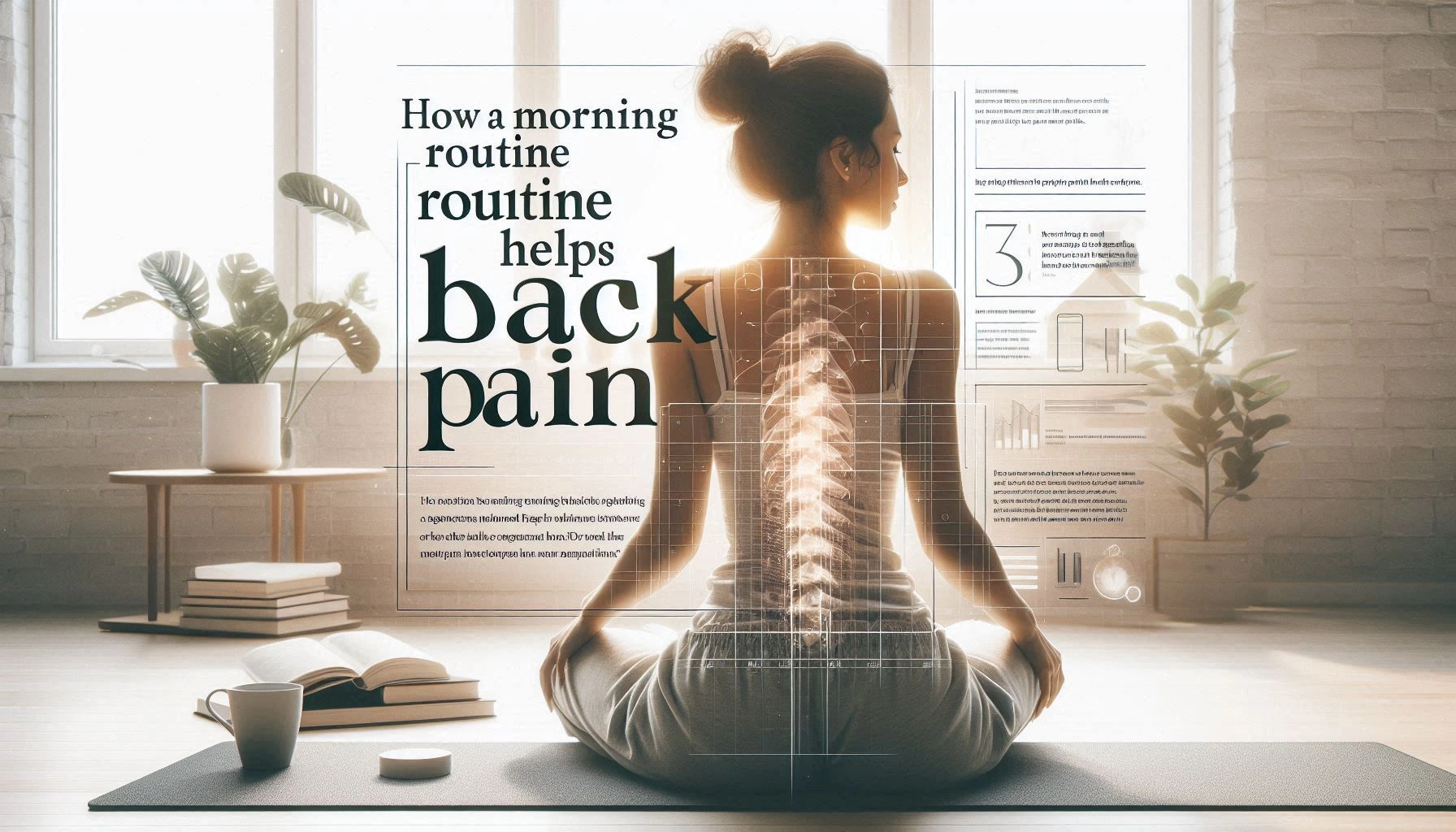
Best sleeping positions
If your back pain gets worse at night, your sleep position may be adding stress. Side sleeping with a pillow between the knees often helps keep the hips and spine aligned. Lying on your back with a pillow under the knees can also reduce lumbar pressure.
Best sitting positions
When sitting, keep both feet flat, hips supported, and your lower back gently supported. A small lumbar cushion can help maintain natural spine alignment during office work or driving.
Positions to avoid
Stomach sleeping often increases back arching and neck rotation. Deep slouching and twisting on the couch can also increase joint stress and muscle tension.
| Position | Pain Relief Benefit | Who It Helps Most |
|---|---|---|
| On back with pillow under knees | Reduces pressure on lower back | People with acute lower back pain |
| On side with pillow between knees | Improves hip and spine alignment | Side sleepers, pregnancy support, sciatica-like pain |
| Reclined sitting with lumbar support | Decreases slouching and strain | Office workers and drivers |
| Stomach sleeping | Usually increases back and neck stress | Best avoided during recovery |
Common Problems After a Back Injury and How to Fix Them
Pain gets worse at night
This often happens when the spine is not well supported. Check your mattress, pillow height, and sleep position. A pillow under or between the knees can improve pressure relief.
Pain while sitting at work
Long sitting can tighten hip muscles and increase lumbar stress. Use lumbar support, keep your screen at eye level, and stand up every 30 to 60 minutes.
Stiffness when waking up
Morning pain is common when muscles stay tense overnight. Better alignment and a more supportive sleep setup can help. Gentle walking after you get up often feels better than staying curled in bed.
Pain after exercise or lifting
If you re-injured your back after a workout, stop heavy activity. Return to exercise slowly. Focus first on walking, neutral posture, and pain-free movement.
Tingling, numbness, or pain down the leg
This may suggest nerve irritation or nerve compression. It does not always mean a severe injury, but it deserves closer attention, especially if weakness appears.
Ongoing daily discomfort
If pain keeps coming back, the issue may be more than the original injury. Posture, poor lifting habits, weak core support, and long sitting hours may all play a role.
| Problem | Likely Cause | Simple Fix |
|---|---|---|
| Worse pain at night | Poor sleep position or mattress support | Use knee pillow support and avoid stomach sleeping |
| Pain while sitting | Slouching and low lumbar support | Add lumbar cushion and take standing breaks |
| Morning stiffness | Muscle guarding and poor overnight alignment | Improve sleep setup and start with gentle walking |
| Pain after lifting | Strain or reinjury | Stop heavy lifting and return gradually |
| Shooting leg pain | Nerve irritation | Seek medical advice, especially if numbness grows |
Common Sleeping Mistakes That Cause Back Pain
- Using a pillow that pushes your neck too high or lets it drop too low
- Sleeping on your stomach with your back arched
- Letting the top leg twist forward without support
- Using a sagging mattress that bends the spine out of alignment
- Staying in one painful position too long
If you wake up with pain, the issue may not be the injury alone. It may be the way your body is supported for six to eight hours.
Common Mistakes to Avoid Right After a Back Injury
- Stretching hard too soon
- Using heat immediately when the area feels hot or newly inflamed
- Returning to lifting or workouts too early
- Sitting still for hours
- Ignoring numbness, weakness, or worsening pain
| Do | Don’t |
|---|---|
| Use ice early | Use intense heat in the first day if swelling seems active |
| Walk gently if tolerated | Stay in bed all day |
| Keep the spine supported | Slouch on a couch for hours |
| Watch for red flags | Ignore leg weakness or bladder changes |
| Ease back into activity | Test your back with heavy lifting too soon |
Ice vs Heat: What Works Best for Quick Pain Relief?
When ice is better
Ice is usually the better first choice right after a fresh back injury. It can help calm inflammation and reduce pain during the first 24 to 48 hours.
When heat is better
Heat often feels better after the early swelling phase settles down, especially when muscle tension and stiffness become the main problem. A heating pad can support muscle relaxation and comfort later in recovery.
When to avoid each
Avoid placing either one directly on bare skin. If heat makes the area throb or feel more inflamed, stop. If ice causes skin irritation or excessive discomfort, shorten the session.
| Option | Best Use | Caution |
|---|---|---|
| Ice | First 24 to 48 hours, new injury, swelling, sharp pain | Use a cloth barrier and limit sessions to 15 to 20 minutes |
| Heat | Later phase, stiffness, muscle tightness, tension | Do not use too early if swelling seems active |
You can read more about common back pain care from WebMD.
Massage vs Stretching vs Gentle Walking: Which Works Better?
Best option in the first 48 hours
Gentle walking usually wins. It supports circulation without adding too much load. Aggressive massage or deep stretching can irritate the area early on.
Best option after acute pain settles
Once the sharp phase improves, light stretching and careful massage may help muscle relaxation. Go slowly. Pain should not spike during or after the session.
When physical therapy makes more sense
If pain keeps returning, posture is a problem, or you have nerve symptoms, physical therapy is often more useful than random home exercises. A structured plan can improve posture correction, movement patterns, and recovery time.
| Option | Best Use | Caution |
|---|---|---|
| Gentle walking | Early recovery and daily stiffness | Keep it short and easy |
| Stretching | Later phase when sharp pain has eased | Avoid deep or forced stretches early |
| Massage | Muscle tightness after the acute phase | Skip intense pressure on a fresh injury |
| Physical therapy | Ongoing pain, posture issues, slower recovery | Best when guided by a professional |
Tool Recommendations That Can Make Recovery Easier
Helpful tools at a glance
| Product Type | Best Use | Ideal User |
|---|---|---|
| Reusable cold pack | Early pain and swelling control | Fresh back strain or sprain |
| Lumbar support cushion | Posture support while sitting | Office workers and drivers |
| Heating pad | Later-stage stiffness and muscle tension | People with tight, achy back muscles |
Reusable Cold Pack
Best for the first 24 to 48 hours when inflammation and sharp pain are more active.
Lumbar Support Cushion
Helpful for long sitting, office work, driving, and keeping better spine alignment during recovery.
Heating Pad
Usually better after the early swelling phase, when stiffness and muscle tension become the main issue.
Pro Tips for Faster, Safer Recovery
- Keep a simple pain log so you notice whether symptoms are improving or spreading.
- Use posture support during desk work instead of waiting until pain flares.
- Stand up and reset your position every 30 to 60 minutes.
- When driving, keep your seat close enough that you do not round forward.
- Return to workouts gradually. Start with walking and low-strain movement first.
- Expect mild strains to improve over days to weeks, not hours.
- If your pain keeps returning, ask about physical therapy and movement retraining.
FAQ
What is the first thing to do after a back injury?
Stop the activity right away. Then assess your pain, avoid twisting or lifting, and use ice for 15 to 20 minutes if the injury is fresh.
Should I use ice or heat right away?
Ice is usually the better first option during the first 24 to 48 hours. Heat is often more useful later for muscle stiffness and tension.
Can I walk after hurting my back?
Yes, short gentle walks often help if the pain is tolerable. Avoid pushing through severe pain or walking if you feel weak or unsafe.
When should I go to the ER for back pain?
Go to the ER right away if you have loss of bladder or bowel control, major leg weakness, numbness in the groin area, fever with severe back pain, or pain after a major accident or fall.
How should I sleep after a back injury?
Try sleeping on your back with a pillow under your knees or on your side with a pillow between your knees. Avoid stomach sleeping if it increases pain.
How long does a mild back strain take to heal?
Many mild strains improve within a few days to a few weeks, but recovery time varies. If pain is worsening or not improving, get medical advice.
Can bad posture make my injury worse?
Yes. Slouching, twisting, and unsupported sitting can increase muscle tension, joint stress, and pressure on irritated tissues.
Conclusion
The first hours after a back injury matter. Stop the activity, reduce inflammation, protect your spine, and stay gently mobile if you can. If symptoms are severe or include numbness, weakness, or bladder changes, get medical help right away.
I’m Andrew Collins, and my goal is to make practical health decisions easier. Start with the basics, support your posture, and use the right tools only when they match the stage of your recovery.