Written by Alex Turner · Health & Personal Care
What Is Massage Cream?
Massage cream is a topical cream made to be spread over the skin during massage. It can reduce the dry, draggy feeling that may occur when hands move across bare skin, while also leaving the skin feeling softer or more conditioned.
Unlike one fixed medical formula, massage creams come in many textures and ingredient combinations. Some are simple moisturizing creams intended mainly to improve glide. Others contain fragrance, botanical ingredients, or ingredients selected for a particular sensory experience.
How Does Massage Cream Work?
At the simplest level, the cream creates a more comfortable contact layer between the hands and skin. A dry surface can create friction and make repeated hand movements feel rough. A suitable cream adds slip while still giving the hands more control than a very fluid product may provide.
The exact experience depends on the formula. Water-based creams may feel lighter and absorb more readily. Richer formulas can remain on the skin longer and may be useful when a slower, more controlled massage is preferred. The goal is not to make the skin extremely slippery; it is to create enough glide for the intended massage technique.
Massage cream can also support ordinary skin conditioning. Moisturizing ingredients may make dry-feeling skin feel softer. However, that cosmetic effect should not be confused with treatment of an injury, muscle disorder, or other medical condition. The FDA notes that intended use and product claims matter when determining whether a topical product is considered a cosmetic or a drug.
For U.S. cosmetic information, see the FDA guidance on cosmetics, drugs, and intended use.
Routine-fit visual: where the cream fits
This sequence keeps the role of the cream simple: provide a comfortable medium for massage and, depending on the formula, add a skin-conditioning benefit.
What Are the Benefits and Limitations?
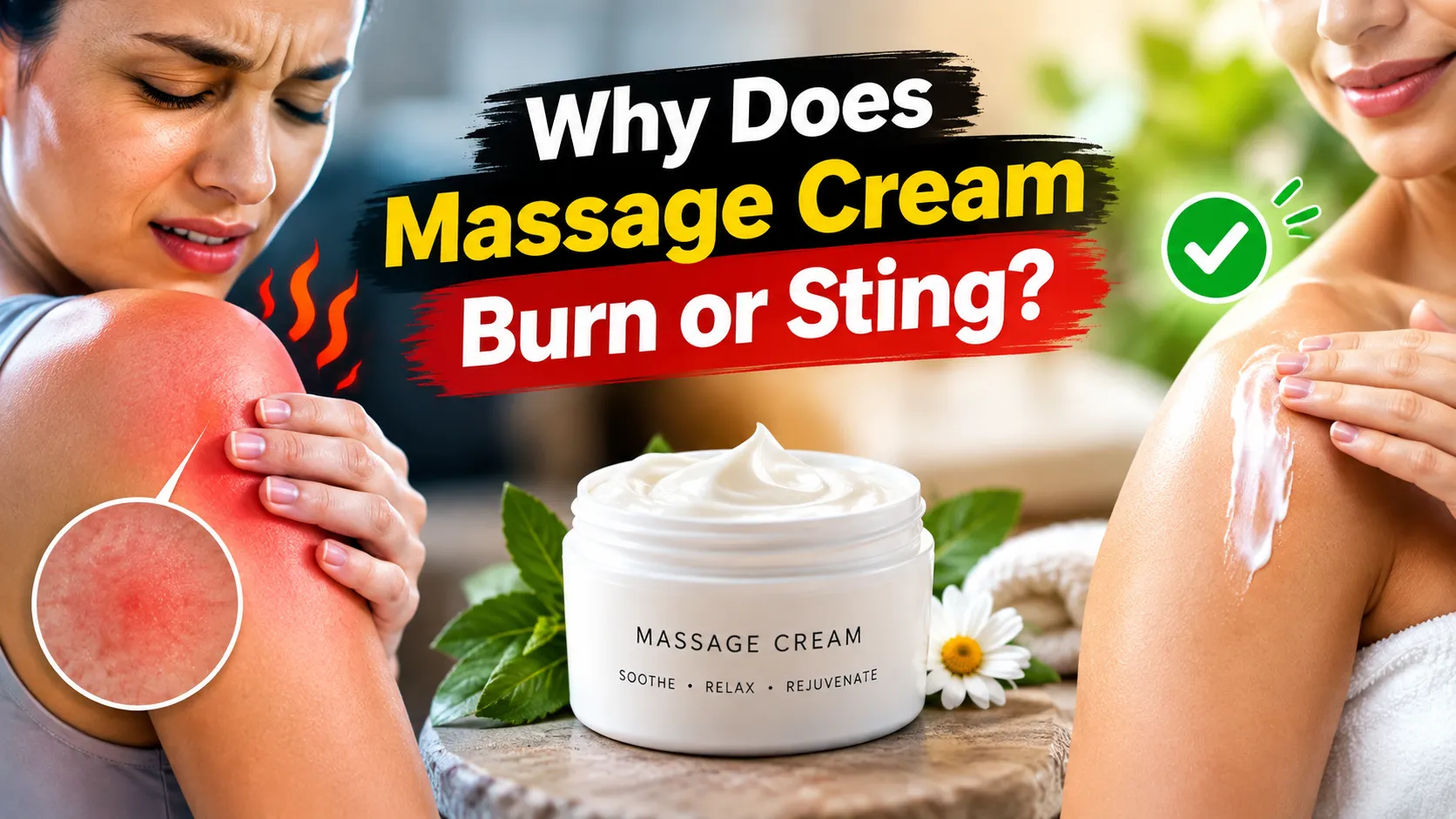
The main reason people choose cream rather than oil or lotion is texture. A cream can offer a middle ground between staying power and easy spreadability. That can be useful for people who want some glide without a highly oily finish.
Benefits vs. limitations
Swipe left/right to see the full table →
| Potential benefit | Practical limitation |
|---|---|
| Smooth hand movement | Too much cream can feel slippery |
| Skin conditioning | Formula may not suit every skin type |
| More control than thin oil | May require more product during long sessions |
| Often easy to spread | Fragrance may bother sensitive users |
What Ingredients Are Common in Massage Cream?
There is no single ingredient list that defines every cream. A typical formula may combine a water phase, oils or emollients, humectants, emulsifiers, thickeners, preservatives, and optional fragrance or botanical ingredients. The exact balance determines whether the product feels light, rich, sticky, silky, or quickly absorbed.
Ingredient map: practical guide
Water
Often forms the base of lighter cream textures.
Emollients
Help the skin feel smoother and reduce a dry feel.
Humectants
Commonly used to support skin hydration.
Fragrance
Adds scent but is not essential to massage function.
The practical lesson is to read the complete label rather than choosing a product from one highlighted ingredient. “Natural,” “botanical,” or “essential oil” wording does not automatically mean a formula will suit every person. Fragrance is also optional from a functional standpoint, so a fragrance-free formula may be worth considering if scent commonly irritates your skin.
The FDA’s fragrance guidance explains that fragrance ingredients are common in cosmetics and that product use and claims can affect regulatory classification.
Ingredient label do’s and don’ts
Swipe left/right to see the full table →
| Do | Don’t |
|---|---|
| Read the full ingredient list | Choose only by a front-label claim |
| Check fragrance if sensitive | Assume scented means more effective |
| Follow label directions | Ignore warnings or usage limits |
| Consider your skin’s needs | Assume every formula suits everyone |
Massage Cream vs. Lotion vs. Oil
These products overlap, but their textures can feel quite different. Cream is generally thicker than lotion because its formulation contains a richer combination of water and oil-based components. Oil is usually more fluid and can provide longer-lasting slip, while lotion often feels lighter and may disappear from the skin sooner.
Which texture fits the routine?
Swipe left/right to see the full table →
| Product | Typical feel | May fit when |
|---|---|---|
| Cream | Rich, controlled | Balanced glide and skin conditioning |
| Lotion | Light, quick | Shorter, lighter-feeling routines |
| Oil | Fluid, slippery | Longer-lasting glide |
Product-fit dashboard: practical guide
Choose cream
When you want a richer feel with controlled movement and some skin conditioning.
Choose lotion
When you prefer a lighter texture that feels less rich on the skin.
Choose oil
When you specifically want a fluid product with more persistent slip.
Pause and check
If the product causes burning, marked redness, swelling, or another concerning reaction.
There is no requirement that one texture work for every massage. The useful choice is the one whose texture, ingredients, and intended use fit the person’s skin and the type of routine being performed.
How to Use Massage Cream in a Simple Routine
A basic routine can stay straightforward. The aim is to use enough product for comfortable movement without covering the skin in an unnecessarily thick layer.
1
2
3
4
5
Common mistakes vs. better choices
Swipe left/right to see the full table →
| Common mistake | Better choice |
|---|---|
| Using too much at once | Begin with a small amount |
| Ignoring irritation | Stop and assess the reaction |
| Assuming “natural” means risk-free | Read the complete ingredient list |
| Using it on damaged skin | Follow label precautions and avoid unsuitable areas |
Who May Need Extra Care?
Most personal-care choices are individual, and skin tolerance can differ. Extra caution makes sense when someone has a known sensitivity to a particular ingredient, a history of reactions to fragranced products, or skin that is already irritated.
Do’s and don’ts: practical safety guide
DO
Read directions, use a suitable amount, and pay attention to how your skin responds.
DON’T
Treat a cosmetic massage cream as a substitute for evaluation of a persistent or unexplained health problem.
For products sold in the United States, the FDA explains that cosmetic claims should be truthful and not misleading, and claims involving treatment or prevention of disease can change how a product is regulated. That is one reason it is useful to distinguish a product intended for massage and skin conditioning from one marketed as treating a medical problem.
What Should You Look for on the Label?
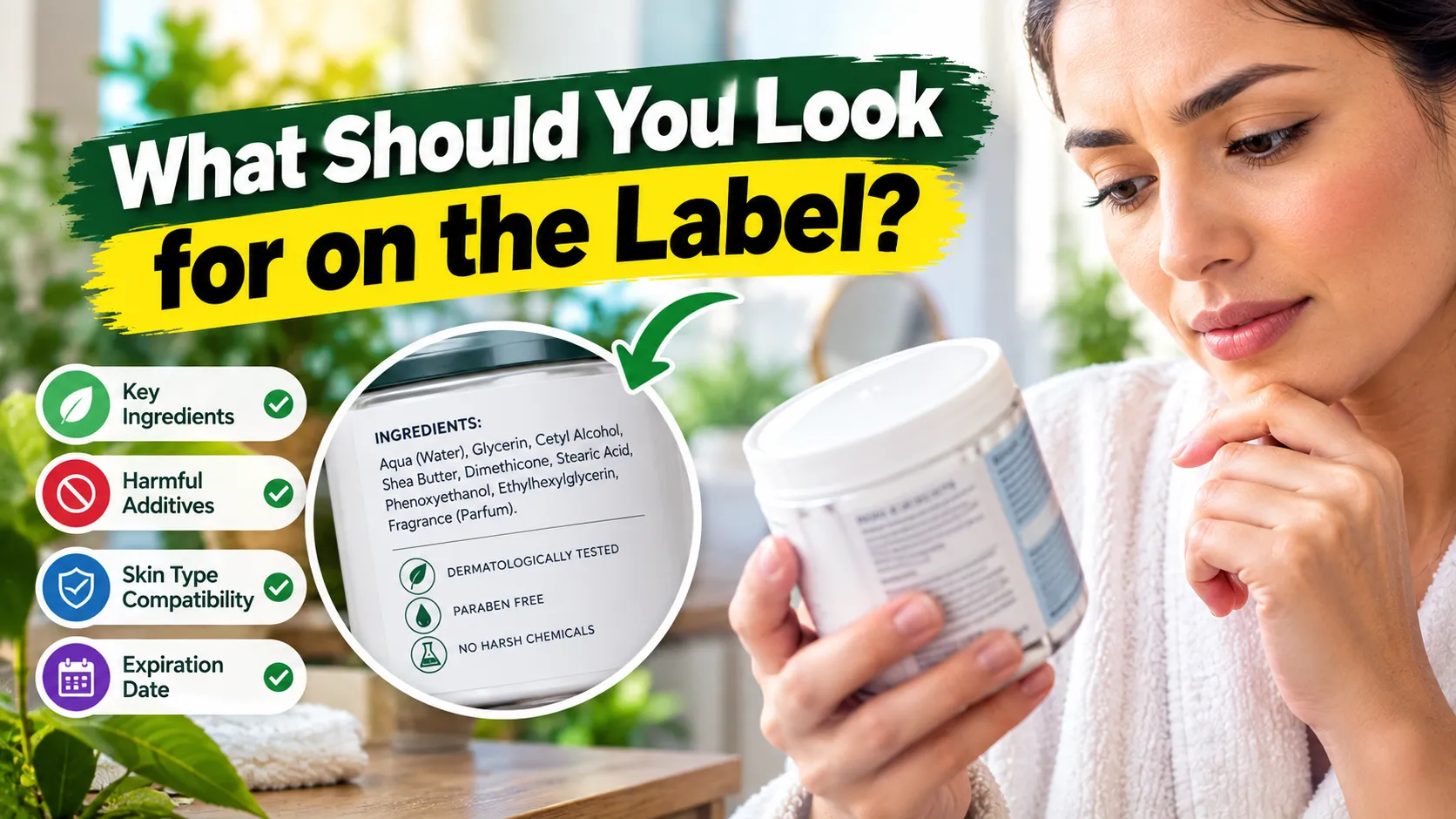
Start with the intended use, texture, and ingredient list. A good label should make it reasonably clear how the product is meant to be used. If fragrance matters to you, check whether fragrance or parfum appears in the ingredient information. If you already know that certain ingredients irritate your skin, compare the full list rather than relying on marketing language.
A simple label-reading checklist
Typical routine priority — practical guide
The percentages above are not scientific measurements. They are simply a visual reminder that intended use and ingredient compatibility deserve attention before cosmetic preferences such as scent or packaging.
Self-care vs. professional evaluation
Swipe left/right to see the full table →
| Situation | Reasonable next step |
|---|---|
| Normal skin and routine use | Follow product directions |
| Mild temporary irritation | Stop using the product and monitor |
| Persistent or worsening reaction | Talk with a healthcare professional |
| Severe symptoms, injury, weakness, numbness, or fever | Seek prompt professional medical evaluation |
Common Questions About Massage Cream
What is massage cream used for?
Is massage cream the same as massage oil?
Can massage cream moisturize the skin?
Does massage cream treat muscle pain?
Can sensitive skin use massage cream?
How much massage cream should you use?
When should I stop using massage cream?
Final Thoughts
Massage cream is best understood as a topical personal-care product that can provide massage glide and, depending on its ingredients, skin conditioning. Texture, fragrance, ingredients, and intended use all matter when deciding whether a particular formula fits your routine. If you have severe, worsening, unusual, or persistent symptoms, seek advice from a licensed healthcare professional rather than relying on a massage product alone.
Author
-

I’m Alex Turner, a massage product reviewer and wellness writer at RemedyTip. I specialize in researching, evaluating, and comparing massage and recovery products to help readers make informed purchasing decisions. My focus is on practical, evidence-informed product guidance covering muscle recovery, relaxation, everyday comfort, and wellness.
I take a research-driven approach to every product I review. I examine product specifications, features, materials, performance claims, user feedback, durability, comfort, ease of use, and overall value. When appropriate, I also consult trusted industry and health-related sources to verify important information and provide readers with a more complete and balanced view.
I cover a wide range of products, including massage guns, handheld massagers, neck and shoulder massagers, foot massagers, massage chairs, foam rollers, and other recovery tools. Rather than focusing only on marketing claims, I look at how products compare in real-world use and who they are actually suitable for. I also consider different budgets, use cases, and user needs when making recommendations.
At RemedyTip, I’m committed to accuracy, transparency, and unbiased product information. I clearly distinguish between manufacturer claims, available evidence, and my own product analysis so readers can understand the basis of each recommendation. I continuously research new products, technologies, and developments in the massage and recovery space to keep my content current and useful.
My goal is simple: to provide trustworthy, easy-to-understand information that helps readers choose massage and recovery products with greater confidence.