This guide provides a thorough understanding of what causes left shoulder pain, including injuries and medical conditions. You’ll learn effective solutions to manage and alleviate discomfort. Empower yourself with knowledge to take control of your health!
Key Takeaways
- Understanding the Anatomy: Familiarizing yourself with the shoulder’s structure helps identify pain sources.
- Common Causes: Left shoulder pain can arise from injuries, overuse, or medical conditions such as heart issues.
- Symptoms to Watch: Recognizing accompanying symptoms can assist in determining the urgency of medical attention.
- Home Remedies: Simple practices like ice application and stretching exercises can provide immediate relief.
- When to Seek Help: Knowing when to consult a doctor is crucial for diagnosing serious conditions.
- Preventive Measures: Regular exercise and posture correction can help avoid future shoulder pain.
- Therapies Available: Various treatments, from physical therapy to medication, can effectively manage pain.
Understanding What Causes Left Shoulder Pain and Its Solutions
Left shoulder pain can be a nagging discomfort that affects daily activities. This guide will take you through the various causes of left shoulder pain, how to identify them, and the solutions available for relief. By the end of this article, you will be better equipped to understand your shoulder pain and seek appropriate remedies.
1. Understanding the Anatomy of the Shoulder
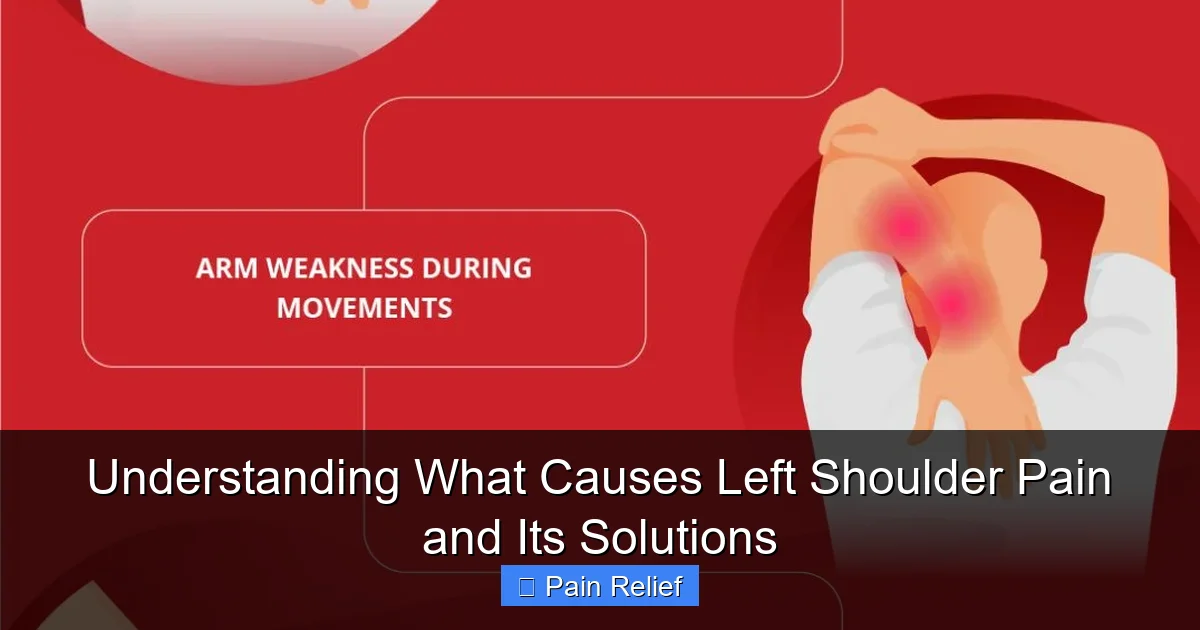
To effectively address left shoulder pain, it’s important to understand the shoulder’s anatomy. The shoulder is a complex joint comprised of bones, muscles, tendons, and ligaments. The key components include:
Visual guide about Understanding What Causes Left Shoulder Pain and Its Solutions
Image source: cellaxys.com
- Humerus: The upper arm bone that fits into the shoulder socket.
- Scapula: The shoulder blade that connects the humerus to the collarbone.
- Clavicle: The collarbone that provides structural support.
- Rotator Cuff: A group of muscles and tendons that stabilize the shoulder.
Any injury or condition affecting these components can lead to pain, especially on the left side. Understanding these structures can help pinpoint the pain’s origin.
2. Common Causes of Left Shoulder Pain
There are several reasons why you might experience left shoulder pain. Here are some of the most common:
Visual guide about Understanding What Causes Left Shoulder Pain and Its Solutions
Image source: familyweal.com
2.1 Rotator Cuff Injury
A rotator cuff injury can cause pain when lifting the arm or performing overhead activities. This injury can occur due to tears or inflammation.
2.2 Tendonitis
Tendonitis is the inflammation of the shoulder tendons, often resulting from repetitive motions. It can lead to chronic pain if not addressed.
2.3 Bursitis
Bursitis occurs when the bursa (a fluid-filled sac) becomes inflamed. This can cause pain during movement and is often a result of overuse.
2.4 Frozen Shoulder
Frozen shoulder, or adhesive capsulitis, restricts movement and can lead to severe pain. It usually develops slowly and often affects women more than men.
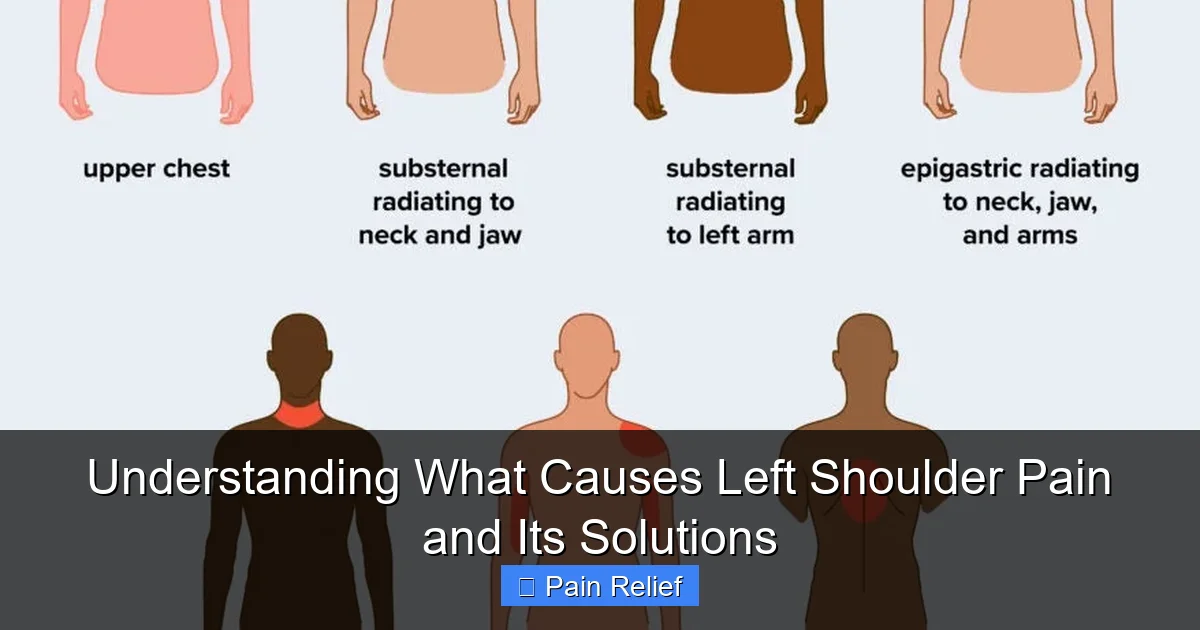
2.5 Heart Issues
Sometimes, left shoulder pain can signal a heart attack or other cardiac conditions. If the pain is accompanied by chest pain, shortness of breath, or sweating, seek immediate medical attention.
2.6 Cervical Radiculopathy
This occurs when a nerve in the neck is compressed, causing pain that radiates to the shoulder. It may also cause numbness or tingling in the arm.
3. Recognizing Symptoms
Being aware of the symptoms accompanying left shoulder pain is crucial for effective treatment. Common symptoms to watch for include:

Visual guide about Understanding What Causes Left Shoulder Pain and Its Solutions
Image source: southsherbrook.com
- Sharp or dull pain in the shoulder or arm
- Limited range of motion when lifting or reaching
- Swelling or tenderness in the affected area
- Numbness or tingling in the arm or hand
- Pain that worsens at night or during certain activities
If you experience any of these symptoms, particularly alongside severe discomfort, consider seeking medical advice.
4. Home Remedies for Immediate Relief
For mild left shoulder pain, several home remedies can provide immediate relief:
4.1 Ice Application
Apply ice to the affected area for 15-20 minutes every few hours. This can reduce swelling and numb the pain.
4.2 Gentle Stretching
Incorporate gentle stretching exercises to improve flexibility and reduce stiffness. Simple stretches can ease tension.
4.3 Over-the-Counter Pain Relief
Non-steroidal anti-inflammatory drugs (NSAIDs) like ibuprofen can help manage pain and reduce inflammation.
4.4 Posture Correction
Be mindful of your posture, especially if you sit for long periods. Maintaining proper posture can alleviate strain on the shoulder.
4.5 Heat Therapy
After 48 hours, consider applying heat (like a warm towel) to relax tight muscles and improve blood flow.
5. When to Seek Medical Help
While many cases of left shoulder pain can be managed at home, it’s essential to recognize when to consult a healthcare professional:
- If pain persists for more than a few days without improvement
- If you experience severe pain that disrupts daily activities
- If there’s noticeable swelling or bruising
- If you have difficulty moving your arm
- If pain radiates to the neck, back, or jaw
6. Preventive Measures
Taking steps to prevent left shoulder pain can save you from discomfort in the future. Consider the following:
6.1 Regular Exercise
Engaging in regular physical activity, especially shoulder-strengthening exercises, can help maintain flexibility and strength.
6.2 Ergonomic Adjustments
Adjust your workspace to promote good posture. Use chairs with proper back support and keep your computer screen at eye level.
6.3 Warm-Up Before Activities
Always warm up before engaging in physical activities or sports. This helps prepare your muscles and reduces the risk of injury.
6.4 Take Breaks
If your work involves repetitive shoulder movements, take regular breaks to prevent overuse injuries.
7. Available Therapies
If home remedies are insufficient, various therapies can help manage left shoulder pain:
7.1 Physical Therapy
A physical therapist can design a tailored exercise program to strengthen the shoulder and improve mobility.
7.2 Medication
Prescription medications may be necessary for chronic pain management. Always consult a healthcare provider before taking any medication.
7.3 Injections
Corticosteroid injections can help reduce inflammation and provide temporary pain relief.
7.4 Surgery
In severe cases, surgical intervention may be required to repair damaged structures in the shoulder.
Conclusion
Understanding what causes left shoulder pain is essential for effective management and relief. By recognizing the symptoms, trying home remedies, and knowing when to seek medical help, you can take control of your health. Additionally, implementing preventive measures and exploring available therapies will help you maintain shoulder health in the long run. Don’t let shoulder pain limit your life—empower yourself with knowledge and take action!
🎥 Related Video: Four Common Types of Shoulder Pain and Options for Treatment
📺 Milford Regional Medical Center
Shoulder pain can significantly impact a person’s mobility, but not all pain is equal. Michael A. Vazquez, MD, discusses four …