By Ryan Mitchell | Wellness & Relaxation
Quick Answer: Punching bags for stress relief may provide a structured way to move, focus, and take a break from daily pressure. Start with light, controlled movements, use suitable protective equipment, and stop if you feel pain or dizziness. A punching bag is one option, not a guaranteed solution for stress.
A calmer approach to movement
Make Your Workout a Mindful Break
Stress can build during busy workdays, school deadlines, family responsibilities, and unexpected changes. Sometimes, sitting still and thinking through every worry does not feel helpful. A short movement break can offer a different way to direct your attention.
A punching bag provides a clear activity: maintain your balance, move your feet, coordinate your hands, and pay attention to your breathing. The goal is not to hit harder or exhaust yourself. It is to practise controlled movement in a safe setting.
Health and safety disclaimer
This article is for general educational information only. It does not diagnose, treat, cure, or prevent any condition. It does not replace advice from a licensed healthcare professional. Readers should seek professional help for severe, worsening, unusual, or persistent symptoms.
Why Movement May Help You Manage Stress
Stress can affect attention, sleep, mood, and the way your body feels. You might notice tense shoulders, restlessness, racing thoughts, or difficulty concentrating after a demanding day. These experiences have many possible causes, so no single activity works for everyone.
Movement can be a useful part of a balanced stress-management routine. A bag workout combines physical activity with a task that requires attention. Following a simple movement pattern may give you a temporary break from repetitive thoughts while encouraging you to focus on what you are doing.
Some people also enjoy having a clear beginning and end to a workout. Putting on gloves, checking the space, completing a few controlled rounds, and cooling down can create a predictable routine. Predictability may make it easier to take a break when everything else feels busy.
However, punching a bag is not a proven solution for every form of stress. It should not replace sleep, supportive relationships, problem-solving, or professional help when needed. If striking movements make you feel more agitated rather than calmer, choose a different activity.
How to Use a Punching Bag as a Stress-Relief Activity
If you are considering punching bags for stress relief, treat the session as a controlled movement break rather than a test of strength. Beginners can start without complicated combinations or intense training.
1. Prepare a Safe Space
Choose a clear, well-lit area with enough room to move without hitting furniture, walls, pets, or other people. Check that the bag and its mounting system are secure according to the manufacturer’s instructions. Do not use a damaged bag or unstable stand.
2. Choose Appropriate Protection
Use boxing gloves and suitable hand wraps when recommended for your equipment and activity. Learn how to put them on correctly. Gloves do not make forceful or poorly aligned punches risk-free, so keep your movements controlled and consider beginner instruction.
3. Begin With Gentle Movement
Start with comfortable walking in place, shoulder movements, and gentle arm motions. Stand with a balanced posture, keep your wrists aligned, and practise slow, controlled movements. If you do not know proper punching technique, seek instruction before striking the bag.
4. Keep the Session Manageable
Try a brief period of light activity followed by a rest. Focus on coordination, steady breathing, and comfortable movement rather than the number or power of your punches. Take additional breaks whenever you need them.
5. Finish With a Cooldown
Slow down, walk gently, and allow your breathing to return toward normal. Notice how you feel afterward. If you feel more settled, the activity may be worth keeping in your routine. If you feel worse, switch to a calmer option.
The following visual shows one practical way to organise a short session. It is a flexible guide, not a required training plan.
A simple movement-break flow
Check the space and equipment
Warm up with gentle movement
Practise controlled movement and rest as needed
Cool down and check how you feel
Keep the routine flexible. You can stop after the warm-up or choose a gentle walk instead. The important part is making a safe choice that suits your energy and comfort that day.
Choosing Equipment for Your Space and Experience
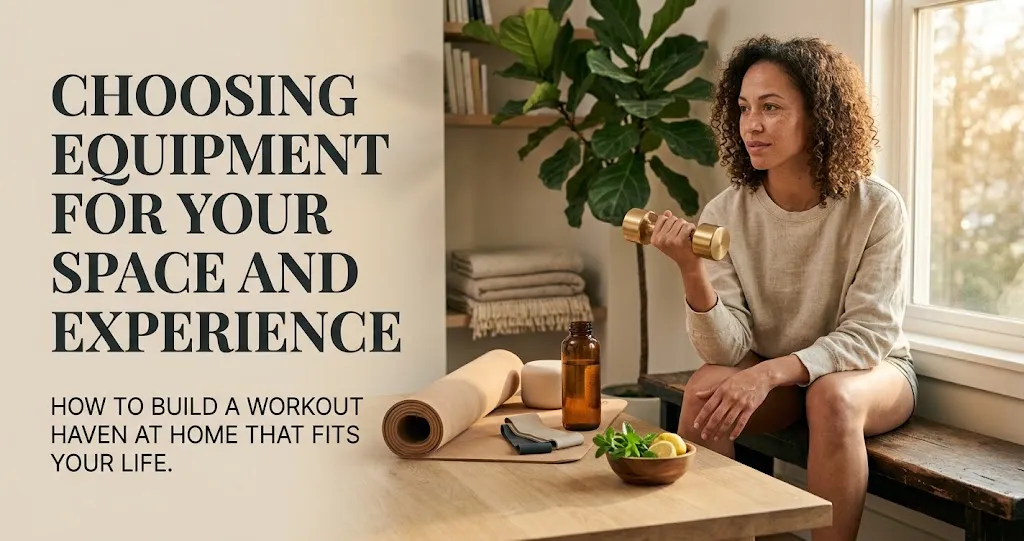
You do not need an elaborate home gym to explore a movement-based stress break. The right equipment depends on available space, your experience, your budget, and whether you want to learn boxing skills or simply try a different kind of physical activity.
Equipment options at a glance
Use this table to compare common choices before buying anything. Product suitability varies, and no equipment guarantees a particular emotional benefit.
Swipe left/right to see the full table →
| Option | May suit | Considerations |
|---|---|---|
| Freestanding bag | People avoiding ceiling mounts | Check stability and floor space |
| Hanging heavy bag | People with suitable installation space | Requires a properly rated support |
| Light boxing pads | Supervised skill practice | Requires a trained partner or instructor |
| No striking equipment | Small spaces and beginners | Walking and gentle movement remain options |
Start with the least complicated option that fits your needs. If you are unsure about installation, technique, or protective equipment, ask a qualified boxing instructor or the equipment manufacturer before using a bag.
What to Look for in a Beginner-Friendly Setup
When comparing punching bags for stress relief, consider more than price or appearance. Stability, suitable impact resistance, correct installation, and enough room to move are important practical factors.
A bag that swings unpredictably or shifts on the floor may make it harder to practise controlled movements. A bag that is too firm for your experience can also make poor technique uncomfortable. Follow the manufacturer’s guidance on use, weight limits, maintenance, and compatible accessories.
Match the setup to your needs
Swipe left/right to see the full table →
| What matters | What to check | Why it matters |
|---|---|---|
| Stability | Secure base or mount | Helps limit unexpected movement |
| Fit | Appropriate height and firmness | Supports comfortable practice |
| Protection | Gloves and hand-wrap guidance | Encourages safer preparation |
| Room | Clear movement area | Reduces collision hazards |
Common Mistakes and Better Choices
Stress can make it tempting to rush through an activity or turn it into an outlet for intense frustration. A safer routine focuses on control, awareness, and the ability to stop at any time.
Swipe left/right to see the full table →
| Avoid this | Choose instead | Reason |
|---|---|---|
| Hitting as hard as possible | Controlled technique | Reduces unnecessary impact |
| Skipping preparation | Gentle warm-up | Helps you begin gradually |
| Ignoring discomfort | Stop and reassess | Pain is not a training goal |
| Expecting instant calm | Assess your response over time | Responses differ between people |
How Long Should a Stress-Relief Session Last?
There is no single session length that guarantees stress relief. Your experience, general fitness, technique, available time, and comfort all matter. Start with a short, easy session and stop while you still feel in control.
The table below is a practical guide for organising your time, not a medical prescription or a requirement to complete every stage.
Swipe left/right to see the full table →
| Stage | Focus | Adjustment |
|---|---|---|
| Preparation | Check space and warm up | Move at an easy pace |
| Main activity | Practise controlled movements | Rest whenever needed |
| Cooldown | Gentle walking and breathing | Slow down gradually |
| Reflection | Notice your mood and comfort | Choose what feels appropriate next time |
Other Ways to Build a Calmer Routine
Punching bags for stress relief are not the only way to take a movement break. Some people enjoy more vigorous activity, while others prefer a quiet routine that does not involve striking anything.
Think of stress management as a collection of options rather than a single activity. The best choice is one that feels manageable, fits your circumstances, and does not create additional physical or emotional strain.
Practical priority guide
Comfort and safety
First priority: choose a safe, comfortable activity.
Manageable effort
Practical guide: start gently and adjust to your ability.
Consistency
Practical guide: choose a routine you can comfortably repeat.
Intensity
Practical guide: more intensity is not automatically better.
These bars represent general planning priorities, not scientific measurements. Safety and comfort should guide your decisions before intensity or performance.
Choose an activity that fits the moment
If you want movement
Try gentle walking, comfortable mobility exercises, or controlled bag practice if you have suitable equipment and technique.
If you want quiet
Try slow, comfortable breathing, relaxing music, or a brief break in a calm environment.
If you want connection
Talk with a trusted friend, family member, counsellor, or another supportive person.
If stress persists
Consider speaking with a qualified mental health professional about ongoing distress and practical support.
The purpose is not to force yourself to feel calm immediately. It is to find an appropriate next step, whether that means moving, resting, talking, or asking for help.
Safer Habits During and After a Session
Use these basic habits whenever you exercise with a punching bag. They are especially important if you are new to boxing-style movements or returning after a long break.
Do’s and don’ts checklist
DO
- Check equipment before use.
- Use suitable protective gear.
- Learn proper technique.
- Rest when needed.
- Stop if something feels wrong.
DON’T
- Strike with uncontrolled force.
- Use damaged or unstable equipment.
- Ignore pain or dizziness.
- Train in a cluttered space.
- Use exercise to punish yourself.
Stay hydrated and wear clothing that allows comfortable movement. Avoid exercising when impaired by alcohol or other substances. If you have a health condition, an existing injury, or concerns about whether vigorous activity is appropriate for you, ask a healthcare professional for individual guidance before starting.
When to Stop and Seek Help
Not every uncomfortable feeling during a workout is ordinary tiredness. Stop the activity if you experience pain, dizziness, unusual shortness of breath, or a sudden change in how you feel. Do not restart simply to finish a planned session.
Seek urgent medical help for severe or sudden symptoms, chest pain, significant breathing difficulty, new weakness or numbness, a serious injury, or loss of bladder or bowel control. Fever accompanied by concerning symptoms also deserves prompt medical assessment. Do not assume that these problems are caused by stress.
A simple safety decision path
Yes
Continue only with controlled activity, suitable equipment, and breaks as needed.
No
Stop, move to a safe place, and assess what support you need.
Severe or urgent symptoms?
Seek urgent medical help rather than trying to exercise through them.
For ongoing stress that disrupts daily life, sleep, relationships, or school or work responsibilities, consider speaking with a qualified mental health professional. You do not need to wait until distress becomes overwhelming to ask for help.
When to contact a professional
Contact a healthcare professional if pain, unusual symptoms, or exercise-related discomfort persists or worsens. Seek support from a mental health professional if stress feels unmanageable, keeps returning, or interferes with everyday life. For urgent physical symptoms or immediate danger, seek emergency assistance.
Frequently Asked Questions
Can punching bags for stress relief help me feel calmer?
They may offer a structured movement break and help some people redirect their attention. Individual responses vary, and a bag is not a substitute for professional support when needed.
Is a punching bag suitable for beginners?
It can be an option if the equipment is stable and you learn appropriate technique. Start gently, use suitable protection, and consider instruction before striking a bag.
Do I need a heavy bag to manage stress?
No. Walking, gentle shadowboxing, mobility exercises, and other comfortable activities can also provide a movement break without a heavy bag.
How often should I use a punching bag for stress?
There is no universal schedule for stress relief. Choose a manageable routine that fits your fitness, recovery, and comfort, and take rest days when needed.
Can hitting a bag make stress or anger worse?
Yes, some people may feel more agitated during or after striking activities. If that happens, stop and try a calmer alternative, such as walking, comfortable breathing, or talking with someone supportive.
What protective equipment should I use?
Use appropriate boxing gloves and hand wraps when recommended, and learn how to fit them correctly. Protective gear does not remove the risk of injury from poor technique or excessive force.
When should I avoid a bag workout?
Avoid it when equipment or surroundings are unsafe, you cannot use suitable technique, or you have symptoms or an injury that make exercise inappropriate. Ask a healthcare professional about activity restrictions when necessary.
Final Thoughts
Punching bags for stress relief may be one way to add purposeful movement to your day, provided you use appropriate equipment and keep the activity controlled. Start gently, pay attention to your physical and emotional response, and choose a different activity if striking does not help you feel better. Seek professional support when stress or physical symptoms are severe, worsening, unusual, persistent, or interfering with daily life.
Author
-

Hi, I’m Ryan Mitchell, a wellness and relaxation writer at RemedyTip.com, where I focus on helping readers better understand stress management, relaxation techniques, mindfulness, sleep improvement, and everyday wellness habits. I have developed a strong knowledge of the Wellness & Relaxation field through sustained learning, in-depth research, and a continued commitment to exploring practical approaches to well-being.
My work focuses on researching wellness topics, examining available evidence, and turning complex information into clear, accessible, and actionable guidance. I’m continually exploring new findings, relaxation practices, and lifestyle strategies to help readers make informed decisions about their daily wellness routines. At RemedyTip.com, my goal is to share trustworthy, research-informed content that encourages healthier habits, greater relaxation, and a more balanced lifestyle.