
By Ryan Mitchell
Last updated: October 27, 2026
Quick Answer
Some research suggests ashwagandha root extracts may modestly lower stress and anxiety scores in stressed adults over several weeks. Evidence is limited, mostly short-term, and it is not a treatment for anxiety disorders. Talk with a healthcare professional before use.
Many people searching “does ashwagandha reduce anxiety” want a clear, practical answer without hype. Ashwagandha (Withania somnifera) is an adaptogenic herb long used in traditional systems and now widely sold as a dietary supplement. Modern trials explore whether standardized extracts can ease everyday stress feelings or measured anxiety scores. The picture is cautiously promising for some users and incomplete for others.
This article summarizes what controlled studies and major review sources currently indicate, explains realistic expectations, outlines safety considerations, and points to practical next steps. It does not diagnose, treat, or replace professional care.
Key Takeaways
- Meta-analyses of small trials report lower stress and anxiety scores with ashwagandha versus placebo in many (but not all) studies.
- Most evidence comes from short-term use (typically 6–12 weeks) in stressed but otherwise healthy adults.
- Safety data support short-term use for many healthy adults; pregnancy, thyroid conditions, liver concerns, and certain medications require professional guidance first.
- It is not a substitute for evidence-based care of diagnosed anxiety disorders.
What Ashwagandha Is and Why People Try It for Anxiety
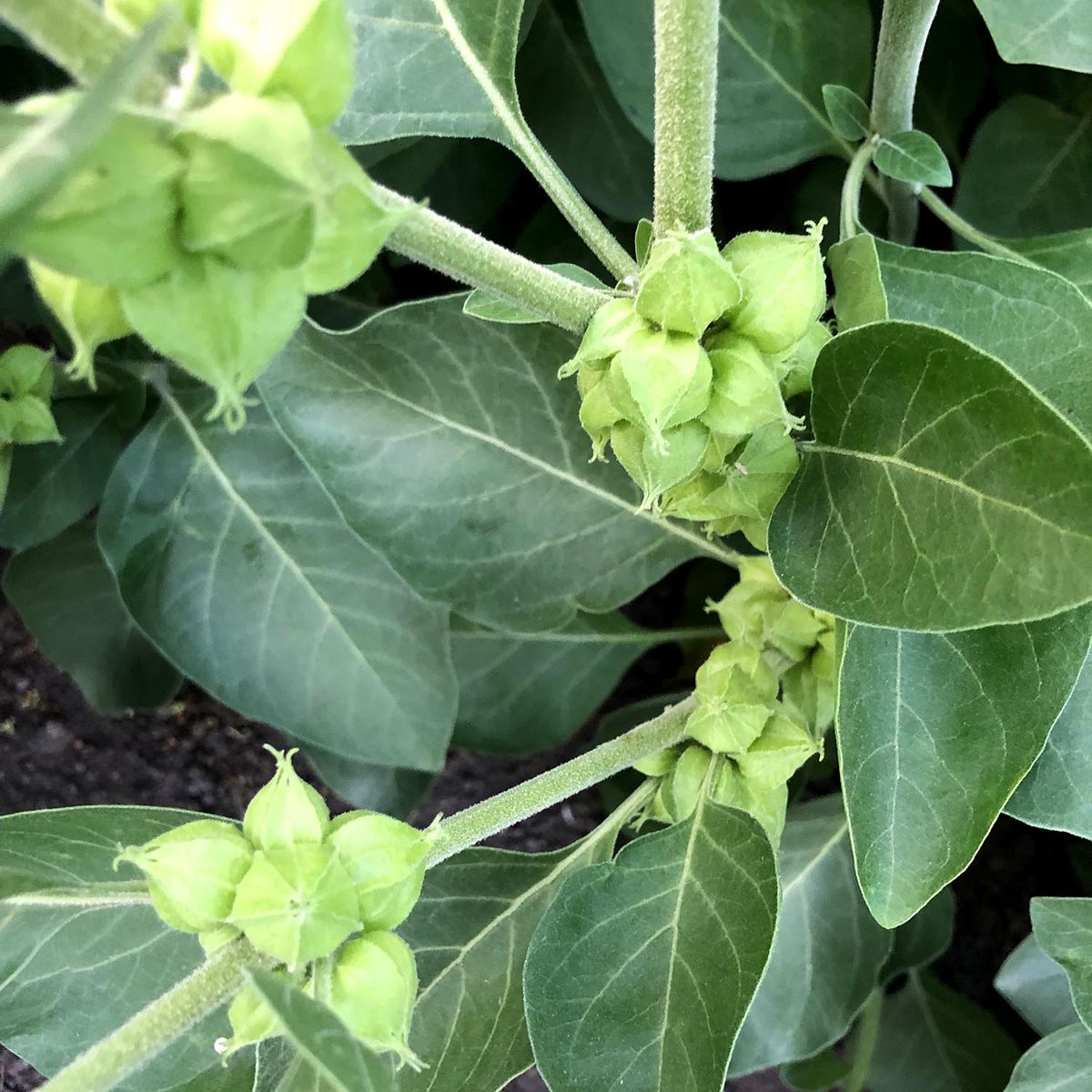
Ashwagandha is a small evergreen shrub native to parts of India, the Middle East, and Africa. The root (and sometimes leaf) is used. Supplements usually contain concentrated extracts standardized to compounds called withanolides. Marketers often position it as an adaptogen—something that may help the body respond to physical or psychological stress.
People reach for it hoping for calmer days, better sleep under stress, or milder everyday worry. The question is whether controlled research supports those hopes for anxiety specifically.
Illustrative Decision Path: Is Ashwagandha Worth Considering?
Everyday stress
Mild-to-moderate ongoing tension; open to short trial after checking with a clinician.
Diagnosed anxiety disorder
Work with a licensed mental-health professional first; do not replace prescribed care.
Pregnancy, thyroid, liver, or meds
Generally avoid or seek individualized medical advice before any use.
What Research Suggests About Anxiety and Stress
Multiple randomized trials and meta-analyses have examined ashwagandha extracts. Results often show greater reductions in perceived stress scales and some anxiety rating scales compared with placebo. Certainty is frequently rated low to moderate because trials are relatively small, methods vary, and results are not uniform.
Major complementary-medicine sources note clearer signals for stress and sleep than for anxiety as a formal diagnosis. Effects, when present, tend to appear over weeks rather than days. Most participants in these studies were adults with elevated stress scores rather than people meeting full criteria for clinical anxiety disorders.
Summary of Typical Study Findings
The table below groups common patterns reported across reviews of randomized trials. It is illustrative of the literature direction, not a guarantee of individual results.
| Outcome Area | General Direction in Reviews | Important Caveats |
|---|---|---|
| Perceived stress | Often lower scores vs placebo | Short duration; healthy stressed adults common |
| Anxiety rating scales | Many trials show modest reductions | Heterogeneity high; certainty often low |
| Cortisol measures | Some studies report declines | Not all trials measure or find the same effect |
| Sleep under stress | Supportive signals in several trials | Secondary outcome in many designs |
Interpretation: A positive group average does not mean every person improves, and improvements are usually modest.
Evidence Strength Snapshot (Illustrative)
Anxiety scales: mixed/low certainty
Long-term data: limited
Clinical anxiety disorders: insufficient
This is a visual summary of the overall research landscape, not a scoring system from any single agency.
How Ashwagandha Is Thought to Act
Researchers have explored effects on the body’s stress-response system (including the hypothalamic-pituitary-adrenal axis and cortisol) and possible calming or anti-inflammatory pathways. These are proposed mechanisms, not proven explanations for every observed score change. Individual response varies with extract type, dose, duration, baseline stress level, and other lifestyle factors.
Forms, Doses Used in Studies, and Practical Notes
Trials most often used root extracts, sometimes standardized (for example to withanolides or proprietary extracts such as KSM-66). Daily amounts in research commonly fell in the low-to-mid hundreds of milligrams of extract, taken for several weeks. Whole-root powders and higher amounts appear in fewer studies. Always follow the product label and discuss personal suitability with a clinician or pharmacist—especially if you take other medicines.
Common Supplement Forms Compared
Choice depends on preference, standardization, and tolerance rather than a universal “best.”
| Form | Typical Use Context | Points to Check |
|---|---|---|
| Standardized root extract capsules | Most common in trials | Withanolide content, third-party testing |
| Full-spectrum root powder | Traditional-style use | Serving size consistency, taste |
| Gummies or flavored formats | Convenience | Actual extract amount per serving, added sugars |
| Liquid extracts | Flexible dosing | Alcohol content if relevant, storage |
Preparation Checklist Before Starting
- Review your full medication and supplement list with a pharmacist or clinician.
- Confirm no pregnancy plans, active thyroid disorder, or known liver issues without clearance.
- Choose a product with clear extract details and, ideally, independent testing.
- Plan a defined trial window (for example several weeks) and note how you feel.
- Stop and seek care if new or worsening symptoms appear.
If you decide to explore products, look for transparent labeling. You can browse current options such as standardized ashwagandha extracts on Amazon and compare details yourself: ashwagandha KSM-66 extracts or broader organic root extracts. Check the manufacturer’s current specifications; formulations change.

Safety, Side Effects, and Who Should Be Cautious
Short-term use (up to about three months) appears generally well tolerated by many healthy adults in research settings. Common mild effects can include stomach upset, loose stools, nausea, or drowsiness. Rare reports have linked ashwagandha supplements to liver injury. Long-term safety data remain limited.
Authoritative sources advise avoiding ashwagandha during pregnancy and while breastfeeding. It is not recommended for people with certain thyroid or autoimmune conditions, those about to undergo surgery, or individuals with hormone-sensitive prostate concerns, without specific medical advice. Potential interactions exist with thyroid medications, diabetes or blood-pressure medicines, sedatives, anticonvulsants, and immunosuppressants.
Safety Note
If you are pregnant, planning pregnancy, breastfeeding, managing a thyroid or autoimmune condition, have liver concerns, take prescription medicines, or have a diagnosed anxiety or other mental-health condition, speak with a qualified healthcare professional before using ashwagandha. This is especially important for personalized risk assessment.
Who May Need Extra Caution
| Situation | Practical Guidance |
|---|---|
| Pregnancy or breastfeeding | Avoid; seek professional advice |
| Thyroid disorders | Discuss with clinician first |
| Autoimmune conditions | Generally not recommended without guidance |
| Liver disease history | Exercise caution; professional input needed |
| Upcoming surgery | Stop well in advance as advised |
| Multiple medications | Check interactions with pharmacist |
Suitable-Use vs. Avoid-Use Cards
More likely appropriate to discuss
Healthy adult with everyday stress, no conflicting conditions or meds, willing to use short-term and monitor.
Generally avoid or get clearance first
Pregnancy, breastfeeding, thyroid or autoimmune disease, liver concerns, hormone-sensitive prostate issues, complex medication regimens.
Common Side Effects vs. When to Stop
| Possible Effect | Usual Pattern | Action |
|---|---|---|
| Mild digestive upset | Occasional in some users | Take with food; reassess if persistent |
| Drowsiness | Reported by some | Avoid driving if affected; discuss timing |
| Unusual fatigue, yellowing skin/eyes, dark urine | Rare but serious concern | Stop and seek medical care promptly |
Realistic Expectations and Complementary Approaches
Even when group averages improve, individual results differ. Ashwagandha is not a rapid fix and is not a replacement for therapy, prescribed medication, or lifestyle foundations such as sleep, movement, social support, and stress skills. Some readers find value in pairing short-term supplement trials with non-pharmacological habits.
For pregnancy-related stress questions, see related guidance on safe stress-relief approaches during pregnancy. Everyday physical tension can also respond to gentle routines described in our wellness massage at home guide.
Simple Routine Layering Ideas
Morning
Light movement + consistent wake time
Midday
Short breathing break or walk
Evening
Screen wind-down + calm activity
When Professional Support Is the Better Next Step
| Sign | Suggested Direction |
|---|---|
| Anxiety interferes with work, relationships, or sleep for weeks | Contact a primary-care or mental-health clinician |
| Panic attacks, persistent worry, or depressive symptoms | Seek evaluation rather than self-treating with supplements |
| Thoughts of self-harm | Seek emergency or crisis support immediately |
Troubleshooting Decision Tree (Practical)
Tried a short course and felt nothing? Revisit dose, extract quality, sleep, and concurrent stressors; consider professional assessment.
Felt mildly better but side effects appeared? Pause, document symptoms, and discuss with a clinician.
Symptoms worsening? Stop the supplement and obtain medical or mental-health care without delay.
Frequently Asked Questions
Does ashwagandha work for anxiety disorders?
Most positive trial data involve stressed adults rather than people with formally diagnosed anxiety disorders. It is not established as a treatment for clinical anxiety and should not replace professional care.
How long does it take to notice any effect?
In studies that reported benefits, changes were typically measured after several weeks of consistent use, not after a single dose.
Is ashwagandha safe every day?
Short-term daily use has been studied in many trials. Long-term daily safety is less well documented. Follow product guidance and professional advice for your situation.
Can I take it with anxiety medication?
Possible interactions exist, including with sedatives. Always ask your prescribing clinician or pharmacist before combining.
What dose was used in research?
Many trials used root extracts in the approximate range of a few hundred milligrams daily. Exact amounts and extract types varied. Do not self-dose from research averages without professional input.
Are there drug-free ways to support calm?
Yes. Consistent sleep, regular movement, breathing practices, social connection, and professional therapy when needed form the foundation for most people. Supplements are optional add-ons at best.
Final Thoughts
Some research indicates ashwagandha extracts may help certain adults feel less stressed and score lower on anxiety measures over weeks of use. The evidence is encouraging in places yet limited by study size, duration, and variability. It is not a cure, not proven for clinical anxiety disorders, and not appropriate for everyone.
If you are considering it, start with a conversation with a healthcare professional, choose transparent products, use it as one small piece of a broader approach, and prioritize safety. Calm is built from many habits; a single supplement is only one possible tool among many.

