
By Ryan Mitchell
Last updated: October 24, 2026
As an Amazon Associate, we earn from qualifying purchases.
Quick Answer
Evening screen light, especially blue wavelengths from phones, tablets, and computers, can suppress melatonin and delay your circadian clock. This may make it harder to fall asleep and shift sleep timing later. Reducing brightness, using warmer display settings, or limiting screens in the hour or two before bed can help many people protect their natural rhythm.
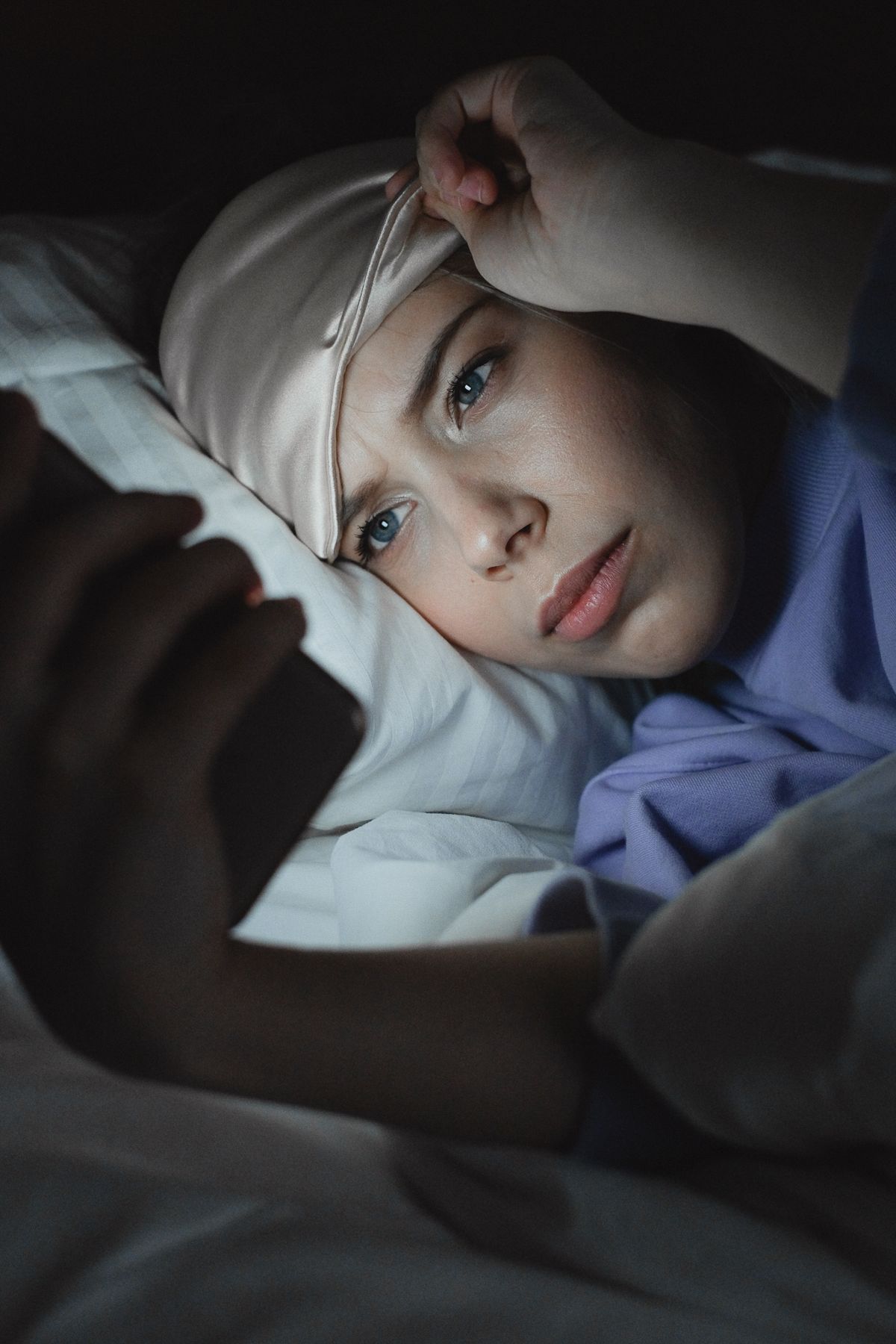
Your body runs on a roughly 24-hour internal clock called the circadian rhythm. Light is its strongest daily cue. When bright or blue-rich light reaches special cells in the eye after sunset, the brain receives a “daytime” signal. Screens deliver exactly that kind of light at the worst possible time for many of us.
This article explains the basic biology in plain language, shows why timing and spectrum matter more than total hours, and offers practical, realistic ways to reduce the impact without abandoning modern life. It is not medical advice. If sleep problems are severe or long-lasting, talk with a qualified healthcare professional.
Key Takeaways
- Blue-rich light in the evening can suppress melatonin and delay the circadian clock.
- Timing and brightness usually matter more than total daily screen minutes.
- Simple habits—dimmer screens, warmer tones, earlier cutoffs—help many people.
- Individual sensitivity varies; consistency and morning light also support a steady rhythm.
What Is the Circadian Rhythm and Why Light Matters
The circadian rhythm is a built-in timing system that coordinates sleep, hormone release, body temperature, and many other processes across roughly 24 hours. A small cluster of cells in the brain (the suprachiasmatic nucleus) acts as the master clock. It stays aligned with the outside world mainly through light signals arriving from the eyes.
Specialized cells in the retina contain a pigment called melanopsin. These cells are especially sensitive to short-wavelength light in the blue range (roughly 450–480 nm). When they detect that light, they send a strong “it is daytime” message that can suppress the rise of melatonin, the hormone that helps prepare the body for sleep.
In natural conditions, daylight keeps the clock on schedule and evening darkness allows melatonin to rise. Artificial light after sunset, particularly from LED screens, can interrupt that sequence.
How Screen Light Interferes With the Clock
Modern screens emit a spectrum that includes a strong blue component. Even moderate brightness held close to the face for an hour or more in the evening can reduce melatonin levels and push the timing of the clock later. Controlled studies comparing light-emitting e-readers with printed books under dim light have shown delayed melatonin onset, longer time to fall asleep, and reduced next-morning alertness in some participants.
The effect is not all-or-nothing. Brighter screens, longer exposure, closer viewing distance, and later timing produce stronger responses. Adolescents and young adults often show greater sensitivity. Content that is stimulating (scrolling, notifications, exciting media) adds a behavioral layer on top of the light effect.
Melatonin Suppression
Evening blue-rich light can lower the expected rise in melatonin and delay its onset.
Phase Delay
Repeated evening light can shift the whole sleep-wake cycle later over successive days.
Alertness Boost
Light can increase alertness at the moment of exposure, making it harder to wind down.
Factors That Change the Impact
| Factor | Stronger Effect When | Weaker Effect When |
|---|---|---|
| Time of day | Late evening or night | Morning or early afternoon |
| Brightness | High screen luminance | Dimmed display |
| Spectrum | Cool white / blue-rich | Warm / amber / red-shifted |
| Duration & distance | Long sessions close to eyes | Short or distant viewing |
| Individual factors | Younger age, evening chronotype | Lower light sensitivity |
These patterns come from laboratory and field studies; real-world results vary from person to person.
Practical Ways to Reduce Evening Screen Impact
You do not need to eliminate screens. Small, consistent changes often produce noticeable improvement for many people.
Evening Wind-Down Sequence (illustrative)
2–3 hrs before bed
Lower overall room light
1–2 hrs before
Warm display + lower brightness
Final 30–60 min
Prefer non-screen activity
Device Settings That Help
| Setting | What It Does | Practical Tip |
|---|---|---|
| Night Shift / Blue Light Filter | Shifts display toward warmer tones | Schedule it to start after sunset |
| Brightness slider | Reduces overall light intensity | Keep it low enough to read comfortably |
| Dark mode | Lowers average luminance | Useful for text-heavy apps |
| Do Not Disturb | Reduces alerting notifications | Combine with light changes |
Optional Tools Some People Find Useful
Certain products may support a calmer evening light environment for those who want extra help. Results vary and none replace good timing habits.
| Product Type | Potential Role | Who Might Consider It |
|---|---|---|
| Blue-light filtering glasses (amber or red-tinted for evening) | Reduce short-wavelength light reaching the eyes | People who must use screens late |
| Warm or red LED bulbs | Create low-melanopic evening lighting | Bedroom and living-room lamps |
| Sleep masks | Block residual light during sleep | Light-sensitive sleepers |
If you want to explore options, you can browse current selections of blue light blocking glasses for evening use or red light bulbs designed for nighttime. Always check current product details and choose items that fit your needs. Follow manufacturer instructions.
Morning Light and Consistent Timing Also Matter
Protecting the evening is only half the story. Morning outdoor light helps anchor the clock earlier and can make evening light less disruptive over time. Aim for natural daylight soon after waking when possible. Keeping a relatively steady wake time, even on weekends, supports the same goal.
Helpful Morning Habit
Get outside or near a bright window within the first hour after waking.
Helpful Evening Habit
Dim overhead lights and shift to warmer, lower sources as bedtime approaches.
Common Mistakes and Realistic Expectations
| Common Approach | Possible Limitation | More Helpful Alternative |
|---|---|---|
| Relying only on clear “blue-light” glasses during the day | Daytime blue light is usually beneficial | Reserve stronger filters for evening hours |
| Expecting one night of change to fix long-term delay | Clock shifts accumulate over days | Focus on consistent multi-day habits |
| Keeping bright overhead lights on while using a filtered phone | Room light still reaches the eyes | Dim the whole environment |
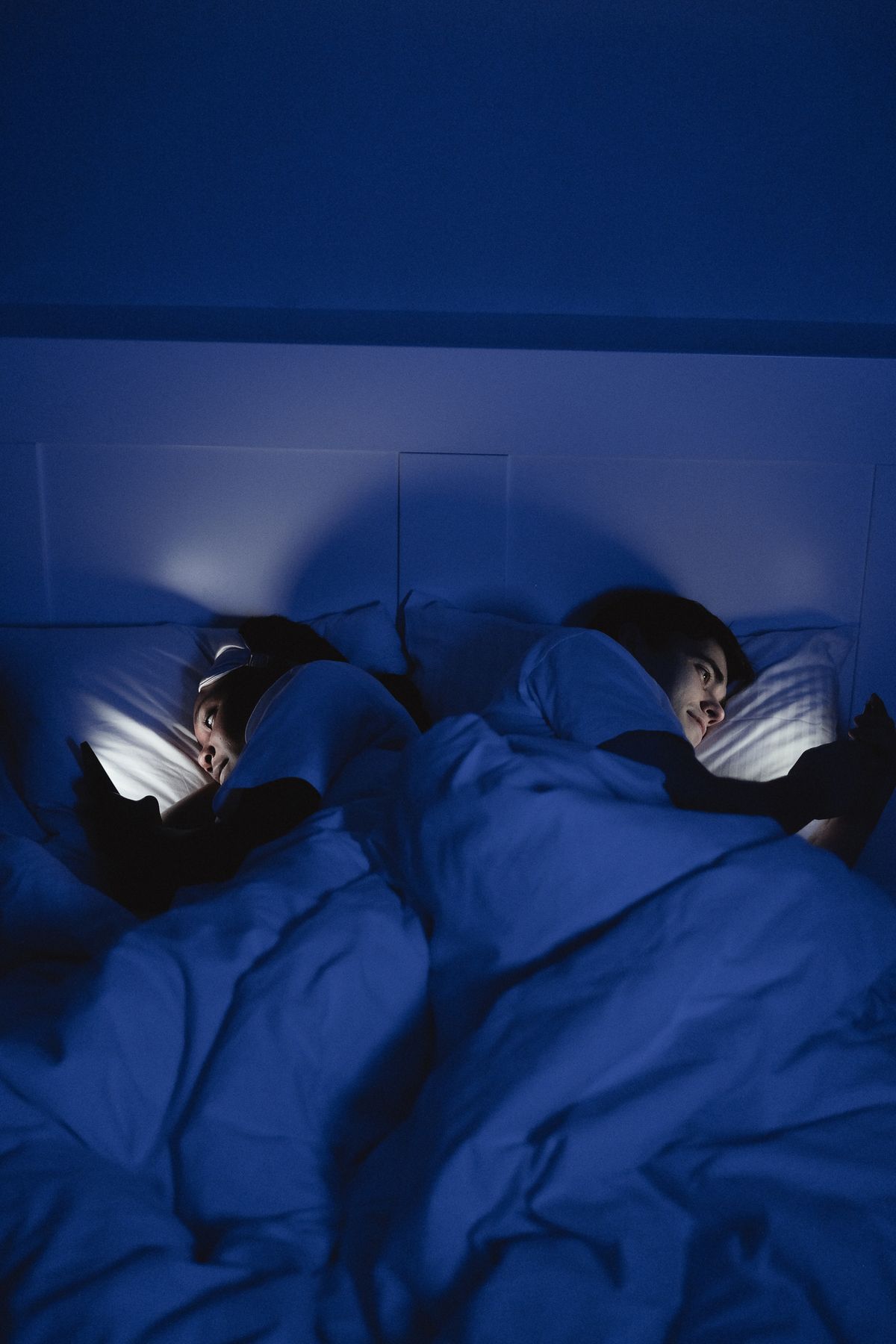
| Using screens in bed as the main wind-down | Combines light and mental stimulation | Move devices out of the bedroom when possible |
Safety Note
Persistent difficulty falling or staying asleep, excessive daytime sleepiness, or sudden changes in sleep patterns deserve professional evaluation. People who are pregnant, have mood disorders, work night shifts, or take medications that affect sleep should discuss light and schedule changes with their clinician. This article offers general information only.
Who May Be More Sensitive
| Group | Why Extra Attention Helps | Practical Consideration |
|---|---|---|
| Adolescents & young adults | Often greater light sensitivity and later natural timing | Earlier device cutoffs and morning light support |
| Evening chronotypes (“night owls”) | Already tend toward later schedules | Protect the last hours before desired bedtime |
| Shift workers | Must manage light at biologically sensitive times | Strategic light exposure plans with professional guidance |
| People with existing sleep complaints | May notice larger day-to-day effects | Combine light hygiene with other sleep practices |
Simple Decision Path for Evening Screens
- Must use a screen late? → Lower brightness + warm filter + increase distance.
- Can you finish tasks earlier? → Move demanding screen work earlier in the day.
- Room still bright? → Dim or switch to warmer lamps first.
- Still struggling after consistent changes? → Speak with a healthcare professional.
Putting It Together: A Sustainable Approach
The most effective strategy is rarely perfect avoidance. It is a combination of earlier bright light, lower and warmer evening light, consistent sleep timing, and realistic device boundaries that fit your life. Many people notice improved ease of falling asleep and more stable energy within one to two weeks of steady habits.
For related ideas on calming the mind at night, you may find useful context in our guide on wellness massage at home or practical stress approaches that support better rest.
Frequently Asked Questions
Does all screen time hurt the circadian rhythm equally?
No. Morning and daytime screen use is generally less problematic for the clock and can even be neutral or helpful. The largest effects come from bright or blue-rich light in the hours before desired bedtime.
Are blue-light glasses proven to fix sleep problems?
Evidence is mixed. Stronger amber or red-tinted lenses worn in the evening may reduce melatonin suppression for some people, but results are not universal. They work best as one part of a broader light-hygiene approach rather than a standalone solution.
How long before bed should I stop using screens?
Many experts suggest aiming for 30–60 minutes of lower light and lower stimulation, but the ideal window varies. Even 20–30 minutes of reduced brightness and warmer tones can help some people. Consistency matters more than perfection.
Can daytime screen use make up for evening exposure?
Daytime light, especially outdoor light, strengthens the overall rhythm and can make the system somewhat more resilient. It does not fully cancel the effects of bright evening light, but it is an important complementary habit.
What if my job requires evening screen work?
Use the lowest comfortable brightness, enable warm color temperature, increase viewing distance when possible, and create a short non-screen buffer before sleep. Consider warmer room lighting and discuss persistent issues with a clinician if needed.
Is reading on a phone worse than watching TV?
Phones are often held closer and used at higher relative brightness for the eyes. A large TV across the room at moderate brightness may deliver less melanopic light. Distance, brightness, and duration all influence the total dose.
Final Thoughts
Screen light in the evening can suppress melatonin and nudge the circadian clock later, especially when it is bright, blue-rich, and close to bedtime. The good news is that modest, repeatable changes—warmer and dimmer displays, earlier cutoffs when possible, and supportive morning light—help many people feel the difference.
Protect the last part of the day without aiming for perfection. If sleep remains difficult despite consistent habits, a healthcare professional can help rule out other factors and offer tailored guidance. Small nightly choices add up to a more stable internal rhythm over time.

