
By Ryan Mitchell
Quick Answer: Yes, music, reading and video games can all become mindfulness practices when you pay attention to the present moment without constantly judging or reacting to it. The activity itself does not automatically make you mindful. What matters is how you engage with it, notice distractions and gently return your attention to what you are doing.
Mindfulness does not always require sitting quietly with your eyes closed. You can practice it while listening to a favorite song, following a chapter in a book or playing a game you enjoy.
The key is to notice your experience as it happens. Listen to individual sounds, observe your thoughts while reading or pay attention to your decisions during a game. You do not need to make every activity a formal meditation session.
Explore the connection:
Mindful listening
Focused reading
Intentional gaming
Present-moment awareness
Trust and safety note
This article is for general educational information only. It does not diagnose, treat, cure, or prevent any condition. It does not replace advice from a licensed healthcare professional. Readers should seek professional help for severe, worsening, unusual, or persistent symptoms.
What Does Mindfulness Actually Mean?
Mindfulness means paying attention to the present moment with openness and without immediately judging what you notice. You might observe a sound, a thought, a physical sensation or the words on a page.
It does not mean emptying your mind or never becoming distracted. Thoughts will wander, and feelings may change. The practice is to recognize that your attention has moved and gently bring it back.
For example, imagine listening to a song while thinking about tomorrow’s tasks. You notice that your mind has wandered, return your attention to the melody and hear the rhythm again. That simple return is a mindful moment.
Formal mindfulness meditation is one way to develop this skill, but everyday activities can also provide opportunities to practice. The difference is intentional attention rather than automatic participation.
Can Music, Reading or Video Games Be Mindfulness?

Yes, each activity can support mindful attention, but none is automatically a mindfulness practice. You can listen to music while scrolling through your phone, read several pages without remembering them or play a game while feeling frustrated and distracted.
Alternatively, you can approach each activity deliberately. Notice the sounds in a song, follow the meaning of a paragraph or observe your choices as a game unfolds. These experiences can help you practice staying connected to the present.
There is no requirement to feel calm, happy or completely focused every second. Mindfulness involves noticing what is happening, including boredom or frustration, without immediately trying to push the experience away.
How the Three Activities Compare
The following comparison is a practical guide, not a scientific ranking of which activity produces the most mindfulness.
Swipe left/right to see the full table →
| Activity | What to notice | Possible challenge |
|---|---|---|
| Music | Rhythm, melody, instruments and emotion | Multitasking or getting lost in unrelated thoughts |
| Reading | Words, meaning, imagery and pace | Rushing through pages or repeatedly checking a phone |
| Video games | Decisions, visual details and reactions | Overstimulation, frustration or losing track of time |
Using Music as a Mindfulness Practice
Music gives your attention a changing stream of sounds to explore. Instead of treating a song as background noise, try listening to it as the main activity for a few minutes.
Notice the bass, the beat, the singer’s voice or the quiet sounds behind the main melody. Pay attention to how the music changes from one section to another. If a memory or emotion appears, acknowledge it without needing to explain or judge it.
You can also notice how your body responds. Perhaps your shoulders feel tense, your breathing changes or you feel an urge to tap your foot. Simply observe these sensations rather than forcing a particular response.
A mindful listening sequence
1
Choose one song and put other tasks aside.
2
Follow one instrument, voice or rhythm.
3
Recognize thoughts and feelings as they arise.
4
Gently refocus on the music when attention wanders.
This short sequence is a practical exercise, not a promise of relaxation or a substitute for meditation when formal practice is your goal.
Tip: Choose music that suits the moment
A familiar instrumental track may make it easier to notice small details, while a favorite song with lyrics may be more engaging. Pick something comfortable and use a volume that lets you listen safely.
Can Reading Be Mindfulness?
Reading can encourage focused attention when you give the words and their meaning your full attention. This applies to novels, poetry, essays and other material you genuinely want to read.
Try noticing the pace of each sentence and the images it creates in your mind. With fiction, you might observe a character’s emotions without immediately judging them. With nonfiction, you can pause to consider what an idea means instead of racing toward the next page.
When you realize that you have read a paragraph without taking it in, stop briefly and return to the last point you remember. There is no need to criticize yourself or restart the entire chapter.
Reading for mindfulness does not mean you must analyze every word. Enjoyment, curiosity and an easy reading pace can all fit. If the material is difficult or urgent, prioritize understanding it rather than forcing a meditation-like experience.
Reading Habits: Helpful Choices and Common Traps
Small adjustments can make it easier to stay engaged with a book or article.
Swipe left/right to see the full table →
| Common habit | Mindful alternative | Why it may help |
|---|---|---|
| Rushing to finish | Read at a comfortable pace | Leaves room to notice meaning |
| Checking notifications | Silence alerts for a short session | Reduces interruptions |
| Judging every distraction | Notice it and return to the text | Encourages a kinder response to wandering attention |
| Reading while exhausted | Take a break when needed | Respects your present needs |
Can Video Games Be a Mindfulness Practice?
Video games can involve close attention to movement, sound, timing, patterns and decisions. A puzzle game, for example, may encourage you to focus on one problem at a time. A story-driven game may invite you to notice its details and your responses to the characters.
However, intense engagement is not the same as mindfulness. Being absorbed in a game can mean you are focused on winning, reacting automatically or ignoring how you feel. Mindfulness adds awareness of your experience, including frustration, excitement and the urge to keep playing.
During a session, notice your breathing and posture occasionally. Observe what happens when you lose a round or make a mistake. Can you acknowledge the disappointment, make your next decision deliberately and avoid turning one setback into harsh self-criticism?
It is also useful to notice when play stops feeling enjoyable. If you repeatedly lose track of time, neglect responsibilities or struggle to stop when intended, a mindful approach includes recognizing those patterns and setting limits.
Choosing Games for Intentional Play
Different game formats create different demands on your attention. Your response matters more than the category alone.
Swipe left/right to see the full table →
| Game style | Possible focus point | What to watch |
|---|---|---|
| Puzzle games | Patterns and problem-solving | Tension when a solution is difficult |
| Story-driven games | Dialogue, scenery and choices | Whether the experience feels engaging or overwhelming |
| Fast-paced games | Deliberate decisions and physical reactions | Stress, fatigue and impulsive play |
| Competitive games | Awareness of choices and reactions | Anger, pressure and difficulty stopping |
Warning: Mindfulness is not a reason to ignore your limits
If a game leaves you distressed, interferes with sleep or makes it difficult to meet daily responsibilities, step back and reassess your play. You do not need to continue an activity to prove that you can be mindful.
Myths and Facts About Everyday Mindfulness
It is easy to confuse mindfulness with relaxation, concentration or simply enjoying yourself. These experiences can overlap, but they are not identical.
Swipe left/right to see the full table →
| Myth | Fact |
|---|---|
| Mindfulness requires silence. | You can notice sounds, words and activity in the present moment. |
| A wandering mind means failure. | Noticing distraction and returning attention are part of the practice. |
| Every enjoyable activity is mindful. | Enjoyment can coexist with distraction or automatic behavior. |
| Mindfulness must feel relaxing. | You can notice discomfort or excitement without demanding that it disappear. |
A practical mindfulness check-in
Pause during an activity and ask yourself these four questions:
Attention
Am I noticing what I am listening to, reading or playing?
Awareness
Can I notice thoughts, emotions or bodily sensations?
Choice
Am I choosing to continue, pause or stop?
Kindness
Can I return my attention without criticizing myself?
These questions are reflection prompts, not a diagnostic test or a score of your mindfulness ability. You can use one question at a time rather than trying to monitor everything.
How to Build a Simple Mindful Leisure Routine
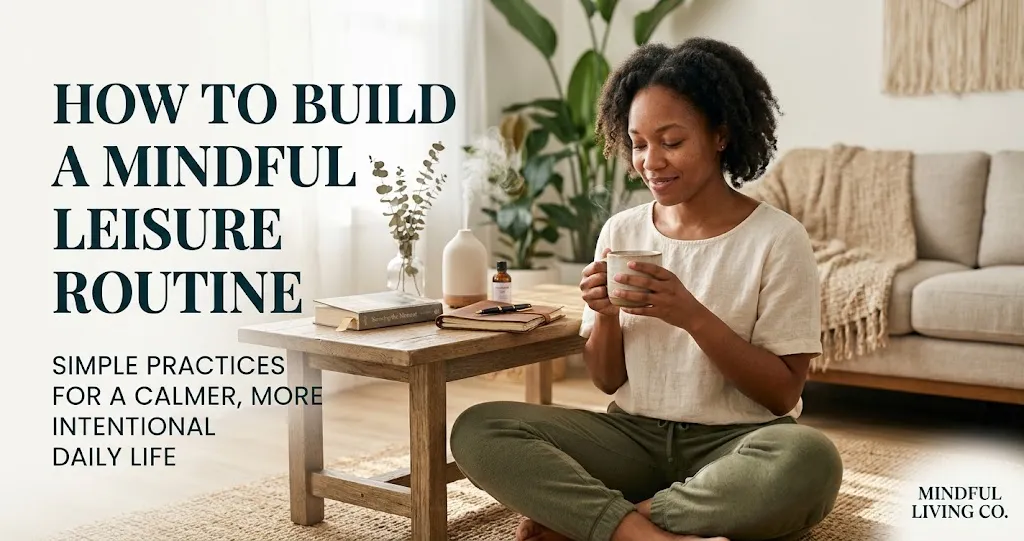
You do not need a complicated schedule. Start with an activity you already enjoy and give it a little more deliberate attention.
A flexible 10-minute routine
Choose one activity and reduce unnecessary distractions.
Listen, read or play while noticing details and distractions.
Notice how you feel and decide whether to continue or finish.
Times and bar widths are a practical guide, not scientific measurements or required targets.
Adjust the routine to fit your preferences. A single mindful song may be enough for one session, while someone who enjoys reading may prefer a longer period with fewer interruptions.
Choose an Activity That Fits Your Needs
Use these general suggestions to decide where to start.
Swipe left/right to see the full table →
| Your preference | Possible starting point | Try this |
|---|---|---|
| Enjoy sound and rhythm | Music | Follow one instrument for a song. |
| Prefer quiet concentration | Reading | Read a few pages without notifications. |
| Enjoy interactive challenges | Video games | Play intentionally and set a stopping point. |
| Feel overwhelmed by an activity | A simpler or shorter activity | Pause, reduce stimulation or choose something else. |
There is no universal best choice. If an activity makes it harder to notice your needs or stop when you intend to, another activity may be a better fit.
Common Mistakes to Avoid
The most common mistake is expecting mindfulness to produce a particular feeling. You might become calmer, but you might also notice restlessness, sadness, excitement or boredom. The purpose is awareness, not forcing every experience to feel pleasant.
Another mistake is multitasking throughout the activity. Switching between a song, social media and messages may divide your attention. If mindful engagement is your goal, try setting aside a brief period for one thing at a time.
Finally, avoid turning the practice into another performance target. You do not need to count every distraction or judge whether you were mindful enough. Gently returning to the activity is a useful response, even when it happens repeatedly.
Note: Mindfulness is optional, not an obligation
If focusing inward or paying close attention to an activity feels uncomfortable, you can pause, switch to a more neutral activity or seek guidance from a qualified professional if distress persists. You do not need to push through discomfort to practice mindfulness.
When to Seek Additional Support
Everyday mindfulness can be a useful personal practice, but it is not a replacement for professional care. If ongoing anxiety, low mood, distress, sleep problems or difficulty managing daily life is affecting you, consider speaking with a qualified healthcare or mental health professional.
When to contact a professionalIf distress is severe, persistent, worsening or interfering with everyday responsibilities, seek appropriate professional support rather than relying only on leisure activities. If you feel in immediate danger or may harm yourself, contact local emergency services or a crisis support service promptly.
The aim is to choose activities that fit your needs and allow you to respond to yourself with awareness. You can enjoy music, books and games for their own sake while also using them as opportunities to practice attention.
Frequently Asked Questions
Can music, reading or video games be mindfulness?
Yes. Each can offer a chance to practice present-moment awareness when you deliberately notice the activity and gently return your attention after distractions.
Does listening to music count as meditation?
It can be a form of informal mindfulness practice. Formal meditation usually involves a more structured exercise, while mindful listening focuses on awareness during music.
Can reading a novel help me practice mindfulness?
Yes. Pay attention to the words, story and images in your mind, and return to the text when you notice your attention wandering.
Are video games good for mindfulness?
They can offer opportunities to notice decisions and emotional reactions. However, excessive play, frustration or difficulty stopping may work against your personal goals.
Do I have to feel relaxed for mindfulness to count?
No. Mindfulness is about noticing the present moment, which may include excitement, boredom or discomfort rather than relaxation.
How long should I practice mindful leisure?
Start with a few minutes and adjust to your comfort and schedule. There is no single duration that works for everyone.
What if I keep getting distracted?
Notice the distraction without criticizing yourself, then gently return to the music, text or game. Repeatedly returning your attention is part of the practice.
Final Thoughts
Music, reading and video games can all become opportunities for mindfulness when you engage with them intentionally and notice your experience without harsh judgment. Start with an activity you enjoy, give it a few minutes of undivided attention and return gently when your mind wanders. Choose a different approach or seek professional support if an activity causes distress or ongoing difficulties.
Author
-

Hi, I’m Ryan Mitchell, a wellness and relaxation writer at RemedyTip.com, where I focus on helping readers better understand stress management, relaxation techniques, mindfulness, sleep improvement, and everyday wellness habits. I have developed a strong knowledge of the Wellness & Relaxation field through sustained learning, in-depth research, and a continued commitment to exploring practical approaches to well-being.
My work focuses on researching wellness topics, examining available evidence, and turning complex information into clear, accessible, and actionable guidance. I’m continually exploring new findings, relaxation practices, and lifestyle strategies to help readers make informed decisions about their daily wellness routines. At RemedyTip.com, my goal is to share trustworthy, research-informed content that encourages healthier habits, greater relaxation, and a more balanced lifestyle.

