
By Ryan Mitchell
Last updated: October 27, 2026
Quick Answer: Lavender essential oil may help some people feel calmer by influencing pathways linked to relaxation when inhaled or used in diluted topical form. It is not a treatment for clinical anxiety disorders. Results vary, and safety precautions matter—especially during pregnancy or with skin sensitivity.
Many people reach for lavender essential oil when everyday tension rises—before bed, during a busy workday, or after a stressful conversation. The scent is familiar and gentle for most adults, and research suggests it may support a sense of calm through specific plant compounds.
This guide explains what the evidence shows, practical ways to use it at home, who should take extra care, and how to choose a quality oil without overpromising results.
Key Takeaways
- Lavender’s main compounds (linalool and linalyl acetate) may interact with nervous-system pathways involved in calm.
- Inhalation is the most studied home method for short-term feelings of ease.
- Oral standardized preparations have been researched more formally, but everyday essential-oil use is different and not the same product.
- Always dilute for skin use, avoid ingestion of pure oil, and check with a clinician if you are pregnant, nursing, or taking medications.
What Lavender Essential Oil Is and How It May Work
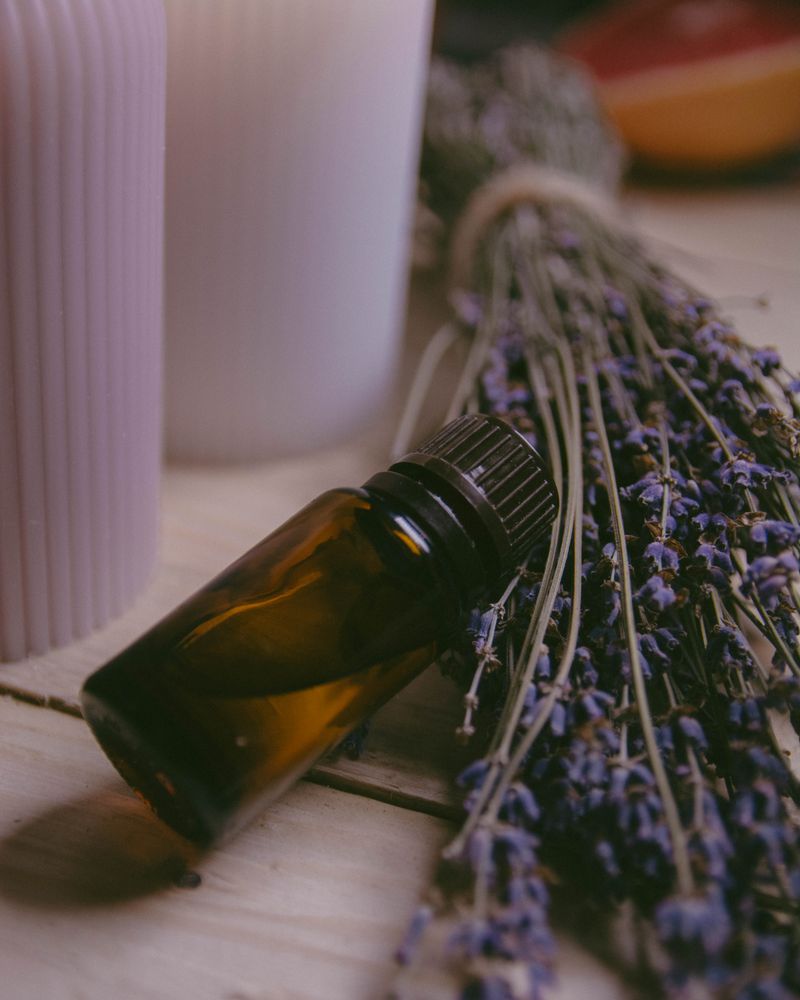
Lavender essential oil is a concentrated aromatic extract, most often from Lavandula angustifolia. The two compounds most linked to calming effects are linalool and linalyl acetate.
Laboratory and clinical research suggests these compounds may influence voltage-gated calcium channels, certain serotonin receptors, and the balance between excitatory and calming signaling in the brain. The result for some people is a milder sense of tension rather than heavy sedation.
Important distinction: many stronger clinical findings come from a specific oral lavender oil preparation (often called Silexan in studies). That is not the same as the pure essential oil sold for aromatherapy. Home use of essential oil is milder and less standardized.
Illustrative pathway overview (simplified)
1. Scent molecules
Enter through the nose and reach olfactory pathways linked to emotion and memory.
2. Nervous-system signals
Compounds may moderate over-activity in certain calcium channels and serotonin-related activity.
3. Subjective calm
Many people report feeling less restless or more settled, especially in short-term stressful moments.
This is a simplified illustration based on proposed mechanisms; individual responses differ.
What Research Suggests About Anxiety-Related Feelings
Systematic reviews and meta-analyses of randomized trials have looked at lavender in several forms: inhalation, massage with diluted oil, and oral standardized extracts.
Inhalation studies often show modest reductions in self-reported state anxiety (how anxious someone feels in the moment). Massage with lavender oil also appears helpful in many trials, though it is harder to separate the effect of the oil from the massage itself. Oral standardized products have shown clearer, more consistent effects in clinical anxiety settings over several weeks.
Quality of studies varies. Many aromatherapy trials are small or have design limitations. The overall picture is promising for short-term calming support, not a replacement for professional care when anxiety is persistent or severe.
Comparison of common study approaches
Different delivery methods have been studied for different goals and time frames.
| Method | Typical setting | General finding pattern |
|---|---|---|
| Inhalation | Short sessions before procedures or daily stress | Often reduces momentary tension scores |
| Diluted massage | Spa or clinical comfort sessions | Helpful, but oil vs. touch is hard to separate |
| Oral standardized extract | Multi-week clinical trials | More consistent anxiety-score improvements |
| Home diffuser use | Everyday routines | Anecdotal and limited formal data |
Practical Ways to Use Lavender Essential Oil at Home
Most people start with inhalation because it is simple and does not require skin contact. Keep sessions short and the scent light.
Simple 3-step evening wind-down
Step 1
Place 2–3 drops on a tissue or in a personal inhaler.
Step 2
Inhale gently for 5–10 minutes while seated or lying down.
Step 3
Stop if the scent feels strong or causes headache or irritation.
Inhalation versus diluted topical use
Choose the method that fits your comfort and situation.
| Approach | How it is done | Best for | Caution |
|---|---|---|---|
| Tissue or cotton ball | 1–3 drops, hold near nose | Quick calm moments | Avoid if scent triggers nausea |
| Diffuser | Few drops in water, short run time | Room atmosphere | Keep away from pets and children |
| Diluted massage | 1–2% in carrier oil | Shoulders, feet, or hands | Patch-test first; never undiluted |
| Bath | Diluted in carrier then mixed into water | Evening routine | Do not pour pure oil into water |
Dilution guide for topical use (adults)
- 1% dilution ≈ 6 drops essential oil per 1 ounce (30 ml) carrier oil
- 2% dilution ≈ 12 drops per ounce — common for short massage
- Always patch-test on inner arm and wait 24 hours
Who May Benefit and Who Should Be Careful
Lavender oil is most often used by adults looking for mild support with everyday restlessness, pre-sleep tension, or situational stress. It is not intended to diagnose, treat, or cure anxiety disorders.
Suitability snapshot
| Group | General notes |
|---|---|
| Healthy adults | Usually well tolerated with proper dilution and light scent |
| Pregnant or breastfeeding | Discuss with prenatal provider first; avoid oral use; keep scent mild |
| Children | Use extreme caution; consult a pediatric clinician; keep bottles out of reach |
| People with skin conditions | Patch-test; avoid broken or irritated skin |
| Those on sedating medications | Ask a clinician about possible additive calming effects |
Safety Note
Do not swallow pure lavender essential oil. Keep it away from eyes and mucous membranes. Stop use if you notice headache, skin irritation, coughing, or unusual drowsiness. People with upcoming surgery should tell their care team about any herbal or aromatic products they use.
Quick decision path
Want mild, short-term calm? Try light inhalation on a tissue for a few minutes.
Prefer skin application? Use a properly diluted blend and patch-test first.
Pregnant, nursing, or on medication? Speak with your healthcare professional before starting.
Choosing a Quality Lavender Essential Oil
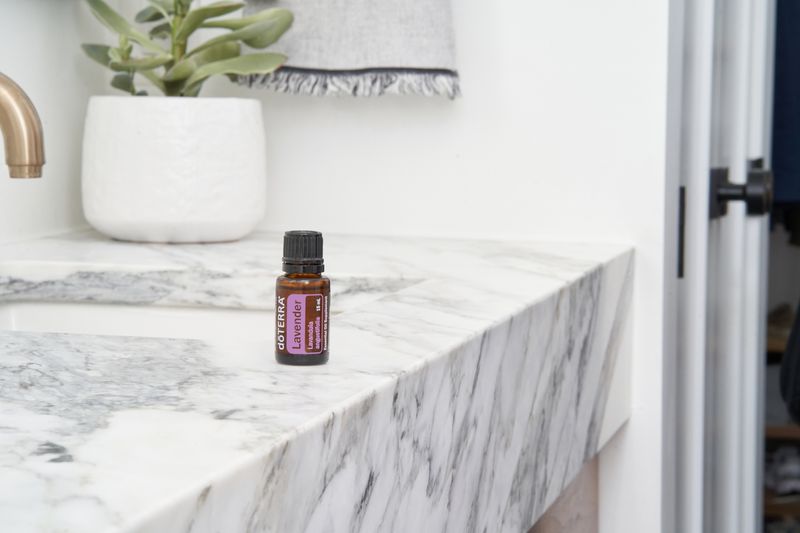
Look for the botanical name Lavandula angustifolia (true lavender) on the label. Avoid products that list only “fragrance oil” or that do not name the plant species. Dark glass bottles help protect the oil from light.
Third-party testing (GC/MS reports) is a useful quality signal when available. Price alone is not a reliable guide; very inexpensive oils may be diluted or blended with other species such as lavandin.
What to look for versus what to skip
| Prefer | Be cautious of |
|---|---|
| Botanical name listed | Vague “lavender fragrance” only |
| Amber or dark glass | Clear plastic bottles |
| Batch or lot number | No origin or testing info |
| Clear dilution instructions | Claims that pure oil is safe on skin |
If you would like to browse pure lavender options, you can start with a general search and compare labels carefully:
View pure lavender essential oil options on Amazon
Common mistakes to avoid
- Using undiluted oil on skin
- Running a diffuser for hours in a small closed room
- Assuming “natural” means risk-free for everyone
- Swallowing drops from an aromatherapy bottle
Building a Simple, Sustainable Routine
Consistency often matters more than intensity. A short, pleasant ritual is easier to keep than an elaborate one.
Sample weekly rhythm
| Time | Idea | Duration |
|---|---|---|
| Morning stress spike | Tissue inhalation at desk | 3–5 minutes |
| Midday reset | Short diffuser session while stretching | 10 minutes |
| Evening wind-down | Diluted foot or hand massage | 5–10 minutes |
| Before bed | Pillow spray (highly diluted) or tissue near bed | Until scent fades |
Routine checklist
☐ Bottle is dark glass and properly labeled
☐ Carrier oil ready if using on skin
☐ Room is ventilated
☐ You have a plan to stop if irritation occurs
Limitations and Realistic Expectations
Lavender essential oil may help some people feel more comfortable during mild, everyday tension. It does not replace therapy, prescribed medication, or medical evaluation when anxiety interferes with daily life, sleep, or relationships.
Individual responses differ widely. What feels soothing to one person may feel strong or neutral to another. Track how you feel over a week or two and adjust or stop accordingly.
Frequently Asked Questions
Does lavender essential oil actually reduce anxiety?
Research suggests it may help lower self-reported tension and state anxiety for some people, especially with inhalation or standardized oral preparations. It is not a proven cure or stand-alone treatment for clinical anxiety disorders.
How long does it take to notice a calming effect?
With inhalation, many people notice a shift within a few minutes. Effects are usually short-lived. Consistent short sessions tend to work better than one long exposure.
Is it safe to put lavender oil directly on skin?
No. Always dilute it in a carrier oil first. Undiluted essential oils can irritate or sensitize the skin. Patch-test any new blend.
Can I use lavender essential oil while pregnant?
Talk with your prenatal care provider first. Some people use very mild inhalation later in pregnancy, but oral use and strong undiluted applications are generally avoided. Sensitivity to scent often increases during pregnancy.
What is the difference between lavender essential oil and Silexan?
Silexan is a specific, standardized oral lavender oil preparation studied in clinical trials. Everyday aromatherapy essential oil is a different product with different dosing, regulation, and evidence base.
Can lavender oil interact with medications?
There is theoretical concern about additive effects with sedating medicines. If you take prescription medications, especially for anxiety, sleep, or blood pressure, ask your clinician or pharmacist before regular use.
Final Thoughts
Lavender essential oil offers a gentle, accessible option that many people find helpful for everyday moments of tension. The evidence is strongest for short-term calming support through inhalation and for specific standardized oral products in research settings. Home use is simpler and milder.
Keep expectations realistic, dilute for skin contact, and choose quality oil with clear botanical labeling. If anxiety feels overwhelming, persistent, or interferes with daily life, reach out to a qualified healthcare professional. A calm routine can be one helpful piece of a broader approach to feeling better.

