
By Ryan Mitchell
Last updated: October 27, 2026
Quick Answer: Cold water therapy (cold showers, facial immersion, or brief plunges) may temporarily shift the nervous system and raise certain neurotransmitters linked to alertness and mood. Evidence for lasting anxiety reduction is limited and mixed. It is not a treatment for anxiety disorders. Start gently, stay brief, and check with a clinician if you have heart, circulation, or other health concerns.
Many people notice a sharp, clear feeling after a cold shower or a short face dunk in cool water. That sensation has fueled interest in cold water therapy as a possible everyday tool for tension and anxious feelings. The practice is simple in concept, yet the science around anxiety specifically is still developing and often less conclusive than popular claims suggest.
This guide explains the main proposed mechanisms, what current research shows, practical ways to try milder forms safely, and who should approach cold exposure with extra caution or avoid it.
Key Takeaways
- Cold exposure can trigger a short-term rise in norepinephrine and activate both sympathetic and parasympathetic pathways.
- Recent reviews find more consistent signals for short-term mood or stress shifts than for reliable anxiety symptom reduction.
- Gentle entry points such as ending a warm shower with 30–60 seconds of cool water or brief facial immersion are lower-risk starting options for many healthy adults.
- People with heart conditions, uncontrolled blood pressure, Raynaud’s, cold urticaria, or pregnancy should speak with a healthcare professional before trying colder or longer exposures.
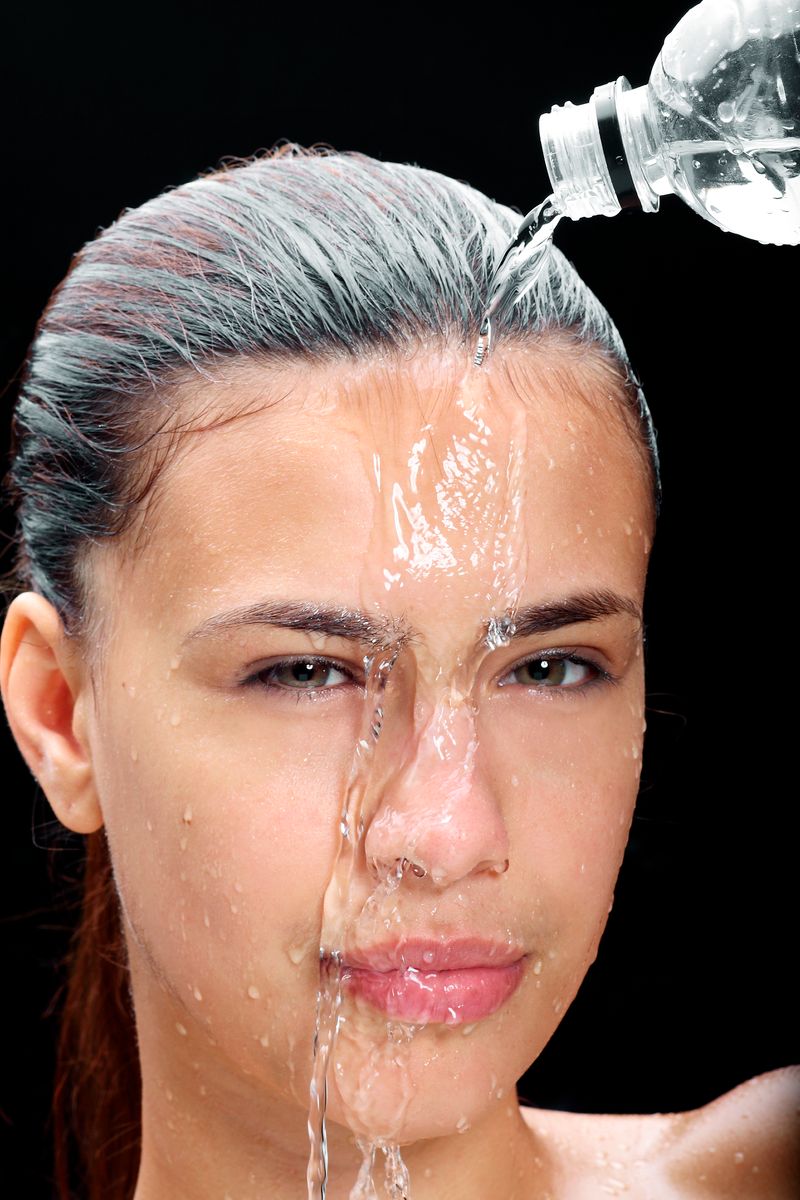
What Cold Water Therapy Involves
Cold water therapy covers a range of exposures: finishing a shower with cooler water, immersing the face in a basin of cold water, sitting in a cold bath or portable plunge tub, or open-water dips. Temperatures studied often fall between roughly 50–68°F (10–20°C), with durations from under a minute to several minutes depending on the method and the person’s tolerance.
The shared element is a controlled cold stimulus that the body registers as a mild stressor. The goal for many users is not extreme endurance but a repeatable, short practice that may support mental reset or stress resilience over time.
How Cold Exposure May Influence Anxiety-Related Pathways
Researchers point to several overlapping mechanisms. None of them prove that cold water therapy treats clinical anxiety, but they help explain why some people report feeling more settled or alert afterward.
Sympathetic activation and neurotransmitter shifts
Sudden cold triggers the sympathetic nervous system. Studies of cold-water immersion have measured substantial short-term increases in norepinephrine (noradrenaline), a chemical involved in alertness, attention, and the stress response. Dopamine levels have also been observed to rise in some immersion experiments and can remain elevated for a period afterward. These changes may contribute to the “clear-headed” feeling many people describe.
Diving reflex and parasympathetic balance
Cold water on the face, especially around the eyes and upper cheeks while holding the breath briefly, can engage the mammalian diving reflex. This reflex slows heart rate and promotes parasympathetic (rest-and-digest) activity. Some clinicians use facial cold as a distress-tolerance tool for acute panic or intense anxiety spikes because of this rapid physiological shift.
Stress inoculation and resilience training
Repeated, voluntary cold exposure is sometimes framed as hormesis—small, controlled stress that may help the body and mind respond more calmly to other stressors. Over time, the initial gasp and heart-rate spike can become less overwhelming for some practitioners. This is a plausible pathway for reduced day-to-day reactivity, though long-term clinical data remain limited.
Illustrative pathway (not clinical data)
1. Cold stimulus
Skin sensors signal hypothalamus
2. Acute response
Norepinephrine rise, heart-rate change
3. Recovery phase
Parasympathetic shift, possible calm
What the Evidence Currently Shows
Interest is high, yet high-quality evidence specifically for anxiety is still thin. A 2026 systematic review and meta-analysis of cold-water exposure and psychological outcomes found little consistent benefit for anxiety symptoms across the included studies. Pooled estimates for depression, perceived stress, and mood were more directionally favorable but often attenuated when only controlled trials were examined, and many studies carried risk of bias.
Other reviews of cold-water immersion have noted time-dependent reductions in stress markers at certain post-exposure windows and improvements in self-reported sleep or quality of life in some samples. Acute mood lifts (more positive affect, less nervousness) appear more reliably in short-term laboratory and open-label settings than lasting clinical anxiety reduction.
Facial cold immersion has shown promise in small studies for reducing physiological and cognitive signs of panic in people with panic disorder, consistent with the diving-reflex pathway. Overall, cold water therapy is best viewed as a complementary wellness practice that some people find helpful for everyday tension—not a standalone treatment for anxiety disorders.
Evidence snapshot by outcome
| Outcome | Current picture | Practical note |
|---|---|---|
| Anxiety symptoms | Little consistent benefit in recent meta-analysis | Do not rely on it as primary care |
| Perceived stress | Some reduction reported, often time-limited | May support short-term recovery after exposure |
| Acute mood / affect | Positive shifts seen in several short trials | Common reason people continue the practice |
| Sleep quality | Sparse but directionally favorable data | Avoid very late-night intense plunges if sleep is fragile |
Interpretation: effects appear more reliable for immediate state changes than for treating diagnosed anxiety conditions.

Practical Ways to Begin Safely
Most people do not need an ice bath to explore the practice. Milder, progressive approaches are usually more sustainable and safer.
Gentle progression path
Step 1 · Cool finish
End a warm shower with 20–60 seconds of cooler water. Focus on steady breathing.
Step 2 · Face immersion
Fill a basin with cool water. Lower face for 10–30 seconds while breathing calmly through the nose if possible.
Step 3 · Longer exposure
Only if Step 1–2 feel manageable, consider brief full-body cool baths or supervised plunges.
Beginner routine comparison
| Method | Typical start | Effort level | Notes |
|---|---|---|---|
| Cool shower finish | 20–60 sec | Low | Easiest daily option |
| Facial cold water | 10–30 sec | Low–moderate | Useful for acute tension |
| Cool bath (not ice) | 1–3 min | Moderate | Monitor breathing and exit early if needed |
| Ice bath / plunge | Only after adaptation | Higher | Higher cardiovascular load; medical clearance often wise |
Always exit if you feel dizzy, short of breath beyond the initial gasp, chest discomfort, or numbness that does not resolve quickly after warming.
Breathing focus during exposure
- Expect the first 10–20 seconds to feel intense; this is normal cold shock.
- Slow the exhale deliberately; avoid rapid, shallow panting.
- Keep the mind on the physical sensation rather than fighting it.
- Warm up gradually afterward with dry clothes and gentle movement.
Who Should Be Especially Careful
Cold water raises heart rate and blood pressure acutely and can trigger strong autonomic responses. Certain groups face higher risk.
Safety Note
If you have diagnosed heart disease, uncontrolled hypertension, arrhythmias, Raynaud’s phenomenon, cold urticaria, epilepsy, severe circulatory problems, or are pregnant, talk with a qualified healthcare professional before attempting cold immersion. Never use cold water therapy during an active panic attack if it heightens distress, and never practice alone in deep or open water.
Who it may suit versus who should pause
| Generally lower concern (healthy adults) | Check with a clinician first |
|---|---|
| Short cool shower finishes | Any cardiovascular history |
| Brief facial immersion at home | Pregnancy or recent surgery |
| Gradual, supervised practice | Raynaud’s, cold allergy, or seizure history |
| Good recovery after each session | Uncontrolled high blood pressure |
This table is a practical guide, not medical advice. Individual health status always takes priority.
Quick decision guide
Suitable for many
Healthy adults seeking a short daily reset; people who already tolerate cool showers well.
Pause and ask first
Heart or circulation issues, pregnancy, cold-related skin or autonomic conditions, recent illness.
Common Mistakes and Realistic Expectations
Pushing too hard too soon is the most frequent error. The cold shock response is strongest in the first 30 seconds; staying longer does not automatically produce better mental benefits and can raise risk.
Mistake versus better approach
| Common mistake | More helpful approach |
|---|---|
| Jumping straight into ice water | Start with cool shower finishes for 1–2 weeks |
| Holding breath and panicking | Focus on slow exhales; exit if needed |
| Expecting it to replace therapy or medication | Treat it as one optional wellness habit |
| Practicing alone in deep water | Stay shallow or with a partner; prefer home setups first |
Consistency with mild exposure is usually more useful than occasional extreme sessions.
What success can look like
A realistic early win is simply completing 30–60 seconds of cool water without dread, then noticing a short period of clearer focus or lower bodily tension afterward. Long-term mood or anxiety changes, if they occur, tend to be gradual and individual.
Tools and Home Options
You do not need specialized equipment. A standard shower or a bowl of cool water is enough for the mildest protocols. Some people later add portable plunge tubs or simple ice packs for facial use. When shopping, prioritize sturdy construction, easy drainage, and clear manufacturer instructions rather than extreme temperature claims.
For readers exploring home options, general product types include portable ice-bath tubs and facial cold rollers or ice globes. Check current details and safety information on the manufacturer’s page or retailer listing before purchasing.
Browse portable ice bath tub options on Amazon
Browse facial cold therapy rollers on Amazon
Home tool comparison (general)
| Option | Best for | Main trade-off |
|---|---|---|
| Existing shower | Daily mild exposure | Temperature control is approximate |
| Basin for face | Quick diving-reflex practice | Limited to face and neck |
| Portable plunge tub | Full-body sessions at home | Space, setup, and water management |
| Facial ice tools | Localized cool sensation | Not whole-body exposure |
Always follow product instructions and stop if skin becomes painful, blue, or numb beyond temporary cold sensation.
Simple weekly rhythm (illustrative)
Cool finish 45 sec
Face dunk 20 sec
Cool finish 60 sec
Rest or lighter day
Pairing With Everyday Calm Habits
Cold exposure works best for many people when it sits alongside proven foundations: consistent sleep, regular movement, supportive social contact, and, when needed, professional mental-health care. A short cool shower does not replace therapy, medication, or other treatments prescribed by a clinician.
If you are already building a home relaxation routine, gentle practices such as a brief wellness massage or calm breathing can complement the post-cold recovery period. See related guidance on wellness massage at home and, for pregnancy-specific considerations, stress relief safety during pregnancy.
FAQ
Does cold water therapy treat anxiety disorders?
How long should a beginner stay in cold water?
Is a cold shower as useful as an ice bath for calm?
Can I try this if I have high blood pressure?
When is the best time of day?
What if cold water makes me more anxious?
Final Thoughts
Cold water therapy offers a simple, accessible way for some people to experience a short physiological shift that can feel clarifying or settling. The mechanisms involving norepinephrine, the diving reflex, and controlled stress are biologically plausible, yet rigorous evidence that it meaningfully reduces anxiety symptoms over time is still limited.
The most useful approach for most readers is modest: cool shower finishes or brief facial immersion, steady breathing, and honest attention to how the body recovers. Pair any practice with solid sleep, movement, and professional support when anxiety interferes with daily life. Check with a clinician before deeper or colder exposures if you have medical conditions that increase risk.
Safety and realistic expectations keep the habit helpful rather than stressful.

