Neck tension can tighten nearby muscles and contribute to some headaches, especially tension-type headaches. A gentle massage may ease that tightness and help reduce discomfort for some people.
Neck massage may provide short-term relief when muscle tension contributes to a headache, but it does not treat every headache cause. The right technique, headache type, and safety limits matter. This guide explains when massage may help, how to try it safely, and when medical care makes more sense.
Key Takeaways
- Gentle massage may ease tension-related head pain.
- It may help less with headaches caused by other conditions.
- Sudden or severe headaches require prompt medical attention.
How Neck Tension Can Contribute to Head Pain
Tight neck muscles can irritate nearby tissues and send pain into the head, face, or shoulders. Poor posture may add strain, while certain neck disorders can produce a distinct headache pattern that needs medical assessment.
Muscle Tightness and Referred Pain
Muscles at the base of the skull, along the neck, and across the shoulders can become tight after long periods of sitting, stress, poor sleep, or repeated movement. When these muscles stay contracted, they may irritate sensitive areas around the scalp and upper neck.
The brain can interpret signals from the neck and head through shared nerve pathways. As a result, discomfort from the neck may feel like pressure around the temples, forehead, or back of the head. This pattern is called referred pain.
Gentle massage may reduce muscle tension and improve movement for some people. It should not cause sharp pain, numbness, weakness, or worsening symptoms. A healthcare professional should assess headaches that occur often or interfere with daily activities.
Posture-Related Strain
Forward-head posture increases the work required from the neck muscles to support the head. Looking down at a phone, using a laptop without support, or holding the head in one position for long periods can place extra stress on the upper neck and shoulders.
Common signs include neck stiffness, aching across the shoulders, and a dull headache that develops after screen use. Breaks, regular movement, and a properly positioned screen may reduce this strain. Massage can provide short-term relief, but it does not correct the habits or equipment that cause the stress.
Helpful adjustments include:
- Keeping the screen near eye level
- Supporting the lower back while sitting
- Relaxing the shoulders instead of lifting them
- Changing position every 30 to 60 minutes
- Using gentle neck movements within a comfortable range
Cervicogenic Headaches
A cervicogenic headache starts from a problem in the neck but is felt in the head. It often affects one side and may begin near the base of the skull before spreading toward the forehead, temple, or eye. Neck movement may worsen the pain, and the neck may feel stiff or have limited motion.
Possible causes include joint irritation, muscle strain, arthritis, or a previous neck injury. Massage may help when muscle tightness contributes to the symptoms, but treatment should match the underlying cause. A clinician or physical therapist can assess neck movement and recommend appropriate care.
A sudden severe headache, headache after a head or neck injury, fever with a stiff neck, confusion, vision loss, weakness, or trouble speaking requires urgent medical attention.
Potential Benefits of Massage
Gentle neck massage may ease muscle tightness, support relaxation, and improve neck movement. These effects may help some people manage tension-type headaches, while evidence for migraine prevention remains limited.
Reducing Muscle Tension
Tight muscles in the neck, shoulders, and upper back can contribute to tension-type headaches. Massage may reduce discomfort by applying gentle pressure and movement to areas such as the upper trapezius and the muscles beneath the skull.
A therapist may also work on tender points that send pain toward the forehead, temples, or back of the head. Relief often remains temporary, especially if poor posture, stress, or prolonged screen use continues to strain the muscles.
Massage should feel comfortable rather than sharply painful. People with a new injury, severe neck pain, or symptoms such as numbness or weakness should seek medical advice before receiving treatment.
Supporting Relaxation
Stress can cause people to tighten their jaw, shoulders, and neck. A slow massage may reduce this muscle guarding and encourage calmer breathing, which can lessen stress-related headache symptoms for some people.
Relaxation may also help people notice early warning signs and respond before discomfort becomes stronger. A quiet setting, light pressure, and short sessions may work better than vigorous techniques during an active headache.
Massage does not treat every headache cause. It should not replace medical care when headaches occur with fever, confusion, fainting, vision changes, weakness, or sudden severe pain.
Improving Range of Motion
Neck stiffness can make turning the head uncomfortable and may add strain to nearby muscles. Gentle massage may improve short-term movement by reducing tightness in the neck and shoulders.
Better movement can make daily activities easier, including looking down at a phone, turning while driving, or maintaining a more comfortable sitting position. Massage may work best when paired with posture changes and gentle, pain-free stretching.
People should avoid forceful neck twisting or rapid movements. If limited motion persists, worsens, or follows an accident, a healthcare professional should assess the cause before massage continues.
Headache Types Most Likely to Respond
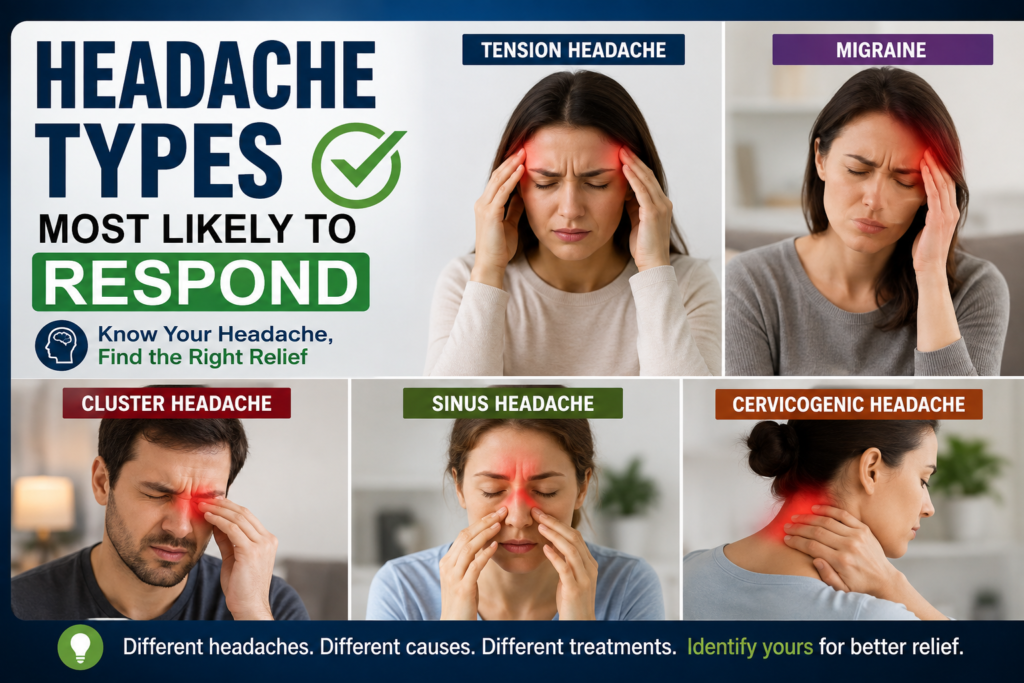
Neck massage tends to help headaches linked to tight muscles, restricted neck movement, or tender points around the shoulders and skull. It may ease neck discomfort during some migraines, but it does not treat every headache or replace medical care.
Tension-Type Headaches
Tension-type headaches often cause steady pressure or aching on both sides of the head. Tight muscles in the neck, shoulders, scalp, or jaw can add to the pain, especially after prolonged sitting, stress, poor sleep, or computer use.
Gentle neck massage may reduce muscle tightness and improve comfort for some people. A therapist may work on the upper shoulders, the base of the skull, and the muscles along the sides and back of the neck. Pressure should remain comfortable; forceful work can increase pain or cause dizziness.
Massage may provide short-term relief, but repeated headaches need a broader plan. Sleep, hydration, regular movement, posture changes, and stress management can also help. A clinician should assess headaches that occur often, change pattern, or interfere with daily activities.
Cervicogenic Headaches
Cervicogenic headaches begin in the neck and refer pain toward the back of the head, temple, forehead, or area behind one eye. They often affect one side and may worsen when the neck moves. Reduced neck movement, joint irritation, or strained muscles can contribute.
Neck massage may help when muscle tension forms part of the problem. Treatment commonly includes gentle work around the upper neck, shoulders, and base of the skull, along with exercises that improve neck movement and strength. Massage alone may not correct an underlying joint or nerve problem.
A healthcare professional should evaluate a new or persistent one-sided headache, particularly when neck movement reliably triggers it. Sudden severe pain, weakness, numbness, confusion, fever, or vision changes requires urgent medical attention.
Migraine With Neck Discomfort
Many people with migraine also experience neck pain or stiffness before or during an attack. The neck symptoms may result from the migraine rather than cause it, so massage may not stop the attack or prevent future episodes.
Light, slow massage can feel soothing between attacks or during a mild episode. Some people tolerate gentle work on the shoulders and upper back better than direct pressure on the neck or scalp. Strong pressure, bright treatment rooms, odors, or prolonged sessions may worsen symptoms for others.
People with migraine should stop massage if pain, nausea, dizziness, or light sensitivity increases. They should follow their prescribed treatment plan and seek medical advice for a first or unusually severe migraine, a major change in symptoms, or a headache with neurological signs.
Evidence and Clinical Perspective
Neck massage may help some people with headaches, especially those linked to muscle tension or neck pain. Research supports short-term relief more clearly for tension-type headaches than for migraines, but treatment results vary.
What Research Suggests
Studies suggest that massage targeting the upper trapezius, suboccipital, and other neck muscles can reduce pain and headache frequency in some people with tension-type headaches. Treatment may work by easing muscle tenderness, improving movement, and reducing sensitivity in the nervous system. Massage may also help people relax, which can reduce muscle tension linked to headaches.
Research on migraine is less consistent. Some people report fewer or less intense attacks, but massage should support—not replace—an established migraine treatment plan.
| Headache type | What massage may help | Strength of evidence |
|---|---|---|
| Tension-type headache | Pain, muscle tenderness, and short-term frequency | More consistent |
| Migraine | Neck tension and possibly attack frequency | Limited or mixed |
| Headache with neck pain | Pain and movement-related symptoms | Some support |
Limits of Current Evidence
Many studies include small groups, use different massage methods, or follow participants for only a short time. These differences make it difficult to identify the best technique, treatment length, or schedule. Results may also reflect relaxation, attention from the therapist, or natural changes in headache symptoms.
Massage does not treat every cause of headache. A clinician should assess sudden, severe, new, or changing headaches, especially when they occur with weakness, confusion, fever, vision loss, or trouble speaking. Forceful neck manipulation also carries different risks from gentle massage and should not be treated as the same therapy.
Safe Self-Massage Techniques
Gentle pressure, short sessions, and careful attention to symptoms can make neck massage safer. Heat may relax tight muscles, while massage tools should be used lightly and kept away from the front and sides of the throat.
Gentle Hand Massage
The person should sit upright and keep the shoulders relaxed. They can warm the hands, then use the fingertips to rub the upper shoulders and the muscles along the back of the neck. Small, slow circles work better than hard digging.
They should avoid pressing directly on the spine, the throat, or the area under the jaw. A gentle pinch-and-release motion can loosen the upper shoulder muscles. For the base of the skull, the person can place two fingertips on the muscles beside the spine and hold mild pressure for 5–10 seconds.
Massage should feel comfortable, not sharp, burning, or numb. If dizziness, nausea, vision changes, weakness, or worsening pain occurs, the person should stop. Neck massage may help tension-related headaches, but it cannot treat every headache cause. Sudden severe pain or a headache with other serious symptoms requires prompt medical care.
Using Heat and Massage Tools
A warm, damp cloth or heating pad may relax tight neck and shoulder muscles before massage. The person should use low or moderate heat for about 10–15 minutes and place a cloth between the skin and the heat source. They should check the skin often to prevent burns and avoid sleeping with a heating pad.
A tennis ball can target the upper back and shoulder muscles. The person can place it between the back and a wall, then lean gently into it while moving slowly. Foam rollers may help the upper back, but they should not roll directly over the neck.
Massage guns require extra care. The person should use the lowest setting on large shoulder muscles and avoid the front of the neck, the spine, and areas with swelling or bruising. Clear guidance on massage safety can help users understand why lighter pressure is appropriate.
Duration and Frequency
A session can begin with 5 minutes of light rubbing, followed by gentle work on the shoulders and the back of the neck. Most people should limit self-massage to about 10–15 minutes. Longer or harder sessions may irritate the muscles and increase soreness.
They can try massage once or twice daily during periods of tension, as long as symptoms improve and the skin remains comfortable. A short session at a desk may help after prolonged screen use, especially when combined with posture changes and regular movement.
The person should stop if pain increases during or after massage. Repeated headaches, headaches that change pattern, or frequent reliance on massage warrant evaluation by a health professional.
When Massage May Not Be Appropriate
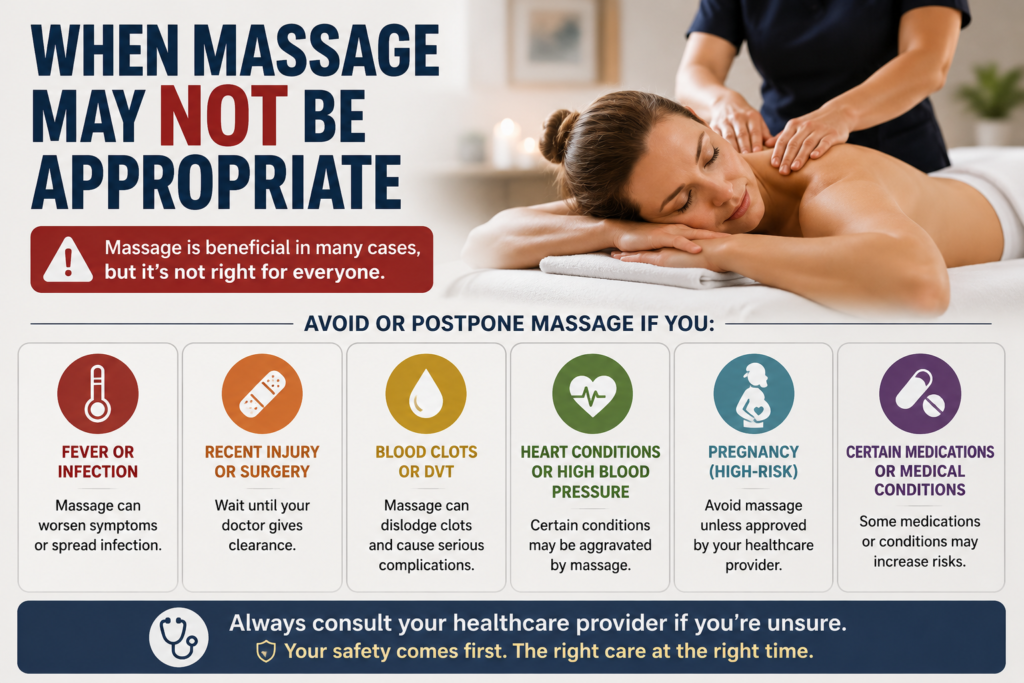
Neck massage may ease muscle tension, but it can worsen some conditions or delay needed care. Severe symptoms, recent injuries, infections, and certain medical conditions require medical advice before massage.
Warning Signs Requiring Medical Care
A person should seek urgent medical care instead of getting a neck massage if a headache:
- Starts suddenly and reaches severe intensity within seconds or minutes
- Follows a head or neck injury
- Occurs with weakness, numbness, confusion, fainting, trouble speaking, or vision loss
- Comes with fever, a stiff neck, a rash, or repeated vomiting
- Is new, unusually severe, or steadily worsening
- Occurs with chest pain or severe dizziness
These symptoms can signal conditions that massage cannot treat. A person with a new headache after age 50, frequent headaches, or a major change in an existing pattern should arrange a medical assessment. Massage should also stop if it causes sharper pain, tingling, dizziness, nausea, or pain spreading into an arm.
Conditions That Need Professional Guidance
People with a recent neck injury, whiplash, suspected fracture, or neck surgery should receive clearance from a clinician first. Deep pressure may aggravate damaged tissues. The same caution applies to people with severe arthritis, nerve problems, blood-clotting disorders, or those taking blood thinners, because massage can cause pain or bruising.
A person with an active skin infection, open wound, severe rash, or swollen lymph nodes should avoid massage over the affected area. Those with migraines may tolerate gentle massage, but strong pressure, bright treatment rooms, or scented oils can trigger symptoms. A licensed therapist can adjust pressure and position after reviewing the person’s health history. Massage should complement, not replace, diagnosis and treatment for recurring headaches.
Prevention Strategies for Recurring Symptoms
Recurring headaches may become less frequent when a person reduces neck strain, improves muscle function, and manages stress. Neck massage can ease muscle tension, but lasting prevention often requires changes in daily posture, movement, sleep habits, and stress responses.
Ergonomic Adjustments
A workstation should keep the head balanced over the shoulders. The monitor should sit at eye level and about an arm’s length away. A chair should support the lower back, while the feet should rest flat on the floor. The elbows should stay near the body, with the wrists in a neutral position.
People who use phones should avoid holding the device between the ear and shoulder. They should raise the phone toward eye level instead of bending the neck down for long periods. During desk work, they should change position every 30–60 minutes and gently move the neck and shoulders.
Sleep posture also matters. A pillow should keep the neck aligned with the spine rather than pushing the head sharply forward or sideways. A physical therapist can help assess persistent posture problems or work-related strain.
Stretching and Strengthening
Gentle movement can reduce stiffness without irritating sensitive muscles. They can slowly turn the head from side to side, tilt each ear toward the shoulder, and draw the chin slightly backward. Each movement should remain comfortable and last about 15–30 seconds. Sharp pain, dizziness, or numbness signals a need to stop.
Strengthening exercises can support the neck and upper back. Chin tucks, shoulder-blade squeezes, and controlled resistance exercises may improve muscle endurance. A person should begin with a small number of repetitions and increase gradually.
Massage may help relax tight muscles, especially around the neck, shoulders, and scalp. It should use light to moderate pressure rather than forceful work. A clinician or physical therapist can recommend exercises when headaches occur often or movement remains limited.
Stress Management
Stress can increase muscle tension and may worsen tension-type headaches or migraine symptoms. Regular routines can help reduce this effect. They may include slow breathing, brief walks, progressive muscle relaxation, or quiet stretching.
A person can try breathing slowly for five minutes, with a longer exhale than inhale. Short breaks during work can prevent the shoulders from staying raised and the jaw from clenching. Good sleep, regular meals, enough fluids, and moderate caffeine use may also support headache prevention.
A headache diary can identify patterns involving stress, posture, sleep, skipped meals, or prolonged screen use. Medical advice is important for sudden severe pain, new neurological symptoms, fever with neck stiffness, or headaches that steadily become more frequent.
FAQs
Can neck massage help a headache?
Neck massage may provide short-term relief when muscle tension, stress, or poor posture contributes to a tension-type headache. It may relax tight muscles and reduce discomfort, but it does not treat every headache cause.
Can massage help a migraine?
Gentle massage may help some people relax during or between migraine attacks. Strong pressure, bright rooms, or certain scents can worsen symptoms, so anyone with migraine should stop if symptoms increase.
How should someone massage the neck safely?
They should use light to moderate pressure on the neck muscles and shoulders for a few minutes. They should avoid pressing directly on the spine, throat, or areas that feel injured, numb, or swollen.
When should someone avoid neck massage?
Massage should wait after a recent neck injury or when a person has severe neck pain, weakness, numbness, dizziness, fever, or signs of infection. A health professional can advise people with blood-clotting problems or other serious conditions.
When does a headache require medical care?
A sudden, severe headache requires urgent evaluation, especially if it follows an injury or occurs with confusion, fainting, vision changes, weakness, or trouble speaking. Repeated or worsening headaches also need medical assessment.
Conclusion
Neck massage may ease headaches linked to muscle tension in the neck, shoulders, or upper back. Gentle massage can relax tight muscles and reduce stress, which may provide short-term relief for some tension headaches and migraines.
A person should use light pressure and stop if the pain worsens. Massage should not replace medical care, especially when headaches occur often or change in pattern.
A healthcare professional should assess a sudden, severe headache or one that occurs with weakness, confusion, fainting, fever, vision changes, stiff neck, or trouble speaking. Medical advice is also important after a head injury or when self-care does not help.