
By Ryan Mitchell
Last updated: October 27, 2026
Quick Answer: A warm or hot bath may help many people feel calmer in the short term by relaxing muscles, supporting the body’s rest-and-digest response, and sometimes improving sleep. It is not a treatment or cure for anxiety disorders. Use it as one gentle tool alongside professional care when needed.
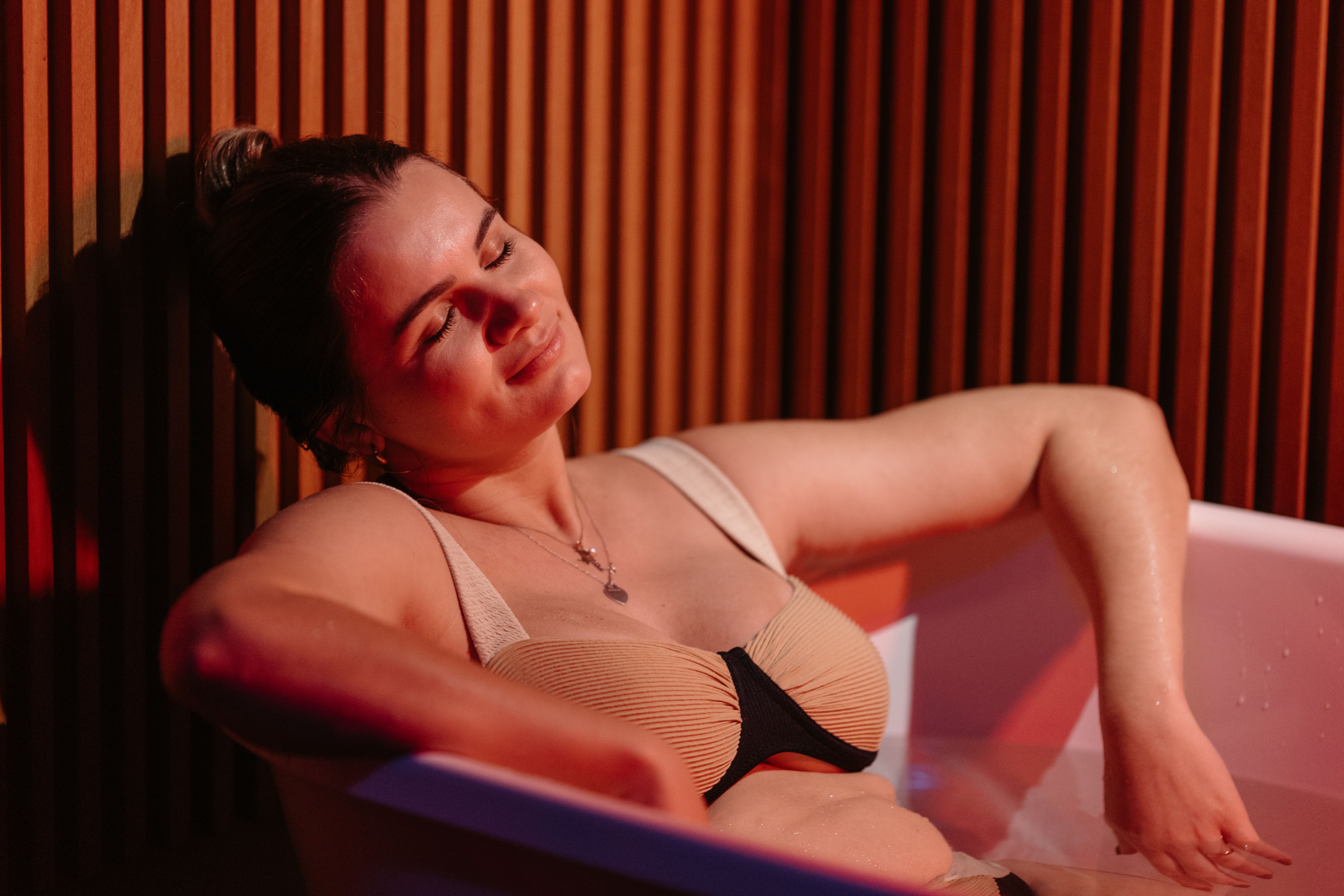
When stress builds, a hot bath often feels like an obvious first step. People turn to it because the water is available, private, and requires no special equipment. The real question is whether the relief is more than temporary comfort.
Research on warm-water immersion and balneotherapy (therapeutic bathing) shows that many adults experience short-term drops in anxiety scores, lower tension, and better mood after a soak. The effect is usually modest and temporary. It works best as part of a broader routine rather than a standalone solution.
Key Takeaways
- Warm water can shift the nervous system toward rest mode and ease muscle tightness.
- Benefits are typically short-term; a bath does not replace therapy or medical care.
- Temperature, timing, and personal health conditions matter for safety and comfort.
- Pairing a bath with simple wind-down habits often feels more helpful than the soak alone.
How a Hot Bath May Ease Anxiety Symptoms
Stepping into warm water raises skin and core temperature slightly. Blood vessels near the surface open, circulation increases, and muscles that have been holding tension begin to soften. That physical change sends signals to the brain that the body is safer than it felt moments earlier.
Many studies of hydrotherapy and balneotherapy report reductions in anxiety scores and improvements in mood measures after warm immersion. The changes are usually modest. People often describe feeling less tense, more grounded, and better able to fall asleep later.
The buoyancy of water also reduces the load on joints and large muscle groups. For someone whose anxiety shows up as tight shoulders, a clenched jaw, or restless legs, that physical lightness can interrupt the cycle of tension feeding worry.
What Happens During a Warm Soak (Simple View)
1. Heat arrives
Skin warms, vessels dilate, blood flow rises.
2. Muscles ease
Tight areas soften; posture softens too.
3. Nervous system shifts
Rest-and-digest signals increase for many people.
4. Mind follows body
Racing thoughts often slow; sleep may come easier later.
What the Evidence Actually Shows
Meta-analyses of hydrotherapy and balneotherapy have found statistically significant reductions in anxiety scores among adults. Individual studies comparing immersion bathing with showering often favor the full soak for mood and tension measures. Effects appear within a single session for many participants and can accumulate with regular use.
Important limits exist. Most trials look at short-term outcomes. Results vary by person, water temperature, session length, and baseline anxiety level. A bath is not equivalent to evidence-based treatments such as cognitive behavioral therapy or medication when those are indicated. Think of it as a supportive habit, not a primary intervention.
Comparison of Bath Approaches and Typical Effects
Different ways of using water produce different experiences. The table below summarizes common patterns reported in research and everyday use. Individual responses differ.
| Approach | Typical Sensation | Common Reported Benefit | Best Used When |
|---|---|---|---|
| Warm immersion (around 100–104°F / 38–40°C) | Deep muscle ease, gentle warmth | Reduced tension, calmer mood | Evening wind-down or after high-stress day |
| Hotter soak (above 104°F) | Strong heat, faster sweating | May feel intense; not always more helpful | Only if well tolerated and short duration |
| Warm shower | Surface warmth, standing posture | Milder relaxation for many | Quick refresh when a full bath is not practical |
| Cool or cold water | Sharp alertness, invigoration | Can interrupt spiraling thoughts for some | Short exposure when warmth feels overstimulating |
| Mineral or spa-style bath | Similar warmth plus mineral feel | Comparable mood and tension benefits in studies | When available and temperature is controlled |
Interpretation: Most people do best with comfortably warm rather than extreme heat. Cooler options can serve a different purpose and are not interchangeable.
Practical Ways to Use a Bath for Everyday Calm
A helpful bath is simple. Aim for water that feels warm and inviting, not scalding. Many people find 100–104°F (about 38–40°C) comfortable for 10–20 minutes. Stay long enough to notice the body soften, then get out before you feel overheated or lightheaded.
Timing matters. An evening soak one to two hours before bed can support the natural drop in core temperature that helps sleep onset. A daytime bath can interrupt a tense afternoon if you have the privacy and time.
Simple Evening Bath Routine
PREP
Dim lights, set phone aside, fill tub
SOAK
10–20 min, slow breathing optional
EXIT
Dry off, light stretch or quiet time
SLEEP
Keep lights low for the next hour

Who May Find Baths Especially Helpful
Certain situations make a warm bath a natural fit. The table below outlines common matches and cautions. Always consider personal health history.
| Situation | Why a Bath May Fit | Extra Caution |
|---|---|---|
| Muscle tension from stress | Heat and buoyancy soften held areas | Avoid if acute injury is present |
| Difficulty winding down at night | Supports natural temperature drop before sleep | Keep sessions moderate length |
| Need for a private reset | Creates a clear sensory break from screens and noise | Stay hydrated and do not lock the door if alone and at risk of dizziness |
| Mild everyday worry | May interrupt the physical side of anxiety | Seek professional support if symptoms are frequent or intense |
Safety Notes and Who Should Check First
Warm baths are safe for most healthy adults when temperature and time are moderate. Certain groups need extra care. People who are pregnant are generally advised to avoid overheating and very hot water; a comfortably warm shower is often preferred. Anyone with cardiovascular conditions, low blood pressure, diabetes-related neuropathy, recent surgery, or open skin issues should speak with a clinician before using hot water regularly.
Stop the bath and get out carefully if you feel dizzy, nauseated, overly hot, or unwell. Keep the water level safe, avoid alcohol before or during a soak, and make sure the bathroom floor is not slippery when you exit.
Safety Note
If you have a diagnosed anxiety disorder, ongoing panic symptoms, or any medical condition that affects circulation or temperature regulation, discuss bath routines with a qualified healthcare professional. A bath can be a helpful comfort measure but does not replace clinical care.
Suitable-Use vs. Extra-Care Cards
Generally Suitable
- Healthy adults seeking everyday calm
- Mild muscle tightness from stress
- Evening wind-down support
- Short sessions with moderate heat
Check First or Adjust
- Pregnancy (avoid overheating)
- Heart or blood-pressure conditions
- Balance or dizziness concerns
- Recent injury, surgery, or open skin
Common Mistakes That Reduce Benefit or Safety
Small adjustments often make the experience more helpful. The table lists frequent issues and simple fixes.
| Common Mistake | Why It Matters | Better Approach |
|---|---|---|
| Water too hot | Can raise heart rate and cause lightheadedness | Aim for comfortably warm; test with wrist or elbow |
| Staying too long | May lead to dehydration or overheating | Start with 10–15 minutes and notice how you feel |
| Scrolling on a phone | Keeps the mind in stimulation mode | Leave devices outside or use only soft audio |
| Expecting it to “fix” anxiety | Sets up disappointment and all-or-nothing thinking | Treat it as one supportive tool among several |
Building a Broader Calm Routine
A bath works best when it sits inside a larger pattern of care. Many people combine a short soak with slow breathing, a few minutes of gentle stretching afterward, or a consistent bedtime. Others find that following the bath with a quiet activity such as reading or light self-massage helps the calm last longer.
If you enjoy hands-on relaxation, a simple home wellness massage routine after the bath can feel complementary. You can explore practical steps in our guide to wellness massage at home. For readers who are pregnant and looking for lower-heat options, our article on stress relief safety during pregnancy offers additional context.
Decision Path: Is a Bath Right Right Now?
Feeling tense but otherwise well? A 10–20 minute warm soak is a reasonable option for many people.
Feeling dizzy, unwell, or overheated already? Skip the bath; try cool air, water, or rest instead.
Anxiety is frequent, intense, or interfering with daily life? A bath may still feel nice, but professional support is the higher priority.
Timing Ideas Across a Typical Day
Different times of day serve different purposes. Use the schedule below as a flexible starting point, not a rigid rule.
| Time of Day | Possible Goal | Suggested Length |
|---|---|---|
| Late afternoon | Interrupt accumulated tension | 10–15 minutes |
| Early evening | Create a clear end to the workday | 15–20 minutes |
| 1–2 hours before bed | Support sleep onset | 10–20 minutes, then keep lights low |
| Morning (if preferred) | Gentle start instead of rushed shower | Shorter, slightly cooler if needed for alertness |
Illustrative Complexity Meter (Everyday Anxiety Support)
This is a practical illustration only, not a research scale. It shows relative effort and likely role of a bath among common options.
LOW EFFORT
Warm bath or shower
MEDIUM
Breathing + short walk
HIGHER STRUCTURE
Therapy or guided programs
FAQ
Does a hot bath really help with anxiety?
For many people, yes in the short term. Warm immersion can relax muscles, support a calmer nervous-system state, and improve subjective feelings of tension. It is not a cure and works best as one supportive habit.
How long should I stay in the bath?
Most people do well with 10–20 minutes at a comfortable warm temperature. Longer is not necessarily better and can increase the chance of feeling overheated or lightheaded.
What temperature is best?
A range around 100–104°F (38–40°C) is commonly comfortable and effective for relaxation. Extremely hot water is not required and may reduce safety for some people.
Can I take a hot bath if I am pregnant?
Many clinicians advise against overheating and very hot water during pregnancy. A comfortably warm shower is often preferred. Check with your prenatal care provider for guidance tailored to you.
Will a bath help during a panic attack?
Some people find the sensory focus of water grounding. Others prefer cooler temperatures or different techniques. If panic attacks are frequent, professional support is the more important step; a bath is optional comfort, not a primary strategy.
Is a bath better than a shower for anxiety?
Immersion bathing often produces stronger relaxation and mood effects than showering in comparative studies, likely because of sustained heat and buoyancy. A warm shower still offers benefit when a full bath is not practical.
Final Thoughts
A hot or warm bath can be a genuine, low-cost way to ease the physical side of everyday anxiety for many people. The warmth, buoyancy, and quiet time often help the body shift out of high-alert mode. The benefit is usually temporary and works best when combined with other steady habits and, when needed, professional care.
Keep the water comfortably warm, keep sessions moderate, and pay attention to how your body responds. If anxiety is frequent, intense, or limiting your life, reach out to a qualified healthcare professional. A good bath can support comfort; it does not replace the care that some situations require.

