
By Ryan Mitchell
Last updated: October 25, 2026
As an Amazon Associate, we earn from qualifying purchases.
Quick Answer: Biofeedback relaxation training uses sensors to show real-time body signals—such as heart rate, muscle tension, or breathing—so you can practice small changes that support a calmer state. With guidance and practice, many people learn to notice and adjust these responses without the equipment.
When stress builds, the body often tightens muscles, speeds the heart, or shifts breathing into short, shallow patterns. Most of us notice the end result—shoulders up near the ears or a racing pulse—long after it has started. Biofeedback relaxation training makes those early signals visible so you can respond sooner.
This approach is a mind-body skill, not a medical treatment or a promise of specific outcomes. It simply pairs real-time information from sensors with simple techniques such as slower breathing or progressive muscle release. Over time, the goal is to recognize the same signals without the devices and apply the skills in daily life.
Key Takeaways
- Sensors display live data on functions such as heart rate, muscle activity, skin temperature, or breathing patterns.
- You practice simple skills—slow breathing, muscle release, focused attention—while watching the feedback change.
- Common types include EMG (muscles), HRV (heart-rate patterns), thermal (skin temperature), and respiratory biofeedback.
- Results vary; it is a learning process that works best with consistent practice and professional guidance when needed.
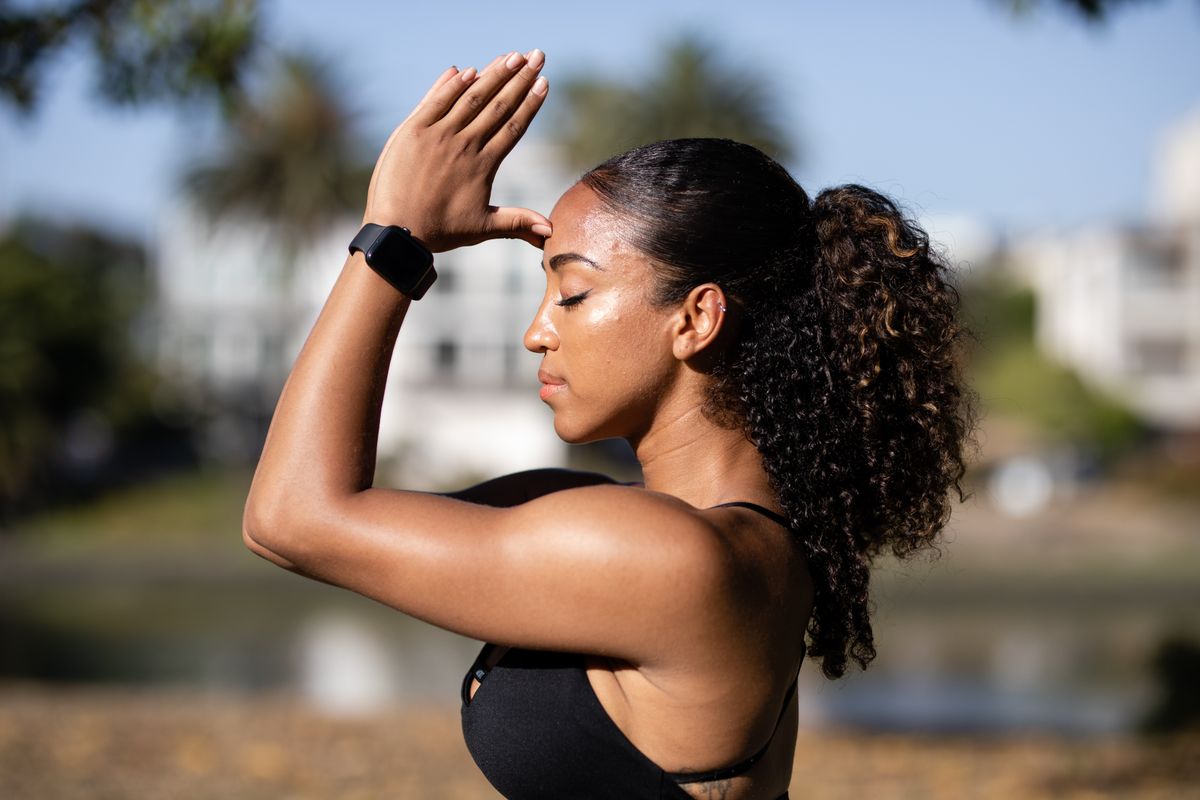
What Biofeedback Relaxation Training Actually Is
Biofeedback is a training method that turns otherwise hard-to-notice body processes into clear signals you can see or hear. Sensors placed on the skin measure a chosen function and send the data to a screen, speaker, or simple display. A trained practitioner (or, later, a carefully chosen home device) helps you experiment with small changes—such as lengthening the exhale or softening a tight shoulder—and watch the numbers or graphs respond.
The “relaxation training” part refers to the specific skills practiced while the feedback is running. These often include diaphragmatic (belly) breathing, progressive muscle relaxation, guided imagery, or simple mindfulness of body sensations. The combination is sometimes called biofeedback-assisted relaxation training. Once the skills become familiar, many people continue them without the sensors.
It is not a diagnosis, a cure, or a substitute for medical care. It is a practical way to increase awareness of how the body reacts under everyday pressure and to practice voluntary shifts toward a quieter state.
How the Feedback Loop Works
1. Sense
Sensors detect muscle tension, heart rhythm, breathing, or temperature.
2. Display
A screen or tone shows the live data so you can see the pattern.
3. Adjust
You try a technique and watch whether the signal moves toward calm.
4. Practice
Repeated sessions build the ability to notice and shift without devices.
Common Types Used for Relaxation
Different sensors target different body signals. A practitioner chooses the modality that best matches the goal—muscle release, slower breathing, or overall autonomic quieting.
Types of Biofeedback at a Glance
This table summarizes the main modalities most often used when the focus is relaxation and everyday tension.
| Type | What it measures | Typical relaxation focus |
|---|---|---|
| EMG (muscle) | Electrical activity in muscles | Releasing jaw, neck, shoulder, or forehead tension |
| HRV / heart rate | Beat-to-beat heart rhythm changes | Slow, steady breathing that supports variability |
| Thermal | Skin temperature (often fingers) | Warming extremities as a marker of reduced stress response |
| Respiratory | Breath rate and pattern | Diaphragmatic, slower breathing |
| Electrodermal | Skin conductance (sweat gland activity) | Awareness of sympathetic arousal |
| EEG (neurofeedback) | Brain-wave patterns | Training toward calmer or more focused states |
Interpretation: EMG and respiratory or HRV approaches are among the most common starting points for general relaxation goals. Choice depends on the individual and the clinician’s assessment.
Suitable Use vs. Extra Caution
Often explored for
- Everyday tension and stress awareness
- Learning slower breathing habits
- Noticing muscle bracing habits
- Supporting a personal relaxation routine
Check with a clinician first
- Pregnancy or postpartum recovery
- Implanted devices (e.g., pacemaker)
- Recent injury, surgery, or acute pain
- Significant cardiac, respiratory, or neurological conditions
What Happens in a Typical Session
A clinical session usually lasts 30–60 minutes. Sensors are attached to clean skin—fingers, forehead, shoulders, or chest depending on the type. You sit or recline comfortably while the practitioner explains the display. After a short baseline, you practice a technique and watch the feedback. The practitioner coaches timing, posture, and subtle adjustments. Home practice instructions are almost always given between visits.
Home devices (heart-rate variability trainers, simple breathing coaches, or consumer EEG headbands) follow a similar logic but without live professional coaching. Quality and accuracy vary widely; reading current product details and, when possible, discussing options with a clinician is wise.
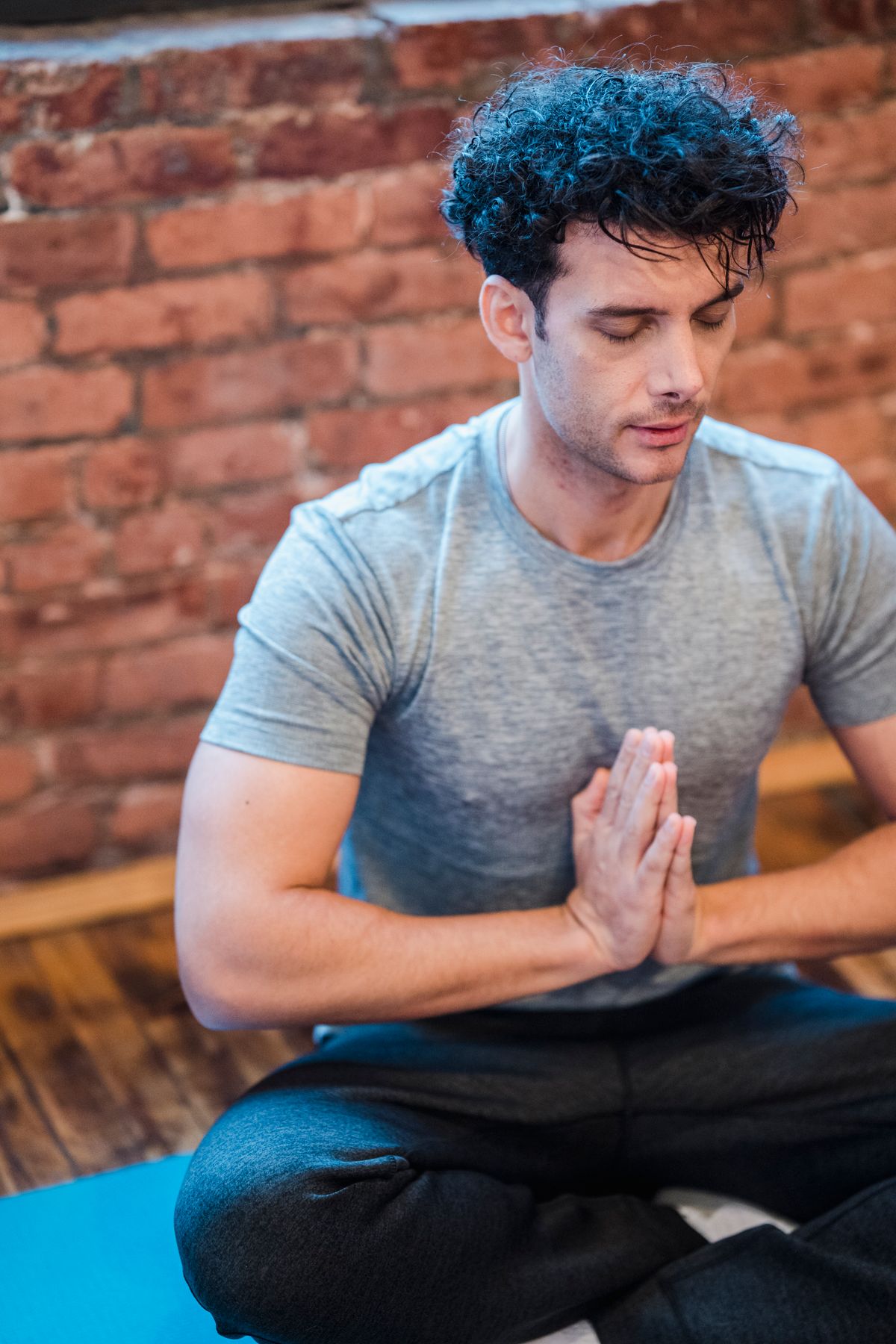
Core Techniques Practiced with Feedback
These methods are frequently paired with sensors so you can see the body respond in real time.
| Technique | Simple description | What feedback often shows |
|---|---|---|
| Diaphragmatic breathing | Gentle belly rise on inhale, longer softer exhale | Slower rate, smoother heart-rate pattern |
| Progressive muscle relaxation | Tense a muscle group briefly, then release fully | Drop in EMG readings after release |
| Autogenic-style phrases | Quiet mental suggestions of heaviness or warmth | Possible rise in finger temperature |
| Guided imagery / focus | Attention on a calm scene or body sensation | Reduced arousal markers for some people |
These techniques can also be practiced without sensors once the feeling of the shift is familiar.
Sample 10-Minute Home Practice Outline
- Settle (1 min) — Sit supported, feet on the floor, soften the gaze or close the eyes.
- Baseline notice (1–2 min) — Observe natural breath and any obvious tension without changing anything.
- Guided breathing (4–5 min) — Aim for a comfortable slower pace (often around 5–7 breaths per minute for many adults). Watch any device feedback if available.
- Muscle release (2 min) — Briefly tense then release shoulders, hands, or jaw once or twice.
- Close (1 min) — Return to ordinary breathing and note any difference before standing.
Who May Find It Useful and Practical Limits
People exploring better awareness of stress responses, tension habits, or breathing patterns often try biofeedback relaxation training. It has been studied in various contexts related to headaches, muscle tension, and stress management, yet individual results differ and it is not a universal solution. Motivation, consistent practice, and realistic expectations matter more than any single session.
It does not replace evaluation or treatment for medical or mental-health conditions. If symptoms are severe, sudden, or worsening, professional care comes first. For pregnancy, postpartum recovery, or existing health conditions, a clinician’s guidance is the safest starting point. Related gentle approaches such as a simple home wellness massage routine or calm stress-relief options during pregnancy can complement the skills once safety is confirmed.
Realistic Expectations Versus Common Misconceptions
| Helpful view | Less accurate view |
|---|---|
| A skill that improves with practice | A one-time fix or guaranteed result |
| Feedback helps you notice subtle changes | The machine itself “relaxes” you |
| May support everyday comfort for some | Treats or cures medical conditions |
| Best learned with guidance first | Any consumer device works the same for everyone |
Keeping expectations practical protects both motivation and safety.
Decision Path: Clinical vs. Home Start
Prefer clinical first if
You have complex symptoms, want personalized coaching, or need insurance documentation.
Home devices may suit if
You already know basic breathing skills and want simple ongoing practice feedback.
Either way
Stop if pain, dizziness, or unusual symptoms appear and consult a qualified professional.
Home Devices and Simple Support Tools
Consumer options range from finger or ear pulse sensors paired with apps, to breathing coaches, to more advanced EEG headbands. Accuracy, comfort, and software quality differ. Look for clear instructions, reasonable return policies, and realistic claims. Avoid products that promise medical outcomes.
If you are exploring general heart-rate or breathing biofeedback tools, you can review current options on Amazon with a search such as HRV biofeedback device. Always verify current specifications and suitability for your situation.
Features That Matter for Everyday Use
| Feature | Why it helps | Practical note |
|---|---|---|
| Clear real-time display | Lets you link action to response | Prefer simple graphs over busy screens |
| Comfortable sensors | Supports longer practice without irritation | Check sizing and skin sensitivity |
| Guided sessions | Reduces guesswork for beginners | Look for adjustable pacing |
| Honest documentation | Sets realistic expectations | Avoid medical cure language |
No single device is ideal for every person; comfort and consistency usually matter more than extra features.
Safety Reminder Panel
Safety Note
Biofeedback sensors are generally noninvasive, yet individual responses differ. Stop any session that produces pain, dizziness, shortness of breath, or unusual symptoms. People who are pregnant, have implanted electronic devices, or manage significant medical conditions should speak with a qualified healthcare professional before beginning. Follow manufacturer instructions for any home device and keep practice sessions comfortable rather than forced.
Building a Sustainable Routine
Short, regular practice usually outperforms occasional long sessions. Many people start with 5–10 minutes a few times a week and gradually lengthen or add variety. Pairing the skills with existing habits—after a morning stretch, during a work break, or as part of an evening wind-down—helps them stick.
Sample Weekly Rhythm
| Day type | Suggested focus | Length |
|---|---|---|
| Most days | Slow breathing awareness | 5–8 minutes |
| 2–3 days | Breathing + progressive muscle release | 10–15 minutes |
| As needed | Short reset during a tense moment | 2–3 minutes |
Adjust frequency and length to fit energy and schedule; consistency beats perfection.
Troubleshooting Common Hurdles
Feedback feels confusing
Simplify: focus on one signal and one technique for a week.
Hard to stay consistent
Link practice to an existing daily anchor and keep sessions short.
No obvious change
Progress is often gradual; note subtle shifts in awareness rather than dramatic numbers.
Frequently Asked Questions
Is biofeedback the same as meditation?
No. Meditation is a broader family of attention practices. Biofeedback adds real-time physiological data so you can see how specific techniques affect body signals. Many people combine the two.
How many sessions are usually needed?
There is no fixed number. Some people notice useful awareness after a few guided sessions; others continue for several weeks or months. Home practice between sessions often matters as much as formal training time.
Can I learn the skills without any sensors?
Yes. Once you recognize the internal feelings of slower breathing or muscle release, you can practice those skills anywhere. Sensors mainly speed up the learning curve by making the changes visible.
Are home devices accurate enough?
Consumer devices vary. They can be useful for practice awareness but are not clinical diagnostic tools. Choose reputable options, read current specifications, and treat the data as guidance rather than medical fact.
Is it safe during pregnancy?
Gentle breathing and awareness practices are often considered low-risk for many people, yet every pregnancy is different. Discuss any new technique or device with your prenatal care provider before starting.
Does insurance cover clinical biofeedback?
Coverage depends on the diagnosis, provider credentials, and plan. Ask the clinic and your insurer about documentation and eligible conditions before beginning a series of sessions.
Final Thoughts
Biofeedback relaxation training is essentially a mirror for body signals you can learn to influence. Sensors make heart rate, muscle tension, breathing, or temperature visible; simple techniques give you something practical to try while watching the feedback. With repetition, many people carry the same awareness into ordinary moments without equipment.
Keep the practice gentle, short, and consistent. Pair it with realistic expectations and professional guidance whenever health questions arise. The most useful outcome is usually a clearer sense of how your own body responds under pressure—and a few reliable ways to invite a quieter state when you need it.

