
Written by Alex Turner
Quick Answer: Are percussion massagers FSA eligible?
Sometimes. A percussion massager may qualify for FSA reimbursement when it is needed to treat a specific medical condition and your plan accepts the required documentation. FSAFEDS currently lists massager guns/devices as eligible with appropriate documentation, including a letter of medical necessity and detailed receipt.
The FSA Question Is About Medical Use, Not Just the Product
A percussion massager can look like an ordinary wellness product, but FSA rules can depend on why you are buying it and what documentation supports the expense. That means a massage gun sold with an “FSA eligible” label is not necessarily guaranteed to qualify under every individual FSA plan.
The practical question is whether the device is being purchased primarily for an eligible medical purpose and whether your administrator requires proof such as a letter of medical necessity (LMN). The safest approach is to confirm the requirement before using FSA funds.
Important: This article is for general educational information only. It does not diagnose, treat, cure, or prevent any condition. It does not replace advice from a licensed healthcare professional. Readers should seek professional help for severe, worsening, unusual, or persistent symptoms.
What FSA Eligibility Usually Means for a Percussion Massager
For federal tax purposes, medical expenses generally involve diagnosis, cure, mitigation, treatment, or prevention of disease, or expenses affecting a body function. IRS guidance also distinguishes medical care from items purchased simply for general health or wellness. That distinction is important when considering a handheld massage device. :contentReference[oaicite:0]{index=0}
FSAFEDS, the federal employee Health Care FSA program, specifically lists “massager guns/devices” as eligible with appropriate documentation when used as treatment for a medical condition. Its current listing says a letter of medical necessity signed by a doctor and a detailed receipt are required. :contentReference[oaicite:1]{index=1}
That does not mean every FSA participant has identical claim rules. Your employer’s FSA administrator may have its own claim-submission process, documentation standards, or preapproval requirements. So think of general IRS eligibility as the underlying tax framework and your plan administrator’s rules as the practical checkpoint for reimbursement.
The key distinction: medical purpose vs. general wellness
Buying a percussion massager simply because you enjoy massage, exercise recovery, relaxation, or everyday muscle comfort may not establish the medical purpose required for reimbursement. The IRS states that expenses merely beneficial to general health do not qualify as medical expenses. :contentReference[oaicite:2]{index=2}
By contrast, a device may receive different consideration when it is specifically needed as part of care for a diagnosed medical condition and the required documentation supports that purpose. The exact claim decision still belongs to the FSA administrator.
Eligibility at a glance
Swipe left/right to see the full table →
| Situation | Potential FSA Position | Typical Documentation Question |
|---|---|---|
| General wellness | May not qualify | Is there a specific medical purpose? |
| Treatment of medical condition | May qualify | Does the plan require an LMN? |
| FSAFEDS-listed use | Eligible with documentation | LMN plus detailed receipt |
| Retailer says “FSA eligible” | Not a universal guarantee | Confirm with your administrator |
The table is a practical screening guide rather than a promise of reimbursement. Your plan’s claim rules should be the final checkpoint before purchase.
Why a Letter of Medical Necessity Can Matter

A letter of medical necessity, often called an LMN, connects the purchase to a qualifying medical purpose. For FSAFEDS, the current expense list specifically identifies an LMN signed by a doctor plus a detailed receipt for massager guns/devices used as treatment for a medical condition. :contentReference[oaicite:3]{index=3}
The important point is that an LMN is not simply a note saying that a massage gun is useful. Documentation generally needs to establish the medical reason for the expense. Your FSA administrator can tell you what information the letter must contain and whether a particular provider’s documentation is accepted.
Practical documentation path
This sequence reduces avoidable claim problems because you are checking eligibility before assuming the purchase will be reimbursed.
What documentation may be relevant?
Swipe left/right to see the full table →
| Document | Purpose | Check Before Filing |
|---|---|---|
| Detailed receipt | Shows purchase | Keep the itemized version |
| Letter of medical necessity | Links device to medical need | Ask administrator for requirements |
| Product information | Identifies device | Keep model and purchase details |
| Plan instructions | Explains claim process | Use current requirements |
Note: FSAFEDS says receipts and supporting documentation should be retained because the IRS may request itemized receipts to verify eligibility. A credit-card receipt by itself may not provide enough detail. :contentReference[oaicite:4]{index=4}
Common Reasons an FSA Claim Can Go Wrong
The most common mistake is treating a product’s retail label as a guarantee. Eligibility is tied to the applicable medical-expense rules and your plan’s reimbursement process, not merely to the fact that a device is sold by a retailer that accepts FSA cards.
Do’s and don’ts for a cleaner claim
Do
Confirm your administrator’s rules, obtain required documentation before purchase when possible, and keep the detailed receipt.
Don’t
Assume a retailer’s “FSA eligible” badge guarantees reimbursement or submit a general-wellness purchase as a medical expense without checking the rules.
Mistake vs. better approach
Swipe left/right to see the full table →
| Mistake | Better Choice | Why It Helps |
|---|---|---|
| Trusting a badge | Check your plan | Plans can differ |
| Buying first | Ask first | Avoids reimbursement surprises |
| Keeping only card receipt | Keep itemized receipt | Supports the claim |
| Calling wellness “medical” | Document medical purpose | Matches the eligibility framework |
Another mistake is confusing a product’s intended use with your personal reason for purchasing it. If you are buying a device mainly for post-workout relaxation, that does not automatically become an eligible medical expense simply because the device can also be used in a clinical setting.
Warning: Do not create or alter documentation to make a purchase appear medically necessary. If your claim is unclear, ask the FSA administrator what evidence it requires before submitting the expense.
How to Check Before Spending FSA Funds
If you are considering a percussion massager, a short verification process can prevent a costly surprise. Start with the plan administrator rather than assuming that a product listing settles the question.
Eligibility decision path
If the answer to any step is uncertain, pause before purchasing. A quick message to the plan administrator can clarify whether you need an LMN, whether the expense must be preapproved, and which receipt details are required.
Four questions to ask your FSA administrator
1. Is the category covered?
Ask whether a percussion massage device is an eligible expense under your particular Health Care FSA.
2. Is an LMN required?
Ask whether a letter of medical necessity is needed and what information it must contain.
3. What receipt is acceptable?
Confirm whether the administrator requires an itemized receipt, product description, date, or other information.
4. Can I use the FSA card?
Card acceptance does not always answer the reimbursement question, so ask how your plan handles this purchase.
What About Using the Device Safely?
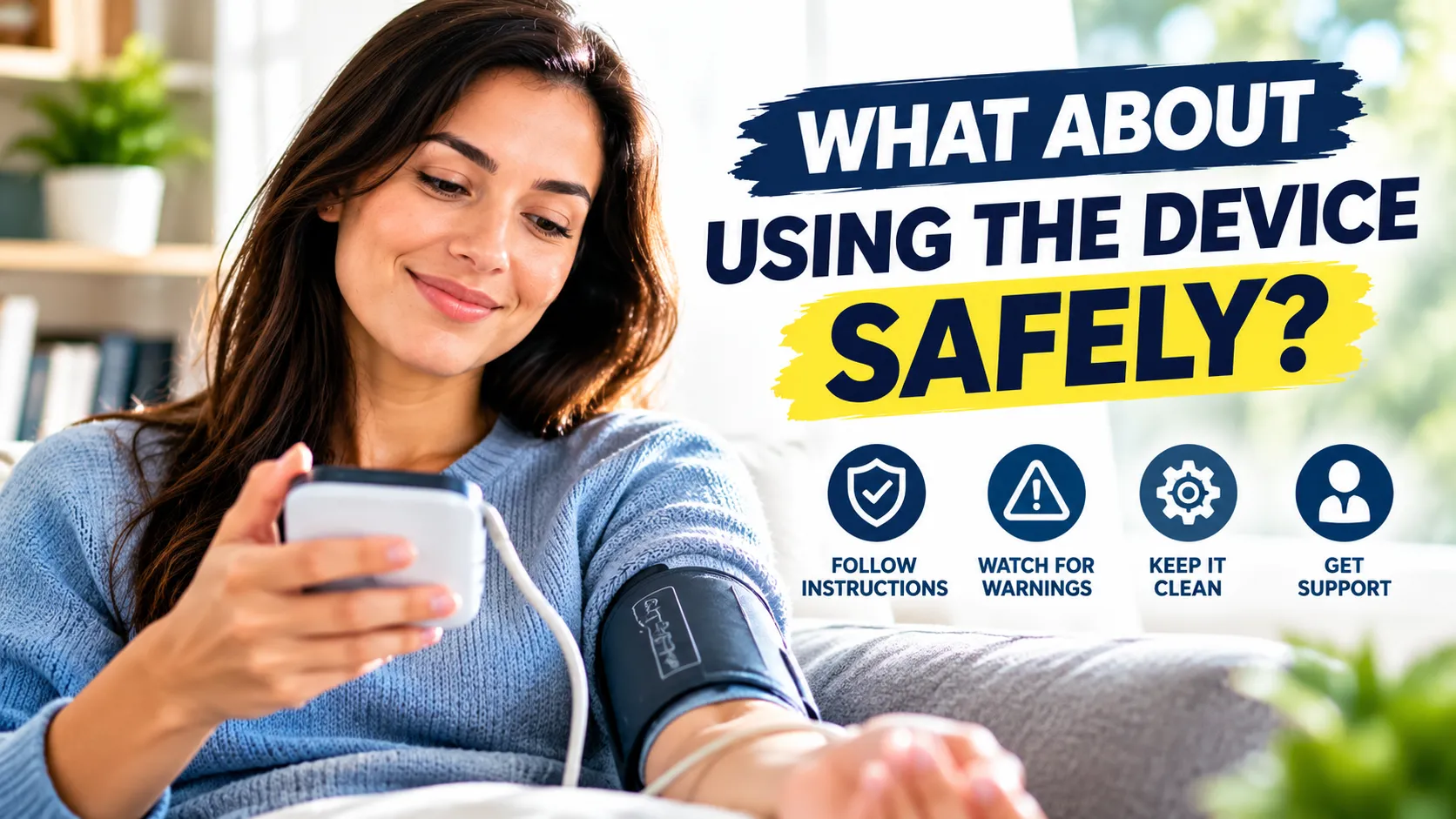
FSA eligibility and physical safety are separate questions. A purchase can potentially qualify financially while still being inappropriate for a particular person or body area. Follow the manufacturer’s instructions and avoid using a percussion massager over areas where the manufacturer warns against percussion or where a healthcare professional has advised against it.
Do not use reimbursement eligibility as a reason to increase the intensity, duration, or frequency of massage. If a device causes significant pain, swelling, numbness, weakness, skin injury, or symptoms that are worsening, stop using it and seek appropriate professional guidance.
General practical risk guide
Routine use with no concerning symptoms
Lower practical concern when used as directed
New or increasing discomfort
Pause and reassess rather than increasing intensity
Severe or unusual symptoms
Prioritize professional evaluation
These bars are a practical guide, not a medical risk score. The safest choice depends on the symptoms, the reason for use, and any instructions from a healthcare professional.
When self-care and professional advice differ
Swipe left/right to see the full table →
| Situation | Reasonable Next Step | Do Not Ignore |
|---|---|---|
| Mild routine discomfort | Follow device directions | Symptoms that worsen |
| Persistent pain | Discuss with a professional | No improvement or unusual signs |
| Numbness or weakness | Seek professional evaluation | Do not keep increasing massage intensity |
| Serious injury or severe symptoms | Seek urgent medical help | Do not rely on massage alone |
When to contact a professional: Seek professional help for severe, worsening, unusual, or persistent symptoms. Urgent medical attention is appropriate for serious injury, chest pain, significant weakness or numbness, loss of bladder or bowel control, or other symptoms that may indicate a serious problem.
A Simple Way to Think About FSA Eligibility
The answer is not simply “yes” or “no.” The more useful framework is conditional: a percussion massager may qualify when its purchase is connected to an eligible medical purpose and the plan’s documentation requirements are satisfied. FSAFEDS provides a concrete example by listing massager guns/devices for treatment of a medical condition with appropriate documentation. :contentReference[oaicite:5]{index=5}
General wellness is the weaker case. If the purchase is mainly for relaxation, recreational recovery, or ordinary wellness, do not assume that an FSA will reimburse it. IRS guidance generally excludes expenses that are merely beneficial to general health from medical expenses. :contentReference[oaicite:6]{index=6}
The strongest practical step is to contact the administrator before purchase. Ask whether the exact device category qualifies, whether an LMN is required, what the receipt must show, and whether there are any claim deadlines or other plan-specific conditions.
Final eligibility checklist
This checklist does not guarantee reimbursement, but it helps separate a documented medical purchase from an ordinary wellness purchase and gives you the information needed to ask the right questions.
Frequently Asked Questions
Are percussion massagers FSA eligible?
They can be, depending on the medical purpose and your FSA plan’s requirements. FSAFEDS currently lists massager guns/devices as eligible with appropriate documentation when used to treat a medical condition.
Do I need a letter of medical necessity for a massage gun?
Some plans require one. FSAFEDS specifically lists a letter of medical necessity signed by a doctor plus a detailed receipt for massager guns/devices used as treatment for a medical condition.
Can I use FSA money for a massage gun for general recovery?
Do not assume so. General wellness expenses may not meet the medical-purpose standard, so confirm your plan’s rules before using FSA funds.
Does an “FSA eligible” label guarantee reimbursement?
No. A retailer’s label should not replace confirmation from your FSA administrator, particularly when medical-necessity documentation may be required.
What receipt should I keep for an FSA massage gun claim?
Keep the detailed receipt and any supporting documentation your plan requires. FSAFEDS advises retaining itemized receipts and supporting records for verification.
Are all massage devices treated the same way?
Not necessarily. Eligibility can depend on the device, its intended medical purpose, your plan, and the documentation supplied with the claim.
Should I check with my FSA administrator before buying?
Yes. Asking before purchase is the simplest way to confirm whether the device qualifies and whether an LMN, itemized receipt, or other documentation is required.
Final Thoughts
A percussion massager may qualify for FSA reimbursement when it is connected to an eligible medical purpose and your plan’s documentation requirements are met. FSAFEDS currently provides a clear example requiring appropriate documentation, including an LMN and detailed receipt, for massager guns/devices used to treat a medical condition. Check your own administrator’s rules before purchasing or submitting a claim, and seek professional help for severe, worsening, unusual, or persistent symptoms.
Author
-

I’m Alex Turner, a massage product reviewer and wellness writer at RemedyTip. I specialize in researching, evaluating, and comparing massage and recovery products to help readers make informed purchasing decisions. My focus is on practical, evidence-informed product guidance covering muscle recovery, relaxation, everyday comfort, and wellness.
I take a research-driven approach to every product I review. I examine product specifications, features, materials, performance claims, user feedback, durability, comfort, ease of use, and overall value. When appropriate, I also consult trusted industry and health-related sources to verify important information and provide readers with a more complete and balanced view.
I cover a wide range of products, including massage guns, handheld massagers, neck and shoulder massagers, foot massagers, massage chairs, foam rollers, and other recovery tools. Rather than focusing only on marketing claims, I look at how products compare in real-world use and who they are actually suitable for. I also consider different budgets, use cases, and user needs when making recommendations.
At RemedyTip, I’m committed to accuracy, transparency, and unbiased product information. I clearly distinguish between manufacturer claims, available evidence, and my own product analysis so readers can understand the basis of each recommendation. I continuously research new products, technologies, and developments in the massage and recovery space to keep my content current and useful.
My goal is simple: to provide trustworthy, easy-to-understand information that helps readers choose massage and recovery products with greater confidence.

