Ever found yourself asking, ‘Why does my body ache?’ This comprehensive guide delves into the common culprits behind widespread body pain, from everyday stressors like dehydration and poor sleep to underlying medical conditions. Learn to identify potential causes, implement effective self-care strategies, and understand when it’s crucial to consult a doctor for lasting relief and to address why your body aches.
Why Does My Body Ache
There are days when you wake up feeling refreshed and ready to tackle anything. Then there are other days, perhaps more often than you’d like, when you find yourself asking, “Why does my body ache?” It’s a common complaint, a dull throb, a sharp pain, or a widespread tenderness that can range from a minor annoyance to a debilitating hurdle. Understanding why your body aches is the first step toward finding relief and preventing future discomfort.
This comprehensive guide will walk you through the many reasons why your body might be aching, from everyday causes to more serious underlying conditions. We’ll explore how to identify potential culprits, offer practical self-care tips, and help you understand when it’s time to seek professional medical advice. Our goal is to empower you with the knowledge to address the question, “Why does my body ache?” and help you feel better, sooner.
Key Takeaways
- Common Culprits: Dehydration, poor sleep, stress, and muscle overuse are frequent reasons why your body aches.
- Infections and Illnesses: Viral infections like the flu or common cold often cause widespread body aches as part of your body’s immune response.
- Chronic Conditions: Persistent body aches might indicate underlying medical conditions such as arthritis, fibromyalgia, or chronic fatigue syndrome.
- Lifestyle Factors: Pay close attention to posture, nutrition, and exercise habits as they significantly impact body comfort and can contribute to aches.
- Listen to Your Body: Learn to differentiate between temporary soreness and persistent, severe pain or aches that warrant immediate medical attention.
- Self-Care is Key: Staying hydrated, getting adequate rest, engaging in gentle movement, and managing stress are vital strategies for alleviating and preventing aches.
- Seek Professional Help: Consult a doctor if body aches are severe, accompanied by fever, swelling, numbness, or if they don’t improve with self-care measures.
Step 1: Understand What Body Aches Feel Like
Before we dive into the “why,” let’s briefly consider the “what.” Body aches aren’t always the same for everyone, and how you describe your pain can offer clues to its origin. Feeling aches and pains can be a subjective experience, but common descriptions include:
- Dull or Aching: Often associated with muscle fatigue, mild infections, or general stiffness.
- Sharp or Stabbing: Can indicate a more acute injury, nerve pain, or localized inflammation.
- Throbbing: Sometimes linked to inflammation, injury, or headaches that radiate through the body.
- Widespread Tenderness: Often felt all over the body, characteristic of conditions like fibromyalgia, systemic infections, or extreme fatigue.
- Localized Pain: Confined to a specific area, pointing to an injury or issue in that particular spot.
The Body’s Warning System
It’s important to remember that pain, including body aches, is your body’s way of telling you something is amiss. It’s a crucial warning system designed to protect you. Ignoring persistent aches can sometimes lead to more serious issues down the line. So, when you ask “Why does my body ache?”, you’re starting a vital conversation with your body.
Step 2: Explore Common Everyday Causes
Many times, the answer to “Why does my body ache?” lies in simple, everyday factors that can often be resolved with minor adjustments to your routine. These are the most frequent culprits behind general body aches.

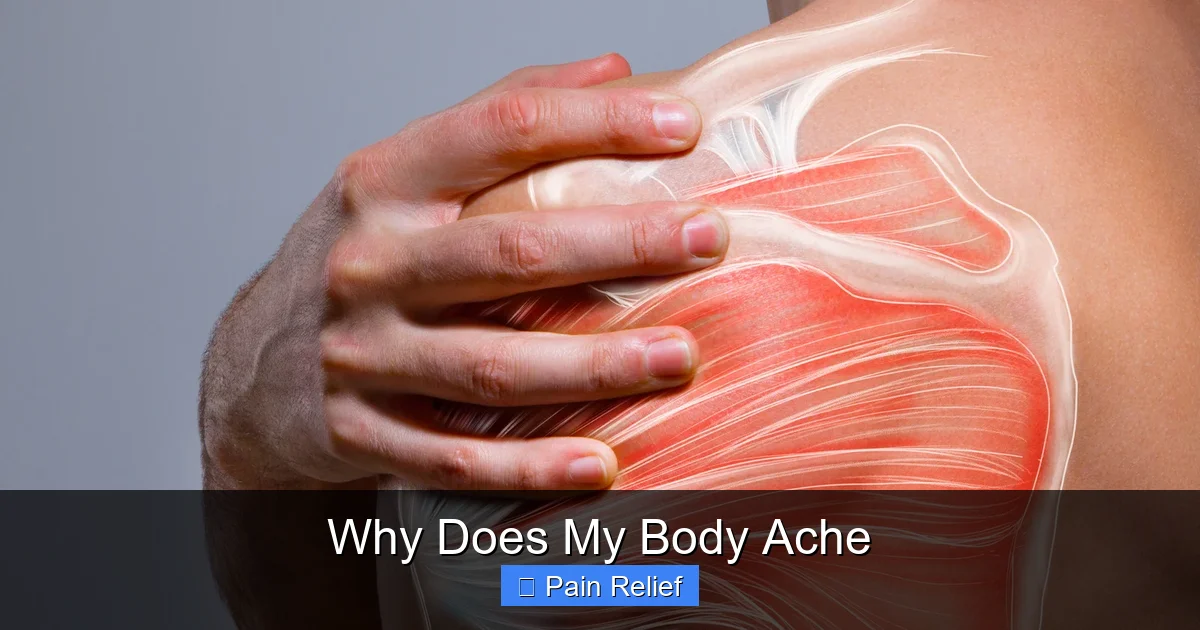
Visual guide about Why Does My Body Ache
Image source: media.happiesthealth.com
Muscle Strain and Overuse: The “Too Much” Factor
Have you recently started a new exercise routine, lifted something heavy, or spent hours on a repetitive task? This is one of the most common reasons why your body aches. Overexertion causes microscopic tears in muscle fibers, leading to inflammation and pain. This soreness usually appears 24-48 hours after activity, known as Delayed Onset Muscle Soreness (DOMS).
- Practical Tip: Gradually increase activity levels, warm up before exercise, and cool down with gentle stretching. Rest is crucial for muscle recovery.
Dehydration: The Thirsty Body
Believe it or not, not drinking enough water can make your body ache. Water is essential for every bodily function, including lubricating joints, transporting nutrients, and helping muscles contract efficiently. When you’re dehydrated, your muscles can cramp and feel fatigued, leading to widespread body aches.
- Practical Tip: Aim for at least 8 glasses of water a day, more if you’re active or in a hot climate. Keep a water bottle handy as a reminder.
Lack of Sleep: The Rest Deficit
Sleep is when your body repairs itself, replenishes energy stores, and processes inflammation. If you’re consistently not getting enough quality sleep, your body doesn’t have the chance to recover fully. This can lead to increased inflammation, a lower pain threshold, and widespread aches. This is a very common reason why your body aches.
- Practical Tip: Prioritize 7-9 hours of sleep per night. Establish a consistent sleep schedule and create a relaxing bedtime routine.
Stress and Anxiety: The Mental-Physical Link
Our minds and bodies are deeply connected. Chronic stress and anxiety trigger a “fight or flight” response, causing muscles to tense up, particularly in the neck, shoulders, and back. Over time, this constant tension can lead to persistent body aches. Stress also impacts sleep and can heighten pain perception.
- Practical Tip: Practice stress-reducing techniques like meditation, deep breathing exercises, yoga, or spending time in nature.
Viral Infections: The Invaders
If you’re wondering “Why does my body ache?” and also feel tired, feverish, or have a runny nose, a viral infection like the flu, a common cold, or other viruses might be the culprit. When your immune system fights off an infection, it releases inflammatory chemicals that can cause widespread muscle aches, fatigue, and general malaise. This is a common defensive response.
- Practical Tip: Rest, stay hydrated, and consider over-the-counter pain relievers to manage symptoms. Consult a doctor if symptoms worsen or persist.
Poor Posture: The Misalignment
Spending hours hunched over a computer, looking down at your phone, or sitting incorrectly can put undue strain on your spine, neck, and shoulders. This prolonged poor posture can lead to muscle imbalances, stiffness, and localized or radiating body aches.
- Practical Tip: Be mindful of your posture throughout the day. Set up an ergonomic workstation, take frequent breaks to stretch, and consider strengthening core muscles.
Nutritional Deficiencies: The Missing Ingredients
Sometimes, what you’re not getting enough of in your diet can explain why your body aches. Deficiencies in certain vitamins and minerals, such as Vitamin D, Magnesium, and Potassium, can contribute to muscle weakness, cramps, and general aches.
- Practical Tip: Eat a balanced diet rich in fruits, vegetables, whole grains, and lean proteins. If you suspect a deficiency, speak to your doctor about testing and potential supplements.
Step 3: Consider More Specific or Chronic Conditions
While many body aches resolve with self-care, persistent or severe pain can be a sign of an underlying medical condition. If you find yourself repeatedly asking “Why does my body ache?” despite addressing common causes, it’s crucial to consider these possibilities and seek professional advice.
Visual guide about Why Does My Body Ache
Image source: healthdigest.com
Arthritis: Joint Inflammation
Arthritis encompasses over 100 conditions that cause joint inflammation. The most common types are:
- Osteoarthritis: Caused by wear and tear on cartilage, leading to pain, stiffness, and reduced movement, often in weight-bearing joints.
- Rheumatoid Arthritis (RA): An autoimmune disease where the body’s immune system mistakenly attacks healthy joint tissue, causing widespread inflammation, pain, stiffness, and fatigue, often affecting smaller joints symmetrically.
Both can cause significant body aches, especially in or around affected joints.
Fibromyalgia: Widespread Pain and Tenderness
Fibromyalgia is a chronic condition characterized by widespread musculoskeletal pain, fatigue, sleep problems, and cognitive difficulties. People with fibromyalgia often experience heightened sensitivity to pain, and a common complaint is “My whole body aches.” The exact cause is unknown, but it’s believed to involve how the brain processes pain signals.
Chronic Fatigue Syndrome (ME/CFS): Persistent Tiredness and Aches
Myalgic Encephalomyelitis/Chronic Fatigue Syndrome (ME/CFS) is a complex illness characterized by extreme fatigue that worsens with physical or mental activity and isn’t improved by rest. It often comes with muscle pain, joint pain without swelling, headaches, sore throat, and problems with memory or concentration. For those with ME/CFS, body aches are a significant and consistent symptom.
Autoimmune Diseases: When the Body Attacks Itself
Conditions like Lupus, Multiple Sclerosis (MS), and Sjogren’s Syndrome are autoimmune diseases where the immune system mistakenly attacks healthy tissues. These conditions can cause widespread inflammation, leading to muscle and joint pain, fatigue, and various other symptoms depending on the specific disease. If you suspect an autoimmune condition is why your body aches, a doctor can provide clarity.
Medication Side Effects: Unintended Consequences
Sometimes, the very medications meant to help you can cause side effects, including body aches. Statins (cholesterol-lowering drugs), some blood pressure medications, and certain antibiotics are known to cause muscle pain or weakness in some individuals. Always check the side effects of your medications and discuss any concerns with your doctor.
Lyme Disease: The Tick-Borne Culprit
Transmitted through tick bites, Lyme disease can cause a range of symptoms, including flu-like symptoms, fever, fatigue, and muscle and joint aches. If left untreated, it can lead to more severe and chronic issues, including persistent body aches. A distinctive bull’s-eye rash is a common early sign, but not always present.
Step 4: When to Seek Medical Attention
While many body aches are temporary and respond to self-care, it’s crucial to know when to consult a healthcare professional. Don’t hesitate to seek medical advice if you’re consistently asking “Why does my body ache?” and experiencing any of the following:

Visual guide about Why Does My Body Ache
Image source: techicy.com
- Severe or Debilitating Pain: Aches that are so intense they interfere with your daily activities or sleep.
- Persistent Aches: Pain that doesn’t improve after a few days of rest and self-care.
- Sudden, Unexplained Aches: Especially if they come on without any obvious cause or injury.
- Aches Accompanied by Other Symptoms:
- High fever or chills.
- Rash.
- Swelling, redness, or warmth in a joint.
- Numbness, tingling, or weakness in a limb.
- Difficulty breathing.
- Unexplained weight loss.
- Severe fatigue that doesn’t improve with rest.
- Suspected Injury: If you believe your aches are due to a specific injury that needs professional assessment.
- Side Effects from Medication: If you suspect a new medication is causing your body to ache.
The Importance of Diagnosis
A doctor can help pinpoint the exact reason why your body aches. They will ask about your symptoms, medical history, conduct a physical examination, and may order tests such as blood work, X-rays, or other imaging studies. Accurate diagnosis is essential for effective treatment and relief.
Step 5: Practical Tips for Relief and Prevention
No matter the reason why your body aches, there are many strategies you can employ to alleviate discomfort and prevent future occurrences. These tips focus on holistic well-being.
Hydration and Nutrition
As mentioned, staying well-hydrated is fundamental. Beyond water, ensure your diet is rich in anti-inflammatory foods like fruits, vegetables, whole grains, and omega-3 fatty acids (found in fish, flaxseeds). Limit processed foods, sugar, and unhealthy fats, which can contribute to inflammation.
Rest and Sleep Hygiene
Give your body the rest it needs to repair and recover. Aim for 7-9 hours of quality sleep nightly. Create a dark, quiet, and cool bedroom environment, and try to go to bed and wake up at the same time each day, even on weekends.
Gentle Movement and Stretching
While rest is important, complete inactivity can sometimes worsen aches. Gentle activities like walking, swimming, yoga, or tai chi can improve blood circulation, reduce stiffness, and strengthen supporting muscles. Regular stretching can also improve flexibility and alleviate muscle tension.
Stress Management Techniques
Since stress is a major contributor to body aches, actively incorporating stress reduction into your daily life is crucial. Try meditation, mindfulness, deep breathing exercises, spending time in nature, or engaging in hobbies you enjoy. These practices can help relax tense muscles and reduce your body’s overall pain response.
Over-the-Counter Remedies
For temporary relief from muscle aches and pains, over-the-counter (OTC) pain relievers like ibuprofen (NSAID) or acetaminophen can be helpful. Topical pain relief creams containing menthol or capsaicin can also provide localized comfort. Always follow dosage instructions carefully.
Heat and Cold Therapy
- Heat: A warm bath, shower, or heating pad can relax tense muscles and improve blood flow, often easing stiffness and dull aches.
- Cold: An ice pack applied to a specific area can help reduce inflammation and numb sharp pain, especially after an acute injury.
Troubleshooting: Pinpointing the Cause
If you’re still struggling to understand why your body aches, taking a more systematic approach can help. This involves becoming a detective of your own body.
Keep a Pain Journal
Start a simple journal to track your aches. Note down:
- When and where the aches occur.
- How severe the pain is (on a scale of 1-10).
- What activities preceded the aches (e.g., new exercise, long drive, stressful event).
- What makes the pain better or worse.
- Other symptoms you’re experiencing (fatigue, fever, mood changes).
This journal can reveal patterns and provide valuable information for your doctor.
Review Recent Activities and Lifestyle
Think back over the past few days or weeks. Have there been any significant changes?
- New job or increased workload?
- Changes in diet or hydration habits?
- Recent illness or exposure to others who were sick?
- New medications or supplements?
- Increased stress at home or work?
Even subtle changes can answer why your body aches.
Monitor Other Symptoms
Body aches rarely occur in isolation when there’s an underlying issue. Pay attention to any other symptoms, even if they seem unrelated. For example, digestive issues, skin changes, mood swings, or problems with concentration could all be connected to the cause of your body aches. The more information you gather, the easier it will be to identify the root cause.
Conclusion
Understanding “why does my body ache?” is a journey of self-awareness and proactive health management. From simple dehydration and muscle overuse to more complex conditions like fibromyalgia or arthritis, the reasons behind body aches are varied. By paying attention to your body’s signals, implementing effective self-care strategies, and knowing when to seek professional medical advice, you can gain control over your discomfort.
Remember, you don’t have to live with persistent aches. Empower yourself with knowledge, listen to your body, and take the necessary steps to find relief. Your body works hard for you every day; giving it the attention and care it needs is the best way to ensure it functions optimally and you feel your best.
🎥 Related Video: Why The Flu Causes Aches & Pains
📺 Seeker
Why do we get aches and pains when we’re sick? Is it the flu or is it our body’s response to the flu? How The Flu Shot Works (And …