Suffering from sudden leg pain? This guide provides instant, practical steps to help you find relief right away. Learn how to combine rest, temperature therapy, gentle movement, and over-the-counter remedies to effectively reduce discomfort and get back on your feet quickly. Our simple, easy-to-follow advice helps you tackle common leg pain causes and understand when to seek professional help, ensuring you know how to get rid of leg pain immediately.
Instant Relief How To Get Rid Of Leg Pain Immediately
There’s nothing quite like the sudden jolt of leg pain to bring your day to a screeching halt. Whether it’s a nagging cramp, a muscle strain from an unexpected movement, or just general soreness, finding a way to get rid of leg pain immediately becomes your top priority. You want fast relief so you can get back to what you were doing, or at least find some comfort.
You’re in the right place! This comprehensive guide is designed to equip you with practical, easy-to-follow steps to help you tackle acute leg pain head-on. We’ll walk through immediate actions you can take, explore effective remedies, and help you understand when it’s time to call in the professionals. Our goal is to empower you with the knowledge to reduce discomfort quickly and efficiently. So, let’s dive into how to get rid of leg pain immediately and find you some much-needed instant relief!
Key Takeaways
- Act Immediately: Stop activity, rest your leg, and elevate it above your heart to reduce swelling and begin the healing process.
- Utilize Temperature Therapy: Apply cold packs first to reduce inflammation and numb pain, then switch to heat to relax muscles and improve blood flow.
- Consider OTC Relief: Over-the-counter oral pain relievers (like ibuprofen) and topical creams can provide quick symptom management for acute pain.
- Gentle Movement is Key: If no acute injury, perform light stretches and movements to improve circulation and ease muscle tension, but always listen to your body.
- Hydrate and Replenish: Drink plenty of water and consider electrolyte-rich fluids to address potential dehydration or mineral imbalances, especially for cramps.
- Know When to Seek Help: Be aware of “red flag” symptoms like severe pain, swelling, numbness, or inability to bear weight, which warrant immediate medical attention.
- Combine Strategies: For the best and fastest relief, combine several immediate strategies like rest, cold/heat, gentle stretching, and hydration.
Understanding Your Leg Pain (Briefly)
Leg pain can stem from many sources. It might be a muscle cramp, a minor sprain, a sudden ache from overexertion, or even dehydration. For this guide, we’re focusing on acute, sudden onset leg pain – the kind that makes you stop in your tracks. While persistent or severe pain always warrants a doctor’s visit, many common instances of leg pain can be effectively managed with immediate home care. Knowing this distinction is your first step toward figuring out how to get rid of leg pain immediately.
Step 1: Get Off Your Feet and Assess (R.E.S.T.)
The very first thing you should do when leg pain strikes is stop whatever you are doing. Continuing activity can worsen the problem. Think of the RICE principle – Rest, Ice, Compression, Elevation. We’ll start with rest and elevation.
Visual guide about Instant Relief How To Get Rid Of Leg Pain Immediately
Image source: cdn.shopify.com
Find a Comfortable Spot
As soon as you feel pain, find a safe and comfortable place to sit or lie down. Remove any tight clothing or shoes that might be restricting circulation. This initial step allows your body to begin its natural recovery process and prevents further strain on the affected leg.
Elevate Your Leg
Once you’re resting, try to elevate your painful leg. Position it so it’s above the level of your heart. You can use pillows, cushions, or even stacked blankets to achieve this. Elevating the leg helps reduce swelling and inflammation by encouraging fluid drainage away from the injured area. This simple action can significantly help to get rid of leg pain immediately, especially if swelling is contributing to your discomfort.
Gentle Movement Assessment (If No Acute Injury)
If you suspect a serious injury (like a broken bone or severe sprain), skip this part and seek medical attention. However, if the pain seems muscular or cramp-related, a very gentle, small movement can sometimes help you understand the nature of the pain. For instance, try slowly flexing and pointing your foot. If this movement increases pain significantly, stop immediately. If it offers a tiny bit of relief, or no change, you might proceed to the next steps. Always prioritize caution.
Step 2: Apply Targeted Temperature Therapy
Temperature therapy is a powerful tool for immediate pain relief. Knowing whether to use cold, heat, or both is key to effectively getting rid of leg pain immediately.
Visual guide about Instant Relief How To Get Rid Of Leg Pain Immediately
Image source: drganeshnavaneedhan.b-cdn.net
When to Use Cold Therapy
Cold therapy (also known as cryotherapy) is best for fresh injuries, swelling, inflammation, and sharp, acute pain. It helps by constricting blood vessels, which reduces blood flow to the area, thereby minimizing swelling and numbing nerve endings for pain relief. Use cold therapy for the first 24-48 hours after the onset of pain or injury.
How to Apply Cold Safely
- Use an Ice Pack: A bag of frozen peas, an actual ice pack, or ice cubes in a plastic bag wrapped in a thin cloth work perfectly.
- Protect Your Skin: Never apply ice directly to your skin. Always use a thin towel or cloth barrier to prevent frostbite.
- Application Time: Apply the cold pack for 15-20 minutes at a time. Remove it for at least 20-30 minutes before reapplying. Repeat this cycle a few times an hour for the first few hours.
- Monitor Your Skin: If your skin becomes numb, discolored, or painful, remove the ice immediately.
When to Use Heat Therapy
Heat therapy is beneficial for relaxing tight, sore, or stiff muscles, and for chronic pain that isn’t accompanied by swelling. It works by increasing blood flow, which brings nutrients to the area and helps to relax tissues. Avoid heat if there’s active swelling or if you suspect a fresh injury, as it can worsen inflammation.
How to Apply Heat Safely
- Choose Your Source: Use a warm, moist towel, a heating pad (on a low setting), or a warm bath.
- Protect Your Skin: If using a heating pad, place a thin cloth between the pad and your skin to prevent burns.
- Application Time: Apply heat for 15-20 minutes. Avoid falling asleep with a heating pad.
- Warm Bath/Shower: A warm bath can provide overall muscle relaxation. Add some Epsom salts for an added benefit (more on this later).
Alternating Hot and Cold
For some types of leg pain, especially those involving muscle stiffness and residual inflammation, alternating between hot and cold therapy can be very effective. Start with cold for 15 minutes to reduce inflammation, then switch to heat for 15 minutes to improve blood flow and relax muscles. Finish with cold. This “contrast bath” technique can be very helpful for how to get rid of leg pain immediately.
Step 3: Consider Over-the-Counter (OTC) Pain Relief
When the pain is significant, over-the-counter medications can provide quick and effective relief. Always follow the dosage instructions on the label and be aware of any contraindications with other medications you might be taking.
Visual guide about Instant Relief How To Get Rid Of Leg Pain Immediately
Image source: m.media-amazon.com
Oral Pain Relievers
Nonsteroidal Anti-Inflammatory Drugs (NSAIDs) like ibuprofen (Advil, Motrin) or naproxen (Aleve) are excellent for reducing both pain and inflammation. Acetaminophen (Tylenol) is primarily a pain reliever and fever reducer, with less anti-inflammatory effect. Choose the one that best suits your needs, and if you have any underlying health conditions (like stomach ulcers or kidney issues), consult your doctor before taking NSAIDs.
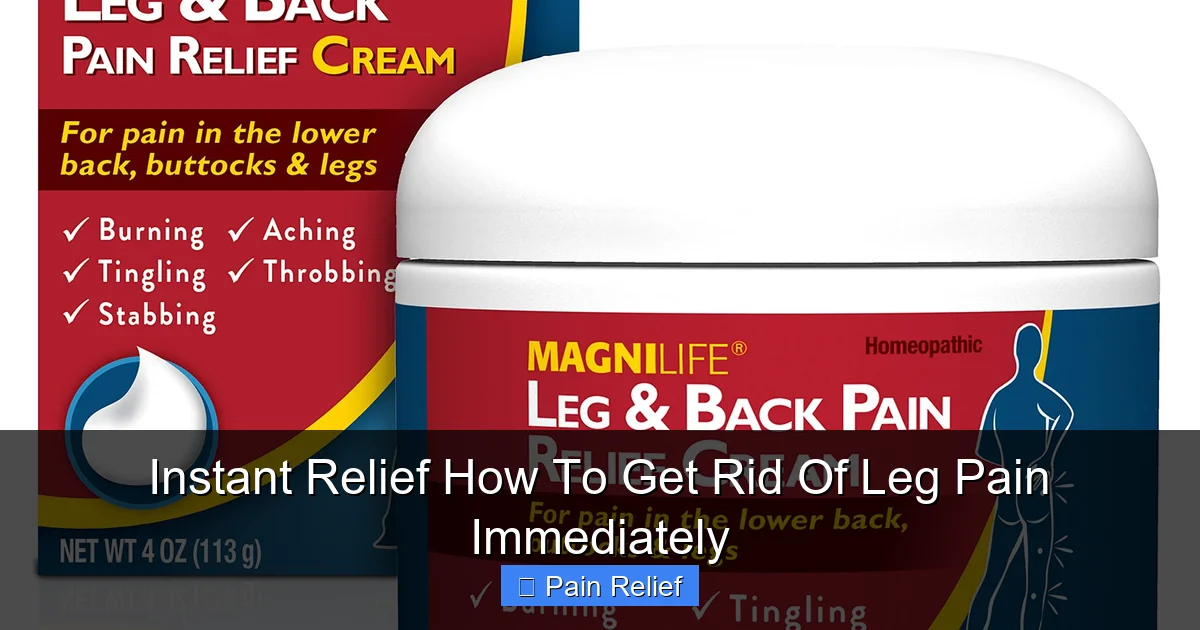
Topical Pain Relievers
Topical creams, gels, and patches can offer localized relief by being applied directly to the painful area.
These often contain ingredients like:
- Menthol or Camphor: These create a cooling or warming sensation that can distract from the pain.
- Capsaicin: Derived from chili peppers, it works by depleting nerve cells of a chemical that transmits pain signals.
- NSAIDs: Some gels contain ibuprofen or diclofenac, allowing for targeted anti-inflammatory action with potentially fewer systemic side effects than oral NSAIDs.
These topical options can be particularly useful if you want to get rid of leg pain immediately without ingesting medication or to supplement oral pain relief.
Read Labels and Follow Instructions
Always read the directions carefully before using any OTC medication. Pay attention to dosage, frequency, and warnings. Never exceed the recommended dose. If you have any doubts, speak to a pharmacist or doctor.
Step 4: Incorporate Gentle Movement and Stretching (If Appropriate)
While rest is crucial, gentle movement and stretching can significantly help to get rid of leg pain immediately, especially if it’s due to muscle tightness, cramps, or soreness. However, this step is NOT for acute injuries where movement causes sharp pain or instability. Listen to your body and stop if you feel increased pain.
Listen to Your Body
Before attempting any stretches, take a moment. If the pain is sharp, radiating, or makes it impossible to move, do not stretch. Rest and use other methods. If the pain is dull, stiff, or crampy, very gentle, slow movements might provide relief.
Gentle Calf Stretches
Tight calf muscles are a common source of leg pain.
- Wall Stretch: Stand facing a wall, place your hands on it. Step one leg back, keeping the heel on the floor and the leg straight. Lean forward until you feel a gentle stretch in your calf. Hold for 20-30 seconds. Repeat 2-3 times per leg.
- Seated Calf Stretch: Sit on the floor with legs extended. Loop a towel around the ball of your foot. Gently pull the towel towards you, keeping your leg straight, until you feel a stretch. Hold for 20-30 seconds.
Hamstring Stretches
Tight hamstrings can affect your entire leg and even your lower back.
- Seated Hamstring Stretch: Sit on the floor with one leg extended and the other bent, with your foot resting against the inner thigh of the extended leg. Lean forward from your hips, reaching towards your toes. Keep your back straight. Hold for 20-30 seconds.
- Standing Hamstring Stretch: Place your heel on a low surface (like a step or chair), keeping your leg straight. Gently lean forward from your hips, keeping your back straight, until you feel a stretch. Hold for 20-30 seconds.
Quadriceps Stretches
The large muscles at the front of your thigh can also get tight.
- Standing Quad Stretch: Stand tall and hold onto a wall or chair for balance. Grab your ankle with one hand and gently pull your heel towards your buttock, keeping your knees together. Feel the stretch in the front of your thigh. Hold for 20-30 seconds.
Ankle Rotations
Sometimes, pain can be referred from the ankle or foot. Gentle ankle circles can improve circulation and reduce stiffness.
- Sit or lie down with your leg extended. Slowly rotate your ankle in circles, first clockwise, then counter-clockwise. Perform 10-15 rotations in each direction.
Step 5: Hydrate and Replenish Electrolytes
Dehydration and electrolyte imbalances are common culprits behind muscle cramps and general leg soreness. Addressing these can quickly help to get rid of leg pain immediately.
Why Hydration Matters
Water plays a vital role in muscle function, nerve impulses, and nutrient transport. When you’re dehydrated, your muscles are more prone to cramping and fatigue. Ensuring you’re well-hydrated is a simple yet powerful step for pain relief and prevention.
- Drink Water: Sip on water consistently throughout the day, especially when pain strikes. Aim for plain water, but a small amount of diluted fruit juice can also help.
- Avoid Dehydrators: Limit caffeine and alcohol, as they can contribute to dehydration.
Electrolyte-Rich Options
Electrolytes like potassium, magnesium, calcium, and sodium are essential for proper muscle contraction and nerve signaling. An imbalance can lead to painful muscle cramps.
- Electrolyte Drinks: Sports drinks (in moderation due to sugar content), coconut water, or homemade electrolyte solutions (water, a pinch of salt, a squeeze of lemon/lime) can help replenish these vital minerals.
- Bananas: Rich in potassium, bananas are a classic remedy for muscle cramps.
- Spinach/Leafy Greens: Good sources of magnesium and calcium.
- Epsom Salt Bath: Soaking in a warm bath with Epsom salts (magnesium sulfate) can help relax muscles and provide magnesium absorption through the skin. Aim for 15-20 minutes in the bath. This is a wonderfully relaxing way to get rid of leg pain immediately.
Step 6: Gentle Massage and Compression
Massage and compression can offer direct relief to sore muscles and help manage swelling.
Self-Massage Techniques
A gentle massage can increase blood flow to the affected area, helping to loosen tight muscles and reduce tension.
- Light Kneading: Use your hands to gently knead the muscle, applying light to medium pressure. Work in circular motions.
- Foam Rolling: If you have a foam roller, slowly roll over the affected area. This can be intense, so go slowly and stop if it causes sharp pain.
- Massage Tools: Handheld massage tools or even a tennis ball can be used to target specific knots or tight spots. Roll the ball under your foot, calf, or hamstring while applying gentle pressure.
Focus on areas that feel stiff or tender. Avoid deep tissue massage on acutely injured areas, as this can worsen inflammation.
The Benefits of Compression
Compression helps reduce swelling and provides support to the affected area. It works by gently squeezing the tissues, which helps to prevent fluid buildup and stabilize the muscle or joint.
How to Use Compression Safely
- Compression Bandages: An elastic bandage (like an ACE wrap) can be applied firmly but not too tightly. You should be able to slide a finger easily under the bandage. Wrap it around the painful area, starting from below the injury and moving upwards.
- Compression Sleeves/Socks: These can be very helpful for ongoing support, especially for calf or shin pain. Ensure they fit snugly but do not cut off circulation.
- Check for Circulation: After applying compression, check your toes or fingers. They should be warm, pink, and you should be able to feel sensation. If they become cold, numb, tingly, or discolored, the compression is too tight and needs to be loosened immediately.
Step 7: Address Specific Causes of Leg Pain Immediately
While the above steps are generally applicable, some immediate causes of leg pain have slightly more targeted remedies.
For Muscle Cramps
Muscle cramps are often sudden, intense, and short-lived.
- Stretch and Massage: Gently stretch the affected muscle. For a calf cramp, try to straighten your leg and gently pull your toes back towards your shin. Massage the cramped muscle with your hand.
- Hydrate and Replenish: Drink water, and consider an electrolyte-rich drink or a banana. An Epsom salt bath can also work wonders.
- Apply Heat: After the initial spasm subsides, heat can help relax the muscle.
For Muscle Soreness (DOMS – Delayed Onset Muscle Soreness)
This typically occurs 24-48 hours after strenuous exercise.
- Active Recovery: Light activity, like a gentle walk or cycle, can increase blood flow and help flush out metabolic waste.
- Heat Therapy: A warm bath or heating pad can promote muscle relaxation and blood flow.
- Gentle Stretching and Massage: These can help improve flexibility and reduce stiffness.
- Hydration: Continue to drink plenty of water.
For Minor Sprains/Strains
These are injuries to ligaments (sprains) or muscles/tendons (strains).
- RICE Principle: Immediately apply Rest, Ice, Compression, and Elevation.
- OTC Pain Relief: NSAIDs like ibuprofen are good for reducing pain and inflammation.
- Avoid Weight Bearing: Try to keep weight off the injured leg as much as possible for the first 24-48 hours.
Troubleshooting: When to Seek Medical Attention
While this guide focuses on how to get rid of leg pain immediately for common issues, it’s crucial to recognize when your pain might be a sign of something more serious that requires professional medical evaluation. Your health and safety are paramount.
Red Flag Symptoms
Seek immediate medical attention if you experience any of the following:
- Sudden, Severe Pain: Especially if it’s accompanied by a popping sound at the time of injury.
- Inability to Bear Weight: If you cannot put any weight on your leg, or if walking becomes extremely difficult.
- Significant Swelling or Deformity: Noticeable swelling, bruising, or an unusual shape of your leg.
- Numbness, Tingling, or Weakness: If you experience loss of sensation, pins and needles, or difficulty moving your foot or toes.
- Cold or Pale Skin: If the painful leg becomes cold, pale, or blue, it could indicate a circulation problem.
- Fever or Red Streaks: Signs of infection, such as fever, warmth, redness, or red streaks extending from the painful area.
- Suspected Deep Vein Thrombosis (DVT): Symptoms include swelling in one leg (usually the calf or thigh), pain, tenderness, warmth, and redness. This is a medical emergency.
Persistent Pain
If your leg pain does not improve significantly within a few days of implementing these immediate relief strategies, or if it worsens, it’s wise to consult a doctor. Persistent pain could indicate an underlying condition that needs diagnosis and treatment.
Changes in Skin/Temperature
Any sudden changes in the skin temperature or color of your leg, especially if accompanied by severe pain, should be checked by a medical professional immediately.
Conclusion
Leg pain can be disruptive and uncomfortable, but armed with the right knowledge, you can often find significant relief immediately. By combining rest, elevation, targeted temperature therapy, appropriate over-the-counter remedies, gentle stretching, proper hydration, and self-massage, you can effectively address many common causes of leg pain. Remember, the key is to listen to your body, act quickly, and be consistent with your chosen remedies.
Knowing how to get rid of leg pain immediately empowers you to take control of your discomfort and get back to your daily life with less interruption. However, always prioritize your well-being. If your pain is severe, persistent, or accompanied by any concerning symptoms, do not hesitate to seek professional medical advice. Your legs work hard for you every day – treat them well, and they’ll keep you moving!
🎥 Related Video: How to get rid of feet pain for free. 🦶
📺 kinesiologyinstitute