Post-workout muscle soreness, known as Delayed Onset Muscle Soreness (DOMS), can be a frustrating barrier to your fitness goals. This comprehensive guide provides actionable strategies on how to stop sore muscles after working out, covering everything from proactive prevention and smart exercise techniques to crucial post-workout recovery, optimal nutrition, and restorative practices. Learn to significantly minimize discomfort, accelerate your recovery, and optimize your athletic journey, ensuring you never let muscle pain hold you back again.
Never Suffer Again: How to Stop Sore Muscles After Working Out
Ah, the post-workout ache. You know it well: that stiffness, tenderness, and sometimes outright pain that creeps in a day or two after a particularly challenging exercise session. It’s often called Delayed Onset Muscle Soreness, or DOMS, and while it can sometimes feel like a badge of honor, it can also be a real demotivator, making you dread your next workout or even simple daily tasks. But what if you didn’t have to suffer? What if there were concrete steps you could take to significantly reduce, or even prevent, that dreaded soreness? This comprehensive guide will show you exactly how to stop sore muscles after working out, transforming your recovery process and helping you stay consistent with your fitness goals.
We’re going to dive deep into understanding why muscle soreness happens and, more importantly, equip you with a powerful arsenal of strategies – from pre-workout preparation to post-workout recovery and nutritional support. You’ll learn practical, science-backed tips that will help you bounce back faster, feel better, and ultimately, get more out of every single workout. Say goodbye to crippling soreness and hello to a more comfortable, effective fitness journey!
Key Takeaways
- Prevention is Key: Implement dynamic warm-ups and progressive overload before your workout to significantly reduce the severity of muscle soreness.
- Immediate Post-Workout Actions Matter: Prioritize a cool-down, gentle static stretching, and consume a protein-carb rich snack within 30-60 minutes to kickstart muscle repair and recovery.
- Active Recovery Accelerates Healing: Engage in light activities like walking, yoga, or foam rolling on rest days to improve blood flow, reduce stiffness, and aid in waste product removal.
- Nutrition and Hydration are Foundational: Fuel your body with adequate protein, anti-inflammatory foods, and consistent hydration to support muscle repair, reduce inflammation, and replenish electrolytes.
- Prioritize Rest and Quality Sleep: Getting 7-9 hours of quality sleep and dedicating specific rest days are non-negotiable for optimal muscle regeneration, hormone regulation, and overall physical recovery.
- Utilize Topical & Thermal Therapies: Experiment with cold therapy (ice packs) for acute soreness, heat therapy (warm baths) for stiffness, Epsom salt baths, or topical pain relief creams for direct, localized relief.
- Listen to Your Body and Seek Help if Needed: Learn to differentiate between normal muscle soreness and potential injury pain. Persistent, sharp, or worsening pain warrants consultation with a medical professional.
Understanding Muscle Soreness (DOMS)
Before we learn how to stop sore muscles after working out, let’s quickly understand what causes them. DOMS typically appears 24-72 hours after exercise and is characterized by a dull, aching pain in the affected muscles. It’s not caused by lactic acid buildup, as once believed. Instead, DOMS is thought to result from microscopic tears in your muscle fibers and the connective tissue surrounding them. When your body repairs these tiny tears, it causes inflammation and sensitivity, leading to the pain and stiffness you feel. This process is a natural part of muscle adaptation and growth, but excessive soreness isn’t always necessary for progress.
Step 1: The Pre-Workout Power-Up: Preventing Soreness Before It Starts
The best way to stop sore muscles after working out often starts before you even lift a weight. Proactive measures can significantly reduce the intensity of DOMS.
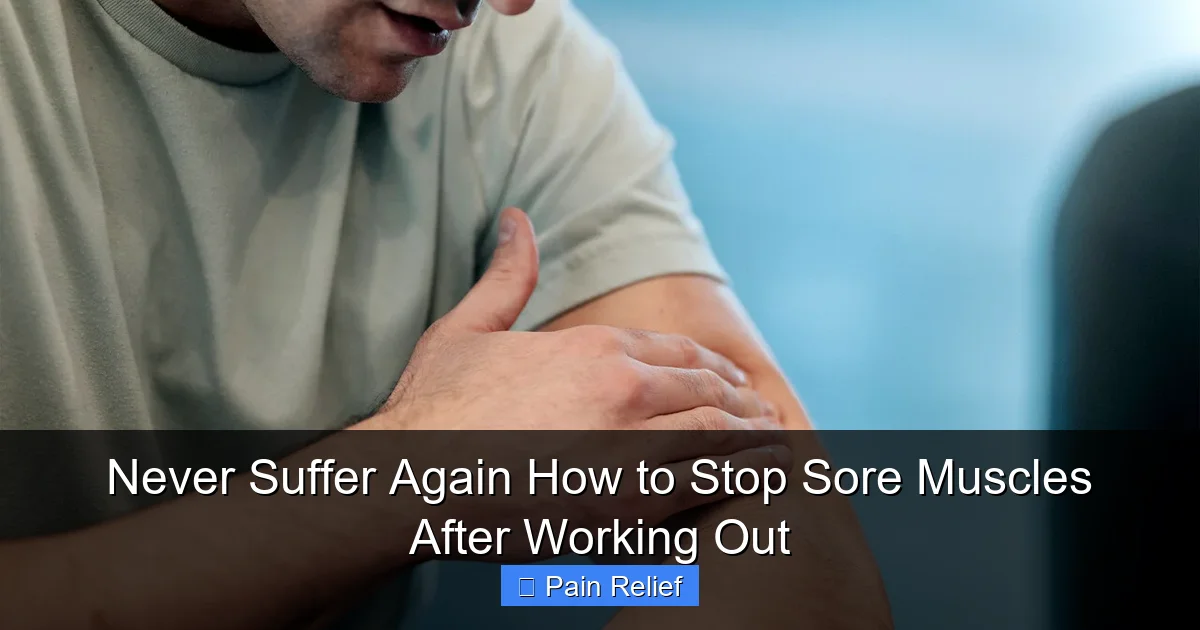
Visual guide about Never Suffer Again How to Stop Sore Muscles After Working Out
Image source: images.ctfassets.net
1.1 Perform a Dynamic Warm-up
Think of your warm-up as preparing your muscles for battle. A dynamic warm-up increases blood flow to your muscles, raises your core body temperature, and improves flexibility and range of motion. This makes your muscles more pliable and less prone to micro-trauma during your workout.
- How to do it: Spend 5-10 minutes on light cardio (jogging, cycling) followed by dynamic stretches like arm circles, leg swings, torso twists, high knees, and butt kicks. Avoid static stretches (holding a stretch for a long time) before a workout, as they can temporarily decrease muscle power.
- Why it helps: Prepares your nervous system and muscles, making them more resilient to the stresses of exercise.
1.2 Embrace Progressive Overload (Gradually)
If you jump into an intense workout after a period of inactivity, you’re almost guaranteed to experience severe DOMS. Your muscles aren’t accustomed to the stress. Instead, gradually increase the intensity, duration, or resistance of your workouts over time. This is called progressive overload.
- How to do it: If you’re new to an exercise, start with lighter weights or fewer repetitions. Gradually add more weight, reps, or sets as your strength improves. Similarly, increase running distance or speed incrementally.
- Why it helps: Allows your muscles to adapt and strengthen without overwhelming them, reducing the likelihood of excessive micro-tears.
1.3 Prioritize Hydration
Water plays a crucial role in almost every bodily function, including muscle contraction, nutrient transport, and waste removal. Dehydration can exacerbate muscle soreness.
- How to do it: Start hydrating several hours before your workout. Drink at least 8-16 ounces of water 1-2 hours prior, and continue sipping water during your session.
- Why it helps: Well-hydrated muscles function better and recover more efficiently, helping you to stop sore muscles after working out.
1.4 Fuel Your Body Properly
What you eat before your workout provides the energy your muscles need to perform and helps protect them from excessive breakdown.
- How to do it: Consume a balanced meal or snack 1-3 hours before your workout, focusing on complex carbohydrates for sustained energy and a moderate amount of protein for muscle protection. Examples include oatmeal with berries, a banana with nut butter, or a turkey sandwich.
- Why it helps: Provides glycogen for energy and amino acids to minimize muscle breakdown during exercise.
Step 2: During Your Workout: Smart Strategies for Less Pain
The choices you make during your actual exercise session are just as important for managing and helping to stop sore muscles after working out.

Visual guide about Never Suffer Again How to Stop Sore Muscles After Working Out
Image source: cyvigor.com
2.1 Listen to Your Body
Pushing yourself is good, but ignoring pain is not. Learn to distinguish between muscle fatigue (a burning sensation) and sharp, sudden pain (which could indicate injury).
- How to do it: If an exercise causes sharp pain, stop immediately. If you’re feeling overly fatigued, reduce the intensity or take a short break. It’s okay to modify your workout if your body isn’t feeling 100%.
- Why it helps: Prevents over-exertion and potential injuries that would lead to prolonged pain, not just soreness.
2.2 Maintain Good Form
Improper form not only makes an exercise less effective but also places undue stress on certain muscles, joints, or ligaments, increasing the risk of injury and specific, localized soreness.
- How to do it: Research proper form for each exercise you perform. Consider working with a personal trainer, watching instructional videos, or using mirrors to check your technique. Prioritize form over lifting heavier weights.
- Why it helps: Ensures the target muscles are working correctly and reduces the risk of straining other areas, which is key to learning how to stop sore muscles after working out effectively.
2.3 Hydrate Continuously
Even if you hydrated before, your body loses fluids rapidly through sweat during exercise. Replenishing these fluids is crucial.
- How to do it: Sip water regularly throughout your workout, aiming for 4-8 ounces every 15-20 minutes. For longer or more intense sessions (over 60 minutes), consider an electrolyte drink to replenish lost minerals.
- Why it helps: Supports muscle function, maintains blood volume, and aids in nutrient delivery, all contributing to less post-workout soreness.
2.4 Include Variety in Your Routine
Continuously hitting the same muscle groups with the same exercises can lead to repetitive stress and concentrated soreness. Varying your routine helps distribute the workload.
- How to do it: Alternate between different muscle groups on different days. Incorporate a mix of strength training, cardio, and flexibility work. Change up exercises within a muscle group periodically (e.g., switch from squats to lunges for leg day).
- Why it helps: Gives specific muscle groups time to recover and prevents overtraining of certain areas, a smart way to stop sore muscles after working out.
Step 3: The Post-Workout Protocol: Immediate Recovery Actions
The first hour after your workout is a critical window for recovery. What you do here can drastically impact how to stop sore muscles after working out.
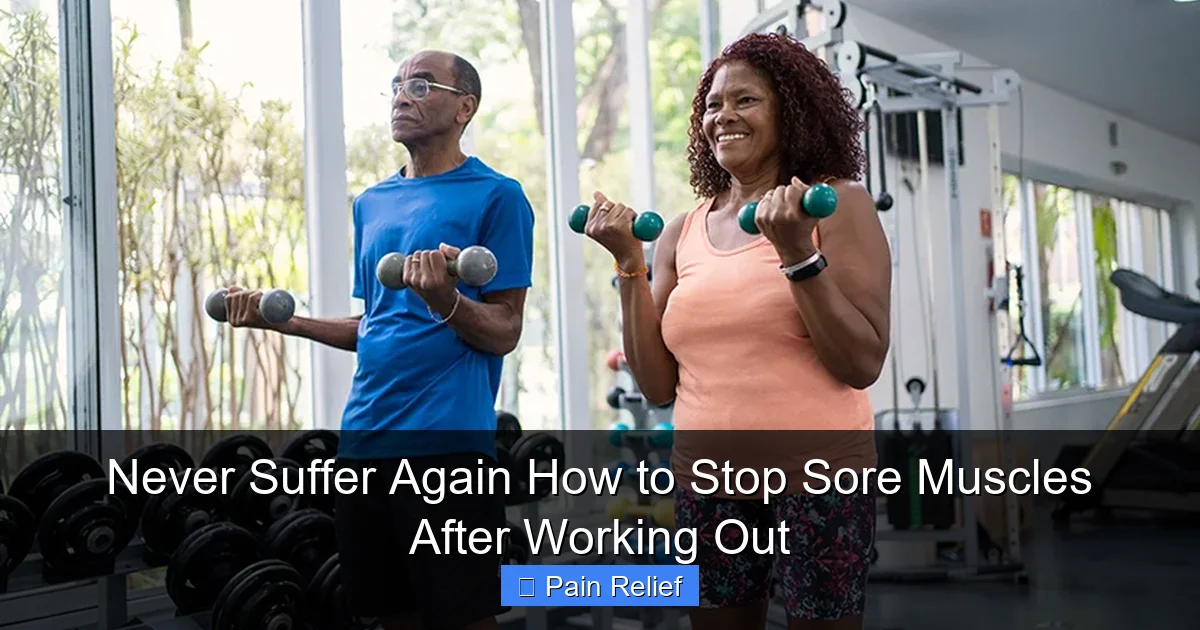
Visual guide about Never Suffer Again How to Stop Sore Muscles After Working Out
Image source: emi.parkview.com
3.1 Perform a Cool-down and Static Stretching
A cool-down helps bring your heart rate and breathing back to normal gradually, while static stretching improves flexibility and can help alleviate muscle tightness.
- How to do it: Spend 5-10 minutes on light cardio (walking, slow cycling) followed by static stretches. Hold each stretch for 20-30 seconds, focusing on the muscles you just worked. Stretch gently, not to the point of pain.
- Why it helps: Promotes blood flow to aid in waste removal and helps lengthen muscles that have contracted during exercise.
3.2 Replenish with Protein and Carbohydrates
This is arguably one of the most important steps to accelerate recovery and reduce soreness.
- How to do it: Within 30-60 minutes after your workout, consume a snack or meal containing both protein and carbohydrates. Aim for a ratio of 2:1 or 3:1 carbs to protein. Examples: chocolate milk, a smoothie with protein powder and fruit, Greek yogurt with berries, or chicken and rice.
- Why it helps: Carbohydrates replenish glycogen stores (your muscle’s primary fuel), while protein provides the amino acids necessary to repair the microscopic muscle tears. This speedy repair is vital for how to stop sore muscles after working out.
3.3 Rehydrate Thoroughly
Just like before and during, post-workout hydration is essential.
- How to do it: Continue drinking water throughout the rest of the day. A good rule of thumb is to drink 16-24 ounces of water for every pound of body weight lost during your workout (weigh yourself before and after).
- Why it helps: Replaces lost fluids and electrolytes, maintaining cellular function and supporting the transport of nutrients to recovering muscles.
Step 4: Active Recovery & Movement: The Day After (and Beyond)
Don’t just sit on the couch and wait for soreness to pass. Gentle movement can actually help.
4.1 Engage in Light Aerobic Activity
Often called “active recovery,” light cardio on rest days can significantly reduce DOMS.
- How to do it: Go for a brisk walk, a leisurely bike ride, or a light swim for 20-30 minutes. The key is low intensity – you should be able to hold a conversation comfortably.
- Why it helps: Increases blood flow without further stressing muscles, which helps flush out metabolic waste products and delivers fresh nutrients to aid in repair, making it an excellent strategy for how to stop sore muscles after working out.
4.2 Try Yoga or Pilates
These practices are fantastic for improving flexibility, strength, and body awareness, which can all contribute to reduced soreness.
- How to do it: Attend a beginner’s yoga or Pilates class, or follow an online tutorial. Focus on gentle movements and stretches, paying attention to your breath.
- Why it helps: Increases range of motion, gently stretches muscles, and promotes relaxation, all beneficial for recovery.
4.3 Foam Rolling & Self-Myofascial Release
Foam rolling is like giving yourself a deep tissue massage. It helps to release tight spots (trigger points) in your muscles and fascia (the connective tissue surrounding muscles).
- How to do it: Lie on the foam roller and slowly roll over muscle groups like your quads, hamstrings, glutes, back, and calves. When you find a tender spot, hold pressure on it for 20-30 seconds until the tension releases slightly.
- Why it helps: Improves blood circulation, reduces muscle tightness, and can alleviate discomfort, providing an effective way to stop sore muscles after working out.
4.4 Consider Massage Therapy
Professional massage can be a powerful tool for recovery, but even at-home tools can make a difference.
- How to do it: If possible, get a sports massage to target specific areas of tightness. If not, use massage balls, handheld massagers, or even your hands to work on sore spots.
- Why it helps: Increases blood flow, reduces inflammation, breaks up adhesions in muscle tissue, and promotes relaxation.
Step 5: Nutritional Nurturing: Fueling Your Recovery
Your diet plays a massive role in how well your body repairs itself. Optimal nutrition is key to learning how to stop sore muscles after working out effectively.
5.1 Ensure Adequate Protein Intake
Protein isn’t just for immediate post-workout; it’s essential throughout your day for continuous muscle repair and growth.
- How to do it: Aim for 0.7-1 gram of protein per pound of body weight daily, spread across meals. Include sources like lean meats, poultry, fish, eggs, dairy, legumes, and plant-based protein powders.
- Why it helps: Provides the building blocks (amino acids) for muscle repair and synthesis, crucial for recovery.
5.2 Incorporate Anti-Inflammatory Foods
Inflammation is a part of DOMS, so eating foods that naturally reduce inflammation can help.
- How to do it: Fill your plate with colorful fruits and vegetables (especially berries, leafy greens), fatty fish rich in omega-3s (salmon, mackerel), nuts and seeds, and spices like turmeric and ginger.
- Why it helps: These foods contain antioxidants and compounds that combat inflammation, speeding up recovery and helping to stop sore muscles after working out.
5.3 Hydration is Still Key
We’ve mentioned it repeatedly because it’s that important. Consistent hydration outside of workouts supports overall bodily function and recovery.
- How to do it: Drink water consistently throughout your entire day. Keep a water bottle handy as a visual reminder. Consider herbal teas or water infused with fruit for variety.
- Why it helps: Supports nutrient transport, waste removal, and maintains proper cell function, all critical for muscle health.
5.4 Supplements (Optional)
While a balanced diet should be your primary focus, certain supplements may offer additional support. Always consult a healthcare professional before starting any new supplements.
- Examples: BCAAs (branched-chain amino acids), creatine, magnesium, and omega-3 fatty acids are sometimes used to aid muscle recovery and reduce soreness.
- Why it helps: Some supplements are thought to reduce muscle damage, decrease inflammation, or support muscle repair processes.
Step 6: Rest, Sleep, and Stress Management: The Ultimate Healers
You can’t out-train a poor recovery routine. Rest and sleep are where the magic truly happens.
6.1 Prioritize Quality Sleep
Sleep is when your body does most of its repair work. During deep sleep, your body releases growth hormone, which is vital for muscle repair and growth.
- How to do it: Aim for 7-9 hours of quality sleep per night. Establish a consistent sleep schedule, create a dark, cool, and quiet sleep environment, and avoid screens before bed.
- Why it helps: Allows your body to actively repair muscle tissue, replenish energy stores, and regulate hormones essential for recovery, making it non-negotiable for how to stop sore muscles after working out.
6.2 Manage Stress Levels
Chronic stress elevates cortisol levels, a hormone that can hinder muscle repair and promote inflammation.
- How to do it: Incorporate stress-reduction techniques into your daily routine, such as meditation, deep breathing exercises, spending time in nature, or engaging in hobbies you enjoy.
- Why it helps: Lowers cortisol levels, creating a more favorable environment for muscle recovery and reducing overall body tension.
6.3 Schedule Adequate Rest Days
Your muscles need time off to rebuild stronger. Working out intensely every single day without proper rest is counterproductive.
- How to do it: Ensure you have at least 1-2 full rest days per week, or incorporate active recovery days as described in Step 4.
- Why it helps: Prevents overtraining, allows muscles to fully recover and adapt, and reduces the risk of injury.
Step 7: Topical and Thermal Therapies: Direct Relief
Sometimes, you need a little direct intervention to alleviate local soreness.
7.1 Cold Therapy (Ice Baths/Packs)
Cold therapy can help reduce inflammation and numb sore areas.
- How to do it: Apply an ice pack to a particularly sore area for 15-20 minutes at a time (use a barrier like a towel). For more widespread soreness, a cold shower or an ice bath (submerging in cold water for 5-10 minutes) can be effective immediately after intense exercise.
- Why it helps: Constricts blood vessels, reducing blood flow to the area, which can decrease inflammation and swelling.
7.2 Heat Therapy (Warm Baths/Showers/Packs)
Heat is generally better for relieving stiffness and promoting relaxation.
- How to do it: Take a warm bath or shower, or apply a heat pack to stiff muscles. This is often more beneficial a day or two after your workout, once initial inflammation has subsided.
- Why it helps: Increases blood flow, which can help relax muscles and carry away metabolic waste.
7.3 Topical Pain Relief Creams/Gels
These can provide temporary, localized relief.
- How to do it: Apply creams containing ingredients like menthol, camphor, capsaicin, or arnica directly to sore muscles. Follow product instructions carefully.
- Why it helps: Provides a warming or cooling sensation that distracts from pain, and some ingredients may have anti-inflammatory properties.
7.4 Epsom Salt Baths
A classic remedy for muscle aches.
- How to do it: Add 1-2 cups of Epsom salts (magnesium sulfate) to a warm bath and soak for 20-30 minutes.
- Why it helps: The magnesium in Epsom salts is thought to be absorbed through the skin, potentially helping to relax muscles and reduce inflammation. Plus, the warm water itself provides therapeutic heat.
Troubleshooting: When Soreness Lingers or Worsens
While DOMS is normal, there are times when pain signals something more serious. It’s important to know the difference and when to seek professional help to properly understand how to stop sore muscles after working out, or if it’s something else entirely.
- Persistent Pain: If muscle pain lasts for more than 4-5 days and doesn’t improve with rest and recovery strategies, it might be more than just DOMS.
- Sharp, Sudden Pain: DOMS is usually a dull, aching sensation. Sharp, stabbing pain, especially during movement, often indicates a strain, sprain, or other injury.
- Swelling or Bruising: Significant swelling, redness, or bruising around the muscle could point to a more serious muscle tear or injury.
- Limited Range of Motion: While DOMS can cause some stiffness, if you experience a significant inability to move a limb or joint, it’s a red flag.
- Numbness or Tingling: These sensations, especially if radiating down a limb, could indicate nerve involvement.
If you experience any of these symptoms, stop exercising and consult a doctor or physical therapist. They can accurately diagnose the issue and recommend appropriate treatment.
Conclusion
Muscle soreness doesn’t have to be an inevitable consequence of an effective workout. By integrating the strategies outlined in this guide into your routine, you gain powerful tools on how to stop sore muscles after working out. From smart pre-workout preparations and mindful movement during exercise to immediate post-workout actions, consistent active recovery, intelligent nutrition, and prioritizing rest, every step contributes to a faster and more comfortable bounce-back.
Remember, consistency is key. Don’t expect to eliminate all soreness overnight, but by consistently applying these techniques, you’ll notice a significant improvement in your recovery time and overall comfort. Embrace these practices, listen to your body, and empower yourself to train harder, recover better, and never let post-workout pain hold you back from achieving your fitness potential again. Stay active, stay healthy, and enjoy a life with significantly less muscle soreness!
🎥 Related Video: 4 Ways To Get Rid of Muscle Soreness (SPEED UP RECOVERY!)
📺 Andrew Kwong (DeltaBolic)
Vigorun Percussion Massager is indeed an affordable, high quality massage gun with 20 speed levels! Product link: …