When your muscles ache, you need solutions that work fast. This comprehensive guide reveals practical, step-by-step methods to help you relieve sore muscles fast and achieve instant pain relief. Learn about the power of cold and heat therapy, the benefits of gentle movement and massage, and essential recovery tips to get you feeling better quickly and back to your activities without prolonged discomfort.
How to Relieve Sore Muscles Fast for Instant Pain Relief
There’s nothing quite like the feeling of accomplishment after a tough workout, a long day of physical activity, or even an unexpected burst of energy doing yard work. But then, the next morning (or sometimes even later that day), it hits. That familiar ache, stiffness, and tenderness in your muscles. It’s called muscle soreness, and it can range from a minor annoyance to a debilitating discomfort that makes everyday tasks feel like Herculean efforts.
When muscle soreness strikes, your primary goal is simple: you want to relieve sore muscles fast. You’re not looking for a long-term cure; you want instant pain relief so you can get back to feeling like yourself, moving freely, and living without constant discomfort. The good news is that while muscle soreness is a natural part of the recovery process, there are many effective strategies you can use to significantly speed up your recovery and minimize your pain.
This comprehensive guide is designed to arm you with practical, actionable steps to help you relieve sore muscles fast. We’ll explore a variety of methods, from time-tested home remedies to modern techniques, all aimed at providing you with quick relief. By understanding why your muscles hurt and implementing these strategies, you’ll be well-equipped to tackle muscle soreness head-on and reclaim your comfort.
Key Takeaways
- Understand Your Soreness: Differentiate between delayed onset muscle soreness (DOMS) and more serious injury to choose the right fast relief strategy.
- Combine Cold and Heat Therapy: Use ice immediately to reduce inflammation, then switch to heat to improve blood flow and relax tense muscles for quick relief.
- Embrace Gentle Movement & Stretching: Light activity and careful stretching can significantly reduce stiffness and accelerate recovery, helping you relieve sore muscles fast.
- Utilize Self-Massage Techniques: Foam rolling, massage balls, or even your hands can target tight spots, improve circulation, and offer instant pain relief.
- Prioritize Hydration and Nutrition: Adequate water intake and nutrient-rich foods, especially protein and electrolytes, are crucial for muscle repair and faster recovery.
- Don’t Underestimate Rest and Sleep: Quality rest allows your body to perform essential repair processes, which is fundamental to effectively relieve sore muscles fast.
Understanding Why Your Muscles Get Sore
Before we dive into how to relieve sore muscles fast, let’s briefly understand what causes this discomfort. Most commonly, it’s a phenomenon called Delayed Onset Muscle Soreness (DOMS).
What is DOMS?
DOMS is the pain and stiffness felt in muscles several hours to days after unaccustomed or strenuous exercise. It’s not caused by lactic acid buildup (that’s a myth!). Instead, it’s believed to be the result of microscopic tears in the muscle fibers and connective tissue, which trigger an inflammatory response. This inflammation and the body’s repair process lead to the characteristic soreness you feel. DOMS typically peaks 24 to 72 hours after activity and then gradually subsides.
When It’s More Than Just DOMS
While most muscle soreness is benign DOMS, it’s important to know when to seek professional help. If your pain is severe, persists for more than a few days, is accompanied by significant swelling, redness, warmth, numbness, tingling, or difficulty moving a limb, it could indicate a more serious injury like a strain, sprain, or even a tear. Always err on the side of caution and consult a healthcare professional if you have concerns.
Step 1: Apply Immediate Cold Therapy
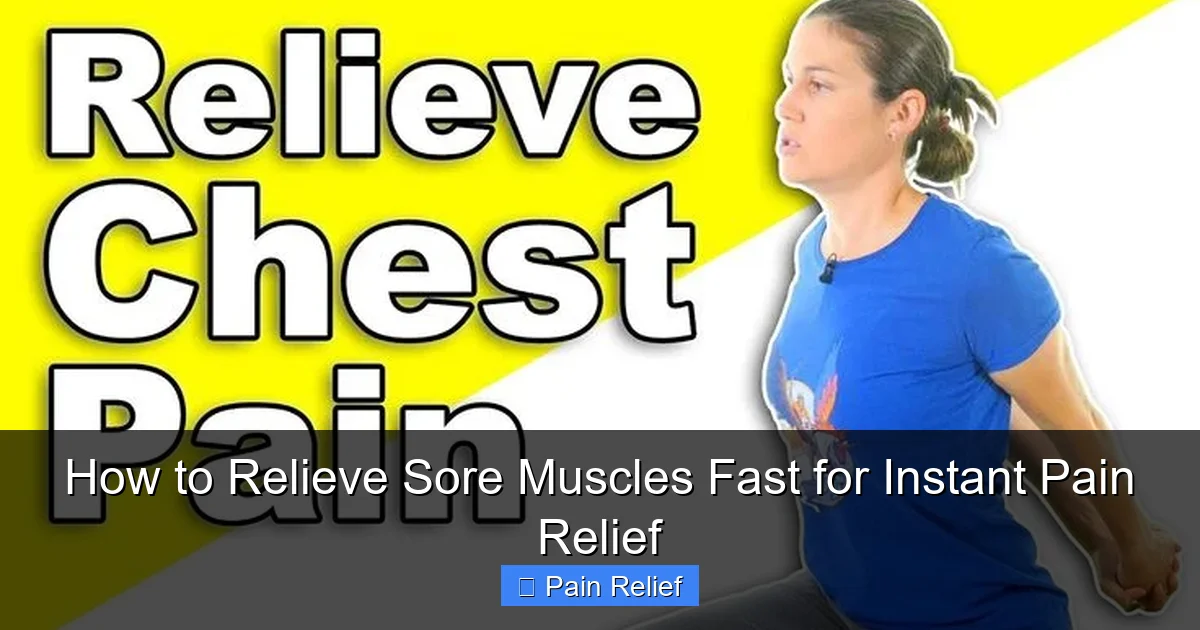
One of the quickest ways to relieve sore muscles fast, especially if you’re feeling the onset of soreness or even immediately after a strenuous activity, is to use cold therapy.
Visual guide about How to Relieve Sore Muscles Fast for Instant Pain Relief
Image source: i.pinimg.com
The Power of Ice
Cold therapy, such as applying ice, works by constricting blood vessels, which in turn reduces blood flow to the affected area. This helps to:
- Decrease inflammation and swelling.
- Numb nerve endings, providing instant pain relief.
- Slow down metabolic activity in the muscle, reducing secondary tissue damage.
How to Apply Cold Therapy
- Ice Packs: Wrap an ice pack or a bag of frozen vegetables in a thin towel. Apply it to the sore muscle for 15-20 minutes. Remove for at least 20 minutes before reapplying.
- Cold Compresses: A cloth soaked in cold water can provide a milder form of cold therapy.
- Ice Baths (for intense soreness): If you’ve had a particularly grueling workout, an ice bath (or a cold shower) can be effective for larger muscle groups. Submerge yourself for 5-10 minutes. This is a powerful way to relieve sore muscles fast across your entire body.
Tip: Always use a barrier (like a towel) between ice and your skin to prevent frostbite. Never apply ice for more than 20 minutes at a time.
Step 2: Embrace the Warmth for Relaxation
After the initial inflammation has been addressed (or if your soreness is simply stiff and achy without acute swelling), heat therapy becomes your best friend to relieve sore muscles fast.
Visual guide about How to Relieve Sore Muscles Fast for Instant Pain Relief
Image source: getsunmed.com
Heat for Recovery and Relaxation
Heat does the opposite of cold: it increases blood flow, which brings fresh oxygen and nutrients to the muscles and helps flush away metabolic waste products. This leads to:
- Muscle relaxation and reduced stiffness.
- Improved tissue elasticity.
- Soothing comfort and pain relief.
Effective Heat Application Methods
- Warm Baths or Showers: A warm bath, especially with Epsom salts, is a fantastic way to relax your entire body and relieve sore muscles fast. The warm water helps muscles unwind, and the magnesium in Epsom salts can further aid muscle relaxation. Aim for 15-20 minutes.
- Heating Pads: Electric heating pads or microwaveable heat packs can be applied directly to localized sore areas. Use for 15-20 minutes at a low to medium setting to avoid burns.
- Warm Towels: Soak a towel in hot water, wring it out, and apply it to the affected area.
Tip: Never fall asleep with a heating pad on, and always ensure the temperature is comfortable to avoid burns.
Step 3: Gentle Movement and Stretching
While resting might feel like the only option, complete inactivity can sometimes make soreness worse. Gentle movement is a powerful tool to relieve sore muscles fast.
Visual guide about How to Relieve Sore Muscles Fast for Instant Pain Relief
Image source: sportcoaching.co.nz
The “Active Recovery” Approach
Light activity helps to increase blood circulation to the muscles without causing further damage. This improved blood flow aids in nutrient delivery and waste removal, accelerating the healing process. Examples include:
- Light walking
- Cycling at a slow pace
- Swimming (the buoyancy of water is very gentle on sore muscles)
- Gentle yoga or tai chi
Smart Stretching for Relief
Stretching helps to restore flexibility and reduce muscle stiffness. However, be cautious: overstretching a sore muscle can worsen it.
- Dynamic Stretching (before activity): Gentle movements that take your joints through their full range of motion. (e.g., arm circles, leg swings).
- Static Stretching (after activity or when sore): Hold stretches for 20-30 seconds without bouncing. Stretch only to the point of a gentle pull, not pain. Focus on the muscle groups that are most sore.
Tip: Listen to your body. If a stretch causes sharp pain, stop immediately. The goal is gentle lengthening, not forcing. Consistent, gentle stretching can really help to relieve sore muscles fast.
Step 4: The Magic of Massage
Massage is incredibly effective for muscle soreness. It can improve circulation, break up muscle knots, and provide significant pain relief.
Self-Massage Techniques
You don’t always need a professional masseuse to relieve sore muscles fast. You can do a lot yourself:
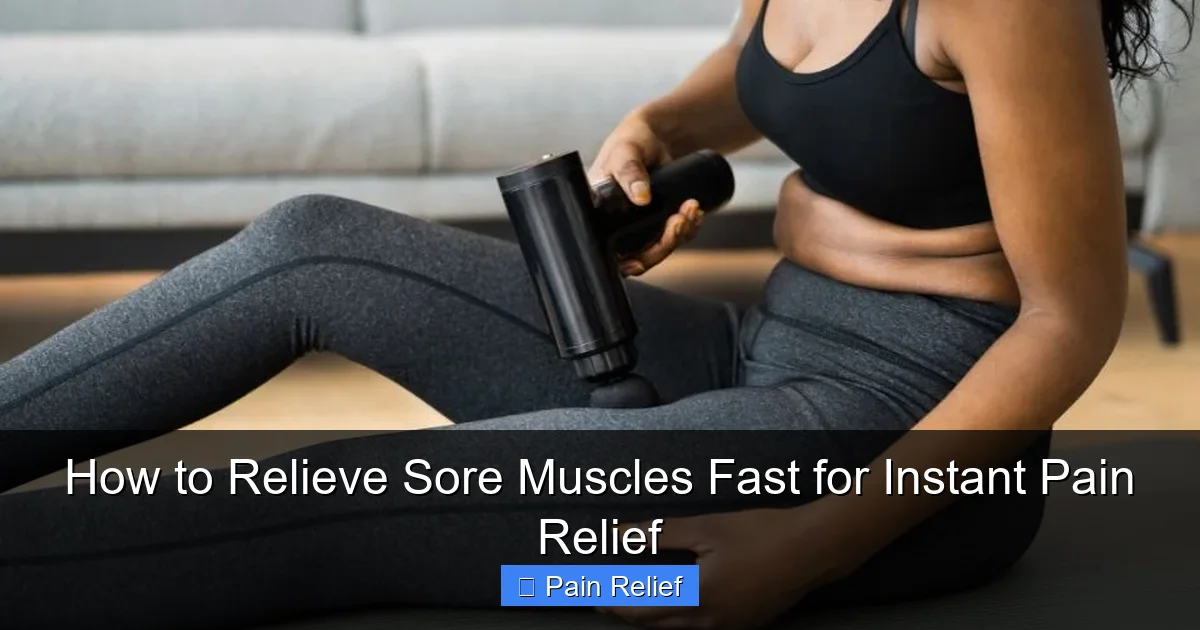
- Foam Rolling: A foam roller is excellent for targeting large muscle groups like your quads, hamstrings, glutes, and back. Roll slowly over the sore area, pausing on tender spots for 20-30 seconds.
- Massage Balls: Lacrosse balls or specific massage balls are great for smaller, harder-to-reach areas like your shoulders, glutes, or feet.
- Your Hands: Don’t underestimate the power of self-massage with your own hands. Use your thumbs, knuckles, or palms to knead and rub sore areas. Apply moderate pressure and move in circles or along the length of the muscle.
When to Consider Professional Massage
If self-massage isn’t cutting it, or if you have particularly deep or persistent soreness, a professional massage therapist can provide deeper tissue work. They have the expertise to identify trigger points and apply techniques that can offer profound relief.
Tip: Drink plenty of water after a massage to help flush out any toxins released from the muscle tissue.
Step 5: Topical Relief and Over-the-Counter Medications
Sometimes, you need a little extra help to relieve sore muscles fast. Topical creams and oral pain relievers can offer significant assistance.
Topical Analgesics
These creams, gels, and patches are applied directly to the skin over the sore muscle. They work in various ways:
- Menthol or Camphor: Create a cooling or warming sensation that distracts from pain.
- Capsaicin: Derived from chili peppers, it depletes substance P, a neurotransmitter that transmits pain signals.
- Salicylates: These are anti-inflammatory compounds similar to aspirin, absorbed through the skin.
Application Tip: Follow package directions carefully. Wash your hands thoroughly after applying to avoid irritating your eyes or other sensitive areas.
Oral Over-the-Counter (OTC) Pain Relievers
For more widespread or intense soreness, OTC medications can be very effective.
- NSAIDs (Non-Steroidal Anti-Inflammatory Drugs): Ibuprofen (Advil, Motrin) and Naproxen (Aleve) reduce inflammation and pain. They are particularly effective for muscle soreness due to their anti-inflammatory properties.
- Acetaminophen (Tylenol): Primarily a pain reliever, it can help manage the discomfort of sore muscles, though it doesn’t reduce inflammation as NSAIDs do.
Caution: Always read and follow dosage instructions carefully. Consult your doctor or pharmacist if you have underlying health conditions or are taking other medications. Do not exceed the recommended dose.
Step 6: Prioritize Hydration and Nutrition
What you put into your body plays a crucial role in how quickly your muscles recover and how well you can relieve sore muscles fast.
The Role of Water
Dehydration can exacerbate muscle soreness and stiffness. Water is essential for:
- Transporting nutrients to muscles.
- Removing metabolic waste products (which contribute to soreness).
- Maintaining proper muscle function and elasticity.
Tip: Aim to drink plenty of water throughout the day, especially before, during, and after physical activity. Electrolyte-rich beverages can also be beneficial after intense sweating.
Fueling Muscle Repair
Your muscles need the right building blocks to repair and rebuild themselves stronger. To effectively relieve sore muscles fast, focus on:
- Protein: Essential for muscle repair. Consume lean protein sources like chicken, fish, eggs, dairy, or plant-based proteins (beans, lentils, tofu) within an hour or two after exercise.
- Complex Carbohydrates: Replenish glycogen stores, which are your muscles’ primary energy source.
- Anti-inflammatory Foods: Foods rich in antioxidants and anti-inflammatory compounds can help reduce the body’s inflammatory response. Examples include berries, leafy greens, fatty fish (omega-3s), turmeric, and ginger.
Tip: Consider a recovery shake or smoothie with protein and healthy carbs immediately after a tough workout.
Step 7: Rest and Quality Sleep
While active recovery is important, never underestimate the power of pure rest. Sleep is arguably the most critical component for muscle recovery and a highly effective way to relieve sore muscles fast.
The Body’s Repair Shop
During deep sleep, your body releases growth hormone, which is vital for tissue repair and regeneration. This is when your muscles actively rebuild and adapt to the stress they’ve endured. Lack of sleep can impair this process, prolonging soreness and delaying recovery.
Tips for Better Sleep
- Aim for 7-9 hours of quality sleep per night.
- Create a consistent sleep schedule.
- Ensure your bedroom is dark, quiet, and cool.
- Avoid screens (phones, tablets) for at least an hour before bed.
Tip: A warm bath before bed (as mentioned in Step 2) can also promote relaxation and improve sleep quality, helping you relieve sore muscles fast.
Step 8: Consider Compression
Compression garments or wraps can sometimes offer additional support and aid in reducing soreness.
How Compression Works
Compression applies gentle pressure to the muscles, which can help to:
- Reduce swelling and inflammation.
- Improve blood circulation.
- Provide a sense of support and reduce muscle oscillation during movement.
Types of Compression
- Compression Sleeves or Socks: Often used for calves, shins, or arms.
- Compression Garments: Shorts, leggings, or tops designed to apply pressure to larger muscle groups.
- Elastic Bandages: Can be used for localized compression, but ensure they are not wrapped too tightly.
Tip: Wear compression garments during or after activity. Ensure they are snug but not uncomfortably tight, which could restrict blood flow.
When to Seek Professional Medical Attention
While most muscle soreness can be managed effectively with the strategies above, there are times when you should consult a doctor. This is your troubleshooting guide for when “relieve sore muscles fast” isn’t working or something feels off:
- Severe Pain: If the pain is excruciating or prevents you from using the affected limb.
- Persistent Pain: If your muscle soreness doesn’t improve after several days (more than a week).
- Significant Swelling or Bruising: Especially if it develops rapidly.
- Numbness or Tingling: These can be signs of nerve involvement.
- Joint Pain: If the pain is primarily in a joint rather than the muscle.
- Signs of Infection: Redness, warmth, pus, or fever.
- Inability to Move: If you cannot move the affected limb or bear weight on it.
These symptoms could indicate a more serious injury (like a muscle tear, sprain, or fracture) that requires medical diagnosis and treatment.
Conclusion: Empowering Your Recovery
Muscle soreness is an inevitable part of pushing your body, but it doesn’t have to sideline you. By understanding the causes and employing a combination of these effective strategies, you can significantly relieve sore muscles fast and experience instant pain relief. Remember to listen to your body, combine different methods, and be consistent with your recovery efforts.
Whether it’s a refreshing cold compress, a soothing warm bath, gentle stretches, or a targeted massage, you have many tools at your disposal to bounce back quickly. Prioritizing hydration, nutrient-rich foods, and quality sleep will further enhance your body’s natural healing capabilities. Don’t let sore muscles hold you back – take charge of your recovery and get back to enjoying life pain-free!
🎥 Related Video: How to Relieve Muscle Soreness and Recover FAST (4 Science-Based Tips)
📺 Jeremy Ethier
Muscle soreness (also known as delayed onset muscle soreness or “DOMS”) is something we can all relate to. The sore legs and …