In this guide, you will learn about the numerous benefits of massage for mental health, including stress reduction, emotional balance, and improved sleep. Discover practical tips on incorporating massage into your routine and how it can positively impact your overall mental well-being.
Key Takeaways
- Stress Reduction: Massage therapy significantly lowers cortisol levels, leading to reduced stress and anxiety.
- Improved Mood: Regular massages can boost serotonin and dopamine, improving overall mood and emotional balance.
- Enhanced Sleep Quality: Massage promotes relaxation, which can help you fall asleep faster and improve sleep quality.
- Increased Mindfulness: The experience of receiving a massage enhances mindfulness, encouraging you to focus on the present.
- Physical Pain Relief: Reducing physical discomfort can also alleviate mental stress, creating a cycle of well-being.
- Social Connection: Engaging in massage therapy can foster connections with therapists, enhancing feelings of support.
- Self-Care Ritual: Making massage a regular part of your routine encourages self-care, which is essential for mental health.
Discover the Massage Benefits for Mental Health You Need
Welcome to your ultimate guide on the benefits of massage therapy and its profound effects on mental health. Whether you’re feeling overwhelmed by daily stressors or simply looking to enhance your emotional well-being, massage therapy offers a range of benefits that can help. In this guide, you will learn about the various advantages of massage for mental health, practical ways to integrate it into your routine, and tips for maximizing its benefits.
Understanding Massage and Its Connection to Mental Health
Massage therapy has been used for centuries to promote physical and mental well-being. It encompasses various techniques that manipulate the body’s soft tissues, including muscles, tendons, and ligaments. But how does this translate to mental health benefits? The connection lies in the body’s physiological responses to touch and relaxation.

Visual guide about Discover the Massage Benefits for Mental Health You Need
Image source: calmsage.com
The Science Behind Massage Therapy
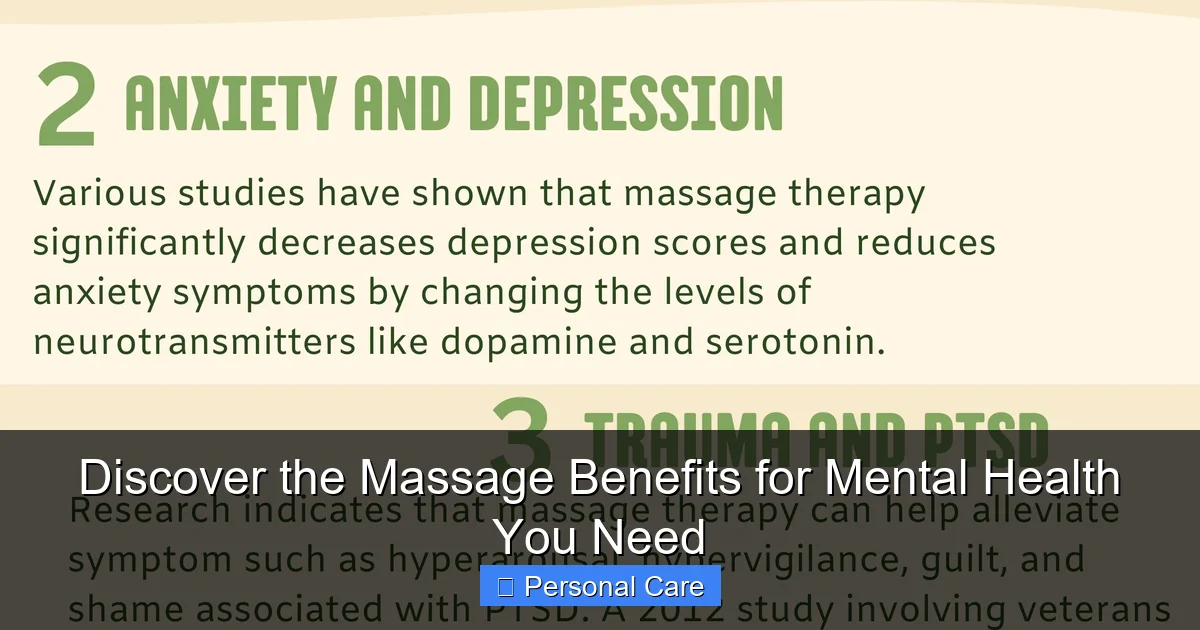
When you receive a massage, your body undergoes several changes. Notably, levels of cortisol, the stress hormone, decrease significantly. Simultaneously, feel-good hormones like serotonin and dopamine increase. This balance fosters a sense of relaxation and emotional stability.
Step-by-Step: How to Utilize Massage for Mental Health Benefits
To reap the mental health benefits of massage, follow these steps:
Visual guide about Discover the Massage Benefits for Mental Health You Need
Image source: solsolacestudio.com
Step 1: Choose the Right Type of Massage
Different types of massage offer various benefits. Here are a few to consider:
- Swedish Massage: Ideal for relaxation and stress relief through gentle strokes.
- Deep Tissue Massage: Targets deeper layers of muscle, perfect for chronic pain relief.
- Aromatherapy Massage: Uses essential oils to enhance relaxation and emotional balance.
- Shiatsu Massage: Focuses on pressure points to improve energy flow and mental clarity.
Step 2: Find a Qualified Therapist
Search for a licensed and experienced massage therapist. Look for reviews or ask friends for recommendations. Ensure the therapist understands your mental health goals.
Step 3: Prepare for Your Session
Before your appointment, take some time to relax. Consider the following:
- Hydrate: Drink water to keep your muscles hydrated.
- Set Intentions: Reflect on what you hope to achieve, whether it’s relaxation or emotional release.
- Communicate: Share any specific concerns with your therapist before the session begins.
Step 4: Enjoy the Massage Experience
During the massage, focus on your breathing and let go of stress. Allow yourself to immerse fully in the experience. Pay attention to how your body feels and embrace the sensations.
Step 5: Post-Massage Care
After your massage, take a moment to reflect on the experience. Here are some tips:
- Stay Hydrated: Drink water to flush out toxins released during the massage.
- Rest: Allow your body to adjust and relax before resuming daily activities.
- Journal: Write down any thoughts or feelings that arose during the session; this can enhance your self-awareness.
Practical Tips for Maximizing Massage Benefits
To get the most out of your massage therapy sessions, consider these practical tips:
- Frequency: Aim for regular sessions, whether weekly or monthly, based on your needs and budget.
- Combine with Other Practices: Incorporate mindfulness practices such as yoga or meditation alongside massage therapy.
- Create a Calm Environment: If you’re getting a massage at home, ensure your space is quiet and comfortable.
- Use Essential Oils: Consider using calming essential oils like lavender or chamomile during your massage for added relaxation.
Troubleshooting Common Concerns
Some people may have concerns about massage therapy, including discomfort or anxiety. Here are some solutions:
- Discomfort: Communicate with your therapist if something doesn’t feel right. Adjusting pressure or technique can help.
- Emotional Release: It’s normal to feel emotional during or after a session. Allow yourself to process these feelings.
- Cost Concerns: Look for local massage schools or community clinics that offer discounted rates.
Conclusion
Incorporating massage therapy into your routine can yield **significant mental health benefits**. From reducing stress to improving your mood, the advantages are numerous. Remember, the key is consistency and finding the right therapist who understands your needs. By making massage a regular part of your self-care routine, you can support your mental well-being and live a more balanced life. So, go ahead, treat yourself to a massage and experience the positive effects on your mental health!
🎥 Related Video: The Biological Benefits of Frequent Massage
📺 Emory University
Full Story — http://bit.ly/SugnxC — A new study shows there are sustained, cumulative beneficial effects of repeated massage …