In this guide, you will learn about the benefits of massage after a workout and how it can lead to faster recovery. Discover practical techniques and tips to incorporate effective massage into your post-exercise routine for optimal results.
Key Takeaways
- Enhanced Blood Circulation: Massage promotes increased blood flow, delivering oxygen and nutrients to muscles for quicker recovery.
- Reduced Muscle Soreness: Post-workout massage can significantly lower delayed onset muscle soreness (DOMS), helping you feel better faster.
- Improved Flexibility: Regular massage can enhance your flexibility by loosening tight muscles and promoting a greater range of motion.
- Stress Relief: Massage reduces cortisol levels and enhances relaxation, making it easier to mentally recover after intense workouts.
- Faster Lactic Acid Removal: Massage helps to flush out lactic acid buildup, which can lead to muscle fatigue and discomfort.
- Personalized Techniques: Different massage techniques can be tailored to your specific needs, whether you’re a casual exerciser or a serious athlete.
- Boosted Performance: Regular post-workout massage can improve overall performance by aiding in recovery and reducing injury risks.
Benefits of Massage After Workout for Faster Recovery
After a workout, our bodies go through various changes. Muscles may feel sore, tight, or fatigued. This guide will help you understand the numerous benefits of massage after a workout and how to incorporate it into your routine. You’ll learn effective techniques, tips, and the science behind why massage can accelerate recovery. Let’s dive in!
Why Massage Matters After a Workout
Massage after exercise can make a significant difference in how quickly your body recovers. Here are some key benefits:
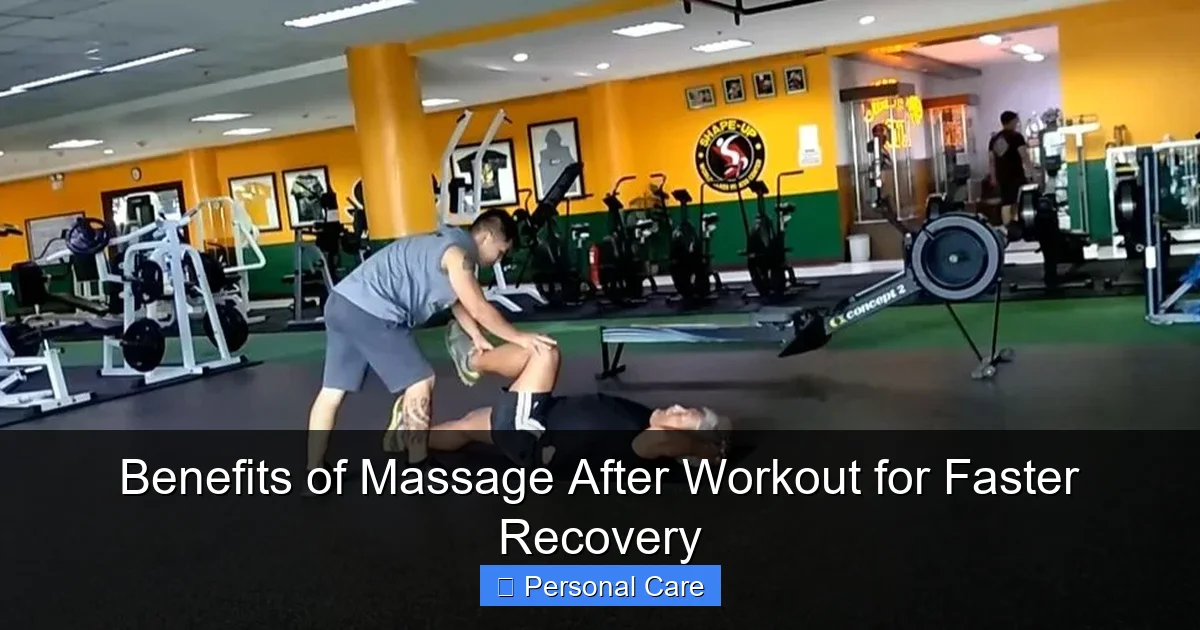
Visual guide about Benefits of Massage After Workout for Faster Recovery
Image source: massagechairhero.com
- Increased Blood Flow: Massage promotes better circulation, which is essential for muscle recovery.
- Reduced Muscle Tension: Massaging sore muscles can alleviate tightness and improve flexibility.
- Enhanced Recovery: It helps the body eliminate waste products like lactic acid, reducing recovery time.
- Stress Relief: Massage can lower stress hormones, providing a mental break after intense physical activity.
How to Massage After a Workout
Incorporating massage into your post-workout routine doesn’t have to be complicated. Here’s a step-by-step guide.

Visual guide about Benefits of Massage After Workout for Faster Recovery
Image source: bbmassageandfloat.com
Step 1: Prepare for the Massage
Before starting, set the mood for relaxation. Find a quiet space where you can comfortably perform your self-massage or have someone assist you.
- Gather Supplies: You may want to use massage oils, lotion, or a foam roller to enhance the experience.
- Warm Up: Spend a few minutes stretching to prepare your muscles for the massage.
Step 2: Choose Your Technique
There are various techniques to consider for post-workout massage:
Self-Massage
Using your hands, fingers, or tools like a foam roller, you can effectively massage sore areas.
- Foam Rolling: Roll the foam roller over your muscles, applying pressure to tight spots.
- Hand Techniques: Use your fingers to knead sore areas, applying gentle pressure.
Professional Massage
If you prefer a professional touch, consider scheduling a sports massage with a licensed therapist.
- Swedish Massage: Great for relaxation and overall muscle relief.
- Deep Tissue Massage: Targets deeper layers of muscle and connective tissue, ideal for chronic pain.
Step 3: Focus on Key Muscle Groups
Identify the muscle groups that need the most attention based on your workout. Common areas include:
- Legs: Quads, hamstrings, and calves often require extra care after running or weightlifting.
- Back: The lower back and shoulders can benefit from focused massage, especially after upper-body workouts.
- Arms: Biceps and triceps may need relief after activities like push-ups or weight training.
Step 4: Apply the Right Pressure
When massaging, always listen to your body. Here’s how:
- Gentle Pressure: Start with light pressure, especially on sore spots.
- Increase Gradually: As muscles relax, you can apply firmer pressure if comfortable.
- Use Your Body Weight: Lean into areas needing more pressure instead of using just your hands.
Step 5: Duration and Frequency
For effective recovery, consider the duration and frequency of your massage sessions:
- Timing: Aim for a massage session lasting 15 to 30 minutes post-workout.
- Frequency: Incorporate massage into your routine 1-3 times a week, depending on workout intensity.
Tips for a Successful Post-Workout Massage
- Stay Hydrated: Drink water before and after your massage to help flush out toxins.
- Listen to Your Body: If something feels painful, adjust your technique or pressure.
- Incorporate Stretching: Follow your massage with gentle stretches to enhance flexibility.
- Use Heat Therapy: Consider applying a warm compress before the massage to relax muscles further.
Troubleshooting Common Issues
Sometimes, you may encounter issues while massaging. Here are some common problems and solutions:
- Excessive Pain: If you experience sharp pain, stop immediately and consult a professional.
- Limited Range of Motion: If you can’t move certain muscles, avoid forcing them; a professional can help.
- Muscle Spasms: If spasms occur, apply gentle pressure and breathe deeply to relax the muscle.
Conclusion
Incorporating massage into your post-workout routine can significantly improve your recovery process. Not only does it help relieve muscle soreness and tension, but it also promotes relaxation and mental well-being. Whether you choose self-massage or opt for a professional session, the benefits are undeniable. Make massage a regular part of your fitness regimen, and enjoy a faster recovery and enhanced performance!
🎥 Related Video: What REALLY Happens to Your Muscles After a Workout
📺 Squat University