You might feel numbness, tingling, or pain in your wrist and hope for a simple way to ease it. Massage can reduce tension, improve circulation, and often ease carpal tunnel symptoms without surgery.
Massage may help many people with mild to moderate carpal tunnel by easing tight muscles, lowering inflammation, and improving wrist mobility.
This guide shows which massage methods work, how to do safe self-massage at home, and when to see a professional so you can choose the best path for relief.
Key Takeaways
- Massage can ease symptoms and improve wrist movement.
- Simple self-massage and stretches can help when done safely.
- Seek a professional if symptoms are severe or persist.
Understanding Carpal Tunnel Syndrome
Carpal tunnel syndrome (CTS) happens when the median nerve is squeezed at the wrist. It causes specific sensations and weakness in the thumb and first three fingers and can come from repeated use, swelling, or changes in wrist shape.
Symptoms and Causes
Symptoms usually start slowly and often include numbness, tingling, and burning that affects the thumb, index, middle, and half of the ring finger. Pain can travel up the forearm. Symptoms often wake a person at night or appear when holding a phone, steering wheel, or a book.
Causes include pressure from swollen tendons, fluid retention, or anything that reduces space in the carpal tunnel. Repetitive hand movements—like typing or assembly-line work—can irritate tendons. Injuries, wrist fractures, or conditions such as diabetes, rheumatoid arthritis, and thyroid problems also raise pressure on the nerve.
Key signs clinicians watch for: decreased pinch strength, dropping objects, and a positive Tinel or Phalen test. Early symptoms can be intermittent; long-term compression can cause constant numbness and muscle wasting at the base of the thumb.
Risk Factors
Age and sex affect risk: people over 50 and women have higher rates of CTS. Hormonal changes such as pregnancy and menopause can cause fluid shifts that increase pressure in the wrist.
Occupational risks include repeated wrist bending, forceful gripping, and tasks with vibration. Repetitive keyboard use alone is a weaker factor than force and posture combined. Medical conditions that increase risk include diabetes, hypothyroidism, obesity, and inflammatory joint disease.
Other risks include previous wrist injury and genetic wrist shape differences that narrow the carpal tunnel. Smoking and poor overall health can slow nerve recovery after injury or treatment.
Diagnosis Process
Diagnosis starts with a clinical history and focused physical exam. The clinician asks about symptom timing, activities that worsen symptoms, and any medical conditions. They check sensation in the thumb and fingers, muscle strength, and perform Tinel’s and Phalen’s maneuvers.
If the exam is unclear, doctors use nerve conduction studies and electromyography (EMG) to measure how fast the median nerve sends signals. Ultrasound or MRI can show swelling or structural causes. Blood tests may check for diabetes or thyroid disease when those are suspected contributors.
Diagnosis guides treatment choice: mild cases may use splints and exercises, while severe cases with muscle wasting often need surgical referral.
How Massage Therapy Can Help Carpal Tunnel
Massage can reduce pressure on the median nerve, ease tight muscles and tendons, and improve wrist mobility. It targets soft tissues around the carpal tunnel to lower pain, numbness, and swelling while supporting daily hand function.
Physiological Effects of Massage
Massage increases local blood flow to the wrist and forearm. Better circulation brings oxygen and removes metabolic waste, which helps reduce inflammation that presses on the median nerve.
It also loosens tight forearm muscles and wrist tendons. When muscles and fascia relax, they stop tugging on the carpal tunnel structures, which can lower nerve compression.
Gentle pressure and friction break up small adhesions in connective tissue. This improves tendon glide and joint range of motion, making gripping and wrist movement smoother.
Nerve mobility improves with certain massage strokes and nerve-gliding techniques. These reduce nerve entrapment by allowing the median nerve to slide more freely through the carpal tunnel.
Types of Massage Techniques Used
Common techniques include:
- Myofascial release: sustained pressure to loosen fascia and reduce tight bands.
- Trigger point therapy: targeted pressure to release knots in forearm muscles.
- Cross-fiber friction: short, firm strokes across tendons to reduce adhesions.
- Lymphatic drainage massage: light strokes to move excess fluid and reduce swelling.
Self-massage methods are also effective. Simple steps: rub the forearm muscles, apply gentle friction to the wrist crease, and use circular motions on the palm and base of the thumb.
A licensed therapist may combine manual work with nerve-gliding exercises. This blend targets both soft tissue and nerve mobility for more consistent symptom relief.
Conditions for Effectiveness
Massage works best for mild to moderate carpal tunnel where soft-tissue tightness or inflammation is a main factor. It may not reverse severe nerve damage or advanced compression.
Frequency and timing matter. Short sessions (10–20 minutes) daily or several times per week yield better results than occasional treatments. Consistent home self-care boosts lasting benefit.
Table: When massage is likely to help
| Situation | Likely Benefit |
|---|---|
| Early symptoms (numbness/tingling at night) | High |
| Symptoms tied to overuse and muscle tightness | High |
| Long-standing severe weakness or muscle wasting | Low |
| Significant nerve conduction loss on testing | Low |
Massage should avoid aggressive pressure on a known, severely compressed nerve. A clinician should evaluate persistent, worsening, or progressive symptoms before relying on massage alone.
Evidence-Based Benefits of Massage for Carpal Tunnel
Massage can lower pain, restore wrist movement, and reduce tissue swelling by targeting tight muscles, tendon gliding, and local circulation. Studies and clinical reports show measurable short-term gains when massage is done regularly and combined with exercises or splinting.
Pain Reduction
Massage reduces pain by loosening tight forearm muscles and breaking up trigger points that press on the median nerve. Techniques like myofascial release and trigger-point therapy focus on the flexor muscles and wrist tendons. These techniques can cut pain intensity in the short term, often within a few sessions.
Typical approaches include:
- Direct pressure on trigger points in the forearm.
- Gentle kneading across the wrist and palm to ease tendon tension.
- Nerve-gliding strokes that move tissue layers to reduce nerve entrapment.
Clinical studies report decreased pain scores after regular self-massage or therapist-applied massage. The benefit is greater when massage is combined with wrist splints or nerve-gliding exercises rather than used alone.
Improved Mobility
Massage helps increase wrist and finger range of motion by reducing stiffness in muscles and connective tissue. It promotes tendon gliding, which helps tendons move smoothly through the carpal tunnel during wrist flexion and extension.
Key effects include:
- Reduced tendon adhesions that limit motion.
- Improved joint lubrication from increased local blood flow.
- Faster recovery of grip strength when massage is paired with stretching.
Patients often notice easier wrist bending and improved ability to grasp objects after consistent sessions. Results depend on technique, frequency, and whether the person also does prescribed stretches and ergonomic adjustments.
Decreased Inflammation
Massage supports reduction of local inflammation by improving circulation and helping drain excess fluid from the wrist area. Techniques that target the forearm and wrist can promote lymphatic flow and reduce localized swelling that contributes to nerve pressure.
Practical elements:
- Light effleurage and lymphatic drainage moves fluid away from the carpal tunnel.
- Myofascial release reduces tight fascia that can trap fluid and compress the nerve.
- Repeated sessions over days to weeks yield more consistent drops in swelling than single treatments.
Evidence suggests massage is most effective at lowering inflammation when used with anti-inflammatory measures such as wrist splints, activity modification, or medical treatment as recommended by a clinician.
Types of Massage for Carpal Tunnel Relief
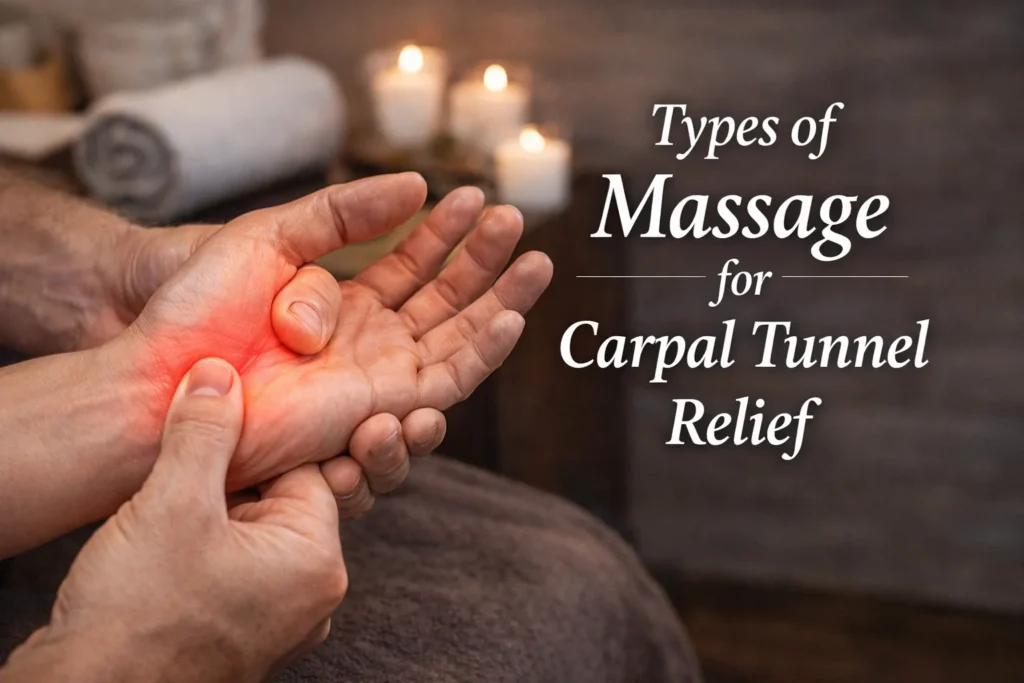
Massage techniques can reduce pressure on the median nerve, ease tendon tension, and improve blood flow to the wrist and forearm. Each method targets different tissues and uses distinct hand movements and pressure levels.
Deep Tissue Massage
Deep tissue massage uses firmer pressure to reach tight muscles and dense connective tissue in the forearm and wrist. A therapist applies slow, sustained strokes and focused thumb or elbow pressure to break up adhesions and scar tissue that limit tendon glide. This helps reduce tension transmitted to the carpal tunnel.
Sessions often focus on the forearm extensors and flexors, the wrist flexor retinaculum, and the base of the palm. Patients may feel discomfort during treatment, but therapists adjust intensity to avoid sharp nerve pain. Typical session length is 15–30 minutes for the affected arm, repeated weekly or biweekly as needed.
Aftercare includes gentle range-of-motion exercises, icing if soreness appears, and avoiding repetitive tasks for 24–48 hours. Deep work can improve wrist strength and mobility when combined with exercises and ergonomic changes.
Myofascial Release
Myofascial release targets the fascia — the thin connective tissue that surrounds muscles, tendons, and nerves. Therapists use sustained, gentle pressure and stretching across the forearm and wrist to release restrictions that compress the median nerve. The technique focuses on long, gliding holds rather than strong, fast strokes.
Practitioners often work along the length of the arm, from the shoulder and elbow down to the palm, because fascial tightness can radiate. Sessions emphasize slow movements and patient feedback to find areas of tightness. This method is usually comfortable and suitable for people who find deep pressure painful.
Patients typically notice improved flexibility and reduced tightness after several sessions. Home self-release techniques, like foam rolling or gentle wrist stretches, can support professional myofascial work and maintain results.
Trigger Point Therapy
Trigger point therapy pinpoints small, hyperirritable spots within a muscle that refer pain or numbness to the hand and fingers. A therapist presses on these “knots” in the forearm muscles, palm, or shoulder to reduce referred symptoms along the median nerve pathway. The goal is to deactivate trigger points that worsen nerve irritation.
Treatment uses steady pressure or brief ischemic compression, followed by stretching and mobilization of the affected muscle. Patients may feel brief sharpness at the trigger site, then a release or reduced symptom spread. Sessions are focused and often combined with nerve-gliding exercises to restore normal nerve movement.
Follow-up care includes gentle massage, targeted stretches, and avoiding positions that recreate the trigger points. Releasing trigger points can cut down on night-time numbness and improve functional wrist use.
Performing Self-Massage Safely at Home
This section gives clear steps to follow, the tools that help, and the red flags to stop. It focuses on safe hand, wrist, and forearm techniques that reduce pressure on the median nerve.
Step-By-Step Instructions
- Prepare the area. Sit at a table with forearm supported and palm up. Keep the shoulder relaxed and elbow bent about 90 degrees.
- Warm up for 2–3 minutes. Use a warm compress or rub the forearm gently with the opposite hand to increase blood flow.
- Palmar surface glide: With thumb, apply light to moderate pressure and glide from the wrist crease toward the base of the fingers. Repeat 8–12 times.
- Transverse friction at the wrist: Use the pad of the thumb to make short, firm strokes across the flexor tendon area just below the wrist crease. Do 6–8 small strokes.
- Forearm muscle release: Pinch and roll the muscles on the inner forearm (flexor group) from mid-forearm to just below the elbow for 30–60 seconds.
- Nerve gliding adjunct: Gently bend and straighten the wrist while maintaining light pressure along the nerve path. Perform 5–10 slow repetitions.
- Finish with light strokes toward the heart for 30 seconds to assist drainage.
Apply pressure that feels like firm pressure but not sharp pain. Stop or reduce pressure if numbness, burning, or increased tingling occurs.
Recommended Tools and Products
- Massage oil or lotion: Choose a low-fragrance, hypoallergenic formula to reduce friction and skin irritation. Use a dime-sized amount to start.
- Small massage ball or rubber ball: Place under the forearm and roll gently to target deeper tissue without direct thumb strain.
- Warm compress or heating pad: Heat for 5–10 minutes before massage to relax tissue and increase circulation.
- Wrist support or soft splint: Use after massage if symptoms flare or for overnight protection.
- Clean towel and small pillow: Support the wrist and keep the arm at a neutral angle during the session.
Avoid tools with hard, sharp edges. Replace or clean products regularly to prevent skin irritation or infection.
Precautions and Contraindications
Do not perform self-massage if skin is broken, infected, bruised, or swollen. Massage over open wounds increases infection risk.
Stop and seek medical advice if any of the following occur: sudden increase in pain, new numbness that does not return to baseline, sharp shooting pain, or signs of circulation loss (paleness, coldness). People with blood clotting disorders, on blood thinners, or with severe diabetic neuropathy should consult a clinician before massaging the area.
Use light pressure if pregnant, elderly, or when massaging areas with thin skin. If a licensed therapist provided a specific plan, follow that plan rather than general techniques.
When to See a Professional Massage Therapist
Seek professional help when symptoms are persistent, worsen with home care, or limit daily tasks. A trained therapist can assess nerve-related signs, tailor hands-on treatment, and coordinate with other clinicians if needed.
Identifying Severe Symptoms
They should book an appointment if numbness or tingling in the thumb, index, middle, or half of the ring finger occurs daily or wakes them at night. Weakness that causes dropping objects or trouble gripping a doorknob signals more than mild irritation and needs prompt evaluation.
Visible muscle wasting at the base of the thumb (thenar atrophy) or sharp, radiating pain up the forearm are red flags. If symptoms follow a recent injury, diabetes, thyroid disease, or pregnancy, they should see a therapist who understands these risks.
If symptoms progress quickly or do not improve after 2–4 weeks of rest, splinting, and home stretches, professional assessment is warranted.
Preparing for Your Appointment
They should bring a list of symptoms with timing, triggers, and any treatments tried, such as wrist splints, NSAIDs, or night pain. Note work tasks, repetitive motions, and hobbies that stress the wrist.
They should wear or bring clothing that allows access to the wrist, forearm, and shoulder. Expect the therapist to perform a brief movement and nerve provocation exam and ask about medical history and medications.
If nerve testing (nerve conduction study or EMG) or surgical referral might be needed, they should ensure the therapist will communicate with their primary care provider or specialist.
Complementary Therapies and Lifestyle Adjustments
These practical changes reduce pressure on the median nerve and support massage or other treatments. They focus on how the person uses the wrist, when to rest, and which simple exercises to do regularly.
Ergonomic Modifications
They should set up work and home spaces to keep the wrist in a neutral position. Use a split or negative-tilt keyboard and a mouse that fits the hand; adjust chair height so forearms are parallel to the floor. Place the monitor at eye level to avoid leaning on the wrists.
Short, regular breaks matter. Every 20–30 minutes they should rest the hands for 30–60 seconds and do gentle wrist shakes. A wrist splint for night and during repetitive tasks can hold the wrist straight and reduce numbness.
Small tools can help. Gel pads for keyboards, padded handles on tools, and voice-to-text software cut down on typing and gripping. Reputable guidance on workplace ergonomics is available from OSHA and the American Academy of Orthopaedic Surgeons for setup tips and images.
Stretching and Strengthening Exercises
Nerve-gliding and tendon-gliding exercises ease movement of the median nerve. They should slide the fingers and wrist through specific positions—fist, flat hand, and extended wrist—holding each for a few seconds and repeating 5–10 times. These moves help reduce pressure and improve range of motion.
Strengthening focuses on the forearm and hand. Use light resistance like a soft squeeze ball or elastic band for wrist flexion and extension, three sets of 10–15 reps a few times a week. Start gently and stop if pain increases.
Consistency is key. Doing short sessions several times daily works better than one long session. For tailored exercises, a physical or occupational therapist can provide a program and show proper form; see resources from the American Physical Therapy Association for examples.
FAQS
What can massage do for carpal tunnel?
Massage can reduce tightness in the wrist and forearm muscles. It may ease pain, numbness, and improve wrist mobility for some people.
How soon will massage help symptoms?
Some people feel relief after one session. Others need regular sessions or daily self-massage for several weeks to notice change.
Can self-massage replace medical care?
No. Massage can help but should not replace medical advice. If symptoms are severe or worsening, they should see a doctor or a hand specialist.
Which massage techniques are safe to try at home?
Gentle myofascial release, forearm rubs, and tendon-gliding strokes are commonly safe. They should use light pressure and stop if pain increases.
How often should someone do massage or exercises?
Short daily sessions, 5–15 minutes, often work best. Consistency helps, and alternating with nerve- and tendon-gliding exercises can improve results.
Are there risks or who should avoid massage?
People with recent wrist fractures, infections, or uncontrolled bleeding disorders should avoid massage. Those with diabetes or nerve disease should consult their provider first.
When should someone seek surgery or other treatments?
If numbness, weakness, or function loss gets worse despite conservative care, they should talk to a doctor about tests and other options.
Conclusion
Massage can ease many symptoms of carpal tunnel when used correctly. It helps reduce muscle tightness, improve blood flow, and lower minor swelling that presses on the median nerve.
They should use gentle techniques like myofascial release, trigger point work, and self-massage paired with nerve- and tendon-gliding exercises. These methods can improve wrist motion and reduce numbness for many people.
If symptoms are severe, constant, or worsening, they need medical evaluation. A doctor can recommend tests, splints, steroid injections, or surgery when massage and exercise are not enough.
Best practice mixes therapies. They should combine regular self-care massage, ergonomic changes at work, stretching, and professional guidance from a licensed therapist or clinician.
Quick checklist:
- Try gentle massage and nerve glides daily.
- Adjust workstation and posture.
- See a clinician if symptoms persist or worsen.
This approach gives practical tools and clear limits. It helps people manage symptoms while keeping options open for further medical care.