The best seat cushion for pudendal neuralgia reduces perineal pressure and improves posture.
If sitting lights a fire in your pelvis or tailbone, you’re not alone. Pudendal neuralgia can make office work, driving, or even dining out feel like a marathon. A smart cushion helps by unloading pressure from the perineum, coccyx, and sit bones while keeping your spine aligned. In this guide, I review the best seat cushion for pudendal neuralgia based on pressure mapping insights, foam density, gel support, and real-world comfort. I also share who each pick suits best, so you can sit longer with less pain and more confidence.

Cushion Lab Patented Pressure Relief…
✔ SPECIALLY SHAPED BY IN-HOUSE ERGONOMISTS the Ergonomic Seat Cushion is scientifically contoured to cradle your thighs & hip and help you sit upright up on any chair. ✔ ADD…

C CUSHION LAB Patented Pressure…
✔ SPECIALLY SHAPED BY IN-HOUSE ERGONOMISTS the Ergonomic Seat Cushion is scientifically contoured to cradle your thighs & hip and help you sit upright up on any chair. ✔ ADD…

Memory Foam Seat Chair Cushion…
✔️[Memory Form Seat Cushion]—Designed with the highest quality fabric that snugly fits over the foam cushion and is easily removed for cleaning. With an enhanced memory foam formula, the wedge/…
Cushion Lab Pressure Relief Seat Cushion, Black
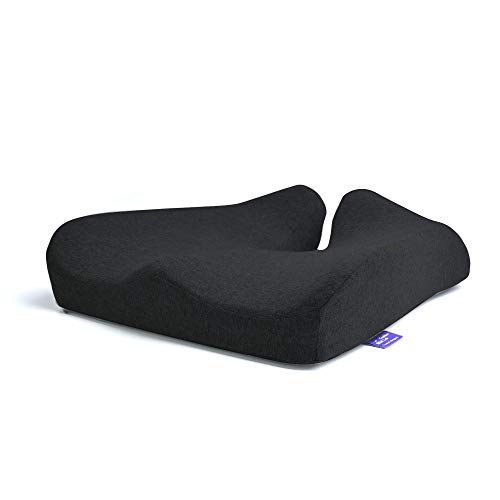
This Cushion Lab model uses extra-dense memory foam that cradles the hips and reduces hot spots. The ergonomic contour lifts the thighs slightly and lets the tailbone float. That shape lowers pressure in the perineal region, which is key for pudendal neuralgia. I like it for long office sessions because it holds form and does not bottom out.
The cover feels soft yet grippy, so it stays put on slick chairs. I also appreciate the forward edge dip, which eases hamstring tension and helps upright posture. The wide fit supports larger frames without edge digging. If you want a daily driver cushion for desk work, this is a strong start.
Pros:
- Extra-dense foam holds shape for long hours
- Contour eases perineal and coccyx pressure
- Non-slip cover helps on plastic or leather chairs
- Thigh support encourages neutral spinal posture
- Works in office chairs, dining chairs, and cars
Cons:
- May feel firm during the first week
- Not ventilated; can feel warm in hot rooms
- Bulky for very small chairs
My Recommendation
If you need the best seat cushion for pudendal neuralgia for all-day desk work, start here. The cut and density combine to shift load from sensitive perineal tissues to the sit bones. It also resists sagging, so you keep relief and posture over time.
| Best for | Why |
|---|---|
| Office work 6–10 hours | Dense foam keeps pressure low without collapse |
| Mixed-use at home | Stable base for dining, reading, or gaming |
| Early pudendal flare-ups | Contour unloads perineal region and tailbone |
Cushion Lab Pressure Relief Seat Cushion, Light Grey
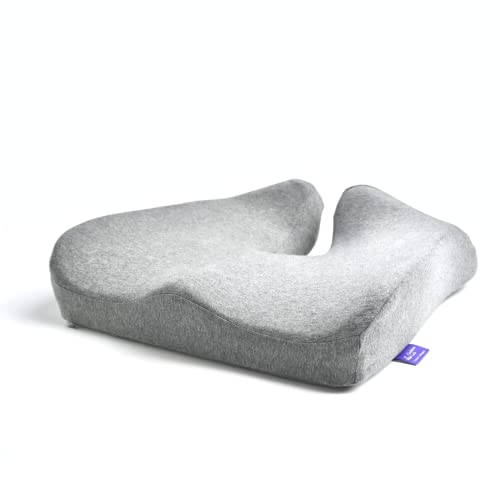
This Light Grey version mirrors the black model’s supportive design, with a neutral look that fits modern workspaces. The U-shaped recess keeps weight off the coccyx and perineum. That is important if your pain spikes when leaning forward or slouching. Its high-density memory foam absorbs shock during road vibrations too.
I’ve found the fabric resists pilling and lint, which is rare on light colors. The zipper lets you wash the cover for easy upkeep. It is a smart option if you need one cushion for your car and desk. Slide it between settings without losing comfort.
Pros:
- Same proven contour as the black model
- Light color brightens a dim office setup
- Washable cover for quick cleaning
- Good crossover for car and desk use
- Holds alignment for better core support
Cons:
- Light fabrics show stains faster
- May be too firm for users under 120 lbs
- Not ideal for very narrow airplane seats
My Recommendation
Choose this if you want the best seat cushion for pudendal neuralgia with a clean, low-profile look. It moves pressure off the perineum and keeps posture neutral in cars and offices. I like it for commuters who then pivot to desk work.
| Best for | Why |
|---|---|
| Commuters | Firm foam buffers bumps and road vibration |
| Home office style | Light grey blends with modern chairs |
| Posture correction | Contour cues a gentle pelvic tilt |
Memory Foam Seat Cushion, Dark Gray
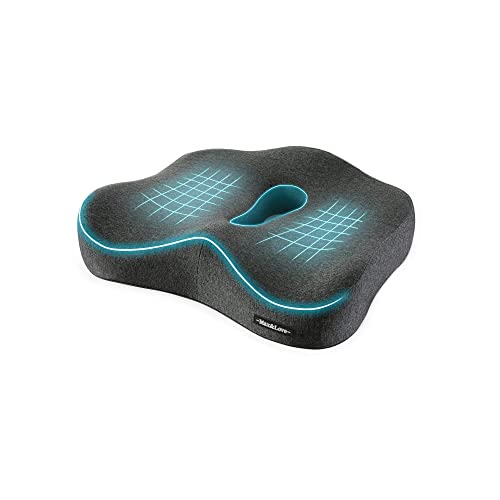
This budget-friendly cushion targets tailbone, sciatica, and general seat pain. The ergonomic ring design spreads weight around the sit bones and hips. It can help reduce perineal contact, which is useful for pudendal nerve sensitivity. The foam is medium-firm, so it feels cushy without sinking fast.
The dark gray cover hides wear and cleans up well. It is a good companion for short flights or coffee shop work. While it lacks the brand-name contour science, it delivers solid value. It is a safe first cushion if you are testing shapes.
Pros:
- Affordable entry point for relief
- Medium-firm feel suits many body types
- Ring design lessens perineal pressure
- Compact and easy to carry
- Low-maintenance dark fabric
Cons:
- Foam may compress over months of heavy use
- No specialized cutout for deep coccyx relief
- Not ideal for very wide chairs
My Recommendation
On a tight budget and still want the best seat cushion for pudendal neuralgia to try? Start with this. It gives a taste of ring-style relief and can guide your next step. If it works, you can upgrade to denser foam later.
| Best for | Why |
|---|---|
| Budget relief | Good price-to-comfort ratio |
| Short sessions | Enough support for meetings or meals |
| Testing donut shapes | Shows if a ring design helps you |
Cushion Lab Pressure Relief Seat Cushion, Green

The Wellness Green colorway brings the same high-density build with a cheerful look. The cushion’s sculpted valleys guide your pelvis into a safer spot. That reduces shear forces on the pudendal nerve during long sits. The foam rebound is predictable, which I value for consistency.
It is a nice match for creative studios or home offices. The cover’s stitch quality holds up to daily moving. If you respond well to structured support, this is a keeper. It is a patient, reliable cushion that helps you focus on work, not pain.
Pros:
- Proven ergonomic profile for pressure relief
- Color adds life to a dull workspace
- Dense foam with steady rebound
- Durable seams and cover
- Great for task chairs with mesh backs
Cons:
- Color may not match every office setup
- Foam can feel warm in summer
- Bulkier than ultralight travel cushions
My Recommendation
Want posture coaching plus relief from pudendal pain? This is one of my picks for the best seat cushion for pudendal neuralgia. The valleys and rise points reduce perineal load and cue an easy, neutral spine.
| Best for | Why |
|---|---|
| Creative home desks | Supportive with a lively color pop |
| Focused work | Consistent foam feel reduces fidgeting |
| Sensitive coccyx | Tailbone recess stops direct contact |
Memory Foam Seat Cushion, Mixed Colors
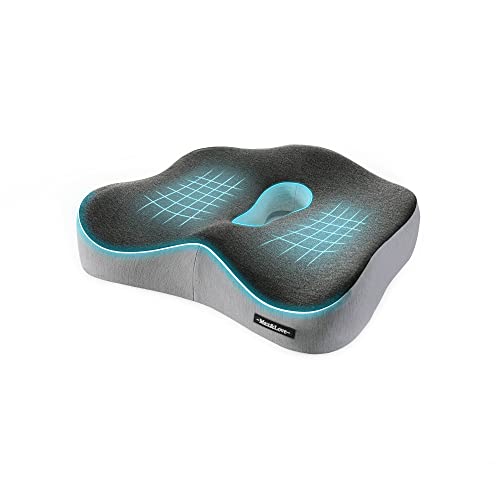
This version offers multiple color options with a classic donut-inspired shape. It spreads pressure around tender tissues while giving the sit bones a stable base. For pudendal neuralgia, that offloading can mean fewer electric zaps during meetings. The foam feel is friendly and not too stiff.
I like it as a backup cushion for travel or cafes. The lighter build makes moving it easy. It won’t match the premium density of pro models, but it gets the job done. If you want a colorful spare, it’s a smart pick.
Pros:
- Many colors to suit your style
- Light and portable
- Donut shape reduces perineal contact
- Easy to stash in a tote
- Good for short to mid-length sits
Cons:
- Foam may soften after months
- Less structure than premium contoured models
- Not as wide as some users may like
My Recommendation
Pick this if you need an extra cushion for outings or travel days. It is not my top for all-day desk work, but it belongs on a best seat cushion for pudendal neuralgia list for flexibility and ease. Keep it in the car as your “always-ready” helper.
| Best for | Why |
|---|---|
| Spare/travel cushion | Lightweight and compact |
| Short meetings | Quick relief without setup |
| Style-conscious users | Color options to match bags and chairs |
GSeat Ultra Orthopedic Gel-Foam Cushion, Black

The GSeat Ultra mixes gel and foam with a center relief groove. That design floats the coccyx and lessens contact in the perineal area. Gel helps distribute force and cools the seat slightly. If you sit through long flights or drive for hours, the hybrid feel is a win.
The patented “hammock” hinge lets the cushion fold for travel while keeping support zones aligned. I like the balance: plush on top, supportive below. It helps when your hips and tailbone compete for comfort. For many, it is a sweet spot between donut and solid foam sinks.
Pros:
- Gel + foam disperses hot spots fast
- Center groove to unload tailbone and perineum
- Folding hinge makes it travel-ready
- Cooler than all-foam cushions
- Great for long-haul driving or flying
Cons:
- Heavier than simple foam pads
- Price is higher than basic models
- Gel can feel firm in cold rooms
My Recommendation
If trips and commutes trigger your flares, this may be the best seat cushion for pudendal neuralgia for you. It keeps pressure moving and resists heat build-up. The center groove is a difference-maker for tailbone and perineal relief.
| Best for | Why |
|---|---|
| Travel and commuting | Folds and stays supportive |
| Heat-sensitive users | Gel moderates seat temperature |
| Mixed pain patterns | Relief for tailbone and pudendal areas |
GSeat LITE Travel Gel-Foam Cushion, Gray

The GSeat LITE trims weight while keeping the gel-foam mix and relief groove. It’s easy to pack and fits narrow airplane seats better. The center channel reduces direct perineal pressure, which is key for nerve pain. It also helps quell tailbone burn on rough roads.
I like the simple, clean look in gray. The handle makes quick moves easy between meetings. It is less plush than the Ultra, but the portability is top-notch. If you change seats a lot, consider this your grab-and-go cushion.
Pros:
- Lighter than the Ultra
- Center groove for targeted relief
- Travel-friendly and compact
- Handle for quick moves
- Better fit on tight seats
Cons:
- Not as cushy as the Ultra
- May compress for heavier users
- Less cooling than large gel pads
My Recommendation
This is a strong pick if you want the best seat cushion for pudendal neuralgia in a light, compact form. It softens the worst pressure points and suits flights, trains, and rideshares. Keep it in your backpack so relief is always near.
| Best for | Why |
|---|---|
| Frequent flyers | Compact, folds, fits small seats |
| Urban commuters | Quick to deploy on any chair |
| Tailbone + pudendal relief | Center channel offloads both zones |
GSeat LITE Travel Gel-Foam Cushion, Blue
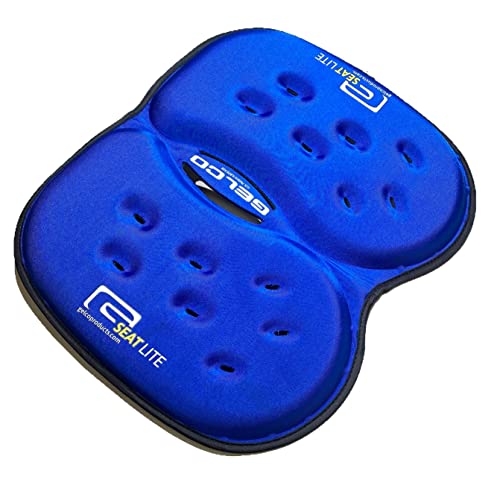
Functionally, this Blue LITE matches the gray version but with a fresh color. The gel-foam combo and center groove work to reduce perineal stress. That is valuable if leaning forward sparks nerve pain. It is slim, light, and easier to carry than most.
I like the color for visibility in dark cars or planes. It is also a good pick for students who sit between classes and libraries. While not ultra-cushy, it provides clear relief where it counts. It’s a reliable daily carry cushion.
Pros:
- Lightweight and foldable
- Visual pop helps you spot it fast
- Center groove reduces sensitive contact
- Good across many seat types
- Easy-care cover
Cons:
- Less plush than premium gel pads
- Can feel thin on hard benches
- Not for heavy-duty 10-hour sits
My Recommendation
Want portability without giving up targeted relief? This version earns a place among the best seat cushion for pudendal neuralgia options for everyday carry. Keep it in your tote or laptop bag and sit with less fear of flares.
| Best for | Why |
|---|---|
| Students and freelancers | Light and versatile for many chairs |
| Travel light | Folds and stows fast |
| Moderate pain days | Center channel offloads key zones |
OuYezy Memory Foam Seat Cushion, Black
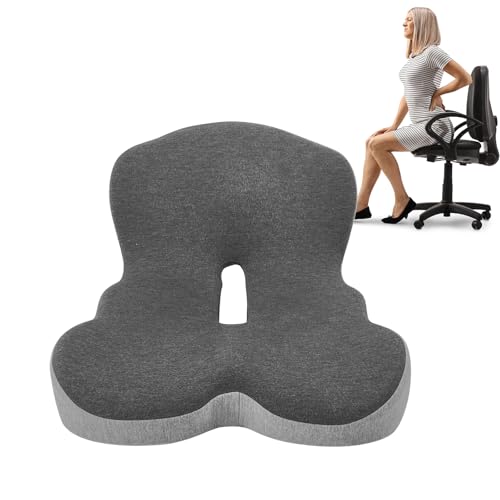
OuYezy’s cushion is a classic memory foam pad with a gentle contour. The tailbone recess aims to float the coccyx and reduce perineal contact. It is comfortable from the start, with a medium-plush top feel. The black cover looks clean in any office setup.
I find it forgiving for mixed use—office, dining, and car rides. It is not as rigid as high-density models, which some users prefer. If your hips are bony, that softer top can help. It strikes a good balance between comfort and support.
Pros:
- Comfortable out of the box
- Tailbone recess for targeted relief
- Neutral black design
- Good for bony hips and lighter frames
- Versatile across many seat types
Cons:
- May be too soft for heavier users
- Less durable than extra-dense foams
- Can warm up in hot weather
My Recommendation
If dense cushions feel too hard, this softer pad can be the best seat cushion for pudendal neuralgia for you. It reduces pressure with a kinder top layer. Great for light to average body weights and mixed daily seating.
| Best for | Why |
|---|---|
| Lighter users | Plush top reduces sharp pressure |
| Casual home seating | Comfortable feel on dining or lounge chairs |
| Short-to-mid sits | Fast comfort without break-in |
Vive Tailbone Relief Memory Foam Cushion

Vive’s cushion targets wheelchair and long-sitting comfort with a stable, broad base. The U-shaped cutout and gentle wedge promote a neutral pelvis. That removes pressure from the perineum and coccyx, which helps with pudendal nerve irritation. The foam density sits in that “firm-but-kind” zone.
It shines on wheelchairs, office chairs, and dining seats. The grip on the bottom prevents sliding during transfers. I appreciate the durable, washable cover for hygiene. It is a workhorse cushion with a clinical bent that still feels good.
Pros:
- Wide, stable base for varied chairs
- U-cut supports coccyx and perineal relief
- Non-slip bottom for safety
- Washable cover for easy upkeep
- Good density for long sessions
Cons:
- Not the lightest to carry
- Firmer feel may need break-in
- Plain design lacks style options
My Recommendation
If you need reliable, clinical-grade support, this could be your best seat cushion for pudendal neuralgia. It blends stability with targeted relief and works on many chairs. Consider it if you sit for long stretches or use a wheelchair.
| Best for | Why |
|---|---|
| Wheelchair users | Stable base and non-slip safety |
| All-day desk work | Balanced density fights collapse |
| Hygiene-focused | Removable, washable cover |
FAQs Of best seat cushion for pudendal neuralgia
How does a cushion help with pudendal neuralgia?
It reduces pressure on the perineum and tailbone. That offloads the pudendal nerve and eases irritation while sitting.
What cushion shape should I try first?
Start with a U-shaped or center-groove cushion. Both designs lower perineal contact and protect the coccyx.
Is firmer foam better than soft foam?
Medium-firm to firm foam works best for long sits. It supports your pelvis without collapsing into pressure points.
Can I use these cushions in the car and office?
Yes. Most models here work for cars, offices, dining, and travel. Look for non-slip covers for smooth seats.
How long before I feel a difference?
Many feel relief right away. Deeper posture changes may take a week as your body adapts.
Final Verdict: Which Should You Buy?
For everyday desk relief, Cushion Lab’s Pressure Relief Seat Cushion stands out. Its contour and dense foam make it the best seat cushion for pudendal neuralgia for long hours.
Travel often? Choose the GSeat Ultra for plush gel-foam, or the GSeat LITE for light, foldable relief. If you value stability and hygiene, the Vive cushion is a strong pick for the best seat cushion for pudendal neuralgia across many seats.