Benefits of Regular Massage: Pain Relief, Recovery, Stress Support, and Better Mobility
A practical guide to regular massage for real-life pain, stress, and recovery
Regular massage is not just about feeling relaxed for an hour. It can be a useful part of a simple home wellness routine, especially if you deal with tight muscles, desk job pain, workout soreness, or stress that settles in your shoulders and neck.
Pain Relief
Massage Therapy
Muscle Recovery
Stress Relief
Quick answer: The main benefits of regular massage include less muscle tension, better relaxation, improved mobility, recovery support, and short-term pain relief for tight areas like the back, neck, shoulders, and legs.
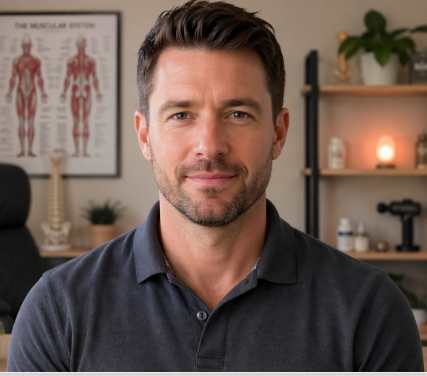
I’m Ethan Carter, and I’ve spent years testing massage tools, recovery products, and pain relief methods. I focus on simple, practical advice that helps people feel better and recover faster at home.
If your back feels tight after sitting all day, your neck aches after laptop work, or your legs stay sore after workouts, regular massage may help. In this guide, I’ll show you what it can do, how it works, which massage types fit different needs, and how to use home massage tools safely.
What Regular Massage Means and Why It Matters
Regular massage means using massage on a planned schedule instead of only when pain gets bad. This may mean a professional massage every few weeks, a short self massage routine at night, or a massage tool session after workouts.
Massage is a hands-on method that presses, rubs, or works soft tissue such as muscles, tendons, and fascia. Mayo Clinic explains that massage may range from light stroking to deep pressure and may help with stress, pain, tight muscles, and relaxation. You can read more from Mayo Clinic’s massage therapy overview.
Regular Massage vs One-Time Massage
A one-time massage can feel great. But the benefits may fade if you go right back to the same posture, stress, or workout load. Regular massage works better as a habit because it gives your body repeated support.
Massage Style
Best For
Main Benefit
One-time massage
Occasional stress or soreness
Quick relaxation and temporary relief
Regular massage
Ongoing tightness, recovery, and stress support
Better routine-based muscle care
Self massage routine
Home use and daily tension
Affordable support between professional sessions
Who Benefits Most from a Massage Routine?
Best for
Office workers with neck and shoulder tension
Active people with sore muscles after exercise
Older adults who prefer gentle relaxation support
People with tight backs from sitting or travel
Anyone building a simple stress relief routine
Not ideal for
Sharp, sudden, or unexplained pain
Fresh injuries without professional guidance
Open wounds, skin infections, or bruised areas
Areas with swelling that has not been checked
Deep pressure during certain medical conditions
How Regular Massage Works in the Body
Massage works by applying pressure and movement to soft tissue. This may help calm tight muscles, improve comfort, and support a better range of motion. It is not a cure for every type of pain, but many people find it helpful as part of a balanced wellness plan.
How Massage Helps Muscle Tension and Fascia
Muscle tension often builds from repeated stress. Think of shoulders raised during work, hips held tight while driving, or calves that tighten after standing all day. Massage may help relax these tense areas by using steady pressure, slow strokes, or targeted trigger point work.
Fascia is the connective tissue around muscles. When the body feels stiff, fascia and nearby muscles can feel restricted. Gentle massage, stretching, and movement may support better comfort and mobility over time.
How Massage Supports Circulation and Recovery
Massage may support blood flow in the worked area. Better circulation can help the body feel looser and more prepared for movement. This is one reason many athletes use sports massage, foam rolling, or massage guns as part of post-workout recovery.
Cleveland Clinic notes that massage can be used for relaxation, pain relief, and easing muscle tension. Their guide also explains several common massage styles, including Swedish, deep tissue, and sports massage. You can review the details from Cleveland Clinic’s massage therapy guide.
How Massage May Help Stress and Sleep
Stress often shows up in the body before we notice it in the mind. Tight jaws, raised shoulders, shallow breathing, and a stiff upper back are common signs. A calming massage routine may help you slow down and prepare for rest.
Note
Massage may support relaxation, but it should not replace medical care for severe pain, new injuries, numbness, or symptoms that keep getting worse.
How to Build a Simple Regular Massage Routine at Home
A good massage routine does not need to be long. In my testing, the best routines are simple, gentle, and repeatable. Ten focused minutes can be more useful than one rough hour that leaves you sore.
1
Choose your main goal. Decide if you want pain relief, better relaxation, workout recovery, or improved mobility. This keeps your routine focused.
2
Match the massage type to your problem. Use gentle Swedish-style massage for stress, trigger point work for muscle knots, and sports massage methods for workout soreness.
3
Use the right pressure. Mild discomfort can happen with tight muscles, but sharp pain is a stop sign. More pressure is not always better.
4
Keep sessions short and consistent. Start with 5 to 15 minutes per area. For massage guns, use even shorter sessions and keep the tool moving.
5
Track how your body responds. Notice sleep, soreness, stiffness, and mobility the next day. Adjust pressure and timing based on how you feel.
Tip
For beginners, I like a simple schedule: light massage 2 to 3 times per week, plus gentle stretching after. This works well for desk tension and general soreness.
Top Benefits of Regular Massage for Pain Relief and Wellness
May Ease Back, Neck, and Shoulder Tension
Back, neck, and shoulder tightness are some of the most common reasons people use massage. Sitting at a desk, leaning over a phone, driving long hours, and sleeping in a poor position can all make muscles feel stiff.
Regular massage may help loosen tight soft tissue and reduce the heavy, locked-up feeling in these areas. It works best when paired with better posture, movement breaks, and gentle stretching.
Can Support Post-Workout Muscle Recovery
After exercise, muscles can feel sore, tight, or heavy. Massage may support recovery by helping you relax tense areas and move more comfortably. Many people use massage guns, foam rollers, or sports massage after training.
The goal is not to crush sore tissue. The goal is to help the body calm down and return to easy movement.
May Improve Flexibility and Range of Motion
Massage may help you feel less restricted before stretching or mobility work. This can be helpful for tight hips, stiff calves, tense shoulders, and limited upper back movement.
For best results, use massage before light mobility drills. Massage helps prepare the area. Movement helps teach your body to use that range again.
Helps Many People Relax Before Sleep
A light massage before bed may help the body shift into a calmer state. This is useful if your muscles feel tense at night or you carry stress in your neck, jaw, feet, or shoulders.
For sleep support, keep pressure gentle. Deep massage right before bed can be too stimulating for some people.
Supports Better Body Awareness
Regular massage helps you notice where tension builds. You may learn that your right shoulder tightens during work, your calves get stiff after walking, or your lower back feels worse after long sitting.
This awareness helps you fix daily habits before pain becomes harder to manage.
Best Massage Types for Common Needs
Massage Type
Best For
Pressure Level
Swedish massage
Stress relief, sleep support, beginners
Light to medium
Deep tissue massage
Chronic muscle tightness and dense tension
Medium to firm
Sports massage
Athletes, active people, workout recovery
Medium
Trigger point therapy
Muscle knots and specific tight spots
Focused pressure
Lymphatic drainage
Gentle swelling support and relaxation
Very light
The National Center for Complementary and Integrative Health explains that massage therapy includes many techniques, including Swedish massage, sports massage, and clinical massage for goals such as releasing muscle spasms. You can learn more from the NCCIH massage therapy guide.
Symptom vs Solution: What Massage Method Fits Your Problem?
Problem
What Often Helps
Helpful Tool
Neck tension from desk work
Gentle kneading and heat
Neck massager or massage cushion
Back tightness after sitting
Light back massage and mobility breaks
Back massager or foam roller
Sore legs after workouts
Sports massage and light percussion
Massage gun
Foot pain after standing
Foot rolling and compression
Foot massager or massage ball
Stress-related shoulder tightness
Slow Swedish-style massage
Massage chair pad or handheld massager
Common Problems Regular Massage May Help With
Desk Job Neck Pain
Desk work often pulls the head forward and rounds the shoulders. Over time, the neck and upper back can feel stiff. A regular neck and shoulder massage routine may help reduce tightness, especially when paired with screen height changes and hourly movement breaks.
Lower Back Tightness
Lower back tightness often comes from long sitting, weak glutes, tight hips, or poor lifting habits. Massage may help the area feel looser, but it works best with walking, hip mobility, and core-friendly movement.
Sore Legs After Exercise
Leg soreness after workouts can make stairs, walking, and sleep uncomfortable. Gentle massage may help you relax the quads, calves, hamstrings, and glutes. Start light, especially the day after hard training.
Foot Pain After Standing
If you stand all day, your feet may feel tired, tight, or heavy. A foot massage routine can be simple: roll the sole gently, massage the arch, and use light pressure around the heel and ball of the foot.
Stress-Related Shoulder Tightness
Stress can make the shoulders creep upward without you noticing. A regular shoulder massage routine may help release that guarded feeling and remind your body to relax.
Common Massage Mistakes to Avoid
Mistake
Why It Matters
Better Fix
Using too much pressure
Can irritate sore tissue
Use mild to moderate pressure
Massaging sharp pain
May make an injury worse
Stop and get professional advice
Staying on one spot too long
Can cause soreness or bruising
Keep tools moving slowly
Skipping movement
Massage alone may not fix posture habits
Add stretching and mobility work
Safety Tips Before Starting Regular Massage
Massage should feel helpful, not harmful. A little tenderness can happen when working tight muscles, but pain should never feel sharp, burning, electric, or alarming.
Warning
Avoid deep massage over fresh injuries, swollen areas, varicose veins, open wounds, numb areas, or unexplained pain. If you have a medical condition, take blood thinners, or recently had surgery, ask a qualified professional before using deep pressure.
When to Use Light Pressure
Use light pressure for the neck, front of the body, sore areas after hard exercise, older adults, and bedtime relaxation. Light massage can still be useful when done slowly and consistently.
When to Talk With a Professional
Talk with a doctor, physical therapist, or licensed massage therapist if pain is new, intense, linked to an injury, or comes with numbness, weakness, swelling, fever, or trouble walking.
Who Should Avoid Deep Massage?
Deep massage may not be right for people with certain circulation problems, bleeding disorders, serious osteoporosis, recent surgery, active infections, or severe unexplained pain. When unsure, stay gentle and get guidance first.
Best Massage Tools for Home Use
You do not need every massage product. I usually recommend choosing one tool based on your main problem. A massage gun is useful for larger muscles. A neck massager is better for desk tension. A foot massager works well for people who stand most of the day.
Massage Gun for Sore Muscles
A massage gun can be helpful for large muscle groups like quads, calves, glutes, and upper back areas after workouts.
Massage Tool Comparison: Which One Should You Choose?
Tool
Best For
Avoid If
Best Use Time
Massage gun
Post-workout soreness and large muscles
You need very gentle pressure
After workouts or mobility work
Neck massager
Desk job neck and shoulder tension
You have neck injury symptoms
After work or before bed
Foot massager
Tired feet from standing or walking
You have foot wounds or severe swelling
Evening recovery
Massage cushion
Back comfort while sitting
You need targeted deep pressure
Short home sessions
Professional Massage vs Self Massage vs Massage Tools
Each option has a place. Professional massage gives you skilled hands and better assessment. Self massage gives you daily control. Massage tools make home care easier when your hands get tired.
Option
Pros
Best For
Professional massage
Skilled pressure, better technique, full-body work
Deep tension and guided care
Self massage
Affordable, quick, easy to do daily
Neck, feet, forearms, and trigger points
Massage tools
Convenient, consistent, helpful at home
Workout recovery and desk tension
Note
My usual rule is simple: use a professional when pain is complex, use self massage for daily maintenance, and use tools when you need fast support at home.
FAQ: Benefits of Regular Massage
What are the main benefits of regular massage?
The main benefits of regular massage include reduced muscle tension, better relaxation, short-term pain relief, recovery support, improved mobility, and better body awareness.
How often should I get a massage?
Many people do well with professional massage every 2 to 4 weeks and short self massage sessions 2 to 3 times per week. The best schedule depends on your pain, stress, activity level, and budget.
Can regular massage help back pain?
Regular massage may help ease back tightness and muscle tension, especially when the discomfort comes from sitting, stress, or overuse. It should not replace care for severe, sharp, or unexplained back pain.
Is massage good for muscle recovery?
Massage can support muscle recovery by helping sore areas relax and move more comfortably. It works best with sleep, hydration, light movement, and proper workout planning.
Should massage hurt to be effective?
No. Massage does not need to hurt to work. Mild pressure can be helpful, but sharp pain, burning, numbness, or strong discomfort means you should stop or reduce pressure.
Are massage guns safe to use regularly?
Massage guns can be safe for many people when used with light to moderate pressure for short sessions. Avoid bones, joints, the front of the neck, fresh injuries, bruises, and swollen areas.
Who should avoid deep massage?
People with fresh injuries, severe swelling, open wounds, blood clot concerns, recent surgery, certain circulation problems, or unexplained pain should avoid deep massage unless cleared by a qualified professional.
Key Takeaways
Consistent massage eases pain and boosts physical recovery.
Regular sessions reduce stress and improve sleep.
Massage helps mobility and supports long-term wellness.
You likely feel sore, tense, or stressed more often than you want. Regular massage can ease muscle pain, improve sleep, and help your body move more freely, so you feel better day to day.
Bold the most important sentence: Getting consistent massages reduces pain, lowers stress, and improves sleep and mobility, helping you keep both body and mind in better shape.
They also speed recovery from minor injuries and support circulation and lymph flow, so your body heals and functions more efficiently. Keep going to learn simple ways to make massage part of your routine and what benefits to expect from regular sessions.
Physical Health Benefits
Regular sessions reduce tightness, boost blood flow, ease chronic aches, and support the body’s defenses. These effects can improve daily movement, recovery after exercise, and resilience against minor illnesses.
Muscle Tension Relief
Massage targets knots, tight bands, and sore spots in muscles by applying steady pressure and movement. This pressure helps break up adhesions between muscle fibers and fascia, allowing muscles to lengthen and move more freely.
Reduced tension often leads to better posture and fewer tension headaches. For people who sit or stand for long periods, massage can loosen the hips, neck, and lower back, making daily tasks easier.
Practitioners use techniques such as kneading, friction, and sustained pressure to reach deeper layers. Regular sessions create cumulative effects, so stiffness returns more slowly between treatments.
Improved Circulation
Massage increases local blood flow by mechanically moving blood and lymph through tissues. This brings more oxygen and nutrients to muscles and helps clear metabolic waste like lactic acid.
Better circulation can speed recovery after workouts and reduce post-exercise soreness. It also helps warm cold hands and feet by moving blood into peripheral tissues.
Techniques that use long, sweeping strokes and rhythmic pressure most effectively stimulate circulation. People with circulatory issues should consult a healthcare provider before starting a massage plan.
Pain Management
Massage can reduce pain from chronic conditions such as low back pain, osteoarthritis, and fibromyalgia by changing how nerves and muscles signal pain. It lowers muscle guarding and increases range of motion, which reduces strain on joints.
Many people report less reliance on pain medication when they receive regular treatments alongside other care. Massage also promotes release of endorphins, which act as natural pain relievers.
Sessions can be tailored—light touch for sensitive conditions or deeper work for chronic tightness. A consistent schedule often provides more lasting pain control than occasional, one-off treatments.
Enhanced Immune Function
Benefits of Regular Massage
Massage supports the immune system by improving lymphatic flow and reducing stress hormones like cortisol. Improved lymph movement helps clear pathogens and cellular waste from tissues more efficiently.
Lowering stress through massage also preserves immune resources; chronic stress can blunt immune responses and increase illness risk. Short-term studies show massage can raise levels of immune cells such as natural killer cells and lymphocytes.
Regular, moderate sessions provide steady support without overstressing the body. People recovering from minor infections should check with their clinician about timing and intensity of treatments.
Mental and Emotional Well-Being
Regular massage can lower physical tension, calm the nervous system, and help people think more clearly. It supports emotional balance by changing body signals, improving sleep, and making daily stress easier to handle.
Stress Reduction
Massage lowers the body’s stress response by reducing cortisol levels and activating the parasympathetic nervous system. Sessions that focus on slow, rhythmic strokes and breath awareness help slow heart rate and ease muscle tightness. Over time, this can reduce the frequency of stress-related headaches and the intensity of muscle pain linked to stress.
People often notice immediate calm after a session and better resilience the next day. For best results, scheduling consistent sessions—weekly or biweekly—keeps stress markers lower than occasional treatments. A simple at-home routine of light self-massage between appointments also helps maintain the effect.
Mood Enhancement
Massage increases production of mood-supporting chemicals such as serotonin and dopamine, which can lift a person’s baseline mood. Therapists often combine touch with breathing cues to promote relaxation and a sense of well-being. This chemical shift can make daily tasks feel easier and improve motivation for exercise, work, and social interaction.
A small table comparing immediate and longer-term mood effects:
Timeframe
Likely effects
Immediately after
Feeling calm, lighter, momentary uplift
Weeks of regular care
Higher baseline mood, more energy, better sleep
Combined with therapy/meds
Enhanced mood stability and coping
Anxiety Relief
Massage helps lower physical signs of anxiety like rapid breathing, clenched jaw, and tense shoulders. Techniques such as slow effleurage, gentle kneading, and myofascial release reduce muscle guarding and signal safety to the brain. This reduces the fight-or-flight response and can shorten anxious episodes.
People with persistent anxiety benefit most from a consistent schedule plus at-home breathing or grounding exercises. Therapists can tailor pressure and focus areas to avoid triggering sensitivity. Regular sessions often reduce reliance on emergency coping strategies and make other treatments, like talk therapy, more effective.
Improved Flexibility and Mobility
Regular massage helps muscles relax, increases blood flow, and eases tight spots to make movement smoother. These changes support better joint motion and reduce the daily stiffness that limits activities.
Joint Range of Motion
Massage therapy targets muscles, tendons, and connective tissue around joints to help them move more freely. By loosening tight muscle fibers and improving circulation, massage can let a joint reach a fuller angle during bending or stretching. For example, a therapist working the shoulder and chest can increase overhead reach by releasing tightness that restricts the joint capsule.
Athletes and older adults often see gains in specific movements, such as deeper hip flexion or improved ankle dorsiflexion, after consistent sessions. Techniques like myofascial release and targeted stretching during massage help break adhesions and improve tissue glide. These effects support activities that need larger joint ranges, like squats, reaching, and walking up stairs.
Reducing Stiffness
Massage reduces stiffness by lowering muscle tension and easing knots that limit motion. When a therapist applies pressure and rhythmic strokes, it increases local blood flow and warms the tissue, which helps muscles relax faster. This process can make it easier to move after long periods of inactivity, like sitting at a desk or waking up in the morning.
For people recovering from minor injuries or repetitive strain, massage can soften scar tissue and reduce tight bands that cause stiffness. Regular sessions create cumulative change: tissues become more pliable over weeks, not just hours. Simple self-care tips after massage—gentle movement and hydration—help maintain the reduced stiffness between treatments.
Sleep Quality Enhancement
Benefits of Regular Massage
Regular massage can lower stress hormones, ease muscle tension, and boost hormones that support sleep. These effects help people fall asleep faster, stay asleep longer, and wake feeling more refreshed.
Better Sleep Patterns
Massage reduces cortisol and raises serotonin and melatonin, which help shift sleep cycles toward longer deep-sleep phases. Studies show consistent sessions can increase total sleep time and reduce nighttime awakenings, especially for people with chronic stress or pain.
People who get weekly or biweekly massages often report falling asleep quicker and sleeping more soundly. Massage also eases muscle tightness that wakes people at night, such as neck or lower-back spasms. For evidence-based guidance on sleep hormones and circadian rhythms, consult resources from the National Institutes of Health (NIH).
Promoting Relaxation Before Bed
A short, gentle massage in the hour before bed activates the parasympathetic nervous system, which calms heart rate and breathing. Techniques like light effleurage, neck and shoulder stroking, or self-massage of the hands and feet can lower arousal and make sleep onset faster.
Timing matters: a 20–30 minute session about 30–60 minutes before bedtime works well for many people. If visiting a therapist, ask for relaxation-focused strokes rather than deep tissue work, which can sometimes be stimulating. For safe at-home methods and guidance, the American Sleep Association offers practical tips and precautions.
Circulatory and Lymphatic System Support
Regular massage improves blood movement in targeted areas and helps the lymphatic system move fluid and waste. Benefits include better tissue oxygenation, reduced swelling, and support for immune function.
Increased Blood Flow
Massage raises local blood flow through pressure and release on muscles and soft tissue. When a therapist kneads or strokes an area, arteries and capillaries dilate, letting more oxygen and nutrients reach muscle cells. This helps sore or tight muscles recover faster.
Improved circulation also speeds removal of metabolic byproducts like lactic acid. That can reduce post-exercise stiffness and lower short-term pain. For people with mild circulatory sluggishness, regular sessions can improve skin warmth and tissue tone.
Practitioners often combine moderate pressure with movement to boost venous return. That assists the heart by easing the return of blood from limbs. Still, people with serious vascular conditions should consult a doctor before starting massage.
Lymphatic Drainage
Benefits of Regular Massage
Massage stimulates the lymphatic system by applying light, directional strokes that move lymph toward lymph nodes. This mechanical push helps clear excess fluid, proteins, and cellular debris from tissues. As a result, localized swelling from injury or surgery can decrease.
Lymph flow relies on body movement and external compression; therapists use repeated, gentle strokes following lymph pathways. This supports immune surveillance because lymph carries immune cells to nodes where they respond to pathogens. People with lymphedema or weakened lymph systems should seek a certified lymphatic therapist for specialized techniques.
Simple self-care after a lymphatic session—hydration and light activity—helps maintain the effect. Proper technique and frequency matter; overaggressive pressure can impede rather than assist flow.
Support for Injury Recovery
Regular massage can lower pain, improve blood flow, ease tight muscles, and help restore movement after injury. It often works with medical care and exercise to speed functional gains and make daily tasks easier again.
Post-Injury Rehabilitation
Massage helps during rehab by reducing pain and increasing range of motion in injured areas. Therapists use techniques like myofascial release, trigger-point work, and gentle mobilization to loosen tight muscles that limit movement. This can make it easier for patients to perform prescribed exercises and progress faster through physical therapy.
Improved local circulation from massage delivers oxygen and nutrients to damaged tissues and helps remove waste products that slow healing. Sessions are adjusted for stage of injury—lighter techniques early on, deeper work as healing allows—so therapy supports, not harms, recovery.
A therapist documents changes in pain, flexibility, and function to guide treatment. This lets the team modify intensity and targets based on measurable progress.
Reduction of Scar Tissue
Massage can reduce scar tightness and improve tissue flexibility after cuts, surgery, or deep muscle injuries. Techniques such as cross-fiber friction and gentle stretching help realign collagen fibers so the scar moves more like the surrounding tissue.
Regular, focused sessions can lessen numbness and pulling sensations around scars and improve joint motion when scars cross a joint. Therapists often combine massage with silicone pads, heat, and targeted stretching to get better results than any single method alone.
Timing matters: massage usually begins once wounds are closed and cleared by a clinician. The therapist monitors skin integrity and pain response to avoid reopening tissue.
Long-Term Wellness Benefits
Regular massage supports lasting changes in health and daily function. It helps reduce ongoing pain, lowers stress hormones, improves sleep patterns, and can raise day-to-day energy and mobility.
Preventing Chronic Conditions
Massage can slow or reduce the risk of chronic musculoskeletal problems by keeping muscles and joints flexible. Routine soft-tissue work eases persistent tightness that leads to chronic back, neck, and shoulder pain. This reduces the need for pain medications and lowers the chance of long-term injury from compensating movement patterns.
It also helps manage factors linked to chronic disease. By cutting stress hormone levels and improving circulation, massage supports better blood pressure control and reduces inflammation markers associated with metabolic and cardiovascular issues. For people with repetitive strain or desk jobs, scheduled sessions can correct posture-related tension and stop minor problems from becoming chronic.
Massage also enhances circulation and lymph flow, which helps deliver oxygen and nutrients to tissues and speeds removal of metabolic waste. This can reduce feelings of fatigue after long days or heavy workouts. People who get routine massage often report steadier energy across the day and quicker recovery between physical activities.
FAQS
How often should they get a massage? Frequency depends on goals. For general stress relief, once every 2–4 weeks works well. For injury rehab or chronic pain, weekly sessions may help more.
Are massages safe for everyone? Most people tolerate massage safely. People with certain health issues—like deep vein thrombosis, uncontrolled high blood pressure, or some infections—should check with a doctor first.
What type of massage is best for pain? Therapeutic or deep-tissue massage often helps muscle pain and stiffness. Lighter techniques, such as Swedish massage, suit overall relaxation and tension relief.
How long are typical sessions? Sessions usually run 30–90 minutes. Shorter sessions target one area. Longer sessions allow full-body work and deeper treatment.
Will it reduce stress right away? Many feel calmer right after a session. Regular massage supports longer-lasting stress reduction and better sleep over time.
Can massage replace medical treatment? Massage can complement medical care but rarely replaces it. It works best as part of a plan that may include physical therapy, medication, or doctor supervision.
What should they tell the therapist? They should mention medical conditions, recent injuries, pain levels, and pressure preferences. Clear communication helps tailor the session to their needs.
Is it covered by insurance? Some plans cover massage when prescribed for medical reasons. Coverage varies, so patients should check with their insurer.
Tip: Ask the therapist about qualifications and specialties before booking.
Conclusion
Regular massage supports both body and mind through steady, measurable effects. It helps reduce muscle pain, lowers stress, and can improve sleep when sessions happen consistently.
People who get massage regularly often notice better flexibility and reduced tension. These gains can make daily tasks easier and lower the chance of recurring aches.
Massage also complements medical care for chronic conditions like low-back pain and fibromyalgia. It does not replace medical treatment, but it can add value when used alongside professional guidance.
For best results, choosing a qualified therapist and setting a realistic schedule matters. Small, frequent sessions can be more effective than rare, long ones.
Key points to remember:
Physical benefits: pain relief, improved range of motion.
Mental benefits: reduced stress, better sleep.
Practical tip: pair massage with exercise and medical advice.
This approach gives a clear, practical way to use massage as part of a healthy routine.
Hi, I’m Ethan Carter, a Pain Relief Specialist. I focus on helping people find practical, effective, and reliable solutions for managing pain and improving everyday comfort. Through careful research and expert insights, I guide readers toward trusted remedies, smarter recovery choices, and better pain relief strategies with confidence.