You probably want a fast answer: massages can help back pain, especially for muscle tightness and short-term flare-ups. Massage often reduces muscle tension and eases pain, and it can be a useful part of a broader plan that includes movement, therapy, or medical care.
If your pain comes from tight muscles, stress, or recent strain, you may feel real relief after a few sessions. For chronic or serious conditions, massage can help but usually works best when combined with other treatments and guidance from a health professional.
Key Takeaways
- Massage can lower muscle tension and provide short-term pain relief.
- Different massage styles work better for different causes of back pain.
- Massage is most effective when used with other medical or physical therapies.
Understanding Back Pain
Back pain often comes from muscles, joints, nerves, or the spine itself. It can be short-lived or long-lasting, and it affects movement, sleep, and work.
Common Causes of Back Pain
Muscle strain from lifting, sudden movements, or overuse causes many cases. Poor posture while sitting or standing adds pressure to the lower back over time.
Disc problems, such as herniation or degeneration, can press on nerves and create sharp, radiating pain. Arthritis and spinal stenosis narrow spaces around the spinal cord and nerves, producing stiffness and reduced motion.
Injuries from falls or accidents may cause fractures or ligament damage. Less often, infections, tumors, or inflammatory diseases contribute to back pain and usually require medical tests.
Symptoms and Impact on Daily Life
Pain can be dull and aching, sharp and stabbing, or burning and electric-like when nerves are involved. The pain may stay localized in the lower back or travel down a leg (sciatica).
Back pain limits bending, lifting, walking, and sitting for long periods. It can disrupt sleep and make standing up from a chair slow and painful. Reduced activity often leads to weaker core and back muscles, which can prolong recovery.
Mood and work performance may suffer when pain is persistent. People may avoid exercise, which harms overall health and slows return to normal routines.
Acute vs. Chronic Back Pain
Acute back pain starts suddenly and usually lasts a few days to six weeks. It often follows an identifiable event like heavy lifting or twisting, and most cases improve with rest, activity modification, and short-term treatments.
Chronic back pain lasts longer than three months and may not link to a single injury. It can involve ongoing nerve irritation, persistent muscle tension, or structural changes in the spine.
Chronic pain often needs a mix of care: physical therapy, targeted exercise, pain management, and sometimes specialist evaluation to address underlying causes and improve function.
Types of Massage Techniques for Back Pain
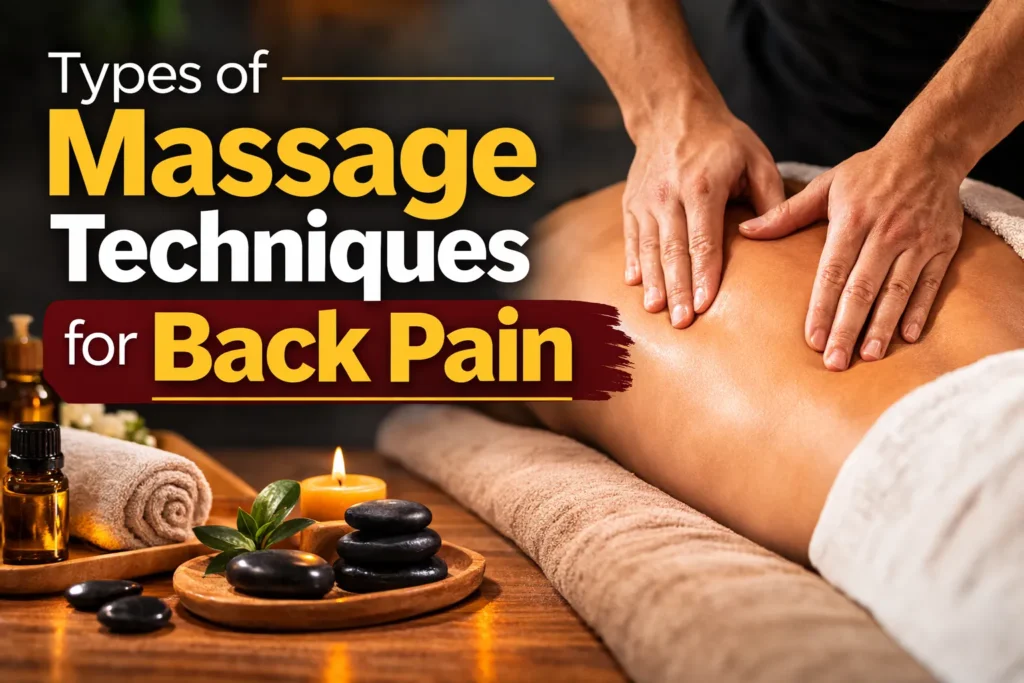
These techniques target muscle tightness, pain points, and circulation. Each method uses different pressure and hand motions to change muscle tension, reduce spasms, and improve mobility.
Swedish Massage
Swedish massage combines long, gliding strokes called effleurage, kneading (petrissage), and gentle tapping (tapotement) to relax muscles and boost blood flow. It focuses on the superficial layers of muscle and connective tissue, helping to reduce overall tension and ease stiffness in the lower and upper back.
Typical session details:
- Duration: 30–90 minutes.
- Pressure: Light to moderate.
- Best for: Muscle tightness, stress-related back pain, and recovery after mild strain.
Swedish massage also helps lower heart rate and promotes relaxation, which can reduce pain that stems from stress. A therapist will often combine slow strokes with targeted kneading over tight areas to gradually lengthen muscle fibers and improve range of motion.
Deep Tissue Massage
Deep tissue massage uses slower strokes and more intense pressure to reach deeper layers of muscle and fascia. Therapists apply focused pressure along muscle fibers and near points of chronic tension to break up adhesions and scar tissue that limit movement and cause pain.
Key points in table form:
| Session focus | Pressure level | Best for |
|---|---|---|
| Break up knots and adhesions | Moderate to strong | Chronic back pain, old injuries |
| Mobilize deep muscle layers | Targeted, sustained | Limited mobility, persistent tightness |
Sessions can be uncomfortable at times as therapists target knots. Patients often report reduced pain and improved function over several sessions rather than immediate full relief. Communication about pressure and pain during the session helps avoid excess soreness afterward.
Trigger Point Therapy
Trigger point therapy targets small, hyperirritable spots inside tight muscle bands that refer pain to other areas. The therapist locates these knots and uses direct pressure, sustained release, or small strokes to reduce the point’s sensitivity and stop referred pain patterns.
How it works:
- Identification: Therapist palpates for taut bands and tender nodules.
- Treatment: Direct sustained pressure or slow friction to release the point.
- Aftercare: Stretching and heat to support release.
Trigger point therapy often pairs with stretching and home self-care. It suits people whose back pain radiates into the buttocks or legs, or who have specific tender spots that reproduce their usual pain when pressed.
Benefits of Massage Therapy for Back Pain
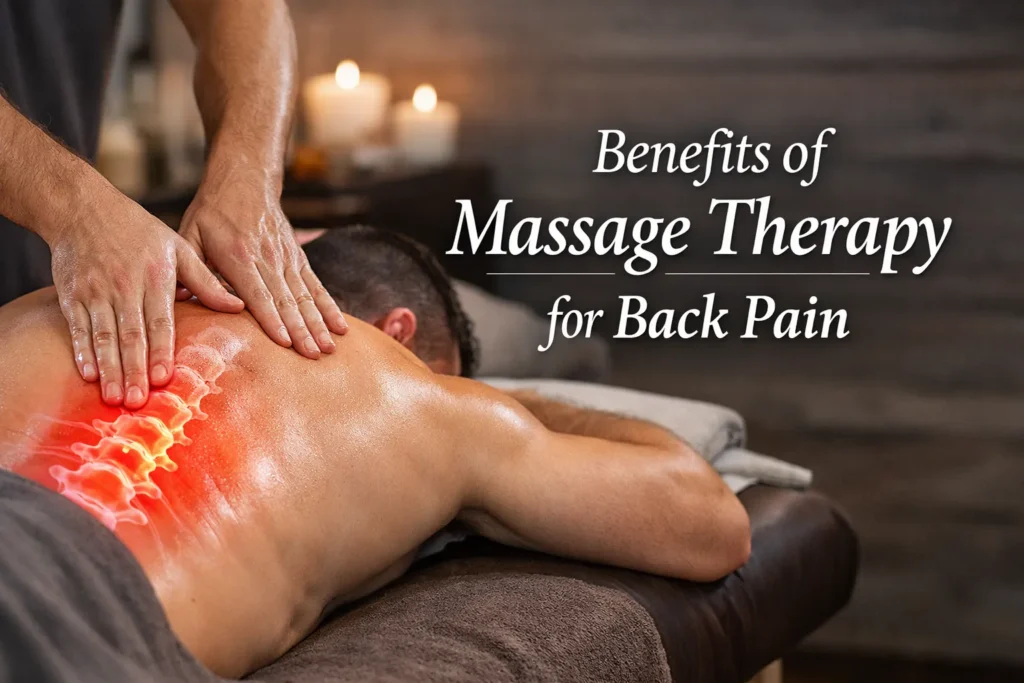
Massage therapy can ease pain, restore movement, and lower muscle tension and stress. It targets sore muscles and connective tissue, improves blood flow, and triggers relaxation responses that help the body heal.
Pain Reduction
Massage helps reduce back pain by loosening tight muscles and breaking up small knots that press on nerves. Therapists use techniques such as deep tissue strokes and myofascial release to target the exact sore spots, which can lower both sharp and aching pain.
It can also reduce pain chemicals in the body and raise levels of natural pain-relievers like endorphins. Many people feel less pain right after a session, and repeated treatments can decrease the intensity and frequency of flare-ups.
People with both recent injuries and chronic low back pain report meaningful relief. Massage works best when combined with exercise, posture work, or medical care for longer-lasting benefit.
Improved Mobility
Massage increases circulation to tight muscles and stiff joints in the lower back, which helps tissues get oxygen and nutrients needed for repair. Improved blood flow and reduced muscle guarding let the spine move more freely.
Techniques like joint mobilization, muscle stripping, and stretching during a massage can extend range of motion. This makes bending, twisting, and daily activities easier and less painful.
Regular sessions often lead to gradual gains in flexibility and reduced stiffness. When paired with physical therapy or home exercises, these mobility gains tend to last longer.
Stress and Tension Relief
Massage reduces physical and mental stress by calming the nervous system and easing muscle tension. Lighter strokes and Swedish-style techniques encourage relaxation, which can temporarily lower heart rate and blood pressure.
Less stress means fewer protective muscle spasms that worsen back pain. People who feel more relaxed also sleep better, and improved sleep helps the body recover from pain and inflammation.
Massage can be tailored to focus on the neck, shoulders, and lower back where tension commonly builds. Combining relaxation techniques with deeper work addresses both the feeling of tightness and the physical sources of that tightness.
Scientific Evidence on Massage for Back Pain
Research shows mixed results. Some trials find short-term pain and function improvements, while many reviews rate the overall evidence as low or uncertain. Method differences, small samples, and varied massage types drive much of the uncertainty.
Key Research Findings
Several systematic reviews and randomized trials report that massage can reduce low-back pain and improve short-term function more than no treatment or light touch. A 2024 overview found most evidence for massage in pain conditions is low or very low, though some studies showed moderate benefits for specific groups. Clinical guidelines, like those from the American College of Physicians, list massage as an option for acute and subacute low-back pain but not for chronic cases.
Evidence often favors Swedish and myofascial techniques over placebo for brief pain relief. Benefits commonly last weeks, not months. Individual response varies; some people get clinically meaningful relief and others see little change. For more context, readers can review summaries at the National Center for Complementary and Integrative Health.
Comparison With Other Treatments
Compared with standard care (advice, exercise, pain medicine), massage often equals or slightly improves short-term pain and function. Studies comparing massage to exercise show mixed results; exercise yields better long-term benefits for function and recurrence prevention. When combined with exercise, massage sometimes speeds early pain relief and improves adherence to rehab programs.
Compared with passive treatments like heat or TENS, massage may offer similar short-term pain reduction. It is less supported than structured physical therapy for chronic disability but can be a useful adjunct. For guideline context and clinical recommendations, see resources from the American College of Physicians.
Limitations of Current Studies
Many trials have small sample sizes, short follow-up, and inconsistent outcome measures, which lowers confidence in results. Blinding is difficult; participants often know whether they receive massage, risking placebo effects. Studies pool different massage styles, session lengths, and therapist skill levels, making comparisons unreliable.
Few high-quality trials track long-term outcomes or adverse events. Reporting bias and industry funding in some trials further complicate interpretation. These limitations mean clinicians should weigh individual patient response, cost, and access when recommending massage for back pain.
Choosing the Right Massage for Back Pain Relief
Select a massage based on pain type, medical limits, and goals such as pain reduction, improved mobility, or stress relief. Match technique, pressure level, and session frequency to the person’s condition and safety needs.
Assessing Individual Needs
They should identify the pain pattern first: is it sharp, radiating, dull, or aching? Acute injuries, nerve pain, and chronic muscle tightness need different approaches. For tight muscles and trigger points, they may benefit from deep tissue or myofascial release. For general soreness and stress-related tension, Swedish or relaxation massage often works better.
Note any movement limits. If hip tightness or hamstring shortening feeds lower back pain, choose a therapist who integrates stretching or a Thai/yoga-based approach. Also consider pain location, intensity, and how activities (sitting, lifting) change the pain.
List current self-care and therapies they use. If they already do core strengthening or physical therapy, pick a massage that complements those treatments rather than replaces them.
Consulting Healthcare Providers
They should consult a doctor or physical therapist when the pain follows an injury, includes numbness or weakness, or lasts more than a few weeks. Providers can flag conditions that make some massages unsafe, such as fractures, infections, blood-clot risk, or severe osteoporosis.
Bring a clear history to the appointment: onset, tests done, imaging results, and current medications (especially blood thinners). Ask whether massage is recommended and which techniques to avoid. If a provider prescribes specific massage goals—reduce spasm, improve range of motion, or decrease inflammation—the patient can share that with the therapist.
Request a written note when needed. That helps the massage therapist plan pressure, focus areas, and session length safely.
Qualified Massage Therapists
They should seek therapists with state licensure or national certification and specialty training in clinical or medical massage when dealing with back pain. Look for credentials such as LMT (Licensed Massage Therapist) or additional courses in orthopedic, sports, or myofascial techniques.
Ask about experience with similar cases and request client references or short case examples. Confirm hygiene, informed consent, and a pre-session intake that covers medical history, pain mapping, and goals. During the session, the therapist should explain techniques, check pressure regularly, and modify work if pain worsens.
Consider therapists who collaborate with other clinicians and who provide a plan: suggested session frequency, at-home stretches, and signs to stop treatment and return to a medical provider.
Safety Considerations and Contraindications

Massage can reduce muscle tension but it can also cause bruising, increased pain, or complications when certain health issues exist. Clients should tell the therapist about recent injuries, surgeries, medications, and any ongoing medical diagnoses before treatment.
Potential Risks and Side Effects
Common side effects include soreness, mild bruising, and temporary fatigue after a session. These usually resolve in 24–72 hours. They may stem from deep pressure, vigorous techniques, or working over tight or inflamed tissue.
Less common but important risks include nerve irritation, increased inflammation in an acute injury, and rare vascular events like clot dislodgement in people with blood clots. Infection risk is low but rises with broken skin or poor hygiene. Reactions to oils or lotions can cause skin rash or itching.
Therapists should start gently, adjust pressure on feedback, and avoid aggressive techniques over tender or swollen areas. If pain worsens, numbness appears, or new symptoms develop, the client should stop the session and seek medical advice.
When to Avoid Massage
Do not have massage during the first 48–72 hours after a new injury, when swelling or severe bruising is present, or while a bone fracture is unstable. Avoid massage directly over open wounds, infected skin, or active rashes until healed.
Clients on blood thinners or with known clotting disorders should not receive deep or vigorous massage without physician clearance. Fever, contagious illness, or acute inflammatory conditions (like cellulitis) are also reasons to postpone treatment.
If a client feels lightheaded, has chest pain, sudden shortness of breath, or neurological changes during massage, the therapist must stop and seek emergency care. Clear communication and pre-session screening reduce the chance of serious events.
Pre-existing Medical Conditions
Cardiovascular disease, including uncontrolled high blood pressure, recent heart attack, or known deep vein thrombosis, requires medical clearance before massage. Therapists should avoid strong leg strokes in people with DVT risk to prevent clot movement.
Autoimmune disorders, active cancer, or recent chemotherapy need tailored approaches. Light, gentle techniques may be safe, but therapists must coordinate with the client’s oncology or rheumatology team when necessary.
Pregnancy requires specialized prenatal massage from a trained therapist and avoiding prone position after the first trimester. Diabetes, neuropathy, and osteoporosis call for lighter pressure and care around fragile tissues. Always document physician approvals and adapt treatment plans to the client’s medical history.
Integrating Massage With Other Back Pain Treatments
Massage often works best when combined with other treatments that target strength, pain control, and daily habits. Coordinating care with a therapist or doctor helps match massage type and timing to specific needs like muscle tightness, nerve pain, or recovery after injury.
Physical Therapy
Physical therapists can use massage techniques alongside exercise to speed recovery and improve function. They may perform soft-tissue mobilization or myofascial release to loosen tight muscles before prescribing strengthening and stretching exercises that support the spine.
Patients typically get short massage sessions focused on problem areas, then practice home exercises that build core stability and hip flexibility. This pairing reduces pain flare-ups and improves posture over weeks. Communication matters: the PT should know what massage techniques a patient receives so they can avoid overlapping or conflicting treatments.
Medications and Injections
Massage does not replace medications or spinal injections but can reduce reliance on them for some patients. Short-term pain medicines (acetaminophen, NSAIDs) and muscle relaxants may be used while massage targets muscle spasms and circulation.
For nerve-related pain, injections (epidural steroid) address inflammation; massage can help surrounding muscles relax afterward. Clinicians should coordinate timing: avoid deep massage right after an injection site procedure unless cleared by the provider. Track pain scores and medication use so the team can adjust doses as massage produces improvement.
Lifestyle Modifications
Combining massage with lifestyle changes improves long-term outcomes. Regular massage sessions relieve chronic tension, while daily habits like ergonomic adjustments, sleep posture fixes, and gradual aerobic activity maintain gains.
A simple plan might include weekly or biweekly massage, daily 10–15 minute home stretches, and workstation changes (chair height, lumbar support). Weight management and quitting smoking also support healing. Clear, achievable steps help patients stick with the program and reduce recurrent back pain.
FAQs
What types of back pain respond best to massage?
Massage helps muscle-based pain, such as tension, strain, and some forms of acute pain. It may ease pain from tight muscles and improve movement, but it works less well for structural problems like severe spinal stenosis or unstable fractures.
How often should someone get a massage for back pain?
Short courses such as weekly sessions for 4–6 weeks often show benefit. They can switch to less frequent maintenance visits if pain improves.
Are there risks or cases to avoid massage?
People with recent fractures, active infections, uncontrolled blood clots, or certain skin conditions should avoid massage. Pregnant people and those with medical conditions should check with a clinician first.
Can self-massage or tools help?
Yes. Self-massage, foam rollers, and tennis balls can reduce tension and improve circulation when used safely. They work best as part of a broader plan with movement and posture care.
How does massage compare to other treatments?
Massage reduces muscle tension and can lower pain short-term. Physical therapy, exercise, and medical care may better address long-term function and underlying causes.
What should someone tell a massage therapist?
They should report pain location, medical history, recent tests or injuries, and any medication that affects bleeding or sensation. Clear communication helps the therapist pick safe techniques.
How soon will pain improve after massage?
Some feel relief right away; others need several sessions. Mild soreness can occur after treatment and usually fades in a day or two.
Conclusion
Massage can help reduce back pain for many people by easing muscle tightness, improving circulation, and lowering stress levels. It often relieves short-term pain and can improve movement and sleep when combined with other treatments.
Evidence shows massage works best as part of a broader treatment plan that may include exercise, physical therapy, and medical care. It does not replace proper diagnosis or urgent treatment when red flags such as fever, numbness, or weakness appear.
Results can vary from person to person; relief depends on the cause of pain, the type of massage, and how often it’s done. Regular sessions or daily self-care often produce better results than one-time treatments.
Risks are low for most people, but some should avoid certain techniques or inform the therapist about existing health conditions. A qualified therapist and clear communication about pressure and pain help keep every session safe and effective.
Practical steps:
- Try a short course of massage combined with exercise and clinician advice.
- Track pain, function, and sleep to judge benefit.
- Stop and seek medical attention if symptoms worsen or new red flags appear.
This approach helps people make informed choices about using massage for back pain and how it fits into their overall care.