You feel tighter, more tense, and more distracted than you want to be. Massage helps by easing muscle knots, slowing your breathing, and shifting your nervous system from fight-or-flight into rest-and-repair so you calm down faster and sleep better. You notice relief because massage changes both your body and brain: it reduces muscle tension, lowers stress hormones, and boosts feel-good chemicals that make relaxation stick.
The touch, pressure, and rhythm of a massage guide blood flow and nerve signals in ways that cut pain and quiet anxious thoughts. Set in a calm space, a simple session can reset your mood and leave you more focused, less sore, and ready to handle the day.
Key Takeaways
- Massage lowers physical tension and eases pain quickly.
- It reduces stress hormones and raises calming brain chemicals.
- A relaxing setting and regular sessions make benefits last.
How Massage Promotes Relaxation
Massage helps the body loosen tight muscles, lowers stress chemicals in the blood, and shifts the nervous system toward rest. It combines hands-on techniques with slower breathing and quiet focus to create measurable changes in both body and mind.
Physical Effects on the Body
Massage stretches and compresses muscles, which breaks up small adhesions and eases stiffness. This improves local blood flow so tissues get more oxygen and nutrients while clearing metabolic waste that can cause soreness. Increased circulation also helps reduce swelling after minor strains.
Soft, rhythmic strokes stimulate receptors in the skin and fascia. Those signals can reduce the firing of pain-sensing nerves, so people often feel less ache after a session. Lymphatic drainage techniques help move fluid through lymph vessels, which supports immune cleanup and reduces puffiness.
Muscle relaxation also improves joint range of motion. When muscles relax, joints move with less resistance, lowering the chance of compensatory tension in neighboring areas.
Psychological Benefits
Massage lowers levels of stress hormones such as cortisol and raises mood-related chemicals like serotonin and dopamine. Clients typically report feeling calmer and less anxious after treatment.
The touch itself provides social and emotional support through safe, predictable contact. That contact can reduce feelings of isolation and increase comfort in people who are stressed.
A focused massage session gives the mind a break from repetitive worries. The combination of gentle touch, quiet room tone, and steady breathing creates a predictable routine that helps the brain step out of a high-alert state.
Activation of the Parasympathetic Nervous System
Massage stimulates mechanoreceptors that send signals to the brainstem and vagus nerve, encouraging parasympathetic activity. This “rest-and-digest” response slows heart rate and lowers blood pressure.
Breathing tends to deepen during massage, and that breathing pattern further boosts vagal tone. Increased parasympathetic drive promotes digestion, reduces muscle tension, and improves sleep onset.
Practices like slow strokes and long holds specifically enhance parasympathetic activation. These techniques produce a measurable shift away from sympathetic fight-or-flight responses, helping the whole body move into recovery mode.
The Science Behind Massage and Stress Reduction
Massage changes chemicals, nerves, and circulation in ways that reduce stress and ease the body. It lowers stress hormones, boosts mood chemicals, and shifts the nervous system toward rest and repair.
Reduction of Cortisol Levels
Massage often reduces cortisol, the hormone tied to stress. Studies show even short sessions can lower cortisol in blood and saliva. Lower cortisol helps the body stop the “fight-or-flight” response, which reduces muscle tension and decreases anxiety.
Reduced cortisol also helps other systems work better. For example, immune markers can improve and sleep tends to deepen when cortisol follows its normal daily rhythm. Regular massage sessions produce more consistent drops in cortisol than a single treatment, so frequency matters.
Key points:
- Cortisol decreases after many massage sessions.
- Lower cortisol links to less muscle tension, better sleep, and improved immune responses.
Release of Endorphins
Massage triggers release of endorphins and other mood-enhancing chemicals like serotonin and dopamine. These chemicals reduce pain perception and create feelings of calm and well-being. The effect can begin during the massage and last for hours afterward.
Endorphins act as natural painkillers. They bind to receptors in the brain and spinal cord to blunt pain signals. Massage can also increase oxytocin, which supports trust and relaxation during and after treatment.
Simple table of effects:
| Chemical | Main effect | Typical result after massage |
|---|---|---|
| Endorphins | Reduce pain | Less discomfort, calmer mood |
| Serotonin | Mood regulation | Lower anxiety |
| Dopamine | Reward signaling | Improved motivation |
| Oxytocin | Social bonding | Greater sense of safety |
Modulation of Heart Rate and Blood Pressure

Massage shifts the autonomic nervous system toward the parasympathetic state. This results in lower heart rate and reduced blood pressure for many people. Even ten minutes of massage can increase heart rate variability, a sign of better stress resilience.
Improved circulation from massage also helps clear metabolic waste from muscles and brings fresh oxygen and nutrients. For people with high blood pressure, regular sessions have been linked to modest but meaningful reductions in resting blood pressure. Technique, duration, and client health affect how large the change will be.
Impact on Muscle Tension and Pain Relief
Massage reduces tightness, eases pain signals, and speeds recovery by working directly on muscles, connective tissue, and blood flow. It helps loosen stiff areas, moves fresh blood into sore spots, and supports the tissue repair process.
Easing Muscle Tightness
Massage breaks up knots and shortens the time muscles stay tense by applying pressure that stretches and warms muscle fibers. Therapists use strokes and kneading to lengthen tight bands of muscle, which lowers local tension and increases range of motion.
Light to moderate pressure activates sensory receptors in the skin and muscle. That can reduce the muscle’s reflexive tightening and lower perceived pain. For chronically tight muscles, regular sessions help retrain muscles to hold less tension between treatments.
They often combine sustained pressure with movement to release adhesions in fascia. This approach can restore smoother muscle glide and reduce catching or stiffness during daily activity.
Improving Circulation
Massage increases blood flow to treated areas, bringing oxygen and nutrients where tissues need them most. Better circulation also helps remove metabolic waste like lactic acid that can build up after exercise or prolonged posture.
Techniques such as effleurage and stroking promote venous and lymphatic return. This reduces localized swelling and speeds the removal of inflammatory byproducts that can prolong soreness.
Improved capillary perfusion supports cell repair. For people with poor local circulation, consistent massage can help maintain healthier tissue conditions and reduce the frequency of pain flares.
Facilitating Muscle Recovery
Massage stimulates the body’s natural healing processes by combining mechanical action with nervous-system effects. It can raise local temperature and metabolic activity, which helps damaged fibers rebuild more efficiently.
By lowering stress hormones and increasing endorphins, massage reduces pain perception so people can move sooner and more comfortably. Earlier, less painful movement prevents the stiffness cycle that delays recovery.
Targeted work after exercise—like light, slow strokes—reduces delayed onset muscle soreness and speeds the return of normal strength. For injuries, therapists adjust pressure and techniques to avoid aggravating tissue while still promoting repair.
Enhancing Mental Wellbeing Through Massage
Massage lowers stress hormones, boosts mood-related chemicals, and helps the nervous system shift into a calmer state. It also supports body awareness and can improve sleep, which further aids mental health.
Alleviating Anxiety and Depression
Massage helps reduce levels of cortisol, the body’s main stress hormone, which often stays high in anxiety and depression. Sessions increase serotonin and dopamine, chemicals that lift mood and support emotional balance.
Gentle techniques like Swedish massage and slow effleurage stimulate the parasympathetic nervous system. That response slows heart rate and breathing, creating an immediate sense of calm during and after the session.
Massage also gives a safe space for bodily grounding. For people who feel disconnected from their bodies during anxiety or depression, focused touch can restore a sense of physical presence. Regular sessions—weekly or biweekly—tend to produce stronger and longer-lasting improvements in mood than one-off treatments.
Improving Sleep Quality
Massage improves sleep by lowering cortisol and increasing relaxation signals in the nervous system. Clients often fall asleep faster and stay asleep longer after a therapeutic session.
Techniques that focus on large muscle groups and the neck-shoulder area can reduce muscle tension that wakes people at night. Reduced pain and loosened muscles also cut down on nighttime tossing and turning.
Practicing massage close to bedtime or as part of a weekly routine helps shift sleep patterns. Consistent sessions can increase deep sleep (slow-wave sleep), which aids recovery and mood regulation the next day.
The Role of Environment in Maximizing Relaxation
A well-arranged space, thoughtful sensory choices, and clear communication all help the body and mind relax faster. Small, specific changes to lighting, sound, scent, temperature, and interaction style can make each massage more effective and comfortable.
Creating a Calming Atmosphere
They should keep lighting soft and dim, avoiding harsh overhead bulbs. Warm, indirect light near the table reduces eye strain and signals rest to the brain.
Temperature matters. The room should feel comfortably warm for a clothed client lying still. Provide extra blankets and check for drafts before starting.
Sound affects focus. Use low-volume ambient music or nature sounds with slow tempo. Keep doors closed and phones on silent to limit sudden noises.
Scent can aid relaxation when used lightly. Choose a single mild essential oil like lavender or chamomile and test for allergies first. Avoid overpowering fragrances.
Furniture and layout should feel uncluttered. A clear path, organized supplies, and a clean table help clients feel safer and less distracted.
Importance of Therapist-Client Communication
They must begin with a quick intake that covers pressure preference, pain areas, and health issues. Asking specific questions like “Do you prefer light, medium, or firm pressure?” prevents surprises.
Consent and boundaries are essential. Explain draping, which areas will be worked on, and invite clients to speak up at any time. This builds trust.
Check-in during the session using short prompts: “Is this pressure okay?” or “Does this temperature feel fine?” Keep questions minimal so relaxation isn’t broken.
Aftercare instructions improve outcomes. Recommend simple steps such as drinking water, gentle stretching, and noting any soreness to watch for. Clear, brief guidance helps clients extend benefits safely.
Different Types of Massage and Their Relaxation Benefits
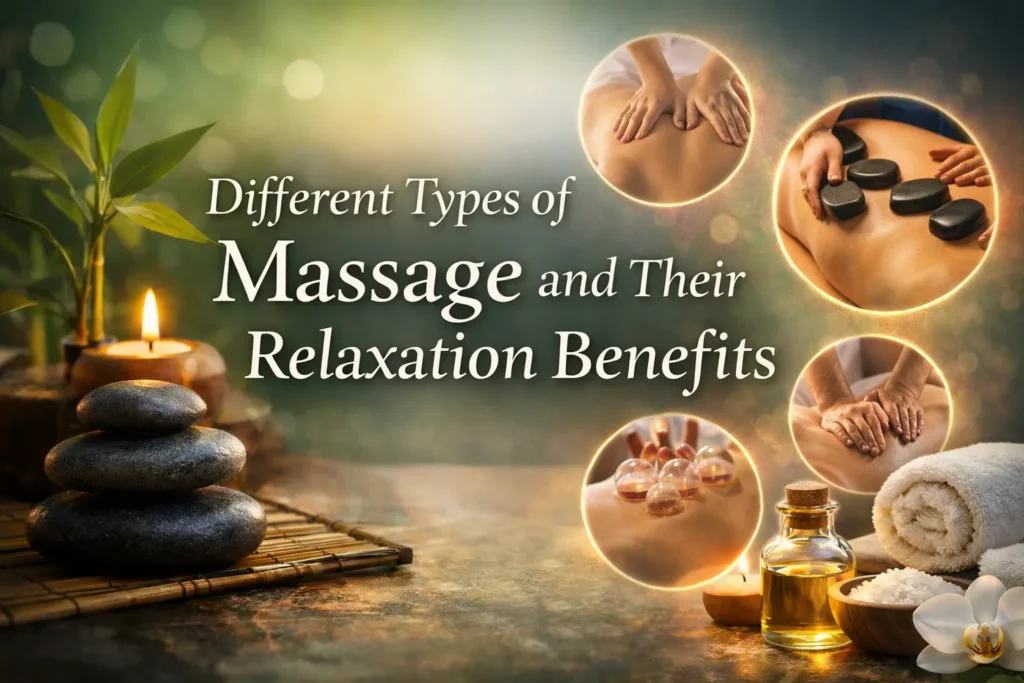
These massages use different pressure, tools, and scents to lower muscle tension, slow breathing, and ease stress. Each style targets specific causes of tightness and uses proven techniques to promote calm and better sleep.
Swedish Massage
Swedish massage uses long, flowing strokes, kneading, and circular motions to relax muscles and boost circulation. It works best for general stress, muscle tightness, and people new to massage. Practitioners adjust pressure from light to medium, helping the nervous system shift into a rest state and lowering heart rate.
Techniques like effleurage (gliding) and petrissage (kneading) move blood and lymph, which can reduce soreness and swelling. Sessions often begin with broad strokes and finish with lighter touches to signal the body to relax. The American Massage Therapy Association provides guidance on common techniques and safety for this approach: https://www.amtamassage.org.
Deep Tissue Massage
Deep tissue massage uses slow, firm pressure and focused strokes to reach tight layers of muscle and connective tissue. It targets chronic knots, repetitive strain, and stubborn areas like the neck, shoulders, and lower back. Sessions can be more intense than Swedish massage but still aim to reduce long-term muscle tension and tension-related stress.
Therapists often combine sustained pressure with friction along muscle fibers to break down adhesions and improve range of motion. Aftercare—hydration and gentle stretching—helps reduce soreness and prolong benefits. For medical context and when to choose deeper work, the Mayo Clinic offers clear guidance: https://www.mayoclinic.org.
Aromatherapy Massage
Aromatherapy massage blends gentle massage techniques with essential oils chosen for calming effects, like lavender or chamomile. The therapist dilutes oils in a carrier oil and applies them during strokes to enhance relaxation through scent and touch. Smell affects the limbic system, helping lower anxiety and improving mood during the session.
This method suits people who want stress relief plus sensory support. Therapists often ask about scent preferences and allergies before starting. Research shows certain essential oils can help with sleep and anxiety when used safely and with professional guidance.
Tips for Incorporating Massage into a Relaxation Routine
Start with practical choices: set clear timing, pick techniques that match need, and combine massage with simple calming practices for bigger benefits.
Frequency and Duration
They should aim for consistency over intensity. For general stress relief, getting a 30–60 minute session once every 1–2 weeks works well. If muscle pain or high tension is present, 45–90 minute sessions twice a week for a short period can help reduce tightness faster.
Short self-massage or targeted sessions (10–15 minutes) daily can maintain results between professional visits. Track symptoms for two to four weeks to see if frequency needs changing. Adjust based on sleep, energy, and pain levels rather than sticking to a fixed rule.
Use a simple checklist to decide timing:
- Increased stress or poor sleep → schedule within 48 hours.
- Localized muscle tightness → add 15-minute self-massage daily.
- Maintenance → 30–60 minutes every 1–2 weeks.
Pairing Massage With Other Relaxation Techniques
They should combine massage with breathing, heat, or gentle movement to extend relaxation. Start a session with 5 minutes of slow, deep breathing to lower heart rate and make muscles more receptive. Follow massage with 10 minutes of quiet stretching or a warm shower to keep tissues loose.
Create a simple routine to stack benefits:
- Before: 5 minutes diaphragmatic breathing.
- During: soft music or white noise; low lighting.
- After: 10 minutes of stretching or a 20-minute walk.
Avoid heavy exercise immediately after deep work on sore muscles. Hydrate after a session and choose calming activities—reading, light yoga, or mindfulness—to preserve the relaxed state.
FAQS
What makes massage relax the body?
Massage lowers muscle tension and boosts blood flow. It also reduces stress hormones like cortisol, which helps the body shift into a calmer state.
How fast do effects show and how long do they last?
Many people feel calmer right after a session. Benefits such as reduced muscle tightness and better sleep can last hours to days, depending on frequency and individual health.
Is one type of massage better for relaxation?
Gentle techniques like Swedish or slow effleurage often work best for relaxation. Deeper or therapeutic methods may help pain but can feel more intense during the session.
Can massage help with sleep and mood?
Yes. Massage can improve sleep quality and lift mood by increasing serotonin and dopamine while lowering stress chemicals. These changes support both emotional and physical rest.
Are there any risks or reasons to avoid massage?
People with certain conditions—like deep vein thrombosis, uncontrolled high blood pressure, or open wounds—should avoid some types of massage. They should consult a healthcare provider first.
How often should someone get massage for ongoing benefits?
Weekly or biweekly sessions help maintain reduced tension and stress for many people. Frequency should match goals, budget, and how the body responds.
Conclusion
Massage helps relax the body and mind by lowering stress hormones and activating the parasympathetic nervous system. This response slows the heart rate and eases breathing, which makes it easier to feel calm.
It reduces muscle tension and improves blood flow, which relieves aches and speeds recovery. Better circulation also supports tissue healing and reduces stiffness.
Massage can improve sleep quality and mood by promoting relaxation and lowering anxiety. Regular sessions may help people manage chronic stress and pain more effectively.
Practical benefits include increased range of motion and fewer tension headaches. These changes make daily movement easier and reduce discomfort during routine activities.
People respond differently to massage, so results vary by technique, session length, and individual health. It works best when combined with good sleep, regular movement, and stress management.
Key takeaways:
- Reduces stress hormones and activates relaxation response
- Relieves muscle tension and improves circulation
- Supports sleep, mood, and recovery
When used appropriately, massage is a useful tool for restoring balance and easing the physical signs of stress.