You can ease carpal tunnel pain and numbness with simple, targeted massage techniques you can do at home or get from a therapist. Gentle massage and nerve- or tendon-gliding moves often reduce pressure on the median nerve and help restore motion and comfort.
You’ll find clear, safe steps for self-massage, tips on when to see a professional, and how to combine massage with stretches and simple habits to lower pain and prevent flare-ups.
Key Takeaways
- Massage can ease symptoms and improve wrist movement.
- Learn easy self-massage moves and when to seek professional help.
- Combine massage with stretches and daily habits for lasting relief.
Understanding Carpal Tunnel Syndrome
Carpal tunnel happens when the median nerve is pressed at your wrist. This can come from swollen tendons, tight wrist bones, or repetitive hand use that raises pressure inside the tunnel.
Causes and Risk Factors
The carpal tunnel is a narrow passage in your wrist. Inside it sit the median nerve and nine flexor tendons. When those tendons swell or the tunnel space narrows, the nerve gets compressed.
Common causes include repetitive hand motions like typing, using vibrating tools, or gripping for long periods. Medical conditions can raise your risk: diabetes, hypothyroidism, rheumatoid arthritis, and pregnancy-related fluid retention. Wrist fractures, dislocations, or hand anatomy that makes the tunnel smaller also increase risk.
Age and sex matter: you’re more likely to get carpal tunnel after age 40, and people assigned female at birth have a higher rate, partly due to smaller tunnel size and hormonal factors. Obesity and smoking also raise risk.
Common Symptoms
Symptoms often start slowly and may come and go. You usually feel numbness, tingling, or a “pins and needles” sense in your thumb, index, middle, and half of the ring finger.
Pain can run from the wrist up the forearm or down into the hand. You may notice weakness when gripping items, dropping things, or trouble with fine tasks like buttoning. Symptoms often worsen at night or first thing in the morning because of wrist position and fluid shifts.
Signs that symptoms are getting worse include constant numbness, muscle wasting at the base of the thumb, or persistent weakness in thumb pinch. These changes mean you should seek medical advice sooner.
Impact on Daily Life
Carpal tunnel affects work, hobbies, and self-care. If you use hands for typing, cash register work, assembly lines, or tool use, your speed and accuracy can drop. You may need frequent breaks or task changes.
At home, tasks like opening jars, writing, or buttoning shirts can become harder. Nighttime symptoms often disturb sleep, leaving you tired and less able to focus the next day.
If untreated, persistent nerve compression can reduce hand strength and fine motor control. That can limit job options or require lifestyle changes, splints, or medical treatment to protect hand function.
Benefits of Massage for Carpal Tunnel Relief

Massage can lower pain, bring more blood to the wrist and hand, and help you move your fingers and wrist more easily. These effects work together to reduce numbness and make daily tasks easier.
Pain Reduction
Massage targets tight muscles and trigger points in your forearm, wrist, and hand that can push on the median nerve. Applying gentle, gliding strokes and deeper thumbs-up pressure to these areas can lessen aching and sharp pain. You may feel immediate relief that lasts minutes to hours, and repeated sessions can reduce baseline pain over days to weeks.
Try focusing on the forearm flexors, the base of the thumb, and the palm. Use nerve- and tendon-gliding movements after massaging to prevent stiffness. If you feel increased tingling or sharp shooting pain, stop and check with a healthcare provider.
Improved Circulation
Massage increases local blood flow, bringing oxygen and nutrients to the compressed nerve and surrounding tissues. Better circulation helps remove waste products and reduces swelling that can press on the median nerve.
Use this quick table to track circulation changes you might notice after massage:
| What you do | What improves | Typical time frame |
|---|---|---|
| Light effleurage on forearm | Warmth, reduced stiffness | Immediate |
| Deeper kneading at wrist | Reduced swelling, less numbness | Hours to days |
| Repeated short sessions | Better tissue health | Weeks |
Aim for several short sessions daily or longer sessions a few times per week. If your hand is cold or pale, avoid aggressive massage and seek medical advice.
Enhanced Mobility
Massage breaks up tight fascia and short muscles that limit wrist and finger movement. This can increase your range of motion for bending the wrist, opening your hand, and pinching. Improved mobility helps you perform typing, cooking, and grip tasks with less strain.
Combine massage with tendon-gliding and gentle stretching. After a massage session, you should notice smoother movement and less catching or stiffness. If mobility does not improve after consistent massage and exercises, consult a clinician for further evaluation.
Effective Massage Techniques
These steps target the muscles and tendons that press on the median nerve. Use steady pressure, short sessions, and repeat several times a day as needed.
Wrist Flexor Massage
Place your forearm on a table with your palm facing up. Use your opposite thumb to press along the inside of your wrist where the flexor muscles sit, just below the palm. Apply gentle, sustained pressure for 10–20 seconds, then move the thumb slowly along the muscle toward your elbow.
Use small circular motions over any tight or tender spots. Repeat across the width of the wrist for 1–2 minutes. Stop if you feel sharp pain or increased numbness. Finish by stroking the area gently toward your fingers to boost blood flow.
Forearm Muscle Release
Support your forearm on a flat surface with the palm down. With your free hand, use the heel of your hand or the thumb to press along the top and outer parts of the forearm where the wrist extensors and other forearm muscles run. Work from the elbow down toward the wrist.
Try a mix of rolling motions and static pressure on knots for 20–30 seconds each. Combine with light squeezing of the muscle belly to reduce tension. If available, use a soft massage ball under the forearm and roll it slowly to find tight areas.
Tendon Gliding Movements

Begin with your fingers and wrist in a neutral position. Slowly make these five hand shapes, holding each 3–5 seconds: (1) straight hand, (2) tabletop (fingers bent at middle joints), (3) fist, (4) straight fist (fingers curled but thumb across), (5) full hook (fingers curled tightly). Move smoothly between each shape.
Repeat the sequence 5–10 times, 2–3 times daily. Pair the movements with light massage along the tendons at the base of the palm and the wrist crease to help the tendons glide under the ligament. Stop if symptoms worsen.
Self-Massage Tips and Tools
These tips focus on specific hand, wrist, and forearm moves you can do at home, what simple tools help most, and safety steps to avoid harm. Use gentle pressure, short sessions, and repeat daily for best results.
DIY Massage Methods
Start with light strokes to warm the area. Use your thumb to rub in small circles along the palm base and the fleshy area below the thumb for 30–60 seconds. Move to the wrist crease and apply gentle, back-and-forth pressure across the tunnel area for 20–30 seconds.
Work your forearm next. With the opposite hand, squeeze and release the muscles from the elbow toward the wrist in short strokes. This helps blood flow and can ease tendon tightness that presses on the median nerve.
Try the Madenci-style routine: three minutes total, repeating short sequences of thumb circles on the palm, gentle nerve glides (bend and straighten the wrist), and forearm squeezes. Stop if tingling or sharp pain increases. Aim for once or twice daily and pair massage with wrist stretches.
Recommended Tools
Use a small, soft ball (like a tennis or massage ball) to roll under your palm for 30–60 seconds. The ball lets you vary pressure and target tight spots without straining your thumb.
A foam roller or a short handheld massage stick works well on the forearm. Roll slowly from elbow to wrist and avoid direct pressure on bones. A gel-filled wrist support can stabilize the wrist after massaging to keep the tunnel open.
Heat packs for 5–10 minutes before massage can relax tissues; cold packs after intense sessions can reduce swelling. For detailed anatomy or exercise guidance, trusted sources like the American Academy of Orthopaedic Surgeons offer clear instructions and images: https://orthoinfo.aaos.org
Precautions for Self-Care
Stop massaging and see a clinician if you get new or worsening numbness, sharp pain, or increased swelling. These signs may mean the condition needs medical treatment rather than more self-care.
Avoid deep pressure directly over the carpal tunnel area if it causes nerve pain. Keep sessions brief—2–5 minutes per area—and increase slowly. If you take blood thinners or have diabetes, check with your doctor before trying regular self-massage.
If symptoms persist after 4–6 weeks of daily self-care, arrange a professional evaluation. A physical therapist or hand specialist can show safe techniques and decide if other treatments are needed.
Professional Massage Therapy Options
Professional massage can target the forearm, wrist, and hand to reduce tension, improve circulation, and ease pressure on the median nerve. You’ll learn how to pick a therapist, what massage styles help carpal tunnel, and what to expect during a session.
Choosing a Qualified Therapist
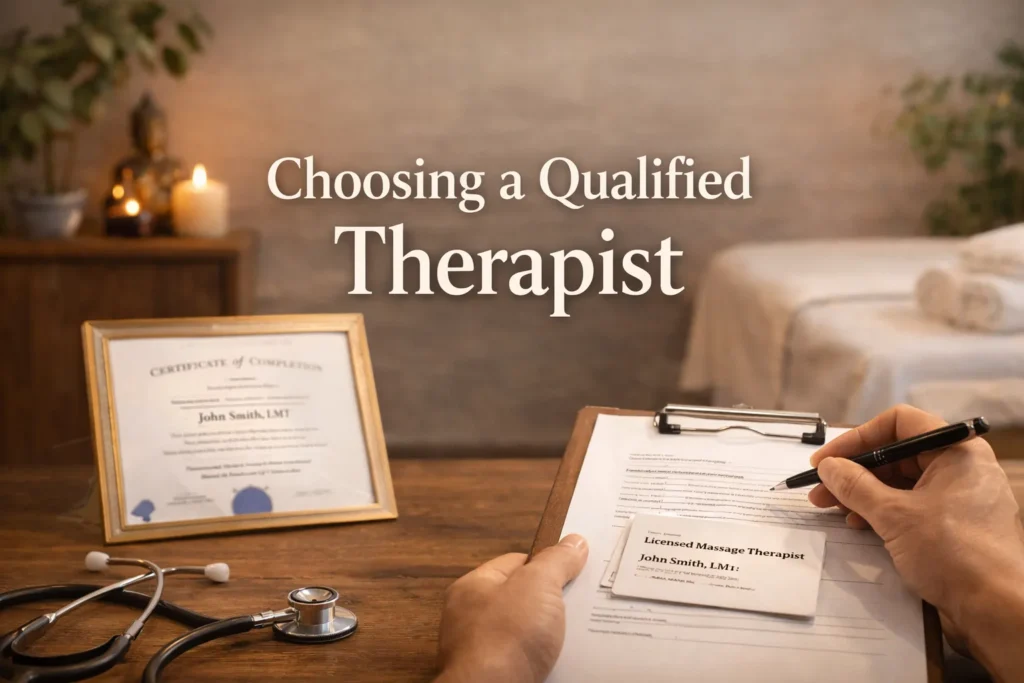
Look for a licensed massage therapist (LMT) or a physical therapist with training in hand and upper‑extremity care. Ask whether they have experience treating carpal tunnel syndrome, scar tissue, or repetitive strain injuries.
Check certifications like orthopedic massage, myofascial release, or pelvic/hand therapy courses. These show extra training beyond basic massage school.
Before booking, request a short phone consult. Ask about assessment methods, how they modify pressure for nerve sensitivity, and whether they coordinate care with your doctor or occupational therapist. If you have diabetes, blood clot risk, or recent fractures, tell them—those affect treatment choices.
Types of Therapeutic Massage
Myofascial release focuses on tight fascia around the wrist and forearm. Therapists use gentle sustained pressure to increase space in the carpal tunnel and ease nerve compression.
Trigger point therapy targets tight spots in the forearm muscles that refer pain to the hand. You may feel brief discomfort as tight spots release.
Soft tissue mobilization and cross‑fiber friction break up scar tissue and adhesions near the flexor retinaculum. Nerve‑gliding techniques are often taught alongside massage to improve median nerve mobility. Some therapists combine these with manual stretching and gentle joint mobilization for better wrist mechanics.
What to Expect During a Session
Your first session begins with a short intake: symptom timeline, hand dominance, work tasks, previous treatments, and pain patterns. The therapist will observe your posture, wrist and finger movement, and may lightly test nerve sensitivity.
Treatment usually focuses on forearm muscles, wrist flexors, palm, and the base of the thumb. Expect 20–40 minutes of hands‑on work plus time for assessment and aftercare advice.
Therapists use oil or lotion for smooth strokes, then apply firmer pressure for release techniques. You may feel warmth or mild soreness afterward; ice, rest, and gentle nerve glides are commonly recommended. Ask about session frequency—many people start with 1–2 weekly visits, then taper as symptoms improve.
Integrating Massage With Other Treatments
Massage works best when you pair it with targeted movement, better workstation setup, and medical care when needed. Use massage to ease tightness and combine it with stretches, posture fixes, or doctor-recommended treatments for faster symptom relief.
Stretching and Exercise
Do nerve-gliding and tendon-gliding exercises to reduce pressure on the median nerve. Perform sets of 5–10 slow glides, 2–3 times per day. Focus on gentle, pain-free range-of-motion moves: wrist flexion/extension, finger bends, and the specific nerve-glide sequence that moves the wrist, fingers, and elbow in coordinated patterns.
Combine these with short sessions of self-massage on the forearm and palm. Use light strokes toward the wrist to improve circulation and loosen tight muscles before you glide. Track how many reps you do and whether symptoms change; increase gradually if pain does not rise.
Add strengthening only after pain improves. Simple hand-squeezes with a soft ball or putty, twice daily for 1–2 minutes, can build endurance without overstressing the tunnel.
Ergonomic Adjustments

Change your workstation to cut repetitive strain. Set your keyboard at elbow height so wrists stay neutral. Use a low-profile keyboard or a slight negative tilt to avoid wrist extension.
Adjust your chair so forearms rest parallel to the floor. Move your mouse closer to reduce reach and use a palm rest for brief support, not constant leaning. Take a 3–5 minute break every 30–45 minutes to stretch and self-massage the forearm and palm.
For night symptoms, wear a neutral wrist splint while sleeping. Splints hold the wrist straight, which can reduce numbness and let massage and exercises work better during the day.
Medical Interventions
Talk with your provider if symptoms persist or get worse despite massage and ergonomic fixes. They may recommend anti-inflammatory medication, corticosteroid injection, or a formal physical or occupational therapy program that includes supervised nerve-gliding and manual therapy.
If numbness, weakness, or muscle wasting appears, ask about nerve conduction testing to measure severity. Surgery is an option for moderate-to-severe compressions that don’t respond to conservative care. Keep the care team informed about your massage routine so they can time injections or therapy sessions for the best combined effect.
Prevention and Maintenance Strategies
Keep your wrist in a neutral position, build short daily routines for mobility, and watch for small changes so you can act before symptoms worsen.
Healthy Habits
Use a neutral wrist posture while typing: keep your forearms level with the desk and wrists straight. Adjust chair height so your elbows sit at about 90 degrees.
Take frequent microbreaks. Stop work for 30–60 seconds every 20–30 minutes to shake your hands, stretch fingers, and gently bend and extend the wrist.
Add strengthening and gliding exercises. Do nerve-gliding and tendon-gliding moves 2–3 times daily to reduce pressure on the median nerve. Start with 5–10 repetitions and increase slowly.
Use ergonomic tools. Choose a split keyboard, a padded mouse, or a wrist rest that keeps the wrist neutral. Replace tools that force your wrist into constant flexion or extension.
Early Warning Signs
Notice numbness, tingling, or burning in the thumb, index, middle, or ring finger—especially at night. Pay attention if you drop objects more often or have weak pinch strength.
Track when symptoms appear. If pain shows up after certain tasks, that task likely stresses your wrist. Modify or stop that task temporarily.
Watch symptom timing and progression. Nighttime numbness or waking with hand pain calls for immediate change in sleeping position and a short-term wrist splint. If symptoms persist over a week despite changes, see a clinician.
Long-Term Wellness
Build a daily routine that mixes posture checks, short mobility exercises, and periods of rest. Aim for 10 minutes total across the day rather than a single long session.
Manage contributing factors like smoking and excess body weight; both can worsen nerve health. Maintain good overall fitness and keep blood sugar in range if you have diabetes.
Schedule periodic reviews. Every few months, reassess your workstation setup and your self-care routine. If symptoms return or get worse, consult a hand specialist for guided therapy, splinting, or other treatments.
FAQS
What can massage do for my carpal tunnel symptoms?
Massage can reduce pain, loosen tight muscles, and improve blood flow. It may ease numbness and tingling by lowering pressure on the median nerve.
How often should I massage my wrist and forearm?
Try gentle self-massage once or twice daily for at least four weeks to see if symptoms improve. Short, regular sessions work better than one long session.
Which techniques help most?
Focus on myofascial release, trigger point work, and nerve- or tendon-gliding moves. Use light to moderate pressure and slow, controlled strokes.
When should I avoid massage?
Stop massage if it makes pain worse, causes sharp or spreading pain, or if you have an infection, broken skin, or certain medical conditions. Check with your doctor if you are unsure.
Can massage replace other treatments?
Massage can help but often works best with splints, exercises, posture changes, or medical care. It is not a guaranteed cure for severe nerve compression.
Do I need a professional therapist?
You can do effective self-massage, but a licensed massage therapist or physical therapist can show safe techniques and treat nearby areas like the forearm and shoulder.
What results should I expect and how soon?
Some people feel relief within days; others need weeks. Track changes in pain, strength, and sensation, and talk to your healthcare provider if symptoms persist or worsen.
Conclusion
Massage can ease numbness, tingling, and pain from carpal tunnel when used correctly. You can try myofascial release, trigger point work, and nerve- or tendon-gliding techniques at home or with a therapist.
Begin gently and check how your wrist and hand feel after each session. Stop if pain gets worse, and seek medical advice for persistent or severe symptoms.
Combine massage with wrist splints, posture changes, and simple exercises for better results. These options often reduce symptoms without drugs or surgery, but results vary by person.
If you have diabetes, circulatory problems, or severe nerve loss, talk to a healthcare professional before starting massage. A clinician can help you choose safe techniques and decide if other treatments are needed.
Keep a short log of what helps and what doesn’t. Small, consistent steps—short sessions and gradual progress—tend to work best.