
Quick Answer
Dry skin on hands usually develops when repeated washing, detergents, hot water, or dry air disrupt the skin’s protective barrier. Aging and eczema can also contribute. Persistent itching, blisters, painful cracks, or dryness that does not improve with gentle care deserve medical attention.


Hands face a constant cycle of washing, cleaning, weather exposure, and friction. Even a small change—such as a new dish soap or more frequent cleaning—can leave them feeling tight, rough, or uncomfortable.
Understanding the pattern helps you choose a useful next step. Ordinary dryness, irritation, and a recurring skin condition can look similar, but they do not always respond to the same approach.
Key Takeaways


- Look at repeated exposures, including water and products you have used for years.
- Keep necessary hand hygiene and make the surrounding routine gentler.
- A fragrance-free cream or ointment is often more useful than a thin lotion.
- Persistent inflammation needs assessment, especially when it affects sleep or daily tasks.
Why Hands Lose Moisture
The outer layer of skin contains cells and fats that help hold water inside. When that barrier becomes disrupted, water escapes more easily and everyday contact can feel irritating.
This explains why frequent contact with water can leave hands dry. Repeated wetting, washing, and drying can remove protective oils, particularly when detergents or hot water are involved.


The Repeated-Exposure Cycle
Exposure: Soap, cleaning products, or repeated wet work challenge the barrier.
Moisture loss: Skin feels rough, tight, or flaky between tasks.
More sensitivity: The next exposure may sting or feel uncomfortable.
Reducing unnecessary irritation and replacing moisture addresses two parts of this cycle.


Everyday Triggers and Practical Changes
Several triggers often overlap. Consider your whole day rather than blaming a single handwashing session.
| Trigger | Why it matters | Useful change |
|---|---|---|
| Frequent washing | Repeated cleansing removes oils. | Moisturize after washing. |
| Hot water | Can worsen dryness and discomfort. | Choose lukewarm water. |
| Detergents and solvents | Can directly irritate skin. | Use task-appropriate protection. |
| Cold, low-humidity air | Makes moisture retention harder. | Wear outdoor gloves. |
When Dryness May Be More Than Weather
Irritant and Allergic Contact Dermatitis
Irritant contact dermatitis develops when substances or repeated exposures damage the skin. Water, soaps, cleaning agents, and friction can contribute; you do not need an allergy for this to happen.
Allergic contact dermatitis involves an immune reaction to a particular substance. Possible triggers include fragrance, preservatives, metals, and some glove ingredients. An allergy can develop even after previous trouble-free use.
Timing alone cannot reliably separate these conditions. A dermatologist may recommend patch testing when a contact allergy is suspected; changing products repeatedly can make the pattern harder to interpret.
Eczema and Other Possible Causes
Hand eczema can cause itching, burning, scaling, blisters, or painful cracks. People with a history of atopic eczema may be more vulnerable, and moisturizer alone may not be enough.
Psoriasis and fungal infections can also resemble dry skin. A persistent problem mainly affecting one hand, especially alongside foot or nail changes, is a reason to seek assessment rather than assuming ordinary dryness.
Aging can make skin drier. Certain medicines and conditions such as thyroid disease or diabetes can also contribute, but dry hands alone do not identify an underlying illness. Do not stop prescribed medication because you suspect a connection.
Patterns Worth Discussing With a Clinician
These observations can guide a conversation. They cannot confirm a diagnosis.
| Pattern | Possible explanation | Next step |
|---|---|---|
| Tightness after chores | Repeated irritant exposure | Review cleaning and glove habits. |
| Recurring itchy rash | Eczema or contact allergy | Arrange assessment. |
| Thick, persistent scale | Several skin conditions | Avoid self-diagnosis. |
| Widespread new dryness | Environment, medication, or illness | Mention other symptoms and medicines. |
Build a Simple Exposure Record
- Note when discomfort starts: after work, cleaning, or a product change.
- Record what touched your hands, including gloves and nail products.
- Photograph visible changes and note itching, pain, or blisters.
Bring the record and product ingredient lists to your appointment. Do not deliberately re-expose your skin to something that caused a reaction.
A Gentle Routine for Dry Hands
Start with a manageable routine using a small number of products. Adding scrubs, scented oils, and multiple new creams at once can increase irritation and obscure which product is causing trouble.
Wash with lukewarm water and a gentle cleanser suitable for handwashing. Rinse thoroughly, pat dry, and apply moisturizer promptly while the skin retains a little moisture; dry carefully between the fingers.
Continue washing when hygiene requires it. When using alcohol-based hand sanitizer, allow it to dry before applying moisturizer. Follow workplace hygiene rules, including any requirements for moisturizer compatibility with gloves or antiseptics.
Routine Moments That Matter
Place moisturizer where the task happens so care becomes easier to repeat.
| Moment | Helpful action | Avoid |
|---|---|---|
| After washing | Apply cream promptly. | Rough towel rubbing. |
| Before wet chores | Put on suitable gloves. | Bare-handed detergent contact. |
| After glove removal | Dry damp skin gently. | Leaving hands sweaty. |
| At bedtime | Use a tolerated richer moisturizer. | Peeling or picking flakes. |
Set Up Three Convenient Stations
By the sink: Gentle hand cleanser, a clean towel, and cream.
With cleaning supplies: Dry protective gloves suitable for the task.
By the bed: A plain moisturizer you already tolerate.
Choosing Moisturizer Without Overbuying
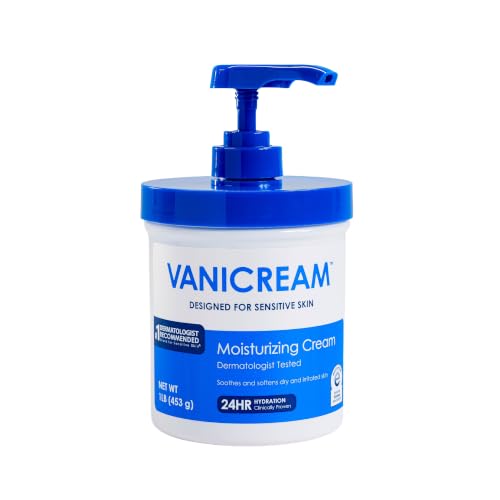
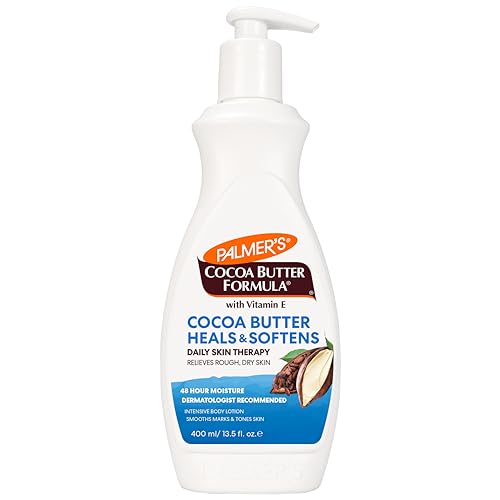
Look for fragrance-free products. “Unscented” does not necessarily mean fragrance-free, and “natural” does not guarantee that a product will suit sensitive skin.
Glycerin helps attract water, while petrolatum reduces moisture loss. Some creams also contain ceramides, fats found naturally in the skin barrier. The complete formula and your skin’s tolerance matter more than a standout ingredient.
Moisturizer Textures Compared
You may prefer different textures for daytime tasks and bedtime. No texture suits everyone.
| Type | Practical fit | Trade-off |
|---|---|---|
| Lotion | Light feel for mild dryness | May be insufficient for very dry hands. |
| Cream | Everyday moisture support | Some formulas leave residue. |
| Plain ointment | Reducing moisture loss | Greasy feel can affect grip. |
Skip exfoliating acids and rough scrubs on irritated or cracked hands. Urea-containing products can sting damaged skin; ask a pharmacist or clinician before choosing an exfoliating formula for painful dryness.
A Low-Clutter Buying Filter
First: Choose a fragrance-free cream or plain ointment.
Next: Try a small amount on intact skin before broader use.
Reconsider: Stop a new product if it causes persistent burning, swelling, or worsening rash. Do not keep buying stronger formulas to cover up an unexplained reaction.
Protect Hands During Work and Chores
Use waterproof gloves for dishes and appropriate chemical-resistant gloves for cleaning; check the cleaning product’s instructions. Cotton gloves alone do not protect against water or chemicals.
Cotton liners may make protective gloves more comfortable. Replace wet liners and take gloves off when the task ends, because trapped sweat can aggravate irritation. If gloves cause a rash, discuss alternative materials with a clinician or workplace safety adviser.
Remove rings for washing and cleaning when practical, and dry underneath them before putting them back on. Soap and moisture trapped beneath jewelry can prolong irritation.
Match Protection to the Exposure
Protection works best when it matches the task and stays clean and dry.
| Situation | Protection | Check |
|---|---|---|
| Dishwashing | Waterproof gloves | No leaks or wet lining. |
| Chemical cleaning | Label-specified gloves | Material suits the chemical. |
| Cold weather | Warm outdoor gloves | Fabric does not irritate. |
When to Get Medical Help
Book an appointment if dryness persists despite consistent gentle care, repeatedly returns, or causes significant itching, bleeding, or difficulty using your hands. Do not wait for a routine to work if symptoms are already severe.
Inflammation can appear red, purple, brown, or darker than surrounding skin. Pay attention to warmth, swelling, tenderness, and texture rather than redness alone.
Safety Note: Signs That Need Prompt Care
Seek same-day medical advice for spreading warmth or swelling, worsening pain, pus, fever, or feeling unwell. These may indicate infection.
If you have diabetes-related numbness, poor circulation, or reduced immunity, contact your clinician promptly about new cracks or wounds. Reduced sensation can make damage easier to miss.
Frequently Asked Questions
Can hand sanitizer cause dry hands?
Yes, repeated use can contribute to dryness or sting irritated skin. Let sanitizer dry, then moisturize. Continue necessary hand hygiene and seek advice if irritation persists.
Does drinking more water fix dry hands?
Staying hydrated supports general health, but extra water usually does not address dryness caused by washing, irritants, or eczema. Local skin care and exposure changes remain important.
Are dry hands a sign of vitamin deficiency?
Nutritional deficiencies can affect skin, but dry hands alone do not establish a deficiency. Do not start high-dose supplements without discussing your diet and symptoms with a clinician.
Why is only one hand dry?
Uneven exposure may affect one hand more, but fungal infection and other skin conditions can also cause an asymmetric pattern. Persistent one-sided scaling deserves assessment.
Can I wear cotton gloves overnight?
Clean cotton gloves over a tolerated moisturizer may reduce mess. They are optional; remove them if your hands become hot, sweaty, or itchy, and seek advice for weeping or infected skin.
Final Thoughts
A useful starting point is to connect dry hands with the exposures they face each day. Keep moisturizer beside the sink and protect your hands during wet chores. These steps support everyday skin care, but persistent rash, painful cracks, or possible infection call for professional assessment.