
Quick Answer


A salicylic acid face wash may help loosen flaky scale on oily facial areas, but it isn’t a proven stand-alone solution and can dry or sting sensitive skin. Get a diagnosis first, choose a gentle, low-strength, fragrance-free formula, and ask a dermatologist before using it on inflamed skin.
Red, flaky patches beside the nose, around the eyebrows, or along the hairline can turn a daily face wash into a guessing game. Salicylic acid appears on so many cleanser labels that it’s natural to wonder whether it belongs in your routine.
The honest answer is that it depends. Salicylic acid is an exfoliating ingredient, and it may help loosen scale. But seborrheic dermatitis is an inflammatory skin condition, and anything that dries or irritates can leave skin feeling worse. This guide covers what the ingredient does, who should be cautious, how to read a label, and how to build a gentle routine.
Key Takeaways
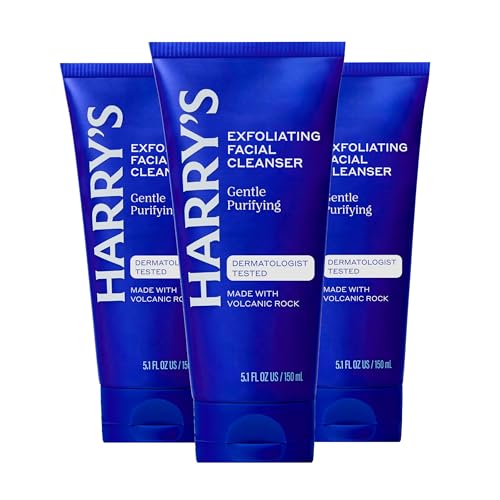


- Salicylic acid may help loosen flakes, but it isn’t a proven stand-alone answer for seborrheic dermatitis.
- Lower strengths and short contact time are usually gentler on facial skin.
- Fragrance, alcohol, and scrubby textures are common sources of extra irritation.
- A clinician can confirm the diagnosis and discuss other options if flaking keeps coming back.
Understanding the Skin You’re Washing
Seborrheic dermatitis most often shows up where skin tends to be oily: the sides of the nose, eyebrows, forehead, behind the ears, and the scalp. It usually looks like greasy-looking flakes with some redness. It also tends to come and go, and many people notice flare-ups around stress, seasonal changes, or lack of sleep.
That on-and-off pattern matters when you judge a product. If your skin looks better after a week, the wash may have helped, or you may simply be in a quieter phase. The reverse is true too. Because several conditions can look alike, including rosacea, eczema, and psoriasis, a clinician is the right person to confirm what you’re dealing with.
What a Salicylic Acid Face Wash Can and Cannot Do

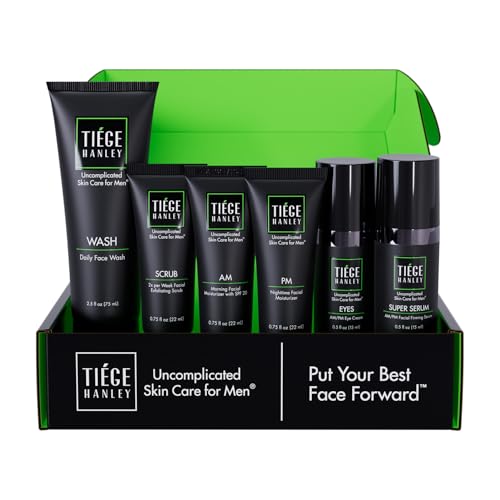

Salicylic acid is a beta hydroxy acid. In a wash, it acts as a keratolytic, which means it helps loosen the bonds between dead skin cells so they shed more easily. That is why it’s common in acne and oily-skin products. If scale is building up on the surface, loosening it may make skin look and feel smoother for some people.
What it doesn’t do is address the whole picture. A face wash sits on your skin for under a minute, so any effect is usually modest. Dermatology resources more often discuss antifungal ingredients for this condition, which is why it helps to see salicylic acid in context.


Common Cleanser Ingredients Compared
This table describes how each ingredient type is generally discussed. It’s education, not a recommendation for your skin.
| Ingredient type | Commonly discussed for | Main trade-off |
|---|---|---|
| Salicylic acid | Loosening flakes and buildup on oily areas | Can dry, sting, or redden sensitive or inflamed skin |
| Zinc pyrithione | Flaking, often in scalp-type products | Face-specific options vary, so read the label |
| Ketoconazole | An antifungal clinicians often discuss; some strengths need a prescription | Ask a clinician before using it on the face |
| Gentle non-soap cleanser | Cleaning without stripping reactive skin | Doesn’t loosen scale on its own |
If your skin is easily irritated, a gentle cleanser may be a more comfortable starting point than an exfoliating one.
Who Should Be Careful Before Using One
Facial skin is thinner than skin elsewhere, and not everyone tolerates exfoliating acids well. Some situations call for a conversation with a dermatologist or other qualified clinician first.
Situations and Suggested Next Steps
Use this table as a prompt for questions to ask, not as personal medical advice.
| Situation | Sensible next step |
|---|---|
| Redness and flaking with no diagnosis yet | Have it looked at before choosing products |
| Skin that is raw, cracked, or burning | Skip acids and ask a clinician |
| Already using retinoids, prescription creams, or other exfoliants | Ask how to combine them, since stacked actives often irritate |
| Pregnant or postpartum | Check with your clinician before using salicylic acid products |
| Aspirin or salicylate sensitivity | Ask a clinician before trying one |
| Children and teens | Ask a pediatrician or dermatologist first |
Safety Note
Keep face washes out of your eyes and off broken skin. Stop using the product and contact a clinician if you notice burning that lingers, swelling, blistering, or redness that spreads. Follow the manufacturer’s directions and warnings on the package.
Visual: Should You Reach for This Wash? A Simple Decision Path
Step 1: Check
Do you have a diagnosis? If not, see a clinician first.
Step 2: Look
Is skin raw or burning? If yes, pause acids and ask for advice.
Step 3: Choose
Pick a low-strength, fragrance-free wash with clear directions.
Step 4: Test
Patch test on a small area before using it on your whole face.
How to Choose a Salicylic Acid Face Wash
Start with strength. Over-the-counter face washes list the salicylic acid percentage on the Drug Facts panel. Lower is usually the gentler place to begin, and more isn’t automatically better for inflamed or sensitive skin. Then look at everything else in the formula, because the “extras” often cause the trouble.
Label Features and What They Mean
Use this as a quick reading guide when you compare labels in store or online.
| Label feature | Why it matters |
|---|---|
| Stated percentage | Shows the strength, so you can start low and follow the directions |
| Fragrance-free | Fragrance is a common irritant for reactive skin |
| Alcohol high in the ingredient list | May feel drying or tight after rinsing |
| Soap-free, gentle surfactants | Cleans with less stripping |
| Scrub beads or gritty particles | Adds friction on inflamed skin, so many people skip them |
| Drug Facts panel | Lists the manufacturer’s directions, warnings, and when to stop use |
How to Use It Without Overdoing It
Technique matters as much as the ingredient. A short, gentle wash is usually kinder than a long, vigorous one. Always follow the frequency on the package, and remember that using it less often is a reasonable way to begin.
Visual: A Gentle Wash Timeline
1. Patch test
Try a small spot along the jaw first, as the label directs.
2. Wet
Use lukewarm water, not hot.
3. Massage
Use fingertips only, for the time the label states.
4. Rinse
Rinse well and pat dry with a clean towel.
5. Moisturize
Apply a fragrance-free moisturizer.
A Sample Routine Rhythm
This is a general pattern, not a prescription. Adjust it to the product directions and your clinician’s advice.
| When | What to do | Note |
|---|---|---|
| Morning | Rinse or use a gentle cleanser, then moisturizer and sunscreen | Keeps the acid wash to one daily use at most |
| Evening | Salicylic acid wash if tolerated, then moisturizer | Follow the label’s frequency |
| Days skin feels sore | Switch to a gentle cleanser and skip actives | Giving skin a break is reasonable |
Common Mistakes That Can Make Skin Feel Worse
Most irritation comes from habits rather than the wash itself. These are the patterns that show up most often when people try exfoliating cleansers on flaky skin.
Mistake Versus Better Habit
Each row pairs a habit with a gentler alternative.
| Common mistake | Why it can backfire | Better habit |
|---|---|---|
| Washing with hot water | Can strip oils and increase redness | Use lukewarm water |
| Scrubbing hard | Friction adds to inflammation | Use gentle fingertip motions |
| Stacking several exfoliants | Irritation can build up | Introduce one new product at a time |
| Skipping moisturizer | Dry skin may look flakier | Use a light, fragrance-free moisturizer |
| Picking at flakes | Can break the skin and irritate it | Leave flakes alone and wash gently |
Visual: Better Fit Versus Pause
Label: Possibly a better fit
- Mild flaking in oily areas
- Skin that tolerates other cleansers
- A clinician has confirmed the diagnosis
Label: Pause and ask first
- Stinging, raw, or cracked skin
- Recently started prescription products
- An unidentified rash
Product Types Worth Considering
These are product types, not endorsements of specific items. On each Amazon page, check the current ingredients, strength, directions, and warnings before you buy.
Visual: Product Type Cards
Low-strength salicylic acid cleanser
Suits people who have a clinician’s okay and want a basic exfoliating wash. Trade-off: it can dry skin.
Gentle fragrance-free cleanser
A baseline for reactive skin or flare days. Trade-off: it won’t loosen scale by itself.
Zinc pyrithione cleanser
Worth discussing as an alternative. Trade-off: formulas vary, so read labels for face use.
Fragrance-free moisturizer
Helps with post-wash tightness. Trade-off: thick or heavily scented formulas may bother some skin.
Skin Signals and Next Steps
Your skin gives feedback after a new product. This table shows how to read it in general terms.
| What you notice | Possible general explanation | Next step |
|---|---|---|
| Tightness after rinsing | The wash may be drying | Use it less often and moisturize |
| Brief stinging that fades quickly | A mild reaction is possible | Watch closely and consider reducing use |
| Burning that lingers, swelling, or blisters | Irritation or an allergic reaction | Stop and contact a clinician |
| Flaking that persists or spreads | It may not be what you assumed | See a dermatologist |
Heads-Up: Layering Reminder
Be careful combining with
- Retinoids
- Benzoyl peroxide
- Other chemical exfoliants
- Scrubs and cleansing brushes
Why it matters
Several active products at once raise the chance of dryness and redness. A clinician can help you decide what belongs together.
Visual: Before You Buy Checklist
- I know what is causing my flaking, or I plan to ask a clinician.
- The label shows the salicylic acid percentage and directions.
- The formula is fragrance-free and has no scrub particles.
- I have a gentle cleanser and moisturizer ready for sore days.
- I will introduce only one new product at a time.
Frequently Asked Questions
Can a salicylic acid face wash cure seborrheic dermatitis?
No. Seborrheic dermatitis is a long-term condition that tends to come and go. A wash may help loosen flakes for some people, but a clinician can discuss broader options if symptoms keep returning.
Is salicylic acid better than an antifungal wash?
Not necessarily. The two work differently. Antifungal ingredients are often discussed for seborrheic dermatitis, so ask a clinician which approach suits your skin.
How often should I use a salicylic acid face wash?
Follow the directions on the package. Many people begin with less frequent use and stop if their skin feels sore or tight.
Should I moisturize after using it?
Many people do. A fragrance-free moisturizer may reduce post-wash tightness, which can make flaking look more obvious.
Is it okay to use during pregnancy?
Check with your obstetric provider or another qualified clinician before using any salicylic acid product while pregnant or postpartum.
Final Thoughts
A salicylic acid face wash can be a reasonable thing to ask about when flakes build up in oily areas, but it is a supporting player rather than a fix. The most useful habits are simple: confirm what you’re dealing with, choose a low-strength, fragrance-free formula, wash gently, and moisturize.
Every skin type reacts differently, and the information here is general. If your skin burns, worsens, or keeps flaking, stop the product and talk with a dermatologist or another healthcare professional.