
By Ryan Mitchell
Last updated: October 25, 2026
As an Amazon Associate, we earn from qualifying purchases.
Quick Answer
Common mistakes in relaxation training include forcing the process, unrealistic expectations of instant calm, incorrect technique (especially in breathing or progressive muscle relaxation), inconsistent practice, and ignoring personal limits. Slowing down, starting small, and matching the method to your body usually improves results.
Many people start relaxation training hoping for quick calm and then feel frustrated when the opposite happens. Thoughts race, muscles stay tight, or anxiety actually rises. These experiences are more common than most guides admit. Understanding the frequent pitfalls helps you adjust your approach instead of abandoning the practice.
This article covers the most frequent mistakes across progressive muscle relaxation, breathing exercises, and general quiet-focus practices. You will also find practical corrections, safety considerations, and simple ways to make training more sustainable.
Key Takeaways
- Trying to force immediate relaxation often increases tension or anxiety.
- Technique errors—especially over-tensing muscles or over-breathing—are easy to fix once noticed.
- Consistency and realistic expectations matter more than perfect sessions.
- Some people experience temporary increases in anxiety; shorter sessions and professional guidance can help.
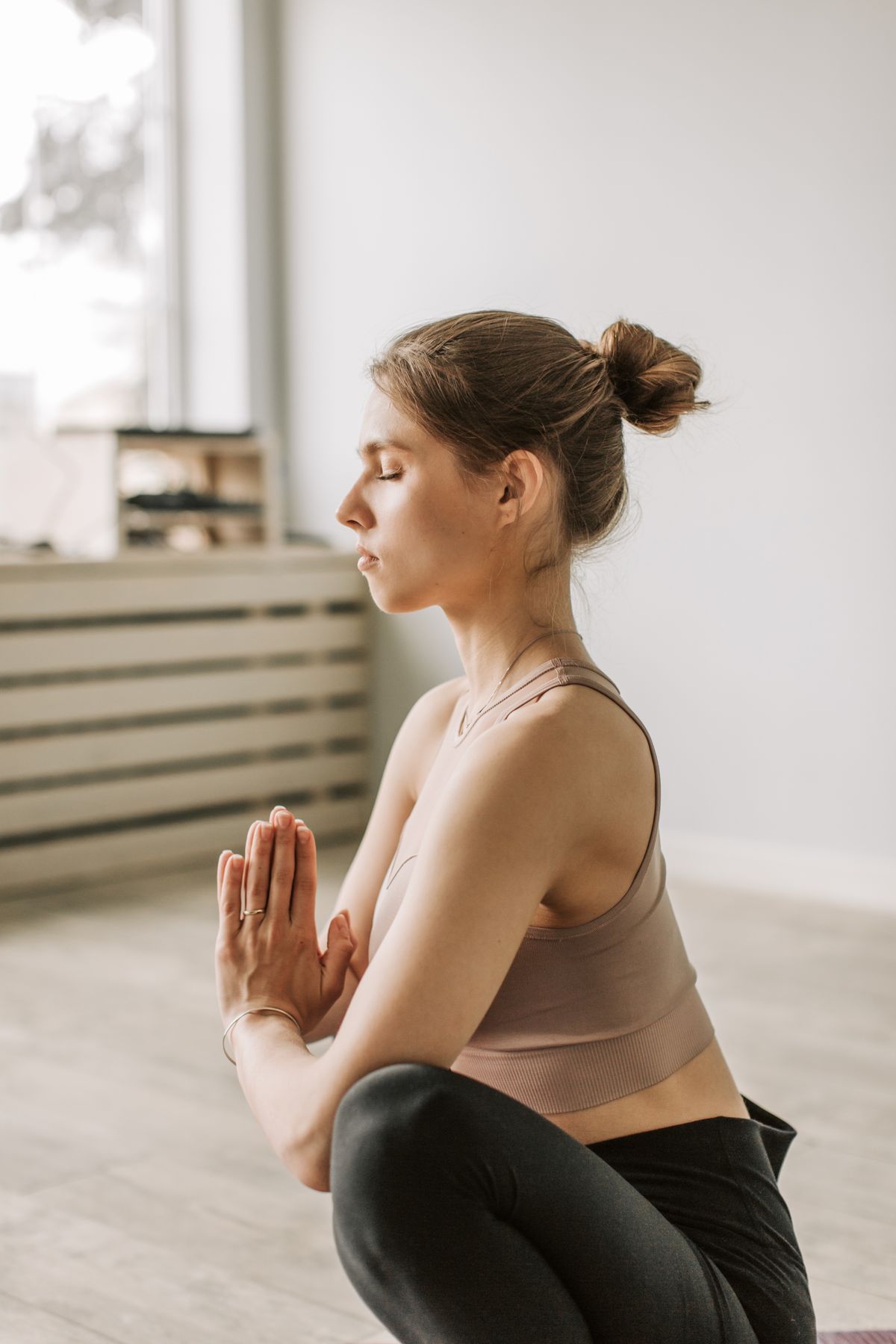
Why Relaxation Training Sometimes Backfires
Relaxation is a skill, not a switch. When people treat it like an immediate demand, the nervous system can interpret the effort as pressure. This contributes to a known phenomenon called relaxation-induced anxiety, in which attempts to relax temporarily heighten physical or mental tension.
Other common reasons training feels ineffective include mismatched techniques, environmental distractions, and the natural tendency to judge every session. Recognizing these patterns is the first step toward more useful practice.
Common Triggers That Raise Tension During Practice
Performance pressure
Watching the clock or grading the session
Body awareness spikes
Noticing heartbeat or breathing more acutely
Unrealistic goals
Expecting a blank mind or deep calm immediately
Mistake 1: Forcing Relaxation Instead of Allowing It
One of the most frequent errors is treating relaxation as something you must achieve on command. People tense further while trying to “make” the shoulders drop or the mind quiet. The effort itself becomes a source of strain.
A more useful stance is curiosity. Notice what is already present—tightness, thoughts, restlessness—without demanding that it disappear. Over time, the body often settles when the demand to settle is reduced.
Shift from Force to Notice
- Choose a short window (2–5 minutes).
- Simply observe breathing or muscle tone without correcting it.
- If the mind wanders, gently return attention without self-criticism.
Mistake 2: Unrealistic Expectations About Results
Many beginners assume a successful session means a completely quiet mind or profound physical ease. When thoughts continue or muscles remain somewhat tight, they conclude the method “doesn’t work.”
Thoughts arising during practice are normal. The skill is noticing them and returning attention, not eliminating them. Progress often appears as slightly shorter recovery from stress or less reactivity across days rather than dramatic single-session transformations.
Expectation Versus Realistic Outcome
The table below contrasts common expectations with more sustainable targets.
| Common Expectation | More Realistic Target |
|---|---|
| Instant deep calm | Slight easing of tension after several sessions |
| No thoughts at all | Noticing thoughts and returning attention |
| One method works for everyone | Different techniques suit different people |
| Daily long sessions required | Short, consistent practice builds skill |
Mistake 3: Technique Errors in Progressive Muscle Relaxation
Progressive muscle relaxation (PMR) involves tensing and releasing muscle groups. Common mistakes include tensing too hard, holding tension too long, or skipping the careful observation of the release phase.
Over-tensing can cause discomfort, cramping, or increased awareness of pain. People with recent injuries, muscle spasms, or certain joint conditions should approach PMR cautiously or choose alternative methods after checking with a healthcare professional.
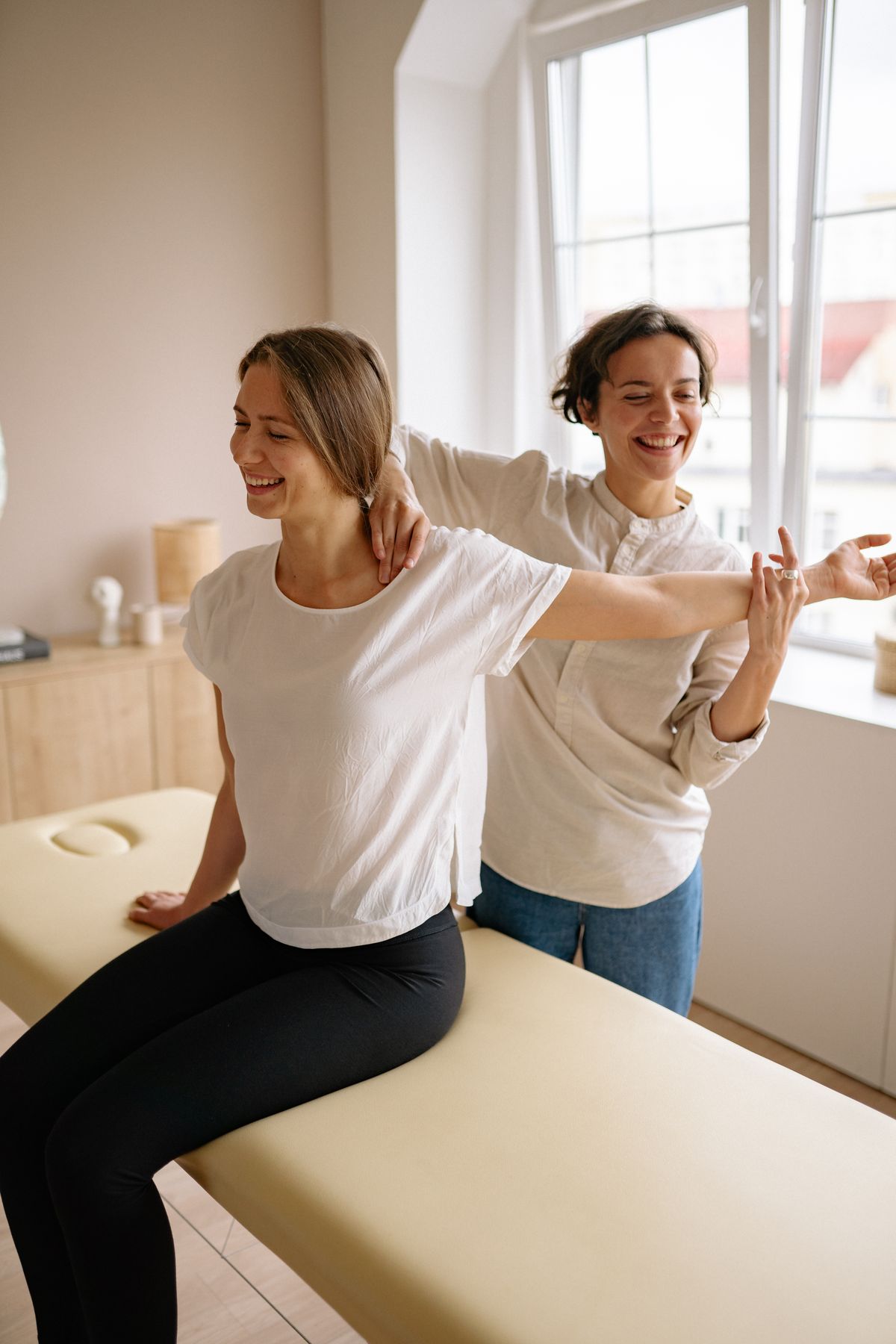
PMR Technique: Common Errors and Adjustments
Use this comparison to refine your practice.
| Mistake | Better Approach |
|---|---|
| Clenching until it hurts | Moderate tension only—enough to feel, not strain |
| Rushing the release | Release slowly and notice the contrast for several seconds |
| Tensing injured areas | Skip those groups or use passive awareness only |
| Holding breath while tensing | Keep breathing steady and natural throughout |
Simple PMR Safety Checklist
- Stop immediately if pain, dizziness, or unusual symptoms appear.
- Avoid broken, inflamed, or recently injured areas.
- Consult a clinician first if you have circulatory concerns, recent surgery, or significant musculoskeletal issues.
Mistake 4: Breathing Errors That Increase Discomfort
Deep or controlled breathing is popular, yet many people breathe too forcefully or too rapidly. This can produce lightheadedness, tingling, or a sense of air hunger that feels alarming rather than calming.
A gentler approach usually works better: allow the breath to be natural at first, then gradually lengthen the exhale if it feels comfortable. Mouth breathing or forcing large volumes is rarely necessary for everyday practice.
Breathing Patterns: Helpful Versus Counterproductive
Compare these common patterns.
| Pattern | Typical Effect | Adjustment |
|---|---|---|
| Forceful deep inhales | Dizziness or agitation | Softer, quieter breaths |
| Very short exhales | Remains in higher alertness | Slightly longer, easy exhales |
| Holding breath between cycles | Increased tension for some | Continuous, comfortable flow |
| Mouth breathing only | Drier mouth, less efficient | Prefer nasal if comfortable |
Quick Breathing Reset (Illustrative)
1
Notice current breath
2
Soften the inhale
3
Lengthen exhale gently
4
Repeat 4–6 cycles
Mistake 5: Inconsistent Practice and Poor Timing
Waiting until stress is already high often makes techniques harder to apply. Occasional long sessions are less effective for skill-building than brief, regular practice when the body is relatively calm.
Practicing only in bed while trying to fall asleep can also create problems for some people. If the mind stays active, the bed becomes associated with effort and frustration rather than rest. Daytime or early-evening practice can help separate the skill from sleep pressure.
Practice Timing Options
Choose windows that fit real life rather than ideal conditions.
| Window | Advantage | Caution |
|---|---|---|
| Morning after waking | Often quieter mind | May feel rushed if schedule is tight |
| Midday break | Interrupts stress accumulation | Environment may be noisy |
| Early evening | Supports wind-down | Avoid right before bed if sleep is already difficult |
| Only when stressed | Feels relevant | Harder to learn the skill under high load |
Sample Weekly Micro-Practice Plan
Aim for short sessions most days rather than infrequent long ones.
- Days 1–3: 3–5 minutes of quiet breathing or body scanning
- Days 4–5: Add gentle PMR for 2–3 muscle groups
- Days 6–7: Review what felt easier and keep only the helpful parts
Mistake 6: Ignoring Individual Differences and Safety Signals
Not every technique suits every person. High baseline anxiety, trauma history, certain medical conditions, or pregnancy may call for modified approaches or professional guidance. Some people find that closing the eyes or focusing inward temporarily increases discomfort.
If practice consistently raises anxiety, dizziness, or intrusive thoughts, shorten the sessions, keep the eyes open, or switch methods. For pregnancy-related considerations, see our guide on stress relief safety during pregnancy. Gentle home routines such as those described in wellness massage at home can also complement quiet practice for some readers.
Safety Note
If you have a pacemaker or other implanted device, significant circulatory or clotting concerns, diabetes-related numbness, recent injury or surgery, or any condition that affects sensation or balance, check with a qualified healthcare professional before beginning structured muscle-tension or prolonged breathing practices. Stop if pain, dizziness, or unusual symptoms occur.
Who May Need Extra Caution
This overview is general, not diagnostic.
| Situation | Suggested Adjustment |
|---|---|
| High anxiety or panic history | Start very short; consider professional support |
| Recent musculoskeletal injury | Skip tension on affected areas |
| Pregnancy | Prefer gentle breathing and movement; confirm with provider |
| Difficulty sitting still | Try walking focus or brief body scans instead |
Decision Path When Practice Feels Worse
Short-term increase in awareness → Continue briefly and reassess after a few sessions
Rising anxiety or physical discomfort → Shorten, open eyes, or pause the method
Persistent distress or new symptoms → Stop and speak with a healthcare professional
Putting It Together: A Practical Correction Framework
Most people improve by addressing one or two high-impact mistakes rather than overhauling everything at once. Start with technique accuracy and session length, then refine expectations and timing.
Keep a simple note of what you tried and how it felt. Patterns become clearer after a week or two of consistent, modest practice.
Priority Fixes Ranked by Impact
Focus energy where it usually yields the largest return.
| Priority | Focus Area | Action |
|---|---|---|
| 1 | Force and pressure | Drop performance goals for two weeks |
| 2 | Technique accuracy | Moderate tension; natural breathing |
| 3 | Consistency | 3–5 minutes most days |
| 4 | Personal fit | Switch method if distress continues |
Frequently Asked Questions
Can relaxation training make anxiety worse?
Yes, for some people. Temporary increases in tension or anxiety during practice are documented. Shorter sessions, open eyes, or different methods often help. Persistent distress warrants professional input.
How long should a beginner practice each day?
Three to ten minutes of consistent practice is usually more useful than occasional long sessions. Quality of attention matters more than duration at the start.
Is progressive muscle relaxation safe with back pain?
It depends on the specific condition. Avoid tensing painful or injured areas. Many people benefit from focusing only on uninvolved muscle groups or choosing passive awareness instead. Check with a clinician if pain is significant or recent.
What if I cannot stop thinking during practice?
Thoughts are normal. The practice is noticing them and returning attention, not achieving a blank mind. Judging the thoughts usually adds more tension than the thoughts themselves.
Should I practice only when I feel stressed?
Learning the skill is easier when the nervous system is not already highly activated. Brief regular practice in calmer moments builds the ability to use the techniques later under stress.
Do I need special equipment?
No. A quiet or relatively quiet space and comfortable clothing are sufficient for most basic practices. Some people later enjoy supportive cushions or guided audio, but they are optional.
Final Thoughts
The most common mistakes in relaxation training—forcing the process, expecting instant results, using excessive tension or forceful breathing, practicing inconsistently, and overlooking personal limits—are correctable with small, steady adjustments. Treat the practice as skill development rather than a performance test.
Start short, stay curious, and prioritize safety. If certain methods consistently increase distress, change the approach or seek guidance from a qualified professional. Useful relaxation is usually quieter and more gradual than the stories we tell ourselves about it.

