
By Ryan Mitchell
Last updated: October 25, 2026
Quick Answer
Relaxation therapy is used in pain management as a complementary approach that may help reduce muscle tension, lower stress responses, and support comfort for some people. Techniques such as progressive muscle relaxation, slow breathing, and guided imagery are practiced regularly alongside medical care, not as a replacement.
Pain often tightens muscles and heightens the body’s stress response. Over time that cycle can make everyday discomfort feel heavier. Relaxation therapy offers structured ways to interrupt part of that cycle by training attention and muscle awareness. It does not remove the underlying cause of pain and results vary widely. Many people use it as one practical tool among others recommended by a clinician.
This guide explains the main techniques, how they are typically applied, who may want extra caution, and realistic ways to build a short routine at home.
Key Takeaways
- Relaxation techniques may help some people feel more comfortable by easing muscle tension and the stress response that can amplify pain.
- Progressive muscle relaxation, diaphragmatic breathing, guided imagery, and biofeedback are the approaches most often discussed for pain support.
- These methods work best with regular practice and as complements to medical advice, not substitutes.
- People with certain health conditions, recent injuries, or pregnancy should check with a qualified healthcare professional before starting.
What Relaxation Therapy Means in Pain Management
Relaxation therapy refers to a group of mind-body practices designed to elicit the body’s natural relaxation response. That response typically includes slower breathing, reduced muscle tension, and a quieter stress-hormone pattern. In the context of pain, the goal is not to “turn off” pain signals but to reduce secondary factors—tight muscles, anxiety about pain, and the fight-or-flight activation—that often make the experience of pain feel worse.
Organizations such as the National Center for Complementary and Integrative Health note that relaxation techniques have been studied for headache, low-back pain, arthritis-related discomfort, and pain after surgery. Evidence quality varies and results are not uniform. Some people notice modest improvements in comfort or function; others notice little change. The techniques are generally considered low-risk when practiced correctly and are frequently recommended as part of a broader non-drug plan for chronic low-back pain.

Main Techniques Used for Pain Support
Several specific methods appear most often in clinical discussions and patient guides.
Progressive Muscle Relaxation (PMR)
PMR involves systematically tensing and then releasing muscle groups while noticing the contrast between tension and release. The practice teaches awareness of hidden tightness that can intensify pain. A typical session lasts 15–20 minutes and moves from the feet upward or vice versa. On painful or injured areas the tension phase is kept very light or skipped.
Diaphragmatic and Slow Breathing
Slow, deeper breathing that expands the abdomen rather than the upper chest can activate the parasympathetic system. Simple patterns such as inhaling for a count of four and exhaling for a count of six are widely taught. These exercises require no equipment and can be used briefly during a pain flare.
Guided Imagery
A person focuses on a peaceful scene or sensation, engaging as many senses as possible. The practice may shift attention away from pain signals for a short period and is sometimes combined with breathing or soft music.
Biofeedback-Assisted Relaxation
Sensors show real-time information about muscle tension, heart rate, or skin temperature. With practice a person learns to influence those signals. Biofeedback is usually learned with a trained practitioner and then applied independently.
Technique Snapshot
PMR
Tense then release muscle groups; builds body awareness.
Breathing
Slow abdominal breaths; portable and equipment-free.
Imagery
Mental scenes that promote calm and distraction.
Biofeedback
Sensor feedback that teaches voluntary control of tension.
How These Techniques Fit into Everyday Pain Management
Most people start with short, structured sessions once or twice a day and then use brief versions when pain or tension rises. Consistency matters more than length. A realistic starting point is 10 minutes of breathing or a simplified PMR sequence.
| Technique | Typical Setting | Time Needed | Notes for Pain Use |
|---|---|---|---|
| Progressive muscle relaxation | Quiet room, seated or lying | 15–20 min | Lighten or skip painful areas |
| Slow breathing | Anywhere | 3–10 min | Useful during mild flares |
| Guided imagery | Quiet space or with audio | 10–15 min | May help shift attention |
| Biofeedback | Clinic then home practice | Varies | Often learned with a clinician |
These time ranges are practical starting points; individual tolerance and clinician advice take priority.
Simple Daily Placement
Morning
5–10 min slow breathing or short PMR before the day begins.
Midday check-in
Notice tension; release shoulders and take three slower breaths.
Evening
Full or abbreviated session to support wind-down.
Who May Benefit and Who Should Be Cautious
People with chronic low-back pain, tension-type headaches, or post-surgical discomfort are among those most often offered these techniques. They can also serve as a portable tool when stress and pain interact.
| Situation | Generally Suitable Starting Point | Extra Caution or Professional Guidance |
|---|---|---|
| Everyday muscle tension or mild chronic discomfort | Breathing, light PMR, imagery | None beyond common sense |
| Recent injury or surgery | Gentle breathing only | Avoid tensing the affected area; follow surgical team advice |
| Pregnancy | Slow breathing, short quiet imagery | Confirm with prenatal provider; avoid overheating or strong scents |
| Uncontrolled heart or lung conditions | Very gentle breathing if cleared | PMR and forceful breath holds may need medical clearance |
| Implanted devices or complex medical history | None without advice | Discuss with the treating clinician first |
Safety Note
Relaxation techniques are complementary. They do not diagnose, cure, or replace prescribed treatment. Stop any practice that increases pain, dizziness, or unusual symptoms and speak with a qualified healthcare professional about your specific situation.
Building a Practical Routine
A sustainable routine is short, consistent, and flexible. Many people begin with breathing because it needs no special position or quiet room.
Starter Sequence (about 12 minutes)
- Settle – Sit or lie comfortably. Soften the jaw and shoulders.
- Breath awareness – Place one hand on the belly. Breathe in slowly so the hand rises; exhale a little longer. Continue for 3–4 minutes.
- Mini PMR – Gently tense the hands and forearms for 4 seconds, then release fully for 10–15 seconds. Move to shoulders, then face. Skip any area that hurts.
- Brief imagery – Picture a calm place for 2–3 minutes, noticing colors, sounds, or temperature.
- Return – Open the eyes, notice the room, and stand slowly if needed.
| Common Mistake | Better Approach | Why It Matters |
|---|---|---|
| Tensing as hard as possible | Use about 60–70 % effort | Hard tension can increase discomfort |
| Expecting immediate pain elimination | View it as skill-building over weeks | Benefits often appear gradually |
| Practicing only during severe pain | Practice on calmer days first | Skill is harder to access in high distress |
| Holding the breath while tensing | Keep breathing steady | Breath-holding adds tension |
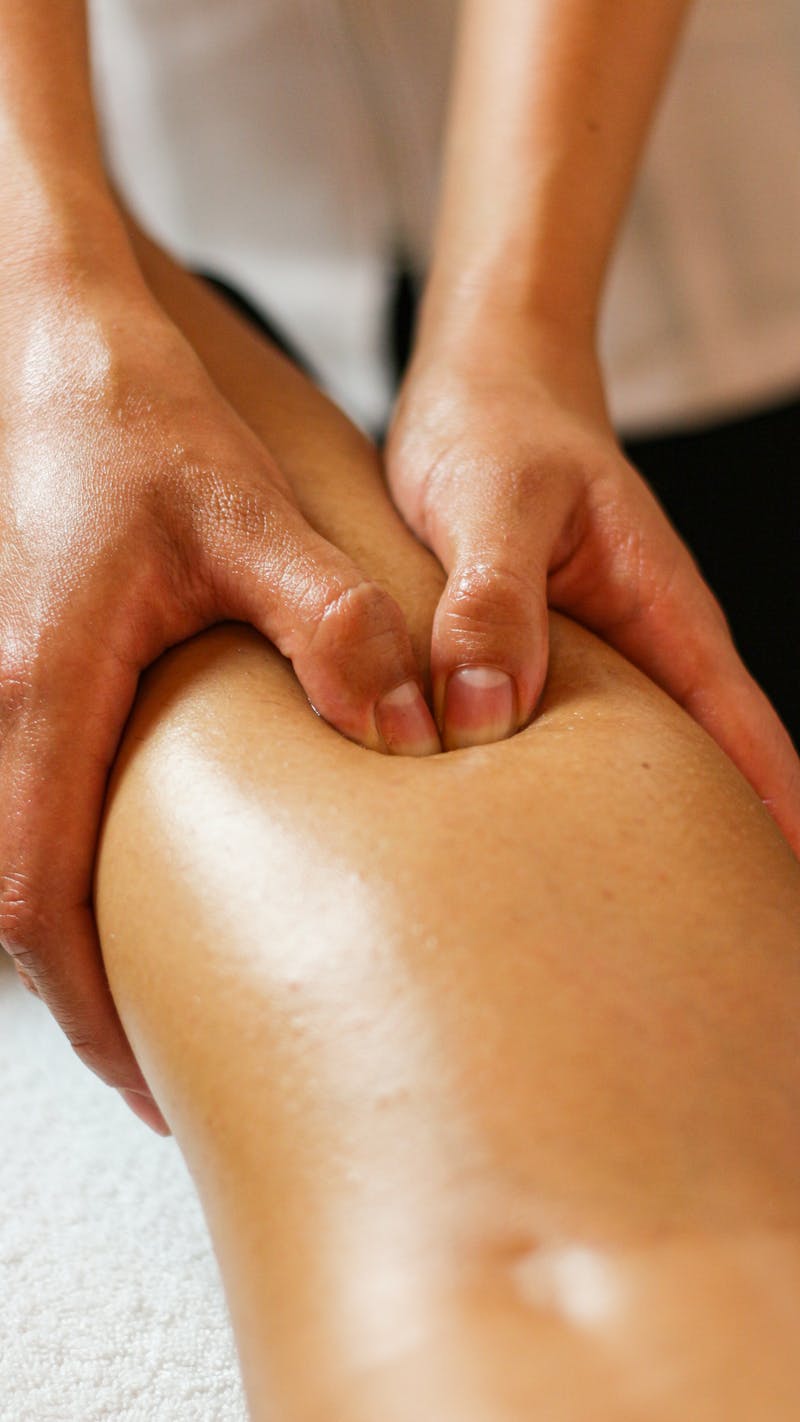
For related body-care ideas, see the practical steps in wellness massage at home. Readers who are pregnant may also find useful context in gentle stress-relief options during pregnancy.
Evidence Snapshot and Realistic Expectations
Reviews from sources such as the National Center for Complementary and Integrative Health and the American College of Physicians indicate that progressive muscle relaxation and related approaches can produce moderate improvements in low-back pain and function for some individuals, though the supporting evidence is often rated low to moderate in quality. Similar patterns appear for certain headache studies. Effects on fibromyalgia pain remain less clear.
In practice this means relaxation therapy is best framed as a supportive skill rather than a primary treatment. It may help reduce the secondary muscle tension and stress that accompany pain, improve sleep onset for some people, and give a sense of agency. It does not replace evaluation of the underlying cause or any prescribed therapy.
| Area Studied | Observed Pattern in Reviews | Practical Takeaway |
|---|---|---|
| Chronic low-back pain | Moderate short-term improvement reported for PMR in some guidelines | Worth trying as part of a non-drug plan |
| Headache | Mixed results; often better when combined with other approaches | May reduce frequency or intensity for some |
| Post-surgical pain | Some reduction in reported pain intensity in several trials | Useful adjunct under clinical guidance |
| Fibromyalgia | Evidence less consistent | Individual response varies; monitor with clinician |
Illustrative Comfort Meter (not research data)
This simple visual shows relative emphasis many people place on different tools; actual benefit is individual.
Troubleshooting Common Difficulties
| Problem | Possible Reason | Next Step |
|---|---|---|
| Mind wanders constantly | Normal at first | Gently return attention without self-criticism |
| Pain increases during PMR | Tension too strong or area sensitive | Reduce effort or switch to breathing only |
| Feels pointless after a few tries | Expectation of rapid change | Commit to two weeks of short daily practice before judging |
| Dizziness or light-headedness | Breathing too deeply or rapidly | Slow the pace; stop and resume later if needed |
Decision Path: When to Adjust or Pause
Continue as is
Practice feels neutral or mildly pleasant; no new symptoms.
Modify
Mild increase in tension or restlessness → shorten sessions or switch technique.
Pause and check
Sharp pain, dizziness, or unusual symptoms → stop and consult a clinician.
Frequently Asked Questions
Can relaxation therapy replace pain medication?
How long before I notice any difference?
Is progressive muscle relaxation safe with back pain?
Do I need special equipment or apps?
Can children use these techniques?
What if I fall asleep during practice?
Final Thoughts
Relaxation therapy gives people concrete, portable skills that may ease the muscle tension and stress responses that often travel with pain. Progressive muscle relaxation, slow breathing, guided imagery, and biofeedback are the most commonly discussed options. They work best when practiced regularly and treated as one supportive piece of a larger plan that includes medical evaluation and other recommended care.
Start gently, stay consistent, and adjust or pause when something does not feel right. When in doubt about safety for your specific health situation, check with a qualified healthcare professional before continuing.