
By Ryan Mitchell
Last updated: October 23, 2026
Quick Answer: Many people wake a few minutes before their alarm because the brain’s master clock (the suprachiasmatic nucleus) learns their usual schedule and begins a gentle hormonal ramp—especially a rise in cortisol—before the expected wake time. When the pattern is consistent and you feel rested, it often signals a well-tuned circadian rhythm rather than a problem.
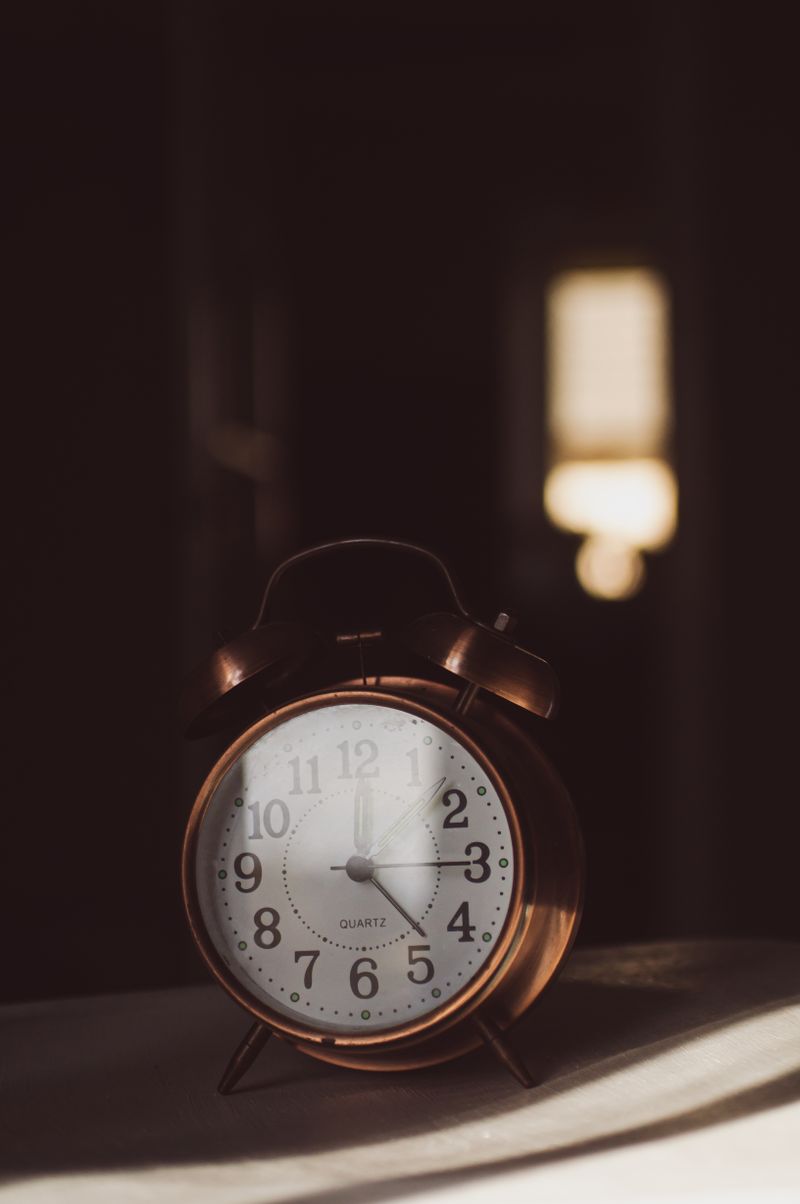
You set the alarm, close your eyes, and somehow open them two or three minutes early. It can feel uncanny. In most cases it is not random. Your internal timing system has been preparing the body for the transition out of sleep.
This article explains the main biological reasons, when the experience is usually helpful, when it may point to stress or disrupted sleep, and simple habits that support a smoother morning without forcing change.
Key Takeaways
- Your brain’s master clock can learn consistent wake times and start a cortisol rise in advance.
- Feeling alert and rested after waking early often reflects a healthy circadian pattern.
- Waking early and feeling wired or unrefreshed can involve stress, light, or irregular schedules.
- Stable bed and wake times plus morning light are the most practical supports.

The Body’s Built-In Timing System
Deep in the brain, a small cluster of cells called the suprachiasmatic nucleus acts as the master clock. It coordinates roughly 24-hour rhythms that influence sleep, alertness, body temperature, and hormone release.
Light is the strongest cue. Special cells in the eyes detect changes in light even through closed lids and pass that information to the master clock. Daily routines—bedtime, meals, activity—also train the system. When those routines stay fairly steady, the clock begins to anticipate the next expected event.
One result is that the body can start shifting out of sleep mode before an external alarm sounds. Temperature begins to rise slightly, melatonin (the hormone linked with sleepiness) declines, and cortisol starts its morning climb. By the time the alarm is due, the transition is already under way.
How the Master Clock Prepares for Wake-Up
Hours before
Body temperature begins its gradual rise; melatonin starts to fall.
~60 min before
Cortisol rise often begins; alertness systems become more active.
Near alarm time
Sleep stages lighten; spontaneous waking becomes more likely.
The Cortisol Awakening Response
Cortisol is often labeled a stress hormone, yet it also plays a normal role in the daily shift from sleep to wakefulness. In the hour or so before expected rising time, levels of cortisol typically increase. This pattern is called the cortisol awakening response.
Research has shown that the timing of this rise can adjust to anticipated wake times. When people expect an earlier start, the hormone increase can begin earlier. The effect is anticipatory rather than a reaction to the sound of an alarm.
When the rise is well timed and sleep has been sufficient, many people open their eyes feeling reasonably ready. The alarm becomes almost optional.
Cortisol Pattern Versus Common Misunderstandings
The table below contrasts typical morning physiology with frequent assumptions.
| Aspect | Typical morning pattern | Common misunderstanding |
|---|---|---|
| Role of cortisol | Supports alertness and energy readiness | Always a sign of harmful stress |
| Timing | Often begins before expected wake time | Only occurs after the alarm rings |
| Consistency effect | Regular schedules help the body anticipate | The body cannot “learn” wake times |
| How it feels | Can feel natural and refreshed | Must mean poor sleep or anxiety |
Interpretation: A smooth pre-alarm rise is part of normal circadian preparation for many people with steady routines.
Sleep Cycles and the Final Stages of the Night
Sleep moves through cycles that average about 90 minutes. Toward the end of the night the proportion of lighter sleep and REM tends to increase. If the planned wake time lands near the end of a cycle, the brain is already closer to the surface of sleep.
In that state it is easier for the internal timing signals to complete the transition without an external noise. The opposite can also occur: an alarm that interrupts deeper sleep can leave a person feeling groggy even if total time in bed was adequate.
Sleep Cycle Position and Morning Feel
Near end of cycle
Lighter sleep stages make natural waking more likely; many people feel clearer.
Mid-cycle interruption
Deeper stages can produce more sleep inertia (grogginess) after an alarm.
When Waking Before the Alarm Feels Helpful
If you regularly open your eyes a few minutes early, feel reasonably alert, and do not spend the day fighting fatigue, the pattern often reflects a well-aligned rhythm. Consistent bed and wake times, morning outdoor light, and adequate total sleep support this outcome.
People who keep nearly the same schedule seven days a week tend to experience the effect more reliably. The body treats the usual rising time as expected and prepares accordingly.
Signs the Pattern Is Usually Benign
| Observation | What it often suggests |
|---|---|
| Wake 2–10 minutes early, feel rested | Circadian anticipation is working well |
| Same timing most weekdays | Master clock has learned the schedule |
| Energy holds through the morning | Sleep quantity and quality are likely adequate |
| No strong urge to keep checking the clock | Anxiety is not the main driver |
When Early Waking May Signal Stress or Disruption
Not every early awakening feels restorative. If you wake an hour or more early, feel tense, or cannot return to sleep, other factors may be involved.
Anticipatory arousal is one. On nights before an important appointment or travel day, the brain may release stress-related hormones earlier, making spontaneous waking more likely. Clock-watching after an early wake can raise tension further and make sleep harder to regain.
Irregular bedtimes, evening light from screens, caffeine late in the day, or insufficient total sleep can also fragment the night and shift the timing of lighter sleep stages.
Quick Self-Check: Helpful vs. Disruptive Early Waking
Usually helpful
- Only a few minutes early
- Feel clear-headed
- Daytime energy is steady
Worth attention
- One or more hours early
- Feel wired or exhausted
- Worry about sleep builds
Common Triggers and Practical Next Steps
| Possible factor | What may help |
|---|---|
| Stress about the next day | Simple wind-down; avoid clock-watching if you wake early |
| Highly variable bedtimes | Aim for a more consistent schedule, even on weekends |
| Bright evening screens | Dim lights and reduce screen time 60–90 minutes before bed |
| Late caffeine or large late meals | Shift caffeine earlier and keep evening meals moderate |
| Morning light blocked | Open curtains or step outside shortly after rising |
Habits That Support a Steady Internal Clock
The most reliable support is consistency. Going to bed and rising within a similar window most days helps the master clock predict the morning. Morning outdoor light strengthens the signal that the day has begun.
A short wind-down routine can reduce the chance that residual tension keeps the brain scanning for the alarm. Many people find that turning the clock face away after setting it removes one source of middle-of-the-night checking.
If racing thoughts appear at night, a brief grounding or breathing practice can help the body settle. Resources such as how to stop overthinking at night and how to calm a racing mind offer practical steps that fit a wellness routine.
Simple Daily Rhythm Checklist
Routine Timing Overview
| Time of day | Supportive action | Why it matters |
|---|---|---|
| Morning | Get natural light within the first hour | Reinforces the day’s start signal |
| Afternoon | Keep caffeine moderate and earlier | Reduces interference with sleep pressure |
| Evening | Lower lights and screens | Allows melatonin to rise more naturally |
| Bedtime | Consistent window most nights | Trains the master clock’s predictions |
If You Wake Early and Feel Tense
- Keep the room dark and avoid looking at the clock if possible.
- Use slow breathing or a short body scan rather than planning the day.
- If sleep does not return within a reasonable time, get up and do a quiet activity until you feel sleepy again.
- The next evening, return to the same wind-down sequence.
Safety Note and When to Seek Extra Support
Occasional early waking that does not affect daytime function is common and usually does not require medical attention. Persistent early morning awakenings that leave you exhausted, or that come with low mood, anxiety that feels hard to manage, or other sleep difficulties, deserve a conversation with a qualified healthcare professional.
Certain groups—people who are pregnant, those with chronic health conditions, or anyone taking medications that affect sleep—may benefit from personalized guidance before making large changes to sleep schedules.
Heads-Up
This article explains everyday patterns. It does not diagnose sleep disorders or replace professional advice. If early waking is frequent, distressing, or paired with other symptoms, talk with a clinician who can look at the full picture.
Helpful Versus Concerning Patterns
| Pattern | Self-care focus | Consider professional input if |
|---|---|---|
| Few minutes early, feel fine | Maintain consistent schedule | Rarely needed |
| Occasional early wake before stress | Wind-down and light exposure | It becomes nightly and exhausting |
| Hours early, cannot return to sleep | Stabilize schedule, reduce evening stimulation | Daytime function or mood is affected |
FAQ
Is waking up before my alarm a sign of good health?
When it happens by only a few minutes and you feel rested, it often reflects a well-synchronized circadian rhythm. It is not by itself a medical diagnosis, but it can be a positive sign of consistent habits.
Why does it happen more on important days?
Anticipation can advance the hormonal preparation for waking. The brain treats the expected early start as important and begins the cortisol rise sooner.
Should I stop using an alarm if I wake early?
Many people keep a backup alarm for reliability while still benefiting from the natural transition. If your schedule is highly consistent and you never oversleep, some choose to rely less on the alarm, but that is a personal decision.
Can light in the bedroom cause early waking?
Yes. Morning light can suppress residual melatonin and encourage alertness. Blackout options or a consistent light-exposure plan after rising can help match the schedule you prefer.
What if I wake early and cannot fall back asleep?
Keep the room dark, avoid clock-watching, and use a calm activity if needed. Building a more consistent overall schedule and managing evening stimulation often improves the pattern over time. Persistent difficulty warrants professional guidance.
Does age change how often this happens?
Sleep architecture and circadian timing can shift with age. Some older adults experience earlier natural wake times. Individual patterns vary widely; a clinician can help interpret changes that affect daily life.
Final Thoughts
Waking a few minutes before the alarm is often your internal clock doing its job: learning the schedule and starting the gentle hormonal shift toward alertness. When the experience feels natural and you feel rested, it is usually a sign of a well-aligned rhythm rather than a flaw.
The most useful supports remain simple—consistent bed and wake times, morning light, and an evening environment that allows the body to settle. If early waking is prolonged, stressful, or paired with daytime fatigue or mood changes, a conversation with a healthcare professional can clarify next steps.
Respect the body’s timing system, keep habits steady where you can, and treat the alarm as a backup rather than the only signal that the day has begun.

