By Ryan Mitchell
Last updated: October 23, 2026
Quick Answer
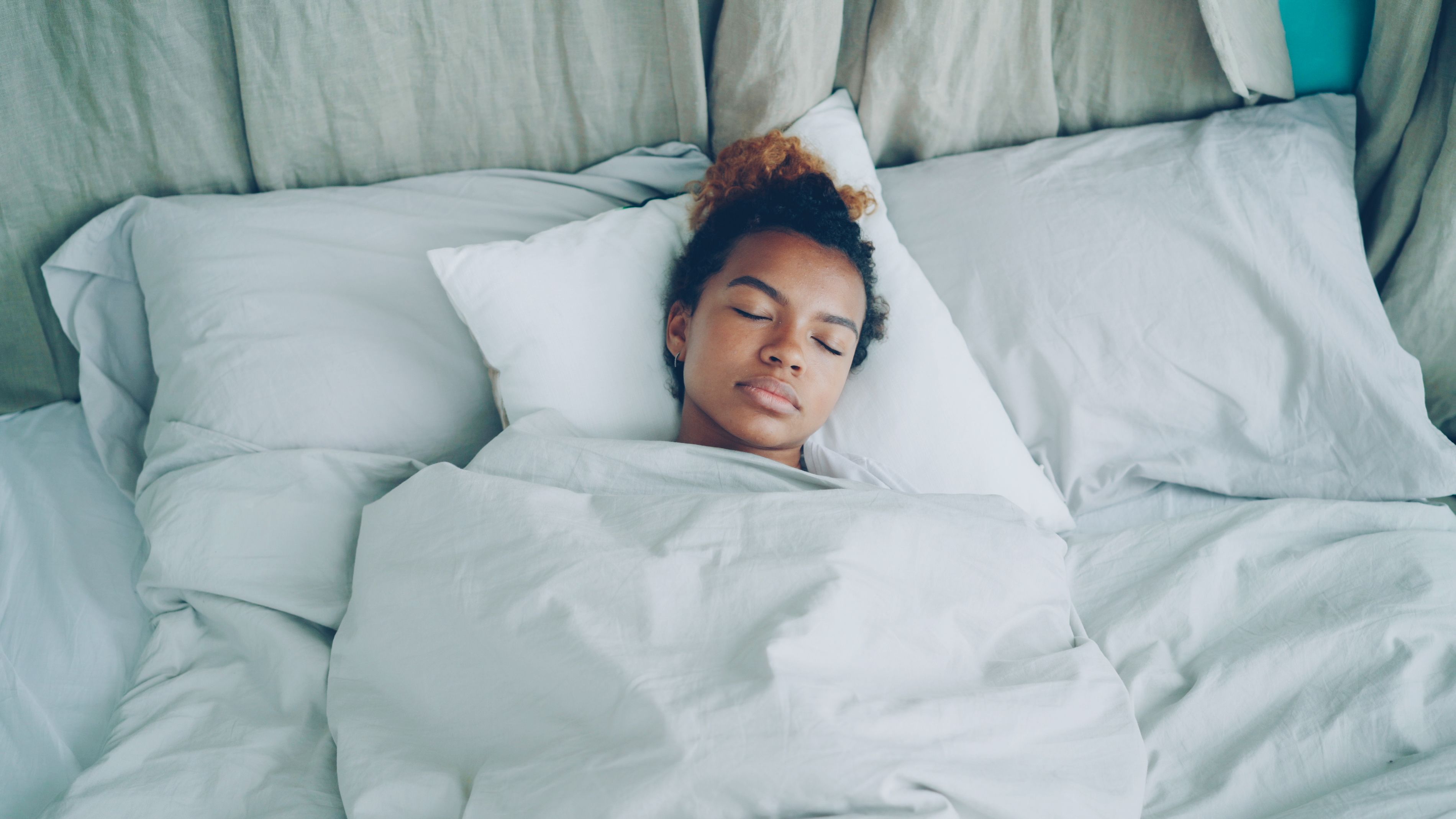
Your core body temperature naturally drops about 1–2°F as bedtime approaches. That cooling, driven by heat loss through the hands and feet, is closely linked to falling asleep and spending more time in deep sleep. A bedroom that is a bit cooler than daytime comfort levels helps this process.
Many people notice they sleep better in a cooler room or after a warm bath. The reason sits in a simple biological partnership: your body’s temperature rhythm and your sleep drive work together. When core temperature begins its evening decline, sleep becomes easier to start and often more restorative.
This article explains the connection in clear terms, shows what happens across the night, and offers practical steps you can try at home—without medical claims or complicated routines.
Key Takeaways
- Core temperature typically falls 1–2°F from its daytime peak and reaches its lowest point in the early morning hours.
- Heat loss through the skin of the hands and feet helps drive that drop and is linked to easier sleep onset.
- A bedroom around 65–68°F (18–20°C) is a common starting point for many adults, though personal comfort varies.
- Warming the body a little before bed (for example with a warm shower) can make the later cooling phase more noticeable for some people.
How Body Temperature and Sleep Are Linked
Your internal clock, centered in a small brain region called the suprachiasmatic nucleus, coordinates many daily rhythms. Two of the most tightly connected are core body temperature and the drive to sleep.
In the evening, core temperature begins a gradual decline. At the same time, melatonin rises. The two processes reinforce each other. Melatonin itself supports heat loss, and the cooling signal helps the brain shift into sleep mode.
Sleep is most likely to begin while temperature is still falling. Once you are asleep, core temperature continues downward and usually bottoms out between roughly 4 a.m. and 5 a.m. for people on a conventional schedule. After that low point, temperature starts rising again, which helps prepare the body for waking.
Evening Temperature Timeline (Illustrative)
Late afternoon
Temperature near peak
1–2 hrs before bed
Decline begins
Sleep onset
Steepest cooling
Early morning
Lowest point
This pattern is typical for healthy adults on a regular schedule; individual timing can differ.
The Role of Hands, Feet, and Heat Loss
Cooling the core does not happen only by reducing heat production. A major part of the process is active heat loss through the skin—especially the distal skin of the hands and feet.
In the evening, blood vessels in those areas tend to widen (vasodilation). Warm blood moves closer to the surface, heat radiates away, and core temperature falls. This is why warm hands and feet often appear just before people feel ready to sleep.
Researchers have noted that the gradient between distal and proximal skin temperature can be a strong predictor of how quickly someone falls asleep. When heat can leave the core efficiently, sleep onset tends to come more readily for many people.
Temperature Changes Across Sleep Stages
Core and brain temperature also shift slightly within the night as sleep stages change. Non-REM (especially deep slow-wave) sleep is generally associated with further cooling, while REM sleep shows a modest rise in brain temperature relative to the surrounding non-REM periods. These small fluctuations are part of normal sleep architecture rather than something most people need to control directly.
| Phase | Typical temperature trend | Practical note |
|---|---|---|
| Pre-sleep evening | Core begins declining | Dim lights and calm activities support the shift |
| Sleep onset | Distal skin warms; core cools faster | Warm feet can help some people settle |
| Deep non-REM | Core continues lower | Cooler room may protect this stage |
| REM periods | Slight brain temperature rise | Normal; body still prefers moderate coolness |
| Near waking | Core begins rising | Natural signal that supports alertness |
Trends are general patterns observed in healthy adults; individual nights vary.
Why Bedroom Temperature Matters
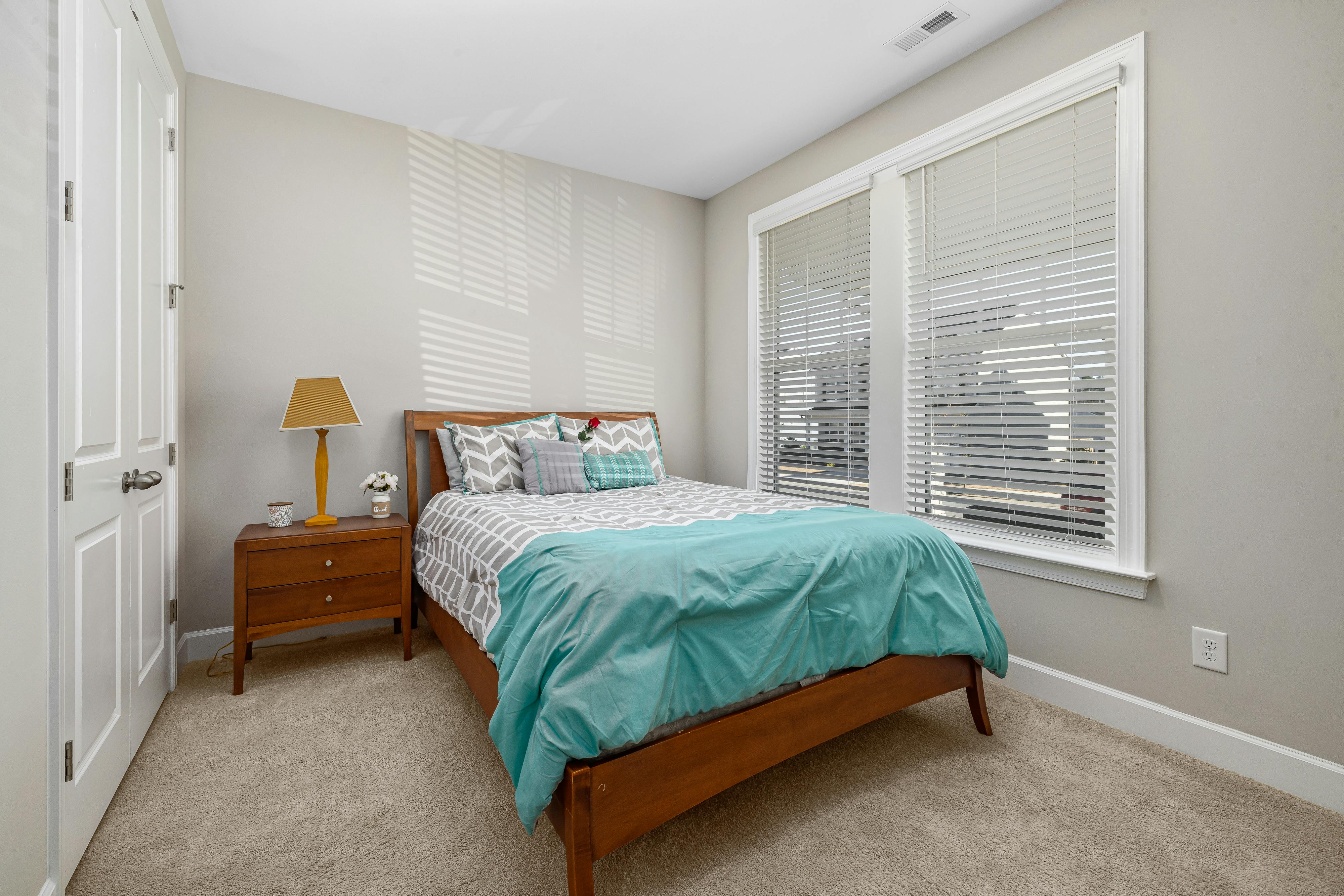
If the room is too warm, the body has a harder time shedding heat. That can lengthen the time it takes to fall asleep, reduce time spent in deep sleep, and increase brief awakenings. If the room is uncomfortably cold, people may tense up, pull covers tightly, or wake from feeling chilled—especially during REM when temperature regulation is less precise.
Many sleep experts and public health sources point to a range near 65–68°F (about 18–20°C) as a useful starting point for most healthy adults. Personal preference, bedding, clothing, age, and climate all shift the ideal number a few degrees either way. The goal is a setting that lets the body cool without forcing constant adjustment of blankets.
Room Feel vs. Body Response
Often supportive
- Cool but not chilly air
- Breathable bedding layers
- Warm extremities if needed
Often disruptive
- Stuffy or overheated room
- Heavy non-breathable covers
- Very cold extremities all night
Practical Ways to Support the Natural Cooling Process
You do not need special equipment to work with your temperature rhythm. Small, consistent habits are usually enough.
Evening Warming, Then Cooling
A warm (not hot) shower or bath about 60–90 minutes before bed can raise skin and core temperature slightly. Afterward, as the body loses that extra heat, the subsequent drop can feel more pronounced. Many people report falling asleep more easily after this sequence. Keep water comfortably warm rather than very hot, and step out in time for the cooling phase to begin before lights-out.
Simple Pre-Bed Sequence
Warm shower or bath (comfortably warm)
Dry off, light pajamas, cooler room
Dim lights, quiet activity, bed
Bedding and Clothing Choices
Layer bedding so you can adjust without fully waking. Natural or moisture-wicking fabrics often feel cooler against the skin than heavy synthetics. Socks can be useful if cold feet keep you awake—warm distal skin can still support overall heat loss from the core.
| Choice | Possible benefit | Watch for |
|---|---|---|
| Breathable sheets | Easier heat release | Very thin fabric may feel cold |
| Layered blankets | Easy mid-night adjustment | Too many layers trap heat |
| Light pajamas | Less insulation at core | Personal comfort varies |
| Warm socks if needed | Comfort for cold feet | Remove if overheating |
Daytime Habits That Influence Nighttime Cooling
Regular light exposure in the morning, moderate daytime activity, and consistent bed and wake times all help keep the circadian temperature rhythm strong and predictable. Large meals, intense exercise, or alcohol close to bedtime can raise core temperature or disrupt the usual decline for some people.
| Habit | Possible effect on temperature rhythm | Suggestion |
|---|---|---|
| Morning daylight | Strengthens circadian timing | Get outside early when possible |
| Late heavy meal | May delay cooling | Finish larger meals earlier |
| Evening intense exercise | Raises temperature temporarily | Allow recovery time before bed |
| Consistent schedule | Stabilizes temperature curve | Keep bed and wake times steady |
Decision Path: Feeling Too Warm or Too Cold at Night
Waking up hot
Lower thermostat a degree or two, switch to lighter layers, check for heavy pajamas, and avoid large late meals.
Waking up cold
Add a light layer or socks, raise room temperature slightly, or use a warmer blanket only on the extremities.
Who May Notice Stronger or Weaker Effects
Temperature regulation and sleep architecture change with age. Older adults often show a smaller nocturnal temperature drop and may experience more fragmented sleep. Pregnancy, certain medications, menopause-related hot flashes, and some medical conditions can also alter nighttime temperature sensations.
If sleep problems are frequent, severe, or accompanied by other symptoms, a conversation with a healthcare professional is the most reliable next step. Temperature strategies are supportive habits, not treatments for underlying sleep disorders.
| Situation | Temperature-related note | Practical approach |
|---|---|---|
| Older adults | Smaller core drop common | Focus on consistent schedule and moderate coolness |
| Hot flashes / night sweats | Sudden temperature shifts | Layer bedding; discuss options with a clinician |
| Pregnancy | Higher baseline temperature possible | Prioritize comfort and provider guidance |
| Chronic sleep difficulty | May involve more than temperature | Seek professional evaluation when needed |
Safety Note
Temperature tips are general wellness ideas. They are not a substitute for medical advice. People with sleep disorders, cardiovascular concerns, temperature-regulation issues, or who are pregnant or postpartum should check with a qualified healthcare professional before making significant changes to sleep environment or routines.
Common Misconceptions vs. Realistic View
Misconception
“Colder is always better.”
Realistic view
Moderately cool that still feels comfortable works best for most people.
Misconception
“Temperature alone fixes insomnia.”
Realistic view
It is one helpful factor among many; persistent problems need broader attention.
| Common evening habit | Likely temperature impact | Simple adjustment |
|---|---|---|
| Hot bath right at bedtime | Core still elevated when you lie down | Finish 60–90 minutes earlier |
| Heavy comforter year-round | Can trap heat | Switch to lighter layers in warmer months |
| Screen time in a warm room | Light and heat both delay readiness | Dim lights and cool the space earlier |
| Cold feet under thin sheets | Discomfort can delay sleep | Add socks or a light foot cover |
Checklist: Preparing a Temperature-Friendly Sleep Space
Frequently Asked Questions
Does body temperature rise or fall during sleep?
What is the best bedroom temperature for sleep?
Why do warm hands and feet help some people fall asleep?
Can a warm bath improve sleep?
Does temperature affect deep sleep?
Should I sleep with a fan or open window?
Final Thoughts
Body temperature and sleep are partners in the same daily rhythm. When core temperature declines in the evening—helped by heat loss through the skin—sleep onset and deeper stages become more accessible for many people. A moderately cool bedroom, breathable layers, and a simple wind-down that includes optional gentle warming earlier in the evening are practical ways to support that process.
These steps are not a cure for sleep disorders and will not work identically for everyone. If rest remains difficult despite reasonable changes, or if temperature regulation feels unusual, speak with a healthcare professional who can look at the full picture.