A shiatsu neck massager can ease muscle tightness when someone uses it gently and follows the device instructions. The safest approach uses low intensity, short sessions, correct placement, and no direct pressure on the spine or throat.
Michael Hayes of RemedyTip.com recommends checking the heat and speed settings before use, supporting the neck comfortably, and stopping if pain, numbness, dizziness, or skin irritation occurs. The full guide covers setup, positioning, common tension areas, cleaning, storage, and key safety limits.
Key Takeaways
- Use gentle pressure and short sessions.
- Keep the device on muscles, not the spine or throat.
- Stop use when discomfort or unusual symptoms appear.
Understand Your Massager’s Features
A shiatsu neck massager usually combines rotating massage nodes, hand straps, speed controls, and an optional heat setting. Learning what each control does helps the user apply comfortable pressure and avoid placing the nodes over sensitive areas.
Identify Massage Nodes And Controls
Most models use two or four rotating nodes that knead the muscles around the neck and shoulders. The nodes should rest on the soft muscles beside the spine, not directly on the throat, spine, or front of the neck.
The hand straps let the user guide the device and adjust pressure. Pulling gently can increase contact, while releasing the straps reduces pressure. The control panel commonly includes buttons for power, speed, massage direction, and heat.
| Control | Typical function |
|---|---|
| Power | Starts or stops the massage |
| Speed | Changes the rotation rate |
| Direction | Reverses node movement |
| Heat | Turns warming on or off |
| Timer | Stops the device after a set period |
The user should check the manual because button labels and features differ by model. A first session should use the lowest speed for a short period.
Check Heat And Direction Settings
Heat can make the massage feel more comfortable, but it should remain mild and controlled. The user should place the device over clothing at first, check the skin often, and turn heat off if the skin becomes red, painful, numb, or unusually warm.
The direction setting changes how the rotating nodes move. If one direction feels uncomfortable, the user can stop the device and select the reverse setting instead of pressing harder. The nodes should move smoothly without causing sharp pain, tingling, or loss of feeling.
Many devices include an automatic timer, often about 15 minutes. The user should follow the manual and allow the massager to cool between sessions when required. People with reduced heat sensitivity, circulation problems, or nerve conditions should ask a health professional before using the heat function.
Prepare For A Safe Session
A stable seat and a careful device check help the user maintain proper posture and avoid sudden movement. The massager should rest on soft muscle areas, away from the spine, throat, and other bones.
Choose A Stable Seating Position
The user should sit in a firm chair with a straight back and both feet flat on the floor. A chair with armrests can support the arms and reduce shoulder tension during the session. The backrest should keep the body upright without forcing the neck forward.
The user should place the massager so its nodes contact the muscles at the sides of the neck and across the upper shoulders. The nodes should not press directly on the spine, throat, jaw, or the front of the neck. If the device feels difficult to position, the user should adjust the chair or use a small cushion behind the lower back.
The user should keep the control cord within easy reach. A first session should use the lowest intensity and no more than 10 to 15 minutes. The user should stop immediately if they feel sharp pain, numbness, dizziness, nausea, or unusual weakness.
Inspect The Device And Power Cord
Before each use, the user should check the massager for cracked plastic, loose parts, exposed wires, or damaged stitching. The power cord and plug should have no cuts, bent pins, frayed areas, or signs of overheating. A damaged device should remain unplugged and should not be repaired with tape.
The user should confirm that the controls work before placing the device around the neck. The power switch should turn the unit off quickly, and the user should know how to disable heat and reduce intensity. The device should sit on a dry surface and stay away from water, sinks, and damp clothing.
The user should use only the power adapter supplied or approved by the manufacturer. The cord should not run under the chair, across a walkway, or beneath heavy objects. The user should also follow the manual’s time limits, heat settings, and cleaning instructions.
Position The Massager Correctly
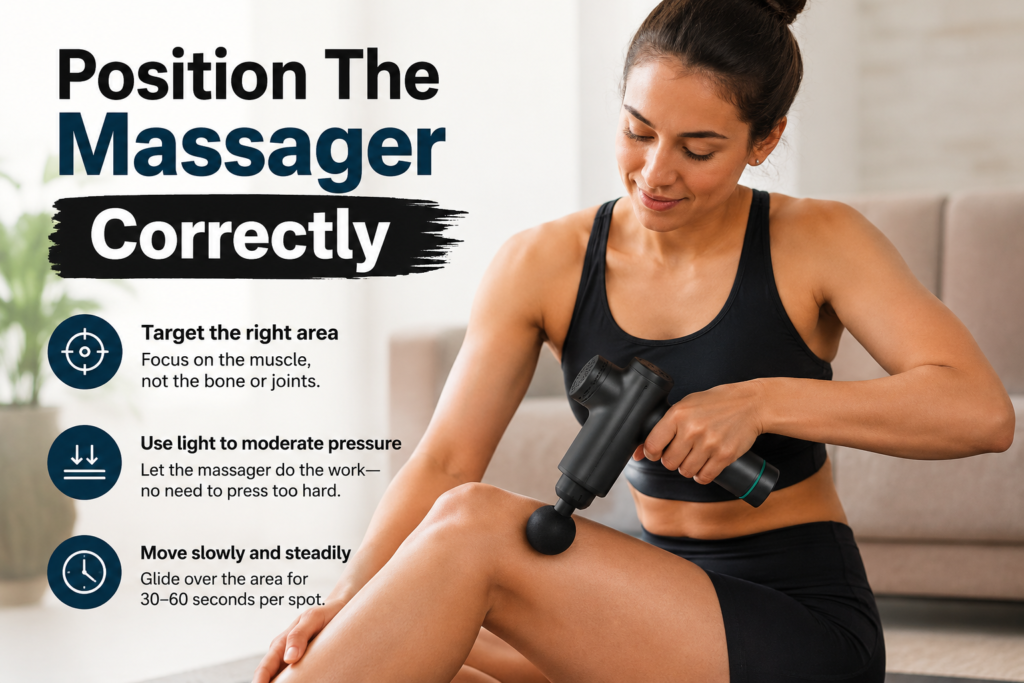
Correct placement keeps the rotating nodes on the muscles instead of the spine, throat, or other sensitive areas. A centered position and light, even pressure help the user control the session and stop quickly if discomfort develops.
Place It Across The Neck And Shoulders
The user should sit upright and place the massager across the upper shoulders, with the rotating nodes resting on the thick muscles beside the neck. The device should not press directly on the spine, throat, jaw, or the front or sides of the neck.
The user can support the massager against a chair or couch while keeping the head in a neutral position. He or she should avoid leaning forward or forcing the neck into the device. If the nodes feel too high, low, or uneven, the user should turn off the massager and reposition it.
| Correct placement | Areas to avoid |
|---|---|
| Upper shoulder muscles | Front of the neck and throat |
| Muscles beside the neck | Direct pressure on the spine |
| Upper back and shoulder blades | Bones, joints, and injured skin |
The massager should remain stable during use. The user should begin with the lowest setting and use short sessions, following the device manual.
Adjust The Handles For Comfortable Pressure
The user can hold or pull the handles gently to guide the massager against the shoulders. The handles should provide control, not force the nodes deeply into the body. Excessive pressure can cause soreness, bruising, or increased muscle tension.
He or she should adjust one handle at a time until both sides feel balanced. The nodes should knead the muscles without pinching the skin or pressing on bones. If the device pulls the head forward, causes sharp pain, or creates numbness or tingling, the user should release the handles and stop.
Heat should remain at a comfortable level and should not cause burning or excessive redness. A session should end immediately if discomfort continues after repositioning.
Set Intensity And Session Length
A shiatsu neck massager should start gently, with pressure increased only when the muscles respond comfortably. Heat and massage time also need gradual limits to reduce the risk of soreness, skin irritation, or discomfort.
Begin With Low Pressure
The user should place the massager on the fleshy muscles beside the neck and across the shoulders. The rotating nodes should not press directly on the spine, throat, or bony areas.
The first session should use the lowest speed or pressure setting for about five minutes. If the pressure feels comfortable, the user can increase it slightly during later sessions. Sharp pain, tingling, numbness, dizziness, or unusual weakness means the device should be stopped immediately.
The user should avoid forcing the massager into a painful spot or adding body weight to increase pressure. Mild tenderness may occur after massage, but strong pain or lasting soreness signals that the setting or session length was too high.
Use Heat Gradually
If the device includes heat, the user should begin with the lowest heat setting or leave heat off during the first few minutes. The warmth should feel gentle, not hot or burning.
The user should check the skin during use, especially if the device presses against one area for several minutes. Heat can feel less intense when clothing covers the skin, so the user should not rely only on reduced sensation.
The user should stop using heat if the skin becomes very red, painful, blistered, or unusually sensitive. People with reduced heat sensation, circulation problems, diabetes, or nerve conditions should ask a health professional before using the heat function.
Follow Recommended Time Limits
Most shiatsu neck massagers work best during short sessions. Unless the product manual gives a different limit, the user should begin with five to ten minutes and avoid exceeding 15 minutes per session.
The user should follow the timer built into the device instead of restarting it repeatedly. A longer session does not necessarily provide more relief and may increase muscle soreness or skin irritation.
| User experience | Suggested starting time | Setting |
|---|---|---|
| First use | 5 minutes | Lowest pressure, no or low heat |
| Comfortable with the device | 10 minutes | Low or moderate pressure |
| Maximum without manual guidance | 15 minutes | Comfortable setting only |
The user should allow the neck and shoulders to rest between sessions. If discomfort continues after use, the device should remain off until the area feels normal.
Target Common Areas Of Tension
A shiatsu neck massager works best on soft muscle tissue, especially around the neck, shoulders, and upper back. Users should start with light pressure, keep sessions brief, and stop if they feel sharp pain, numbness, dizziness, or increased discomfort.
Relieve Upper Trapezius Tightness
The upper trapezius runs from the base of the skull across the top of each shoulder. To target this area, the user should sit upright and place the massager so its nodes rest on the thick muscle between the neck and shoulder. The nodes should not press against the throat or the side of the neck.
The user can lower the shoulders and relax the arms while the device runs at its lowest setting. A gentle head tilt may help the nodes reach different parts of the muscle, but the user should avoid forcing the neck into a stretch. After one to two minutes, the user should check for soreness before continuing.
Heat can make the massage feel more comfortable, but it can also reduce awareness of excessive pressure. The user should follow the device manual and avoid heat on areas with reduced sensation.
Address Shoulder Blade Discomfort
Muscles around the shoulder blades can become tense after long periods of computer use, driving, or phone use. The user should position the massager across the upper back so the nodes contact the muscles beside the shoulder blades rather than the bones themselves.
The user should keep the chest open and avoid hunching forward. Small changes in posture can shift the nodes toward the inner or outer edge of the shoulder blade. The massager should remain on each area for only a short period, usually one to two minutes, unless the manual gives different instructions.
Shoulder blade pain does not always come from muscle tension. Pain that travels down an arm, causes weakness, or follows an injury needs medical assessment instead of stronger massage.
Avoid Direct Pressure On The Spine
The massager should contact the muscles on both sides of the neck and upper back, not the spinal bones in the center. Direct pressure over the cervical or upper-back spine can cause pain and may increase irritation, especially when the rotating nodes press firmly.
The user should adjust the device until the nodes sit on soft tissue. If the device design places pressure directly on the spine, the user should stop using it and check the manual for a safer position. A towel may change the pressure slightly, but it should not replace the manufacturer’s instructions.
The front and sides of the neck also need caution. The user should avoid the throat, the area directly under the jaw, and strong pressure near major blood vessels. Persistent pain or new neurological symptoms require advice from a qualified health professional.
Follow Essential Safety Precautions
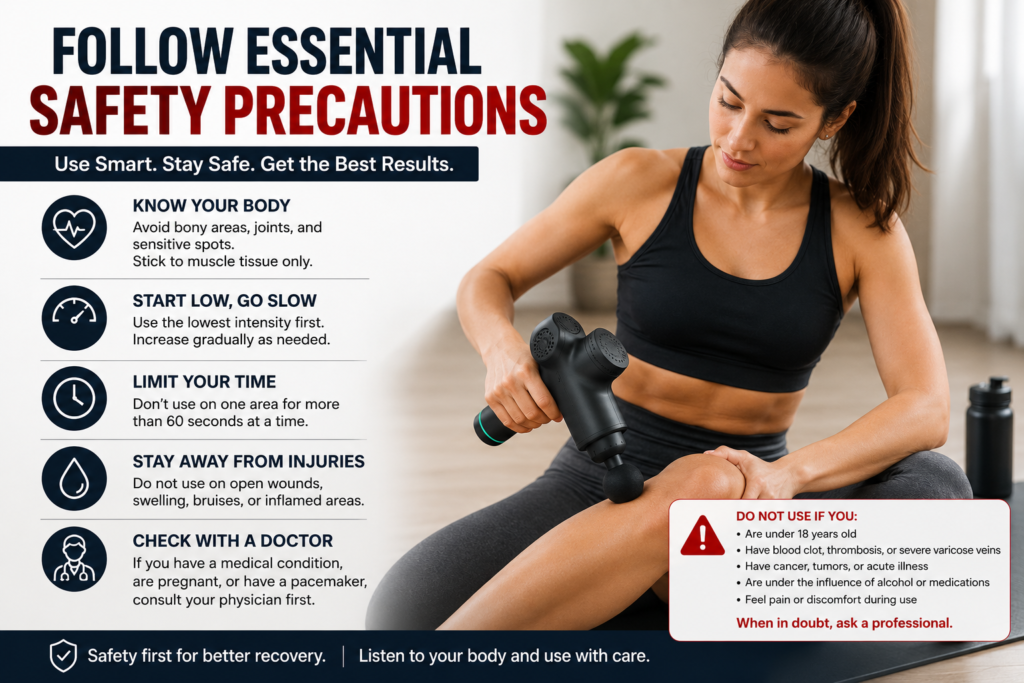
A shiatsu neck massager should provide gentle, controlled pressure without causing pain, numbness, or dizziness. Users should check the device’s instructions, limit each session, keep the massager away from water, and stop use when unusual symptoms appear.
Know When To Avoid Massage
A person should not use a shiatsu neck massager while driving, sleeping, or operating equipment. The device should never touch broken, irritated, swollen, or infected skin. Users should also avoid placing strong pressure directly over the throat, spine, or bony areas.
Massage may be unsafe for people with a recent neck injury, severe pain, reduced sensation, blood-clotting problems, or an implanted electronic device. Pregnant people and those with cancer or other serious illnesses should avoid using the device unless a healthcare professional approves it.
The user should start with the lowest setting and a short session, such as 5–10 minutes. They should stop immediately if they feel sharp pain, tingling, weakness, nausea, faintness, or increased pain. Heat can increase the risk of burns, especially for people with reduced sensitivity.
Consult A Healthcare Professional When Needed
A healthcare professional should review massager use when neck pain follows a fall, crash, or other injury. Medical advice also matters when pain spreads into an arm, causes weakness or numbness, or occurs with fever, severe headache, or trouble walking.
People with diabetes, poor circulation, osteoporosis, arthritis, heart disease, high blood pressure, or a history of blood clots should ask for guidance before using the device. The same applies to anyone taking blood thinners or recovering from surgery.
A clinician can identify conditions that massage may worsen and suggest safer settings or alternatives. The user should follow the device manual as well as medical advice, and should not use massage to delay care for persistent or worsening symptoms.
Clean, Store, And Maintain The Device
Regular cleaning helps keep the massager comfortable and ready for use. Safe storage protects its fabric, controls, and power cord from damage.
Wipe Down The Surface After Use
The user should unplug the massager and let it cool before cleaning. A soft, slightly damp cloth can remove sweat, skin oils, and dust from the outer fabric and handles. The cloth should not be wet enough to release water.
The user should never immerse the device, pour liquid on it, or spray cleaner directly onto the surface. Moisture can damage the motor, controls, or electrical parts. Strong cleaners, bleach, alcohol, and abrasive products may also harm the fabric.
If the massage area becomes damp, the user should allow it to dry fully before putting the device away. The user should check the power cord and hand control for fraying, cuts, or other damage. They should stop using the massager if any electrical part looks damaged.
Store It In A Dry Location
The user should store the massager in its box or another clean, dry, cool place. It should remain away from sinks, heaters, direct sunlight, and areas with high humidity. A dry location helps protect the fabric and internal components.
The user should keep the device away from sharp or pointed objects that could puncture its cover. The power cord should remain loosely arranged rather than wrapped tightly around the massager. Tight wrapping can strain or damage the cord over time.
The user should not hang the device by the hand-control cord. Before storage, they should make sure the massager is unplugged, cool, and completely dry. They should also keep it away from infants and children who could pull on the cord or operate the controls.
FAQs
How long should someone use a shiatsu neck massager?
Most sessions should last about 10–15 minutes, unless the device manual gives different instructions. The user should start with a short session and stop if the area feels sore or uncomfortable.
Should the user apply extra pressure?
No. The massager should rest gently against the neck and shoulders. Extra pressure can increase discomfort or cause bruising, especially when the rotating nodes work on tense muscles.
Can the heat setting be used every time?
Heat can improve comfort, but it should remain at a low or moderate level. The user should check the skin often and stop the heat if it feels too hot, causes redness, or creates irritation.
Where should the device not be placed?
The user should avoid placing the massager directly over the front of the neck, spine, bones, open wounds, or areas with swelling. It should target the muscles beside the neck and across the shoulders.
Who should ask a health professional before using one?
People with a neck injury, nerve symptoms, circulation problems, diabetes, or a blood-clotting condition should seek medical advice first. Pregnant users and people with implanted medical devices should also check with a health professional.
When should use stop?
The user should stop immediately if they feel sharp pain, numbness, dizziness, weakness, or unusual swelling. Persistent neck pain requires assessment by a qualified health professional.
Conclusion
A shiatsu neck massager can help relax tight muscles when a person uses it carefully and follows the device manual. The user should begin with low pressure and a short session, then adjust the setting only if it feels comfortable.
Most sessions should last about 15–20 minutes, unless the manufacturer gives different instructions. Heat can add comfort, but the user should stop if the skin becomes too hot, irritated, numb, or painful.
The user should place the massager on the neck, shoulders, or upper back as directed. It should not be used on broken skin, swelling, or areas with reduced feeling. People with injuries, serious health conditions, or concerns about heat or pressure should ask a health professional before use.
Regular cleaning, safe storage, and careful inspection of the cord help keep the device in good condition. A shiatsu massager supports relaxation, but it does not diagnose or treat a medical problem.