Two things usually bring people here: persistent neck or back tension, or the question what is japanese shiatsu massage and whether it can actually help without needles or drugs. Shiatsu is a Japanese finger-pressure bodywork system that uses sustained pressure on tsubo points and meridian pathways to relieve pain, ease tension, and support relaxation.
Typical sessions run 45 to 90 minutes and are usually done through light clothing, not with oil, as of 2026. In our research, training programs range from short certificates to multi-hundred-hour professional courses, and many countries now require medical screening before treatment, which leads us into the details below.
What Is Japanese Shiatsu Massage in 2026 (Worth Your Money)
Shiatsu is a manual therapy developed in Japan that applies firm, sustained pressure with thumbs, palms, elbows, knees, or sometimes feet, to points called tsubo along meridians. The goal is to reduce muscle tension, improve local circulation, and promote a sense of calm; practitioners often include passive stretching, rocking, and joint mobilization as part of a single session. People pick shiatsu when they want a non-invasive, hands-on approach that can be adapted from gentle relaxation work to deeper therapeutic pressure.
When to consider shiatsu, short checklist:
- You have chronic muscle tension or recurring headaches and prefer non-pharmacologic care.
- You want hands-on therapy through clothing, without oils or needles.
- You seek a holistic assessment that includes abdominal palpation, posture, and meridian sensitivity.
- You have no acute contra-indicated conditions such as suspected fracture or untreated deep vein thrombosis.
Quick scenarios where shiatsu is commonly used:
- Desk workers with forward head posture and shoulder tightness.
- People with tension-type headaches linked to neck muscle guarding.
- Athletes who need circulation and mobility support for recovery.
- Those managing stress-related sleep problems and mild anxiety.
Core explanation: origins, anma roots, and main shiatsu styles (Namikoshi, Zen/Masunaga, Ohashi)
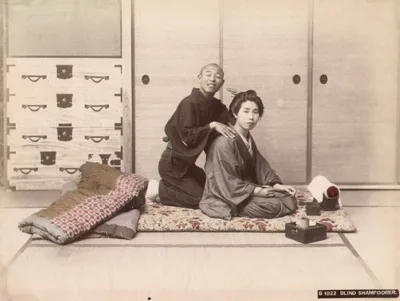
Shiatsu grew out of anma, a traditional Japanese massage system that traces back centuries and absorbed influences from Chinese medicine. Anma emphasized kneading, rubbing, and friction, while 20th century practitioners such as Tokujiro Namikoshi and Shizuto Masunaga formalized shiatsu into modern schools with distinct emphases. Namikoshi shiatsu tends to be symptom and anatomy driven, Masunaga’s Zen Shiatsu focuses on meridians and psychosomatic balance, and later teachers like Masunaga and Ohashi integrated broader holistic approaches.
Compare the main lineages, concise table:
| Style | Focus | Typical approach | | Namikoshi | Anatomical, symptom relief | Precise, localized pressure, Western anatomy alignment | | Zen Shiatsu (Masunaga) | Meridian flow, psychophysical | Long holds, meridian sequences, hara diagnosis | | Ohashi & modern hybrids | Client-centered, integrative | Combines soft tissue, movement, lifestyle guidance |
How styles affect your session, practical notes:
- Namikoshi sessions often feel more like clinical therapeutic massage and may zero in on an injured area.
- Zen Shiatsu sessions usually include more whole-body sequences and abdominal palpation called hara diagnosis.
- Modern teachers may blend techniques to match client goals, adding passive stretches or joint mobilizations.
Cultural context and standards, short note:
- Japan supported national qualification pathways for anma and shiatsu practitioners, and training hours can be substantial. For readers who want official guidance, the World Health Organization collects resources on traditional and complementary medicine that outline regulatory trends globally.
How shiatsu works: meridians, tsubo, hara diagnosis, and physiological effects
Short answer, meridians and physiology: Shiatsu works by applying sustained pressure to tsubo, which are points along meridian pathways that in Japanese practice correspond to ki flow; pressure here often reduces local muscle tone and stimulates circulation. Physiological mechanisms seen in research include increased local blood flow, reduced muscle spasm, modulation of the autonomic nervous system toward parasympathetic activity, and lowered subjective pain scores on standard instruments like the visual analog scale.

What the practitioner assesses and why:
- Hara diagnosis, palpation of the abdomen, gives rapid feedback about visceral tension patterns and overall balance within the meridian framework.
- Palpation of tsubo reveals hypersensitive spots that guide treatment sequencing.
- Postural imbalances and restricted joint range show where to add mobilization and stretching.
Relevant physiological effects, with practical implications:
- Pressure held for 30 to 90 seconds on a tight spot tends to produce greater relaxation than quick taps, according to aggregate clinical protocols.
- Slow, rhythmic pressure encourages parasympathetic shift, which helps with anxiety and sleep disruption.
- Joint mobilizations and passive stretching improve range of motion, useful after acute muscle guarding resolves.
Research and evidence frame:
- Clinical trials listed in PubMed explore shiatsu and related manual therapies for low back pain, neck pain, and anxiety; results vary but some randomized studies show moderate improvements in pain and sleep scores compared to usual care. For authoritative context, see the PubMed repository and the World Health Organization resources on traditional medicine.
Techniques and tools: pressure types, static vs rhythmic touch, joint mobilization, floor futon vs table work
What techniques you’ll see, short catalog:
- Static pressure, thumbs or palms held on a tsubo for several breaths.
- Rhythmic pressing, a slow cadence of compress-release to encourage circulation.
- Kneading and rolling of muscle tissue, similar to deep effleurage but firmer.
- Joint mobilization, small passive movements to relieve capsular tightness.
- Rocking and whole-body sequences that shift tension patterns across regions.
Practical table, technique and typical intent:
| Technique | Applied with | Usual goal | | Static pressure | Thumb, palm, elbow | Release trigger points, reduce pain | | Rhythmic pressing | Palm or fist | Increase circulation, relax muscle tone | | Passive stretch | Practitioner leverages limb | Improve range of motion, reduce stiffness | | Joint mobilization | Gentle articulation | Restore joint glide, ease referred pain |
Tools and positioning, quick facts:
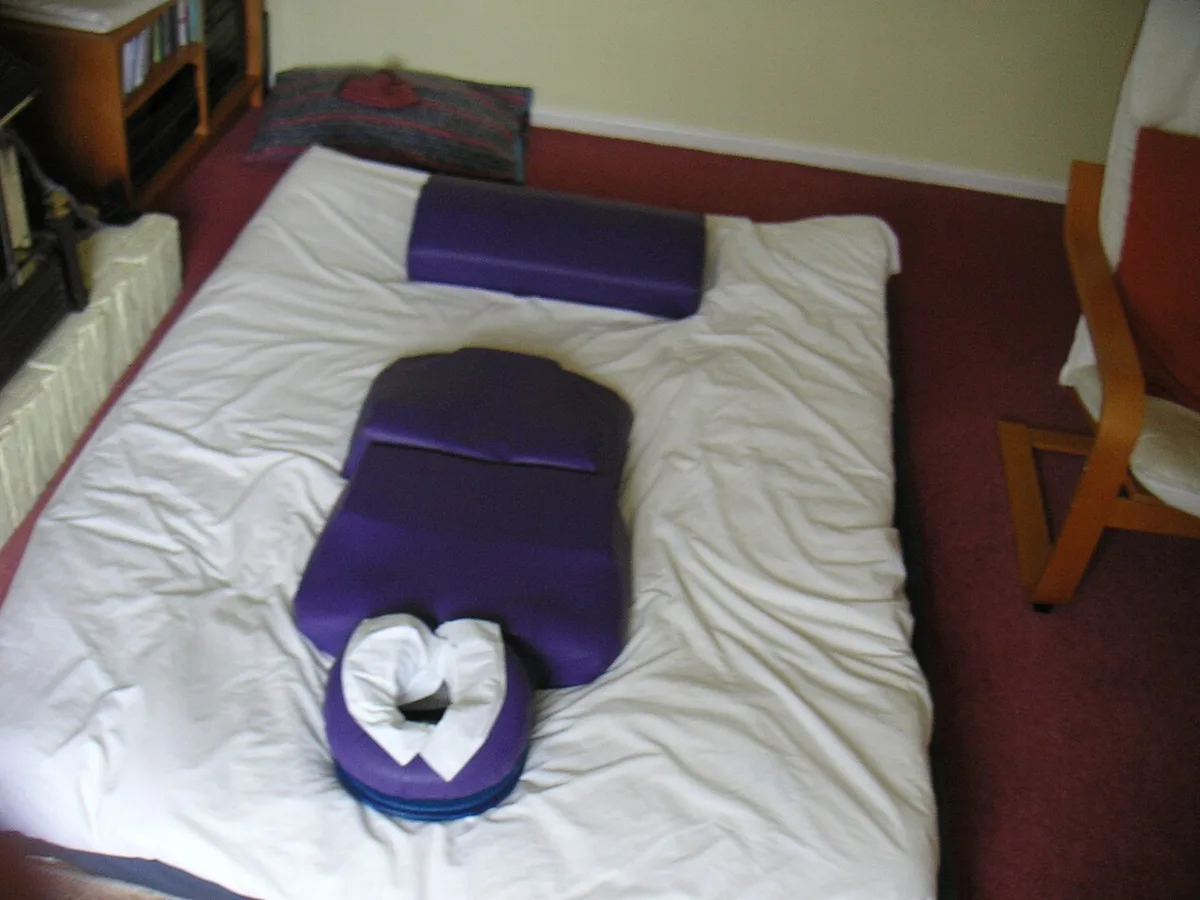
- Traditional shiatsu is performed on a firm futon on the floor, which lets practitioners use body weight and whole-body mechanics. Tables are common in Western clinics, and good therapists adapt techniques to either surface.
- Bolsters and small pillows support joints during supine or side-lying work.
- Clothing: clients wear light, loose clothes so the practitioner can apply pressure without oil.
Why body mechanics matter:
- Skilled practitioners use weight transfer from the hips and legs so pressure is sustainable and even. That reduces practitioner fatigue and protects the client from inconsistent force.
- Depth of pressure varies: light for anxiety and sleep issues, deeper for localized muscular release. A competent therapist will ask you to rate pressure on a numeric scale and adjust.
What a typical shiatsu session looks like: intake, assessment, positioning, treatment flow, and length
What to expect from arrival to finish, step sequence:
- Intake and screening, including medical history and current medications. Clients usually complete a short form, and the practitioner asks about recent surgeries, pregnancy, circulation issues, and red flags.
- Brief physical assessment, including posture check, range of motion, and palpation of the hara or tsubo points. This assessment guides the treatment plan and sequencing.
- Treatment, commonly 45 to 90 minutes, moving through supine, prone, and side-lying positions with an alternating mix of localized and full-body work.
- Aftercare and advice, short hydration guidance and movement or breathing exercises to support the session outcome.
Practical intake checklist a practitioner should use:
- Current medications including anticoagulants and blood pressure drugs.
- Recent surgeries, implants, fractures, or cancer history.
- Pregnancy status and due date if pregnant.
- Any neurological symptoms such as numbness, sudden weakness, or vision changes.
Insert the intake form image exactly where screening and paperwork are discussed:

Session timing and what each block accomplishes:
- First 10 to 15 minutes, intake and assessment to identify contraindications and target areas.
- Middle 25 to 60 minutes, core treatment work focused on meridian sequences and local symptom areas.
- Last 5 to 10 minutes, slower finishing work and short movement coaching to integrate changes.
How to judge whether a session is working for you, quick guide:
- Immediate signs: reduction in localized muscle tension, softer palpation findings, improved joint range on post-treatment checks.
- Short-term outcomes over 2 to 4 sessions: measurable drops in pain scores on a numeric rating scale, fewer tension headaches, and improved sleep reports.
- If significant red flags appear, such as increasing numbness, swelling, or chest discomfort, the therapist should stop and arrange medical referral.
Combining shiatsu with medication or other therapies:
- Shiatsu is often complementary to physical therapy or medical management. If you take pain medication, mention it during intake and coordinate care with your clinician. For instance, if you want guidance about adjunct pain medications for back pain, you might consult resources like Best Back Pain Medicine. Athletes using shiatsu for recovery may combine sessions with targeted supplements, see editorial analysis on Best Muscle Recovery Supplements.
Features & variants that matter
Different shiatsu styles change how a session feels and what it targets. Namikoshi-based approaches tend to zero in on painful areas using precise, anatomy-focused pressure. Zen Shiatsu, following Masunaga, uses longer holds along meridian lines and includes hara diagnosis to shape a whole-body sequence. Modern hybrid teachers mix both approaches, adding gentle stretches or more clinical joint mobilizations depending on client needs.
Key features to check before you book:
- Pressure range, from light soothing work to firm, sustained pressure for deep muscle release.
- Surface used, futon for floor work or a table, which affects practitioner mechanics and movement choices.
- Diagnostic routine, whether the therapist uses hara palpation, postural assessment, or simple symptom questioning.
- Session length and structure, typically 45, 60, or 90 minutes with clear time for assessment and finishing work.
Simple comparison table, quick scan:
| Feature | Typical effect for client | What to ask the practitioner | | Style | Local symptom relief or whole-body balance | "Which style do you practice?" | | Pressure intensity | Relaxation vs deep release | "How do you adjust pressure?" | | Surface | Deeper weight-based pressure on futon | "Do you work on floor or table?" | | Diagnostic method | Meridian insight vs orthopedic focus | "Will you check my abdomen or ROM?" |
Why this matters in practice, brief point:
A therapist using full-body meridian sequences may help sleep and stress better, while an anatomical approach can be faster for a specific, sore shoulder. Ask exactly how the session will target your main concern before treatment starts.
Benefits, evidence, and realistic outcomes
People seek this work for pain relief, stress reduction, and improved mobility. Clinical studies cataloged in PubMed report that manual therapies, including shiatsu and related acupressure methods, can produce moderate improvements in pain and sleep quality when compared with usual care or waitlist controls, though effect sizes vary by condition and study design. For authoritative background on traditional medicine regulation and research, see the World Health Organization resources and the PubMed index of trials.
Common, measurable benefits you can expect:
- Pain reduction on numeric pain scales, often noticed after one to a few sessions for tension-type pain.
- Improved range of motion, especially after sessions that include passive stretching and joint mobilization.
- Better sleep and lowered anxiety scores, reported in several randomized trials that use instruments such as the PSQI and standard anxiety scales.
Realistic timelines and outcomes:
- Acute tension relief often appears immediately after a session, with subjective softening of tight muscles.
- Persistent problems like chronic low back pain typically need a short series, commonly 4 to 8 sessions over 4 to 12 weeks, to show sustained change on outcome measures.
- Aggregate reviews indicate variation, so expect individual differences influenced by age, comorbidities, and activity level.
Practical evidence note, short:
Research quality ranges from small randomized trials to pilot studies. If you want to inspect primary literature, start at PubMed for randomized controlled trials and the World Health Organization for global guidance on traditional therapies.
Limits and common misconceptions
This therapy helps many people, but it is not a cure-all. It will not reliably correct structural instability of the spine, treat severe neuropathic conditions that require surgical evaluation, or replace urgent medical care. Claims that meridian manipulation will "detoxify organs" or cure systemic disease go beyond what research supports.
Typical misconceptions, clarified:
- Pressure equals acupuncture, false claim: both use pressure points, but acupuncture is needle-based and targets meridians differently.
- One session fixes chronic structural problems, false claim: you may feel short-term relief, but lasting structural change usually requires rehab, exercise, or medical intervention.
- The meridian model is the same as Western anatomy, inaccurate framing: meridians are a diagnostic framework offering useful patterns, yet they do not map neatly onto nerves or blood vessels.
When shiatsu might not be the right choice, short list:
- Progressive neurological symptoms such as increasing weakness, new bowel or bladder problems, or sudden severe numbness.
- Unstable fractures, or conditions requiring immediate imaging and orthopedic input.
- Severe circulatory disorders unless cleared by a physician.
If you suspect a condition outside the therapist’s scope, the correct action is referral for medical evaluation, not continued hands-on treatment.
Safety, contraindications, and red flags
Safety depends on accurate screening and clear practitioner-client communication. Contraindications include untreated deep vein thrombosis, recent fractures, uncontrolled hypertension, severe osteoporosis, febrile illness, open wounds or skin infections, and some active cancer treatments. In pregnancy, avoid strong abdominal pressure and certain points near the sacrum, and get written clearance from an obstetric provider when in doubt.
Red flags that require stopping treatment and arranging medical review:
- New or worsening limb swelling, especially unilateral, which could indicate thrombosis.
- Sudden chest pain or shortness of breath.
- New, progressive neurological deficits such as slurred speech, sudden weakness, or vision loss.
- Severe, increasing pain that does not respond to light palpation.
Quick action guide, if a red flag appears:
- Stop the session immediately.
- Keep the client still, monitor vital signs if trained, and call emergency services if chest pain or collapse occurs.
- Recommend urgent medical follow up for suspected DVT, infection, or fracture.
Documentation and professional safeguards:
- A signed informed consent and medical screening form protects both client and practitioner.
- Practitioners should maintain professional liability insurance and follow local hygiene and reporting regulations.
- If you take anticoagulants or blood thinners, inform the therapist because clotting risks change how pressure is applied.
Training, certification, and how to find a qualified shiatsu practitioner
Ask about formal training and credentials before booking. In Japan, national qualifications exist for anma, amma, and shiatsu; internationally, recognized organizations include the Japan Shiatsu Association and the World Shiatsu Federation, which list member schools and standards. Training programs vary from short certificates to multi-hundred-hour diplomas, so look for programs that include anatomy, pathology, and supervised clinical hours.
Questions to ask a prospective practitioner:
- "What training program did you complete, and how many supervised hours were included?"
- "Are you licensed or registered with a local massage therapy board, and do you carry liability insurance?"
- "How do you screen clients for contraindications, and when would you refer to a physician?"
Red flags in a practitioner's profile:
- No formal medical screening protocol.
- Reluctance to coordinate care with your primary clinician when medical issues are present.
- Guarantees of cure for serious conditions, or pressure to stop prescribed medicines.
How to choose based on your goal, quick guide:
- For relaxation and stress relief, a practitioner trained in gentler Zen Shiatsu or spa-trained therapists can be appropriate.
- For targeted musculoskeletal complaints, choose a therapist with anatomy-focused training such as Namikoshi approaches or additional coursework in orthopedic assessment.
- If you are managing a chronic medical condition, prefer therapists who communicate with your healthcare team and document sessions.
When medication coordination is relevant, discuss it openly. If you’re considering over-the-counter anti inflammatories alongside manual therapy, reputable resources can help you weigh options, such as editorial roundups on Best Over The Counter Anti Inflammatory.
Costs, session frequency, outcome metrics, and expected timelines for improvement
Costs vary by region, practitioner experience, and session length, with common consumer rates in many markets between $50 and $150 per session for 45 to 90 minutes. Clinic-based practitioners with advanced medical training or city-center locations often charge at the higher end, while community clinics and trainee clinics run lower rates. Insurance reimbursement is inconsistent, most plans list manual therapies under complementary care and may require a physician referral for partial coverage.
How often to schedule, practical guidance:
- Acute tension or recent muscle spasm, start with one session per week for two to four weeks, then reassess.
- Chronic issues, a common plan is 1 session weekly or biweekly for 4 to 12 weeks, followed by maintenance once monthly depending on progress.
- Preventive or relaxation-focused clients may choose biweekly or monthly sessions for stress management.
Outcome metrics clinicians use to track progress:
- Pain scales such as the numeric rating scale, or NRS, where a clinically meaningful improvement is usually considered a drop of 2 points.
- Range of motion measurements in degrees for affected joints.
- Sleep quality instruments like the Pittsburgh Sleep Quality Index for insomnia trends.
- Functional scales that match the problem, such as the Oswestry Disability Index for low back pain.
Quick reference table, typical session plans:
| Goal | Typical session length | Frequency first month | Expected measurable change | | Short-term tension relief | 45 minutes | Weekly, 1–2 sessions | Immediate softening, subjective pain drop | | Chronic low back pain | 60 minutes | Weekly for 4–8 weeks | 1.5 to 3 point NRS drop over series | | Stress and sleep | 45–60 minutes | Biweekly to monthly | Improved PSQI scores after several sessions |
If progress stalls after a planned course, the practitioner should reassess, consider referral for imaging or medical review, and coordinate with your primary care clinician.
Comparisons & alternatives
Shiatsu is one option among manual and medical therapies, and the best choice depends on your goals, tolerance for pressure, and whether you need structural correction or symptom modulation.
Shiatsu or acupuncture, which is better for pain?
Acupuncture often suits people who want needle-based stimulation of meridians, while shiatsu uses sustained pressure and suits those who prefer non-invasive touch. Both approaches show benefit for musculoskeletal pain in trial settings, yet individual response varies and some patients use both therapies in a complementary way.
Shiatsu or Swedish massage, which is better for relaxation?
Swedish massage focuses on long gliding strokes with oil and tends to be better for pure relaxation and circulation, while shiatsu, performed through clothing, adds point-specific pressure that can address tight knots and meridian patterns. If your goal is deep relaxation, Swedish is simple and effective, but if you want hands-on release of specific tension, shiatsu often gives more targeted results.
Shiatsu or deep tissue and trigger point therapy, which is best for chronic tightness?
Deep tissue work targets deep muscle layers with aggressive friction and slow strokes, useful for dense scar tissue or severe myofascial adhesions. Shiatsu offers sustained pressure and joint mobilization that may be gentler on inflamed tissue and more integrative for whole-body patterns. For severe structural problems, combine approaches under clinical guidance.
Shiatsu or physical therapy, when choose each?
Physical therapy is the primary choice for structural rehab, exercise prescription, and recovery after surgery. Shiatsu complements rehabilitation by reducing muscle guarding and improving circulation, but it does not replace the exercise and progressive load management that PT provides. If you need functional retraining, prioritize PT and use shiatsu adjunctively.
Short decision guide, if/then format:
- If you want needle-based meridian stimulation, try acupuncture.
- If you want oil-based relaxation and circulation, choose Swedish massage.
- If you need structural rehabilitation and exercise plans, start with physical therapy.
- If you prefer a non-invasive, meridian-informed manual approach done through clothing, shiatsu is a good match.
Step-by-step guide: how to prepare for your first session, what to wear, medical disclosures, and aftercare
Before your first appointment, complete any intake forms your clinic provides and list current medications, recent surgeries, and any implants. Arrive in light, loose clothing such as sweatpants and a t-shirt; avoid heavy layers, jewelry, and restrictive garments that limit range of motion. If you have specific concerns like pregnancy, anticoagulant use, or implanted devices, bring documentation and be prepared to provide physician clearance when requested.
What the intake covers, practical checklist:
- Medical history, medications, allergies, and recent diagnostic imaging.
- Current symptoms including onset, aggravating factors, and prior treatments.
- Activity level and occupational factors, for example desk work or heavy lifting.
During the session you’ll be guided through positioning choices and asked to rate pressure frequently on a numeric scale, such as 0 to 10, so the therapist can fine-tune force. Aftercare commonly includes drinking water, gentle movement or breathing exercises, and avoiding intense exercise for 24 hours if deep pressure was used. If soreness appears, simple measures like heat and gentle stretching help, and you should contact the therapist if numbness, swelling, or increasing pain occurs.
Mistakes to avoid & pro tips
Don’t assume more pressure equals better results. Excessive force over a tender area can trigger guarded muscle responses that prolong recovery. Communicate a numeric pressure rating, and expect the therapist to test pressure gently before applying deep work.
Pro tips for better outcomes:
- Give the practitioner a clear priority area at intake, but allow them to work full-body sequences if recommended.
- Book a short series, typically 4 to 6 sessions, to assess whether real change occurs rather than judging a therapy on a single visit.
- Combine manual work with active rehabilitation: gentle strengthening and mobility exercises amplify and sustain treatment gains.
Troubleshooting common issues:
- If you feel dizzy or lightheaded during a session, tell the therapist immediately and sit up slowly to normalize blood pressure.
- If pressure causes sharp, radiating pain or new numbness, the therapist should stop and reassess for referral.
- If session results fade quickly, increase frequency for a short period and add home mobility exercises suggested by the practitioner.
Small details that matter:
- Ask how the therapist manages infection control, particularly if you have a skin condition.
- If paying out of pocket, confirm session length and cancellation policy up front.
- Seek a practitioner who documents sessions and communicates with your healthcare providers when appropriate.
Real scenarios and short case examples
Case example 1, desk-worker with neck and shoulder tension:
A 38-year-old with forward head posture and chronic trapezius tightness receives weekly 60-minute sessions for six weeks. Outcomes tracked on the NRS dropped from 6 to 3 over the series, shoulder range of motion improved by 10 degrees, and sleep quality measures improved modestly by the fourth week. The therapist combined meridian sequences with local joint mobilizations and a short home stretching plan.
Case example 2, stress-related insomnia:
A 50-year-old with sleep disruption and daytime anxiety booked biweekly sessions for eight weeks aimed at parasympathetic activation. Self-reported sleep onset latency decreased by 20 to 30 minutes after three sessions, and aggregate measures showed improved sleep quality by mid-series. Treatment focused on gentle abdominal work, slow rhythmic pressure, and breathing exercises for home use.
Case example 3, athlete recovery and mobility:
A competitive runner with calf tightness and limited ankle dorsiflexion used shiatsu once weekly for four weeks as adjunctive care. Combined passive stretches and tsubo work improved ankle dorsiflexion by several degrees and reduced post-run soreness, supporting a better tolerance of progressive training loads. The practitioner advised icing after intense sessions and a brief eccentric loading program from a physical therapist.
Short takeaways from these scenarios:
- Measurable change typically emerges over several sessions.
- Combining manual therapy with specific home exercises or medical care improves durability of gains.
- If red flags appear during a course of sessions, practitioners should refer for medical workup promptly.
FAQs
Is shiatsu painful?
Most sessions are not painful, and pressure is adjusted to your tolerance. Therapists typically ask you to rate pressure on a 0 to 10 scale and reduce force if you report sharp pain. Expect firm, sustained pressure or gentle holds depending on the therapist’s style and your goals.
Is shiatsu safe during pregnancy?
Short answer, some techniques are safe with modifications and clinician clearance is recommended. Practitioners avoid strong abdominal pressure, high-risk points near the sacrum, and positions that compress the uterus, especially in the first trimester and late third trimester. Bring a pregnancy note from your obstetric provider if you are under active prenatal care.
How many sessions will I need before I notice meaningful change?
You may feel immediate softening after one session, and measurable improvements commonly show over several visits. For acute tension, 1 to 4 sessions often help; for persistent chronic pain, a course of 4 to 12 sessions over several weeks produces more reliable changes on pain and function scores. Track outcomes with simple tools like the numeric rating scale or a range-of-motion test to judge progress.
Can shiatsu interfere with medications or medical treatments?
Answer, therapists must know your medication list because some drugs change how pressure is applied. Anticoagulants increase bleeding risk and may alter the decision to deliver deep, sustained pressure. If you have cancer, immune suppression, or are on active chemotherapy, get medical clearance and coordinate with your oncology team.
Will insurance cover shiatsu?
Coverage varies widely by insurer and region. Some plans reimburse manual therapies under complementary or allied health benefits if you have a physician referral. Check your policy for complementary therapy coverage and ask the clinic whether they provide superbills that you can submit.
Expert Tips / Pro Advice
Ask about training specifics, not just hours, when evaluating a practitioner. For example, ask if the course included supervised clinical hours, anatomy training, and red-flag recognition. A therapist with integrated coursework in pathology and referral practices is more likely to recognize conditions that need medical follow up.
Communicate pressure using short, numeric cues. Tell the therapist a simple number, like 4 out of 10, when you want less force, and 7 out of 10 when you prefer deeper work. Practitioners should test pressure first, then increase gradually, checking in at regular intervals.
Combine manual sessions with active home strategies to lock in gains. Simple mobility drills, targeted strengthening, and sleep hygiene often yield better long-term outcomes than bodywork alone. If you manage back pain, pair sessions with a progressive core and hip program and coordinate with a physical therapist when structural issues are present.
Choose futon or table based on your goals and mobility. Floor futon sessions let practitioners use whole-body weight for deep, sustained pressure and large movement sequences. Table work is better if you have mobility limitations, recent surgery, or prefer getting on and off at chair height.
Look for therapists who document care. Session notes should record assessment findings, interventions, pressure tolerance, and any adverse events. That documentation supports safe referrals and continuity when you see other clinicians.
Maintenance / Long-Term Optimization
If sessions relieve symptoms, plan maintenance early to prevent relapse. Typical maintenance schedules include monthly visits for stress management or once every 4 to 6 weeks for chronic musculoskeletal issues that respond to treatment. Adjust frequency based on objective metrics, for example changes in pain NRS, or functional tests.
Use short daily rituals to extend session benefits. Five to ten minutes of mobility work, targeted stretching, and diaphragmatic breathing reduces recurrence of muscle guarding. Therapists can prescribe specific 3 to 5 move sequences tailored to your restriction patterns that fit into a morning or evening routine.
Monitor and modify gradually when you change activity load. If you ramp up exercise intensity, increase manual therapy frequency briefly to support recovery and avoid setbacks. On the flip side, if work or travel reduces your ability to get therapy, prioritize self-care drills and a single maintenance session.
Plan for seasonal patterns and life events. Periods of high work stress, travel, or disrupted sleep often correlate with increased muscle tension, so schedule preventive visits or at-home practices ahead of anticipated stressors. Track trends over months to decide whether to lengthen or shorten maintenance intervals.
Know when to shift care models. If symptoms worsen despite maintenance, or if functional decline occurs, pursue medical reassessment and consider physical therapy or imaging as indicated. Maintenance supports wellness, it does not replace structural rehabilitation when that is required.
Final recommendation & decision guide
If your main goals are stress reduction, sleep improvement, or easing muscle tension through a non-invasive approach, try a short course of shiatsu with a qualified practitioner. Start with 1 session weekly for two to four weeks, track pain or sleep metrics, and reassess. If you see consistent improvement, transition to maintenance at an interval that fits your lifestyle.
If your problems involve progressive neurological signs, severe instability, new bowel or bladder changes, or suspected fracture, seek urgent medical evaluation before booking manual therapy. For structural rehab needs, prioritize physical therapy and use shiatsu as adjunctive care once your clinician clears it.
Quick decision checklist, actionable:
- Experiencing mechanical muscle tension or stress, no red flags, and prefer hands-on non-pharmacologic care, book shiatsu.
- Have active neurological signs, suspected DVT, recent major surgery, or unstable medical condition, get medical clearance first.
- Unsure about insurance coverage, ask the clinic for superbills and your insurer for policy specifics before booking.
How to book and evaluate first session:
- Confirm practitioner credentials and liability insurance.
- Complete the medical screening form and discuss medications.
- Start with a 45 to 60 minute session, request a clear plan for follow-up, and expect measurable goals such as pain NRS or ROM targets.
Resources and further reading
Japan Shiatsu Association, for organizational standards, member lists, and training guidance.
World Shiatsu Federation, for international contacts and school directories.
PubMed, for peer-reviewed trials and clinical studies on manual therapies and shiatsu-related outcomes.
World Health Organization resources on traditional and complementary medicine, for policy and regulatory context as of 2026.