You usually cannot reverse osteoarthritis, but you may be able to slow how quickly it gets worse by staying active, strengthening the muscles around the joint, managing body weight, improving daily movement habits, and using simple recovery tools like heat and gentle massage to reduce stiffness and support better mobility.
Osteoarthritis can make everyday movement feel harder. Stairs hurt more. Standing up feels slower. Joints get stiff after sitting. Even sleep can get uncomfortable.
I’m Ethan Caldwell, and I’ve spent years testing massage tools, recovery products, and pain relief methods. I focus on simple, practical advice that helps people feel better and recover faster at home.
In this guide, I’ll walk you through what may actually help slow osteoarthritis, what tends to make it worse, and which massage and recovery tools can fit into a smart home routine.
Quick Answer
The best way to slow osteoarthritis is to keep the joint moving without overloading it. That usually means low-impact exercise, strength work, weight control, better posture, supportive footwear, and using heat or gentle massage to reduce stiffness so movement feels easier and more consistent.
What Is Osteoarthritis and Why Does It Matter?
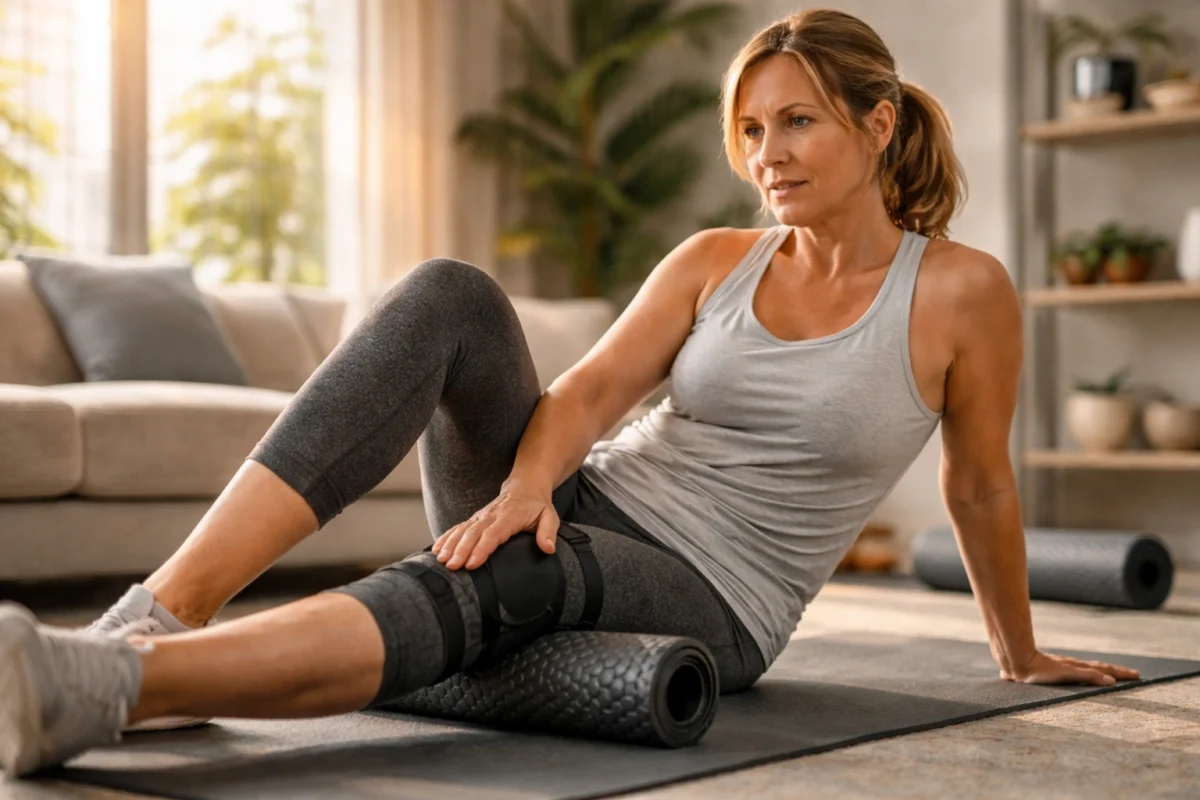
A simple explanation of cartilage wear and joint stress
Osteoarthritis is the most common type of arthritis. It happens when the protective cartilage inside a joint breaks down over time. That can lead to pain, stiffness, swelling, and reduced range of motion.
It often affects the knees, hips, hands, feet, shoulders, and spine. Many people first notice it as morning stiffness, pain after activity, or aching after sitting too long.
Why stiffness, weakness, and posture problems can make it feel worse
The joint itself is only part of the problem. When the muscles around a joint get weak, tight, or sore, the area usually feels worse. Poor posture, bad movement habits, and long periods of sitting can increase stress on already irritated joints.
That is why slowing osteoarthritis is not only about pain relief. It is also about supporting the way the whole area moves.
How Osteoarthritis Progresses
Joint wear, muscle tension, and limited mobility
Osteoarthritis often becomes more frustrating when a joint gets stiff and the surrounding muscles stop doing enough work. As movement becomes uncomfortable, many people move less. That can lead to tighter soft tissue, weaker support muscles, and more limited mobility.
The role of inflammation, overuse, and poor movement habits
Overuse strain, old injuries, excess body weight, poor posture, and repetitive stress may all add to joint irritation. Even daily habits like sitting for long hours, wearing unsupportive shoes, or skipping recovery time can make symptoms harder to manage.
Why staying still too much can backfire
Rest is useful during a flare-up, but too much rest often makes osteoarthritis feel worse. Gentle, regular movement may help keep the joint less stiff, support circulation, and reduce the feeling that everything tightens up after inactivity.
How to Slow Osteoarthritis Step by Step
Maintain a joint-friendly activity routine
Movement is one of the most helpful long-term habits. The trick is to choose activities your joints tolerate well. Walking, stationary cycling, swimming, and water exercise are common options because they support mobility without as much pounding.
If longer sessions bother your joint, shorter sessions often work better. A few 10-minute walks may feel better than one long walk.
Build strength around the joint
Strong muscles help support the joint and reduce how much stress lands directly on it. This matters most for the knees, hips, shoulders, and lower back.
Simple strength exercises may include:
- Chair stands
- Wall-supported squats with shallow depth
- Step-ups
- Glute bridges
- Resistance band rows
- Leg raises
The goal is not hard-core training. The goal is better support and steadier movement.
Use gentle mobility and stretching work
Mobility work can help reduce stiffness and improve how the joint feels during daily tasks. Gentle stretching may also help if tight muscles are adding pressure around the painful area.
This often helps when you have:
- Knee stiffness with tight quads or calves
- Hip discomfort with stiff hip flexors
- Shoulder osteoarthritis with limited reaching
- Hand stiffness that makes gripping harder
Go slow. Avoid forcing a stiff joint into sharp pain.
Manage body weight if needed
If you are carrying extra body weight, even a modest change may help reduce daily load on weight-bearing joints like the knees and hips. It does not need to be dramatic to be useful.
Improve posture and daily ergonomics
This is one of the most overlooked parts of joint care. Bad sitting posture, poor desk setup, and standing in the same position too long can all increase stress on the neck, back, hips, and knees.
If you sit for work, stand up often. Shift positions. Keep your screen at eye level. If you stand a lot, use supportive shoes and take short breaks when possible.
Use heat, massage, and recovery tools wisely
Heat can be great for stiffness. Massage may help tight muscles around an arthritic joint. A simple home recovery routine can make it easier to move more comfortably, which is often what matters most.
Good examples include:
- A heating pad in the morning
- Compression gloves for hand stiffness
- A gentle handheld massager for surrounding muscles
- A short mobility routine before walks or chores
Wear supportive footwear or braces when helpful
Supportive shoes, inserts, knee sleeves, or wrist supports may help some people feel steadier and more comfortable during daily movement. These tools are not a cure, but they can support better habits.
Stick to a consistent long-term routine
The people who usually do best are not the ones chasing perfect routines. They are the ones doing simple things consistently. Daily walking, gentle strength work, mobility, and smart recovery often do more than random bursts of effort.
How It Works: Why These Habits May Help
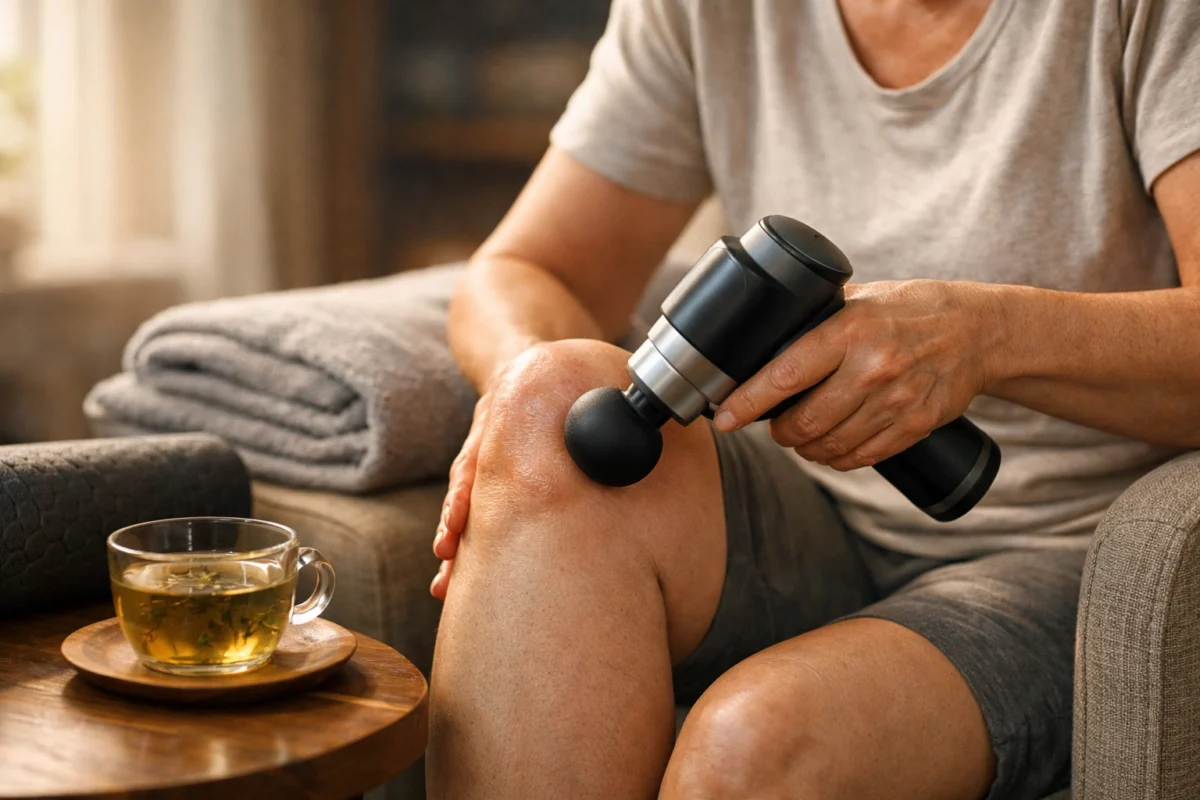
Better movement supports joint function
When you move regularly, joints often feel less stiff. Gentle exercise may also help maintain flexibility, support circulation, and make the muscles around the joint more useful during daily activity.
Stronger muscles reduce stress on painful joints
If the surrounding muscles are stronger, they can absorb more load. That may help take pressure off the joint itself, especially in the knees and hips.
Heat and massage can make movement easier
Heat often works well before movement because it can reduce that stiff, slow feeling. Massage can help calm down muscle tightness and trigger points around an irritated joint. That does not fix cartilage, but it may help you move with less resistance.
Best Exercises and Recovery Methods for Osteoarthritis
Walking, cycling, water exercise, and light strength work
If you want a simple place to start, these are usually the most practical options:
- Walking for daily movement
- Stationary bike for smooth joint motion
- Water exercise for lower-impact movement
- Resistance bands for light strength work
- Chair exercises for seniors or limited mobility
Heat therapy, self massage, and recovery support
Recovery support matters too. If a joint feels stiff before movement, heat often helps more than doing nothing. Gentle self massage may also help if the bigger issue is muscle tightness around the joint rather than direct joint irritation.
For example, with knee osteoarthritis, I usually prefer to work on the quads, calves, and hamstrings instead of pressing hard directly on the kneecap area.
What works well for seniors, office workers, and active adults
| Who It Is For | Common Problem | What Often Helps |
|---|---|---|
| Seniors | Morning stiffness and reduced mobility | Heat, short walks, chair exercises, gentle stretching |
| Office workers | Hip, back, and knee stiffness after sitting | Frequent movement breaks, posture support, walking, mobility work |
| Active adults | Pain after workouts or overuse strain | Lower-impact cardio, recovery days, light strength work, heat |
Does Massage Help Osteoarthritis?
What massage can and cannot do
Massage does not rebuild cartilage. But it may help reduce muscle tension, stiffness, and soreness around an arthritic joint. That can make movement feel easier, and better movement is one of the most important parts of long-term joint care.
Many people find massage most helpful when osteoarthritis comes with chronic tightness, bad posture, stress tension, or trigger points in nearby muscles.
Safe self massage techniques for tight muscles around the joint
Here is a simple way to use self massage more safely:
- Use light to moderate pressure.
- Work on the muscles around the joint instead of pressing hard directly on the joint.
- Spend 30 to 60 seconds on one sore spot at a time.
- Stop if you feel sharp pain, tingling, or increased swelling.
- Follow the massage with gentle movement.
A tennis ball against the wall can work for hips and shoulders. A gentle handheld massager may help the quads, calves, upper back, or forearms. Compression gloves may feel helpful for hand stiffness during chores or desk work.
When massage tools may help and when to avoid strong pressure
Massage tools may help when the real problem is tight muscles, poor circulation, soreness, or chronic tension around the joint. They are less useful when you use them too aggressively on a swollen or very tender joint.
If you are thinking about a massage gun, be careful. It may feel good on the muscles around the area, but strong percussion directly over a painful arthritic joint is often too much.
For more on osteoarthritis basics, symptoms, and self-care, you can review Cleveland Clinic’s osteoarthritis guide, Mayo Clinic’s osteoarthritis overview, and NIAMS guidance on osteoarthritis treatment and steps to take.
Common Problems and Fixes
| Problem | What It Feels Like | What May Help |
|---|---|---|
| Morning stiffness | Joints feel tight and slow after waking up | Heating pad, warm shower, gentle range-of-motion work |
| Pain after sitting | Aching knees, hips, or back when standing up | Movement breaks, posture changes, short walks |
| Swelling after activity | Joint feels irritated later in the day | Reduce load, use compression support, pace activity better |
| Tight muscles around the joint | Pulling, soreness, or trigger points nearby | Gentle massage, heat, stretching, mobility work |
| Limited range of motion | Difficulty bending, reaching, or moving smoothly | Daily mobility work, light strength training, gradual practice |
Best Tools and Products That May Help at Home
These tools will not cure osteoarthritis. But the right one may help you stay more comfortable, move more often, and stick with a better recovery routine.
Heating pad
A heating pad is one of the simplest tools for osteoarthritis stiffness. I like it most for knees, lower back, shoulders, and hands before movement or before bed.
Sunbeam Heating Pad
A simple option that may help ease stiffness before walking, stretching, or bedtime.
Compression support
A light sleeve, glove, or brace can be useful if you want a little extra support during daily movement. Some people find it helpful for walking, chores, or standing longer.
ComfiLife Knee Brace or Compression Sleeve
May help provide light support and comfort during walking, errands, or housework.
Gentle handheld massager
I prefer gentler recovery tools over aggressive pounding for osteoarthritis. A handheld massager may help when the muscles around the joint are more of the issue than the joint itself.
RENPHO Handheld Deep Tissue Massager
Useful for quads, calves, shoulders, and upper back when stiffness is coming from surrounding muscles.
Massage Tools vs Recovery Basics: What Works Best?
| Option | Best For | Pros | Limitations |
|---|---|---|---|
| Heating Pad | Stiff joints and morning tightness | Easy to use, relaxing, great before movement | Mostly short-term relief |
| Massage Gun | Tight muscles near the joint | Can help soreness and muscle tension quickly | Usually not ideal directly on painful joints |
| Compression Brace or Sleeve | Walking, standing, light daily support | May improve comfort and confidence | Supportive, but not a complete solution |
| Mobility and Strength Work | Long-term joint support | Most helpful for function and daily movement | Needs consistency to work well |
Best option for knee pain
For knee osteoarthritis, I would usually start with walking tolerance, light strength work, supportive shoes, and a heating pad. A knee sleeve may also help during daily activity.
Best option for hand stiffness
Heat and compression gloves are usually more practical than a massage gun. Short hand exercises and gentle finger movement often help too.
Best option for sore muscles around an arthritic joint
If your quads, calves, glutes, or shoulders feel tight from compensating, a gentle handheld massager or light self massage may be worth trying. Keep the pressure moderate and avoid hammering directly over the most tender joint area.
Common Mistakes to Avoid
Doing too much too fast
One good day can trick people into overdoing it. Sudden jumps in walking, workouts, or stairs may leave the joint flared up for days.
Resting too much
Too little movement usually increases stiffness, reduces mobility, and makes the muscles around the joint less supportive.
Using aggressive massage on painful joints
More pressure is not always better. Deep pounding on a swollen or very tender joint can make things worse. Focus on surrounding muscle tension instead.
Ignoring footwear, posture, and daily habits
The small stuff adds up. Shoes, sitting posture, standing habits, and how often you move during the day all affect joint stress.
Safety Tips and Best Practices
When to use heat
Heat is often best for stiffness, chronic tightness, and warming up before movement. Many people like it in the morning or before a walk.
When to stop a massage tool
Stop if a tool causes sharp pain, bruising, tingling, numbness, or more swelling. Avoid strong pressure over bony joints or inflamed areas.
When to talk to a healthcare professional
Get professional advice if pain suddenly gets much worse, you cannot bear weight, the joint locks often, swelling is severe, or your usual routine no longer helps. That is especially important if daily function is getting harder.
FAQ
Can osteoarthritis be slowed naturally?
It may be slowed with regular low-impact exercise, strength work, weight management, better posture, and consistent joint-friendly habits. You usually cannot reverse it, but you may improve how well the joint functions.
Is walking good for osteoarthritis?
Yes, walking is often helpful if you keep it joint-friendly. Short, steady walks usually work better than one long painful session.
Does massage help osteoarthritis pain?
Massage may help reduce muscle tension and stiffness around the joint. It does not repair cartilage, but it can support easier movement for some people.
Should you use heat or ice for osteoarthritis?
Heat is often better for stiffness. Ice may be more useful after activity if the joint feels irritated or swollen.
Are massage guns safe for osteoarthritis?
They can be okay on surrounding muscles with gentle pressure, but they are usually not the best choice directly over a painful arthritic joint.
What is the best exercise for osteoarthritis?
There is no single best exercise for everyone, but walking, cycling, water exercise, and light strength training are common starting points.
Can losing weight help slow osteoarthritis?
Yes, if extra body weight is adding stress to your joints, even modest weight loss may help reduce load on the knees and hips.
Conclusion
If you want to slow osteoarthritis, think less about quick fixes and more about daily support. Move often. Strengthen the muscles around the joint. Use heat and gentle massage to make movement easier. Choose tools that help you stay consistent.
That steady approach usually works better than chasing intense solutions that are hard to maintain. If a heating pad, support sleeve, or gentle recovery tool helps you stay more active with less stiffness, it may be a smart addition to your routine.