In this guide, you will uncover the reasons behind your shoulder blade pain and effective ways to find relief. Understanding your symptoms is the first step toward recovery. We’ll walk you through potential causes, treatment options, and practical tips for easing discomfort.
Key Takeaways
- Point 1: Shoulder blade pain can result from various factors including muscle strain, poor posture, or injury.
- Point 2: Identifying the exact cause of your pain is crucial for effective treatment and relief.
- Point 3: Simple stretching and strengthening exercises can significantly reduce discomfort.
- Point 4: Applying heat or cold can provide immediate relief for shoulder blade pain.
- Point 5: Maintaining good posture is essential in preventing shoulder pain from recurring.
- Point 6: Consult a healthcare provider if pain persists or worsens over time.
- Point 7: Lifestyle changes, such as regular exercise and ergonomic adjustments, can help prevent future pain issues.
Understanding Why Does My Shoulder Blade Hurt and How to Find Relief
Shoulder blade pain is a common issue that many people experience at some point in their lives. This guide will help you understand the reasons behind your discomfort and provide effective strategies for relief. By the end, you will have a clearer understanding of your symptoms and a plan to alleviate your pain.
Step 1: Identify the Symptoms
Before seeking relief, it’s essential to identify the symptoms associated with shoulder blade pain. Common symptoms include:
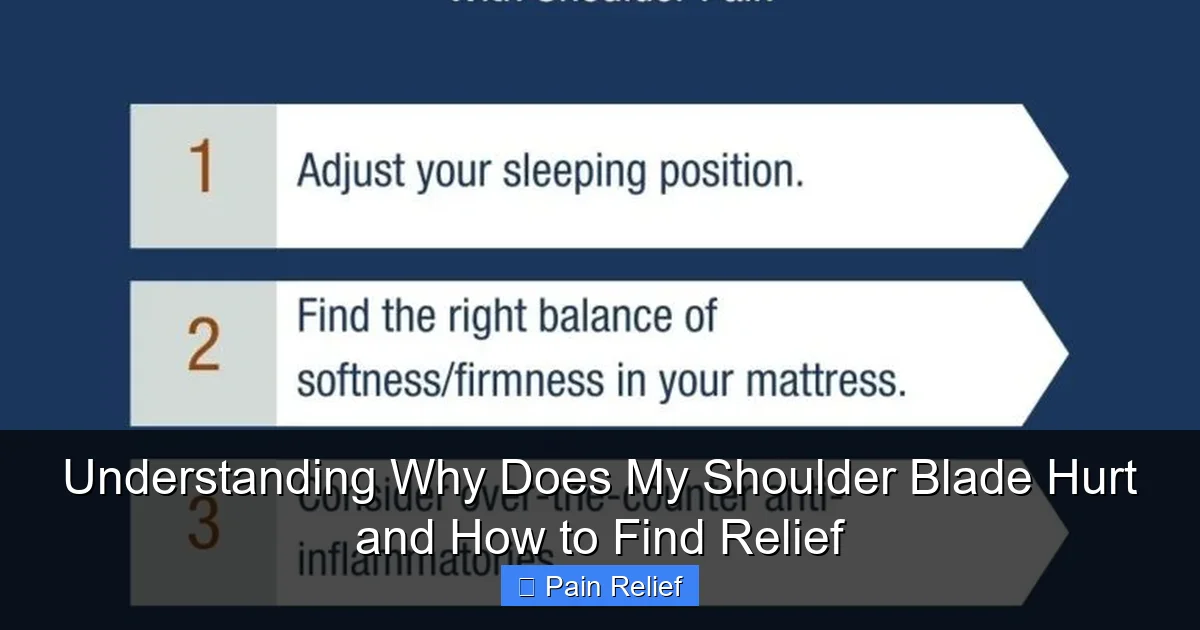
Visual guide about Understanding Why Does My Shoulder Blade Hurt and How to Find Relief
Image source: priorityphysicianspc.com
- Sharp or dull pain: This can occur constantly or intermittently.
- Tightness or stiffness: A feeling of restriction in the shoulder area.
- Radiating pain: Pain that spreads to the neck, back, or arms.
- Weakness: Difficulty lifting objects or performing daily activities.
Assessing Your Pain Level
Rate your pain on a scale from 1 to 10 to determine its severity. This assessment helps in deciding whether home remedies are sufficient or if professional help is needed.
Step 2: Understand Potential Causes
There are various reasons why your shoulder blade might hurt. Understanding these can guide you toward effective relief.

Visual guide about Understanding Why Does My Shoulder Blade Hurt and How to Find Relief
Image source: cellaxys.com
- Muscle Strain: Overuse or injury to the muscles around the shoulder blade can cause pain.
- Poor Posture: Slouching or hunching over computer screens can lead to muscle imbalances.
- Injury or Trauma: Falls or accidents can cause pain in the shoulder region.
- Referred Pain: Conditions like heart issues or lung problems can manifest as shoulder blade pain.
- Other Medical Conditions: Issues like herniated discs or arthritis can contribute to discomfort.
Step 3: Try Home Remedies
Many people find relief through simple home remedies. Here are some effective strategies:

Visual guide about Understanding Why Does My Shoulder Blade Hurt and How to Find Relief
Image source: i.ytimg.com
Heat and Cold Therapy
Apply heat or cold packs to the area to relieve pain. Cold therapy helps reduce inflammation, while heat can relax tight muscles.
Gentle Stretching
Incorporate gentle stretches into your routine to ease tension. Some effective stretches include:
- Shoulder Rolls: Roll your shoulders forward and backward to relieve stiffness.
- Neck Stretch: Tilt your head to one side, holding for 15 seconds, then switch sides.
Strengthening Exercises
Strengthening the muscles around your shoulder can prevent future pain. Try these exercises:
- Scapular Push-Ups: Perform push-ups while focusing on squeezing your shoulder blades together.
- Wall Angels: Stand with your back against a wall and move your arms up and down while keeping your elbows and wrists in contact with the wall.
Step 4: Posture Correction
Good posture is vital for shoulder health. Here are some tips to maintain proper posture:
- Ergonomic Workstation: Adjust your chair and desk to ensure your screen is at eye level.
- Frequent Breaks: Take breaks every 30 minutes to stretch and move around.
Step 5: When to Seek Professional Help
If your shoulder blade pain persists or worsens, it’s time to consult a healthcare provider. They may recommend:
- Physical Therapy: A physical therapist can provide personalized exercises for your condition.
- Medication: Over-the-counter pain relief or prescription medications may be necessary.
- Imaging Tests: X-rays or MRIs can help identify underlying issues.
Troubleshooting Shoulder Blade Pain
If you’re not experiencing relief, consider these troubleshooting tips:
- Review Your Activities: Identify any repetitive motions that may contribute to your pain.
- Adjust Your Sleeping Position: Ensure your pillow supports your neck and head adequately.
- Monitor Stress Levels: Stress can lead to muscle tension. Engage in relaxation techniques like meditation.
Conclusion
Understanding why your shoulder blade hurts is the first step toward finding relief. By identifying symptoms, recognizing potential causes, and implementing effective strategies, you can manage and reduce your pain. Remember, if symptoms persist, don’t hesitate to seek professional help. Your comfort and health are important!
🎥 Related Video: Most Common Cause of Inner Shoulder Blade Pain
📺 Ortho Eval Pal with Paul Marquis PT
In this video I show you what the most common cause of inner shoulder blade pain is. Many patients complain about inner …