Managing arthritis in the knees can significantly improve your quality of life. This guide provides effective strategies, from lifestyle changes to exercises, that help alleviate pain and enhance mobility. Whether you’re newly diagnosed or have been living with arthritis for years, these tips are designed to empower you toward better knee health.
Key Takeaways
- Understand Arthritis: Learn about different types of arthritis that can affect the knees, including osteoarthritis and rheumatoid arthritis.
- Stay Active: Regular exercise is crucial for maintaining joint mobility and reducing stiffness.
- Weight Management: Maintaining a healthy weight can relieve pressure on your knees and decrease pain.
- Use Hot and Cold Therapy: Incorporating heat and cold packs can help manage pain effectively.
- Consider Dietary Changes: Certain foods can reduce inflammation, so diet plays a vital role in managing arthritis.
- Consult with Professionals: Working with healthcare providers, such as physical therapists or dietitians, can provide tailored advice.
- Explore Pain Relief Options: From over-the-counter medications to alternative therapies, find what works best for you.
Effective Strategies on How to Manage Arthritis in Knees
Arthritis in the knees can be a painful and debilitating condition. It affects millions of people worldwide and can significantly impact daily activities. In this guide, you will learn various strategies to manage knee arthritis, improve mobility, and enhance your overall quality of life.
Understanding Arthritis
Arthritis is an umbrella term for inflammation of the joints, with osteoarthritis and rheumatoid arthritis being the most common types that affect the knees. Osteoarthritis occurs due to wear and tear on the cartilage, while rheumatoid arthritis is an autoimmune condition that causes the body’s immune system to attack joint tissues.
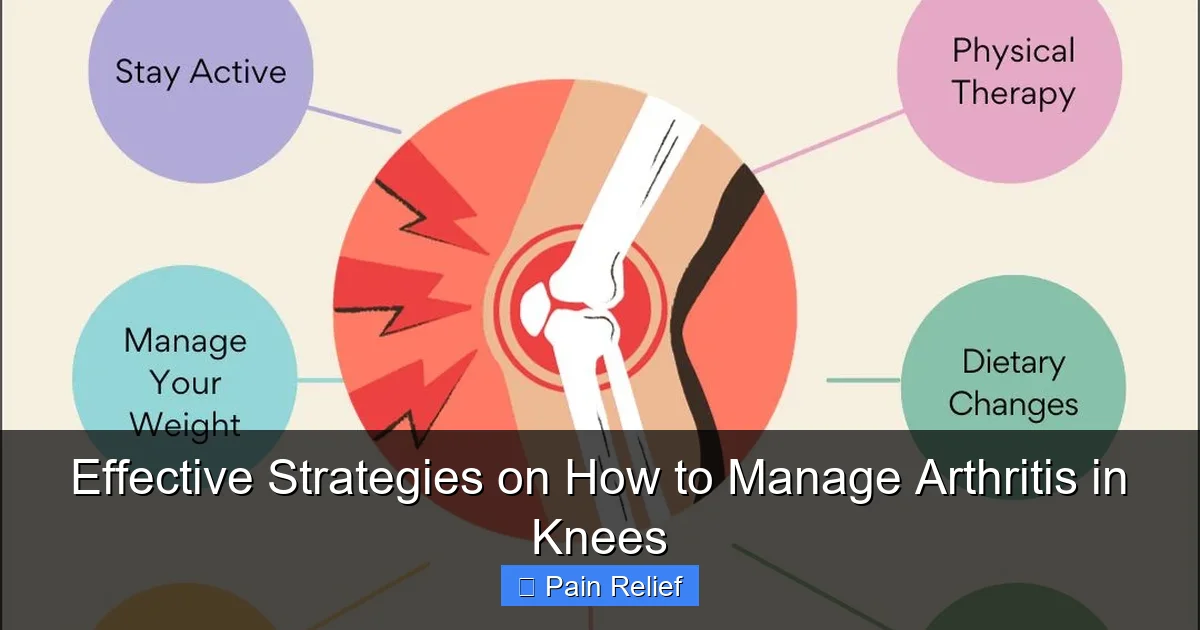
Visual guide about Effective Strategies on How to Manage Arthritis in Knees
Image source: continentalhospitals.com
Step 1: Stay Active
While it might be tempting to rest, staying active is essential for managing arthritis in the knees.

Visual guide about Effective Strategies on How to Manage Arthritis in Knees
Image source: felixhospital.com
Find Suitable Exercises
Choose low-impact exercises to avoid stressing your knees.
- Walking: A simple yet effective way to keep moving.
- Swimming: Offers resistance without pressure on your joints.
- Cycling: Strengthens muscles around the knees.
Create a Routine
Consistency is key. Aim for at least 150 minutes of moderate aerobic activity each week. Incorporate stretching and strength training twice a week to support your knees.
Step 2: Weight Management
Excess weight can put additional strain on your knees, exacerbating pain. Maintaining a healthy weight is one of the most effective ways to manage arthritis.

Visual guide about Effective Strategies on How to Manage Arthritis in Knees
Image source: images.news18.com
Monitor Your Diet
Focus on a balanced diet rich in whole foods, avoiding processed foods high in sugars and unhealthy fats.
Set Realistic Goals
Work with a healthcare professional to establish achievable weight loss goals. Even a small reduction in weight can alleviate knee pain.
Step 3: Use Hot and Cold Therapy
Thermal therapy can provide relief from pain and stiffness.
Hot Therapy
Using heat pads or warm towels can relax muscles and improve circulation. Apply heat for about 15-20 minutes before activities.
Cold Therapy
Cold packs can help reduce swelling and numb the pain. Use cold packs for 15-20 minutes after activities that may aggravate your knees.
Step 4: Consider Dietary Changes
Your diet can have a significant impact on inflammation and overall joint health.
Anti-Inflammatory Foods
Incorporate foods rich in omega-3 fatty acids, antioxidants, and vitamins:
- Fatty Fish: Salmon and mackerel are excellent choices.
- Fruits and Vegetables: Berries, leafy greens, and sweet potatoes are all beneficial.
- Nuts and Seeds: Walnuts and flaxseeds can help reduce inflammation.
Avoid Trigger Foods
Limit consumption of processed foods, sugar, and excessive salt, as these can worsen inflammation.
Step 5: Explore Pain Relief Options
There are various options for pain relief, both medicinal and alternative.
Over-the-Counter Medications
Nonsteroidal anti-inflammatory drugs (NSAIDs) like ibuprofen can help manage pain. Always consult your doctor before starting any medication.
Alternative Therapies
Consider acupuncture, massage therapy, or chiropractic care as complementary therapies to alleviate pain.
Step 6: Consult with Healthcare Professionals
Don’t hesitate to reach out for professional support.
Physical Therapy
Physical therapists can design a personalized exercise program tailored to your needs, focusing on strengthening and flexibility.
Dietitian Consultation
A registered dietitian can guide you in making dietary choices that reduce inflammation and support overall health.
Troubleshooting Common Challenges
Managing arthritis can come with its own set of challenges. Here are some common issues and solutions:
Dealing with Flare-Ups
During flare-ups, prioritize rest and apply cold therapy to reduce swelling. Modify your activity levels to prevent aggravation.
Staying Motivated
Find a support group or connect with others facing similar challenges. Sharing experiences can provide motivation and encouragement.
Conclusion
Managing arthritis in the knees requires a multifaceted approach. By staying active, maintaining a healthy weight, utilizing thermal therapy, making dietary changes, exploring pain relief options, and consulting with healthcare professionals, you can significantly alleviate symptoms and improve your quality of life. Remember, every individual is different, so finding what works best for you is key. Embrace these strategies and take charge of your joint health!
🎥 Related Video: How to Relieve Knee Arthritis Pain in 30 SECONDS
📺 SpineCare Decompression and Chiropractic Center
Dr. Rowe shows how to quickly relieve arthritic knee pain at home. Osteoarthritis (or wear and tear arthritis) of the knee tends to …