Sciatica can be incredibly painful, but relief is within reach with the right approach. This guide offers a comprehensive, step-by-step plan covering everything from acute pain management and gentle exercises to crucial posture adjustments and lifestyle changes. Learn how to manage your symptoms effectively and work towards lasting recovery, empowering you to live pain-free.
Top Sciatica Recovery Tips for Effective Lasting Relief
Suffering from sciatica can be an incredibly debilitating experience. That sharp, shooting pain radiating from your lower back down your leg can make everyday activities feel like monumental challenges. If you’re currently experiencing this discomfort, you’re not alone, and more importantly, you’re in the right place. This comprehensive guide is designed to empower you with the knowledge and practical strategies needed to navigate your sciatica recovery journey.
We’ll walk you through a holistic approach to managing and overcoming sciatica. From understanding the root causes to implementing effective acute pain relief, targeted exercises, crucial posture adjustments, and vital lifestyle changes, you’ll learn actionable steps for not just temporary relief but for achieving lasting freedom from sciatica pain. Our goal is to equip you with the tools to take control of your recovery, reduce your discomfort, and improve your overall quality of life. Let’s begin your journey to effective sciatica recovery.
Key Takeaways
- Understand Your Sciatica: Sciatica is a symptom, not a diagnosis. Identifying the underlying cause (e.g., herniated disc, piriformis syndrome) is crucial for targeted and effective recovery.
- Prioritize Gentle Movement: While rest is important initially for acute pain, prolonged inactivity can worsen sciatica. Incorporate gentle stretches and low-impact exercises to improve flexibility and strengthen supporting muscles.
- Master Good Posture: Poor posture, especially while sitting or lifting, is a major contributor to sciatica. Learn and practice ergonomic principles for sitting, standing, and sleeping to reduce nerve compression.
- Embrace Lifestyle Changes: Weight management, an anti-inflammatory diet, adequate hydration, and stress reduction play significant roles in reducing inflammation and promoting overall nerve health, aiding sciatica recovery.
- Know When to Seek Professional Help: Don’t hesitate to consult a doctor, physical therapist, or chiropractor if your pain is severe, persistent, worsens, or is accompanied by weakness, numbness, or bowel/bladder changes.
- Be Patient and Consistent: Sciatica recovery is often a gradual process. Consistency with your exercises, posture awareness, and lifestyle modifications is key to achieving long-term relief and preventing recurrence.
Understanding Sciatica: What It Is and Why It Happens
Before diving into recovery tips, it’s helpful to understand exactly what sciatica is. Sciatica isn’t a diagnosis in itself; rather, it’s a symptom. It refers to pain that radiates along the path of the sciatic nerve, which branches from your lower back through your hips and buttocks and down each leg. Typically, sciatica affects only one side of your body.
The most common causes of sciatica include:
- Herniated or Slipped Disc: This is the most frequent cause. When the soft cushion between your vertebrae bulges or ruptures, it can press directly on the sciatic nerve.
- Spinal Stenosis: A narrowing of the spinal canal, which can put pressure on the spinal cord and sciatic nerves.
- Piriformis Syndrome: The piriformis muscle, located deep in the buttocks, can spasm and compress the sciatic nerve.
- Spondylolisthesis: A condition where one vertebra slips forward over another, leading to nerve compression.
- Degenerative Disc Disease: Age-related wear and tear on the discs in your spine can cause nerve irritation.
Understanding the underlying cause is a crucial first step in any effective sciatica recovery plan. While this guide offers general tips, a professional diagnosis can tailor your recovery strategy more precisely.
Step 1: Managing Acute Sciatica Pain
When sciatica strikes, the immediate priority is to alleviate the intense pain. Here’s how you can find initial relief.
H3: Gentle Rest and Activity Modification
While complete bed rest used to be recommended, current research suggests that it’s often counterproductive for sciatica. Instead, aim for gentle activity modification. Avoid activities that worsen your pain, such as heavy lifting, twisting, or prolonged sitting. However, don’t become completely sedentary. Gentle movement is key to keeping inflammation down and promoting healing.
Practical Tip: Listen to your body. If a movement causes sharp pain, stop immediately. Try to maintain as much normal activity as comfort allows, but reduce intensity and duration.
Visual guide about Top Sciatica Recovery Tips for Effective Lasting Relief
Image source: shathayuretreat.com
H3: Ice and Heat Therapy
Alternating between ice and heat can be very effective for sciatica.
- Ice: For the first 48-72 hours, apply ice packs to the painful area (usually the lower back or buttock) for 15-20 minutes several times a day. Ice helps reduce inflammation and numb the pain.
- Heat: After the initial inflammatory phase, heat can help relax tight muscles and improve blood flow. Use a heating pad, warm compress, or take a warm bath for 15-20 minutes.
Practical Tip: Never apply ice or heat directly to your skin. Always use a cloth barrier to prevent burns or frostbite.
H3: Over-the-Counter Pain Relief
Non-prescription medications can help manage sciatica pain and inflammation.
- NSAIDs (Non-Steroidal Anti-Inflammatory Drugs): Ibuprofen (Advil, Motrin) or naproxen (Aleve) can reduce both pain and inflammation.
- Acetaminophen (Tylenol): Can help with pain relief but doesn’t reduce inflammation.
Practical Tip: Always follow dosage instructions carefully and consult with your doctor or pharmacist, especially if you have other health conditions or are taking other medications. These are for short-term relief during your sciatica recovery.
Step 2: Incorporating Gentle Movement and Exercise
Once the acute pain subsides a little, gentle movement and specific exercises are vital for long-term sciatica recovery. They help decompress the nerve, strengthen supporting muscles, and improve flexibility.
H3: Gentle Sciatica Stretches
These stretches should be performed slowly and gently. Stop if you feel any sharp pain.
- Piriformis Stretch (Supine): Lie on your back with knees bent and feet flat. Cross the ankle of your affected leg over the knee of your other leg. Gently pull the non-affected thigh towards your chest until you feel a stretch in your buttock. Hold for 20-30 seconds.
- Knee-to-Chest Stretch: Lie on your back with legs extended. Gently bring one knee towards your chest, holding it with your hands. Hold for 20-30 seconds. Repeat with the other leg. For an advanced version, bring both knees to your chest.
- Pelvic Tilt: Lie on your back with knees bent, feet flat. Flatten your lower back against the floor by tightening your abdominal muscles and tilting your pelvis upwards. Hold for a few seconds, then release. This helps strengthen core muscles and improve spinal alignment.
- Figure-4 Stretch (Sitting): Sit on a chair. Place the ankle of your affected leg on the knee of your other leg (forming a “4”). Gently lean forward from your hips, keeping your back straight, until you feel a stretch in your glute. Hold for 20-30 seconds.
Practical Tip: Perform these stretches daily, ideally when your muscles are warm, such as after a warm shower or light walk. Consistency is key for sciatica recovery.
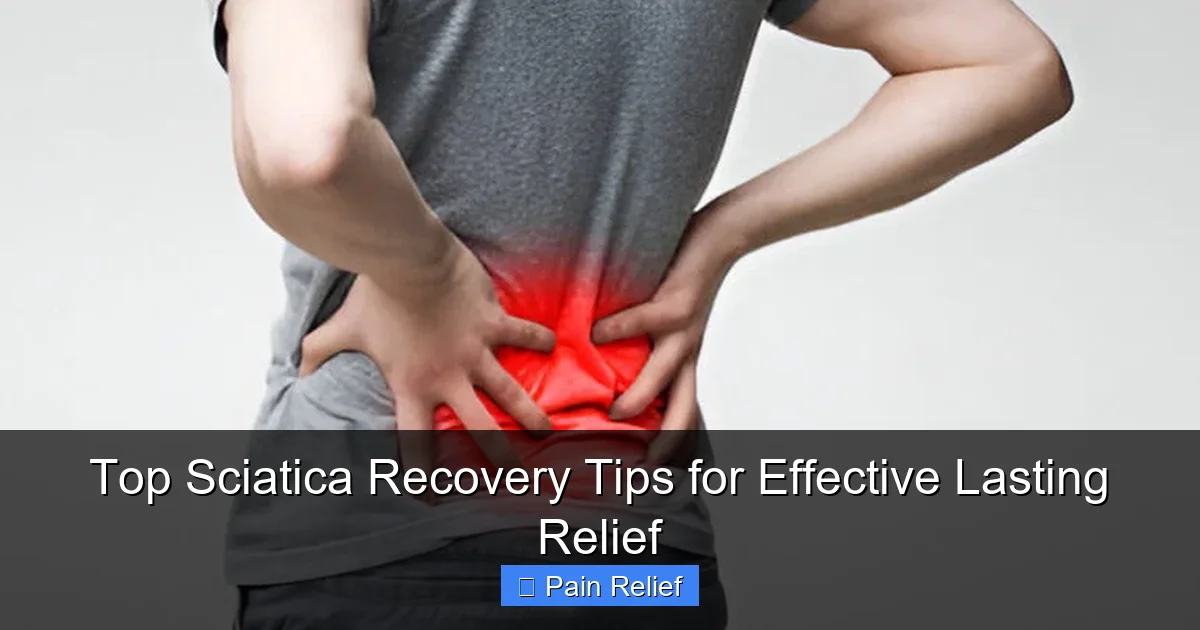
Visual guide about Top Sciatica Recovery Tips for Effective Lasting Relief
Image source: restorelifewellness.ca
H3: Strengthening Exercises
Strengthening your core, glutes, and back muscles helps support your spine and reduce pressure on the sciatic nerve.
- Glute Bridges: Lie on your back with knees bent, feet flat and hip-width apart. Lift your hips off the floor until your body forms a straight line from shoulders to knees. Squeeze your glutes at the top. Lower slowly. Repeat 10-15 times.
- Bird-Dog: Start on your hands and knees (tabletop position). Keep your back flat. Extend one arm straight forward and the opposite leg straight back, keeping your core engaged to prevent your back from arching. Hold for a few seconds, then return to the starting position. Alternate sides. Repeat 8-12 times per side.
- Gentle Core Engagement: Practice drawing your belly button towards your spine without holding your breath. This engages your deep core muscles, which are vital for spinal stability.
Practical Tip: Start with a low number of repetitions and gradually increase as your strength improves. Quality over quantity is crucial to prevent exacerbating sciatica.
H3: Walking and Low-Impact Activities
Once you can move more comfortably, incorporate regular low-impact activities.
- Walking: A gentle walk on a flat surface can improve blood flow, strengthen muscles, and release endorphins, which are natural pain relievers. Start with short walks and gradually increase duration.
- Swimming or Water Aerobics: The buoyancy of water reduces stress on your joints and spine, making it an excellent option for exercise during sciatica recovery.
- Cycling (Stationary Bike): If a stationary bike is comfortable, it can be another good low-impact option.
Practical Tip: Avoid activities that involve jarring motions, twisting, or heavy impact until your sciatica has significantly improved.
Step 3: Optimizing Posture and Ergonomics
Poor posture and body mechanics are major culprits in sciatica. Making conscious changes can significantly reduce nerve compression and prevent future flare-ups.
H3: Proper Sitting Posture
Many of us spend hours sitting, which can put immense pressure on the lumbar spine and sciatic nerve.
- Chair Choice: Use a chair with good lumbar support. If your chair lacks it, use a rolled-up towel or a lumbar pillow.
- Foot Position: Keep your feet flat on the floor, or use a footrest if your feet don’t reach. Avoid crossing your legs.
- Knee Angle: Your knees should be at a 90-degree angle, slightly higher than your hips if possible.
- Frequent Breaks: Get up and move around every 30-60 minutes to relieve pressure. A standing desk can be a great investment for sciatica recovery.
Practical Tip: Ensure your computer monitor is at eye level to prevent neck strain, which can indirectly affect your spine.
H3: Standing Posture
Even when standing, maintaining good alignment is vital.
- Even Weight Distribution: Distribute your weight evenly on both feet. Avoid leaning to one side.
- Shoulders Back: Keep your shoulders relaxed and slightly back, not hunched forward.
- Slight Abdominal Engagement: Gently engage your core muscles to support your lower back.
Practical Tip: If you stand for long periods, consider using a soft mat or alternating your weight slightly from one foot to the other.
H3: Lifting Techniques
Improper lifting is a common cause of back and sciatic nerve injuries.
- Bend Your Knees: Always bend at your knees, not your waist, keeping your back straight.
- Lift with Your Legs: Use the powerful muscles in your legs and glutes to lift, not your back.
- Keep Object Close: Hold the object close to your body to minimize strain.
- Avoid Twisting: Never twist your body while lifting or holding a heavy object. If you need to turn, move your feet.
Practical Tip: If an object is too heavy, ask for help or use a cart. Your back will thank you, and it’s essential for effective sciatica recovery.
H3: Sleeping Position
Your sleeping position can either relieve or exacerbate sciatica pain.
- Side Sleeper: Place a pillow between your knees to keep your hips, pelvis, and spine in better alignment.
- Back Sleeper: Place a pillow under your knees to reduce pressure on your lower back.
- Stomach Sleeper: This position is generally not recommended for sciatica as it can hyperextend your lower back. If you must sleep on your stomach, place a thin pillow under your lower abdomen/pelvis.
Practical Tip: Ensure your mattress provides adequate support. If it’s old and saggy, it might be time for an upgrade.
Step 4: Essential Lifestyle Adjustments
Beyond physical therapy, certain lifestyle changes can significantly support your sciatica recovery and overall well-being.
H3: Weight Management
Excess body weight, particularly around the abdomen, can put additional strain on your lower back and spine, contributing to sciatica. Losing even a modest amount of weight can relieve pressure on your sciatic nerve.
Practical Tip: Focus on sustainable, healthy eating habits and regular exercise rather than crash diets for long-term benefits in your sciatica recovery.
H3: Anti-Inflammatory Diet
Certain foods can either promote or reduce inflammation in your body. An anti-inflammatory diet can help manage chronic pain, including sciatica.
- Eat More: Fruits, vegetables, whole grains, lean proteins (fish, chicken), nuts, seeds, and healthy fats (olive oil, avocado).
- Eat Less: Processed foods, sugary drinks, red meat, and unhealthy trans fats.
Practical Tip: Incorporate omega-3 fatty acids, found in fish like salmon and flaxseeds, which are known for their anti-inflammatory properties.
H3: Hydration
Staying well-hydrated is crucial for overall health, including the health of your spinal discs. Discs are largely made of water and require good hydration to maintain their cushioning properties.
Practical Tip: Aim for 8 glasses of water a day, or more if you’re active. Carry a water bottle as a reminder.
H3: Stress Management
Stress can cause muscle tension, particularly in the back and shoulders, and can also heighten your perception of pain. Managing stress is an important, often overlooked, aspect of sciatica recovery.
- Mindfulness and Meditation: These practices can help reduce stress and alter your pain perception.
- Deep Breathing Exercises: Simple deep breathing can calm the nervous system.
- Hobbies and Relaxation: Engage in activities you enjoy to help de-stress.
Practical Tip: Even 10-15 minutes of quiet time or meditation daily can make a difference.
H3: Smoking Cessation
Smoking can impair blood flow, which is vital for healing, and can also contribute to disc degeneration. Quitting smoking is one of the best things you can do for your overall health and sciatica recovery.
Practical Tip: Seek support from your doctor or cessation programs if you’re struggling to quit.
Step 5: When to Seek Professional Help
While many cases of sciatica resolve with conservative home treatment, it’s crucial to know when to seek professional medical attention.
H3: Red Flags for Immediate Medical Attention
Consult a doctor immediately if you experience any of the following with your sciatica:
- Sudden, severe pain in your lower back or leg.
- Muscle weakness or numbness in the affected leg.
- Loss of bowel or bladder control. This is a rare but serious condition called cauda equina syndrome and requires emergency care.
- Sciatica following a violent injury, such as a car accident.
H3: When to Consult a Doctor or Specialist
Consider seeing a healthcare professional if:
- Your pain is persistent and severe, despite home remedies.
- Your pain worsens over time.
- You experience increasing numbness or weakness in your leg.
- Symptoms don’t improve after a few weeks of self-care.
H3: Types of Professionals Who Can Help with Sciatica
- General Practitioner (GP): Your first point of contact, who can diagnose and refer you to specialists.
- Physical Therapist: Highly recommended. They can design a personalized exercise and stretching program to alleviate pressure on the sciatic nerve, improve posture, and strengthen supporting muscles. Their guidance is invaluable for long-term sciatica recovery.
- Chiropractor or Osteopath: These practitioners focus on spinal adjustments and manipulations to improve alignment and reduce nerve compression.
- Acupuncturist: Some individuals find relief from sciatica pain through acupuncture, which involves inserting thin needles into specific points on the body.
- Pain Management Specialist: If conservative treatments aren’t enough, they might offer injections (like epidural steroid injections) or other advanced pain relief strategies.
Practical Tip: Don’t be afraid to seek a second opinion. Finding a healthcare provider you trust is key to a successful sciatica recovery journey.
Step 6: Long-Term Prevention and Maintenance
Once you’ve found relief from sciatica, the goal shifts to preventing its recurrence. Consistency and awareness are your best allies.
H3: Regular Exercise Routine
Continue with your gentle stretches and strengthening exercises. Building a consistent routine helps maintain muscle strength, flexibility, and good posture. Consider incorporating activities like yoga or Pilates, which focus on core strength and spinal mobility, crucial for preventing future sciatica episodes.
H3: Maintain Good Posture Habits
Make good posture a lifelong habit. Regularly check your posture while sitting, standing, and working. Set reminders on your phone to get up and move, or to adjust your sitting position. Ergonomic improvements in your home and workplace are investments in your continued sciatica recovery.
H3: Listen to Your Body
Pay attention to early warning signs. If you start to feel a familiar twinge or stiffness, take proactive steps. Revisit your stretches, adjust your activity, or apply ice/heat. Don’t wait for the pain to become severe before addressing it.
H3: Periodic Check-ups
Depending on your individual case, regular check-ups with a physical therapist or chiropractor might be beneficial to monitor your progress and make any necessary adjustments to your maintenance plan. This proactive approach can significantly aid in sustained sciatica recovery.
Conclusion
Sciatica pain can be daunting, but with a structured, patient, and consistent approach, effective and lasting relief is absolutely achievable. By understanding what sciatica is, actively managing acute pain, embracing gentle exercises, correcting your posture, and making supportive lifestyle changes, you are taking powerful steps towards a pain-free life.
Remember, sciatica recovery is a journey, not a sprint. There will be good days and perhaps some challenging ones. The key is to stay consistent with your efforts, be kind to your body, and not hesitate to seek professional guidance when needed. By empowering yourself with these tips, you’re not just treating symptoms; you’re building a foundation for long-term spinal health and overall well-being. Take action today, and reclaim your comfort and mobility.
🎥 Related Video: 4 Stretches For Sciatic Nerve Pain Relief! [Stop Sciatica Fast!]
📺 Tone and Tighten
SEE FULL VIDEO HERE: https://youtu.be/jNS_mK-NeM8 Four of the best stretches you can do at home for sciatic nerve pain relief …