Heat therapy can ease sciatica pain by improving blood flow and relaxing tight muscles.
I’ve spent years helping people manage sciatica, and this heat therapy for sciatica guide brings clear, practical steps you can try at home. You’ll get expert-backed explanations, safe application tips, what the research says, and real-life advice so you can use heat therapy confidently and effectively.

What is sciatica and why heat therapy can help
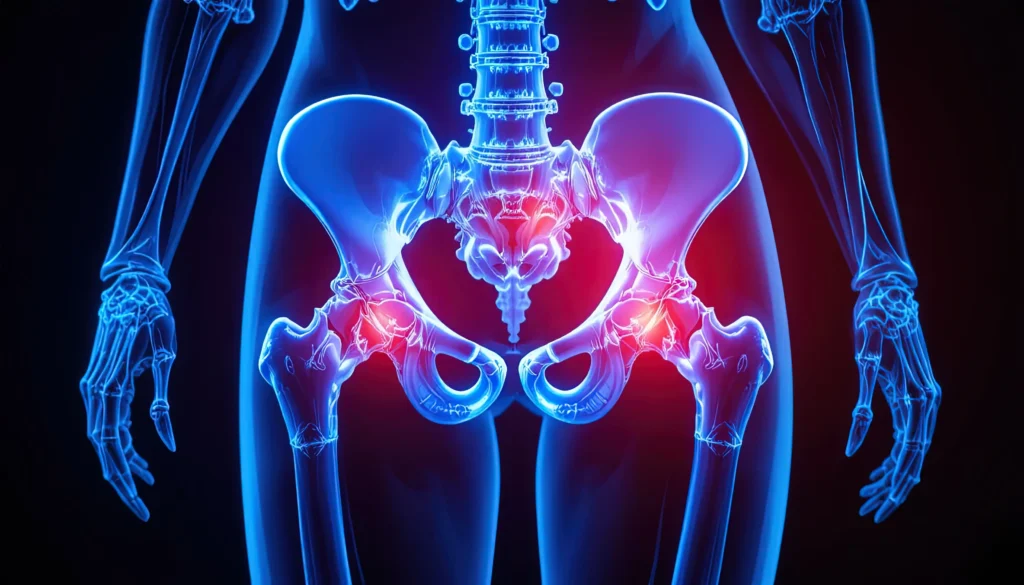
Sciatica is pain that follows the sciatic nerve. It usually starts in the lower back and travels down one leg. Causes include a herniated disc, spinal stenosis, muscle tightness, or nerve irritation.
Heat therapy for sciatica guide explains how warmth eases pain by relaxing muscles, improving blood flow, and reducing stiffness. When muscles around the nerve are less tight, pressure on the nerve can drop and symptoms ease. Heat does not heal a herniated disc, but it can reduce pain while you pursue other treatments.

How heat therapy for sciatica guide explains the mechanism
Heat warms tissue and widens blood vessels. That increases oxygen and nutrient flow and speeds waste removal. Heat also lowers pain signals by modifying nerve firing and by the gate-control effect in the spinal cord.
Applied properly, heat can:
- Reduce muscle spasm and tightness near the lower back and buttock.
- Improve flexibility and make movement less painful.
- Help you tolerate exercises and stretches that aid recovery.

Types of heat therapy for sciatica
Different heat methods fit different needs. This heat therapy for sciatica guide covers common options:
- Hot water bottle: Simple and inexpensive. Good for short sessions.
- Heating pad (electric): Keeps steady warmth and offers timed settings.
- Microwaveable heat packs: Flexible and portable.
- Heat wraps (disposable or reusable): Provide low-level heat over hours and work well during daily activity.
- Warm baths or showers: Good for whole-back relaxation and before stretches.
- Infrared heat: Deeper warming effect; used in some clinics.
Choose a method that’s safe, comfortable, and fits your routine.

When to use heat vs. cold for sciatica
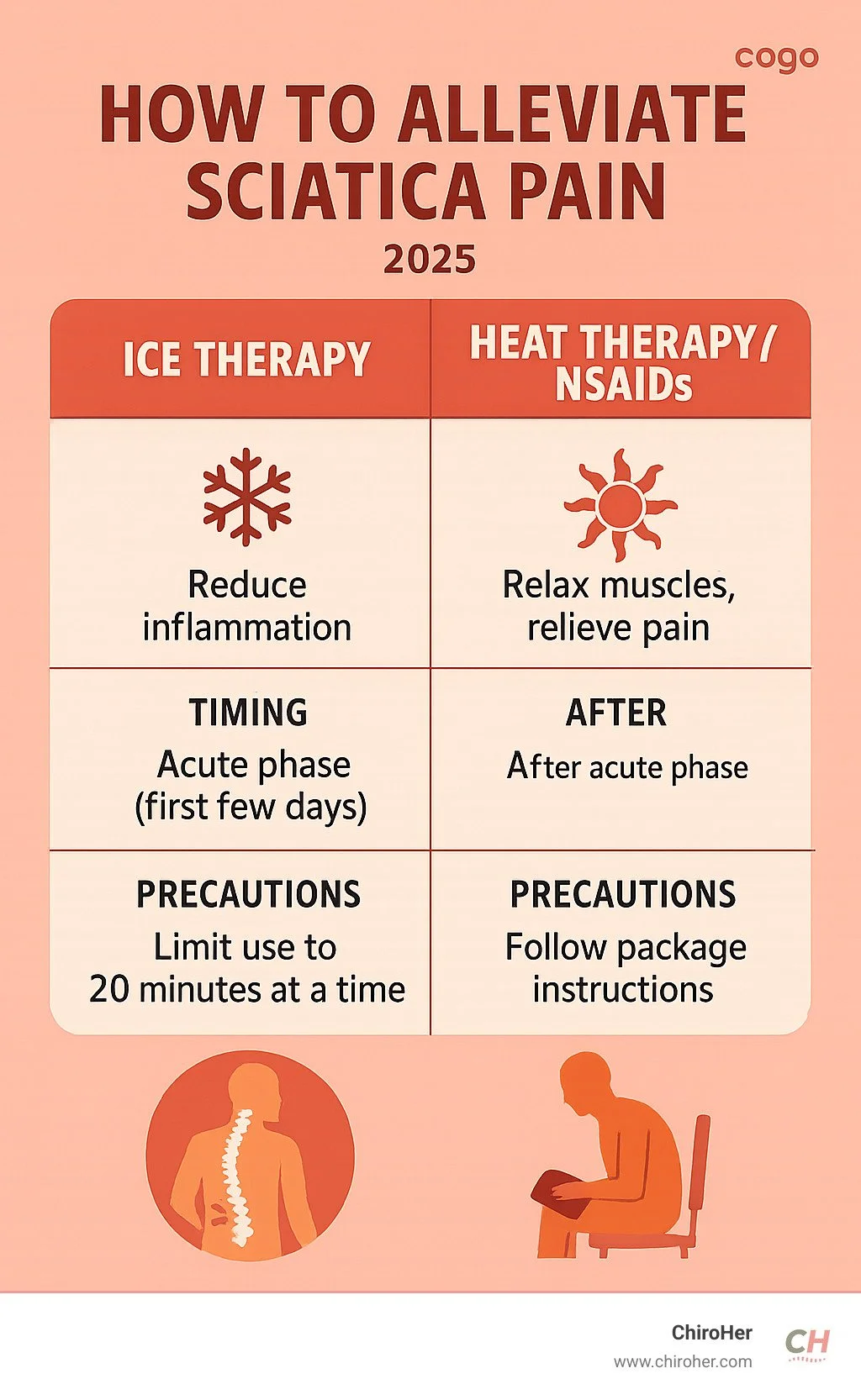
A key part of the heat therapy for sciatica guide is knowing when to use heat and when to use cold. Use cold if pain follows a new injury, or if there is swelling or sharp, burning pain after a specific trauma. Use heat when pain is chronic, stiff, or tied to muscle tightness.
Simple rule:
- Acute injury or swelling: cold for 10–20 minutes.
- Stiffness, muscle tension, chronic sciatica: heat for 15–30 minutes.
Switching between cold and heat can help some people, but always listen to your body.
How to apply heat safely: step-by-step
Safety matters. Follow this heat therapy for sciatica guide step-by-step:
- Check skin: avoid heat on broken skin, open wounds, or areas with poor sensation.
- Temperature: aim for warm, not hot. Test on your forearm first.
- Duration: 15–30 minutes per session. Repeat 2–4 times daily as needed.
- Barrier: place a towel between heat source and skin to prevent burns.
- Position: lie comfortably with a pillow under knees or sit supported to avoid strain.
- End with gentle movement or stretches to lock in gains.
If you feel numbness, increased pain, or burning, stop immediately.

Benefits and evidence for heat therapy in sciatica
Heat therapy for sciatica guide highlights several benefits backed by clinical observations and trials:
- Short-term pain relief and reduced stiffness.
- Improved mobility and tolerance for therapeutic exercise.
- Low risk when used properly, making it a good first-line self-care strategy.
Research shows heat helps non-specific low back pain and muscle-related pain. For true nerve compression, heat eases symptoms but does not replace medical treatment. Use heat as part of a broader plan.
Limitations, risks, and when to see a doctor
Heat therapy for sciatica guide also warns about limits and risks:
- Heat won’t fix structural problems like large herniations or severe nerve compression.
- Risk of burns, especially for people with diabetes, reduced sensation, or vascular disease.
- Heat can worsen inflammation in the immediate hours after injury.
Seek medical care if you have:
- Progressive weakness, numbness, or loss of bowel/bladder control.
- Severe, worsening pain despite home care.
- Fever, unexplained weight loss, or signs of infection.
Personal experience and practical tips I use with patients
From my experience working with people with sciatica, small, consistent habits matter. I’ve seen heat packs make the difference before exercise, helping people move more and improve faster. Common lessons:
- Start gentle: brief heat sessions then try easy stretches.
- Pair heat with a short walk; movement helps maintain gains.
- Avoid using heat while sleeping unless using low-level wraps designed for overnight use.
- Don’t treat heat as a cure—use it to manage pain while you rehab.
One patient reduced flare intensity by using a 20-minute heating pad before morning stretches. The routine helped her stay consistent with exercise and lowered recurrences.
Step-by-step routine example using heat therapy for sciatica
Here’s a practical routine from the heat therapy for sciatica guide:
- Morning: 15–20 minutes heat on lower back, followed by 5–10 minutes of gentle stretching (knee-to-chest, piriformis stretch).
- Midday: 10–15 minutes heat before a short walk or core activation exercises.
- Evening: Warm shower or 20 minutes of low-level heat to relax and sleep more comfortably.
Track what helps and adjust timing. Keep sessions short and regular.
Complementary treatments to pair with heat therapy for sciatica
Heat works best with other approaches. This heat therapy for sciatica guide recommends:
- Gentle stretching: hamstring and piriformis stretches reduce nerve tension.
- Strength work: low-back and core exercises stabilize the spine.
- Posture tweaks: ergonomic chair and movement breaks at work.
- Manual therapy: massage or mobilization can complement heat.
- Pain meds and injections: when recommended by a clinician for severe pain.
Combining heat with rehab helps address root causes, not just symptoms.
PAA-style questions (People also ask)
Q: Will heat help sciatica immediately?
A: Heat can provide quick short-term relief by relaxing muscles and easing stiffness, often within 10–20 minutes.
Q: How long should I use heat for sciatica?
A: Use heat for 15–30 minutes per session, two to four times daily, and always with a towel barrier.
Q: Can heat make sciatica worse?
A: Heat can worsen acute inflammation or burns if used too hot or on damaged skin, so avoid heat immediately after injury.
Frequently Asked Questions of heat therapy for sciatica guide
What is the best type of heat for sciatica?
The best type depends on lifestyle. Heating pads and heat wraps give steady, controllable warmth. Warm baths work well for whole-back relaxation.
How often should I use heat for sciatica?
Use heat 2–4 times per day for 15–30 minutes. Adjust based on symptom relief and skin tolerance.
Is it safe to use heat if I have diabetes?
Use caution. People with diabetes may have reduced sensation and higher burn risk. Talk to a clinician before routine use.
Can I use heat with topical creams or patches?
Yes, but avoid using heat with patches that aren’t designed for heating. Check product instructions to prevent excess absorption or burns.
Should I use heat before exercise for sciatica?
Yes. A short heat session can loosen muscles and make it easier to do stretching and strengthening exercises safely.
Conclusion
Heat therapy for sciatica guide shows that warmth is a simple, low-risk tool to reduce pain, relax tight muscles, and improve movement when used correctly. Use heat as part of a broader plan: add gentle exercise, posture changes, and medical care when needed. Start with short, safe sessions, track what helps, and adjust over time. Try a routine this week—apply heat before stretching—and see if your movement and pain improve. If this guide helped, leave a comment, share your experience, or subscribe for more practical tips.