
By Alex Turner
Quick Answer: An infrared massage combines massage techniques with infrared energy, usually as warmth or, in some devices, low-level red or near-infrared light. The exact experience depends on the device. Massage mainly provides mechanical pressure and movement, while infrared technology may add heat or light exposure. It should be viewed as a comfort and wellness option rather than a guaranteed treatment for a medical condition.
A Simple Explanation of Infrared Massage
If you are wondering what an infrared massage actually involves, the most important point is that the phrase can describe more than one type of device or service. Some products combine a conventional massage mechanism with infrared heating. Others use red or near-infrared light and may not create much heat at all.
That distinction matters because infrared radiation covers a broad range of wavelengths, while photobiomodulation uses specific low-power red or near-infrared light under controlled conditions. :contentReference[oaicite:0]{index=0}
Health information notice: This article is for general educational information only. It does not diagnose, treat, cure, or prevent any condition. It does not replace advice from a licensed healthcare professional. Readers should seek professional help for severe, worsening, unusual, or persistent symptoms.
What Is an Infrared Massage?
An infrared massage is generally a massage experience that incorporates infrared energy into the session. In a heated massage device, infrared energy can be used to provide topical warmth. FDA materials describe infrared light as invisible radiation that can produce heating when used at appropriate intensities. :contentReference[oaicite:1]{index=1}
The word “infrared” does not automatically mean that a device is using photobiomodulation. Low-level red and near-infrared light can be used in photobiomodulation, a non-ionizing light approach intended to influence biological activity without relying on tissue heating. :contentReference[oaicite:2]{index=2}
For a consumer, the practical question is therefore not simply whether a product says “infrared.” Check what the manufacturer says the device actually delivers: heat, mechanical massage, red or near-infrared light, or a combination.
How the pieces fit together — practical guide
Pressure, rolling, vibration, or kneading provides the mechanical component.
Depending on the device, infrared energy may provide warmth or light exposure.
The intended result may be relaxation, warmth, or temporary comfort.
This visual is best read as a product-description guide, not a claim that every infrared massage device works in exactly the same way. Device design and energy settings can differ substantially.
How Does Infrared Massage Work?
The massage portion works through physical contact. Depending on the device, this can include rolling nodes, vibration, compression, or another form of mechanical stimulation. The infrared portion is separate: it may warm tissue or deliver selected wavelengths of light.
Photobiomodulation is particularly different from a simple heating pad. Research literature describes it as using low-power red or near-infrared light to produce biological effects without relying on clinically significant thermal injury. :contentReference[oaicite:3]{index=3}
That means two products marketed with similar language may provide noticeably different experiences. One may feel primarily warm and mechanical; another may emphasize light exposure and use little or no heat.
Heat-based infrared vs light-based infrared
Knowing which category you are using helps you interpret both the expected experience and the safety instructions.
Swipe left/right to see the full table →
| Type | Main feature | What you may notice |
|---|---|---|
| Heat-based IR | Topical warmth | Warmth with massage |
| Red/NIR PBM | Low-power light | May feel minimally warm |
| Combination | Massage + IR | Mechanical stimulation plus warmth or light |
Note: “Infrared” is a broad technical term. A product label alone does not tell you whether the device is primarily heating tissue or using a low-level light approach.
What Benefits Might People Notice?
People may choose an infrared massage because they enjoy the combination of physical massage and warmth. Massage itself can feel relaxing, while warmth can make the experience more comfortable for some people.
For light-based photobiomodulation, research has investigated effects involving pain, inflammation, wound healing, and tissue responses. However, results depend on the wavelength, dose, timing, treatment area, and device, so findings from one protocol should not automatically be applied to every consumer product. :contentReference[oaicite:4]{index=4}
A useful way to think about the benefits is to separate an immediate sensory effect from a medical outcome.
Potential benefits and limitations
Swipe left/right to see the full table →
| Possible role | Why it may appeal | Important limit |
|---|---|---|
| Relaxation | Massage and warmth can feel soothing | Experience varies |
| Temporary comfort | Warmth may be pleasant around tense areas | Not a diagnosis or cure |
| Light-based effects | PBM is being studied for several uses | Device parameters matter |
| Routine consistency | A simple routine may be easier to maintain | Convenience does not prove effectiveness |
The safest expectation is modest: an infrared massage may be a pleasant wellness routine for an appropriate user. Claims that it can reliably cure an illness or replace medical care go beyond what a general consumer explanation can support.
Practical benefit guide
The bars are a practical guide, not scientific measurements. They emphasize where a general wellness routine has a clearer purpose and where stronger, condition-specific evidence would be needed.
Who Might Find It Useful?
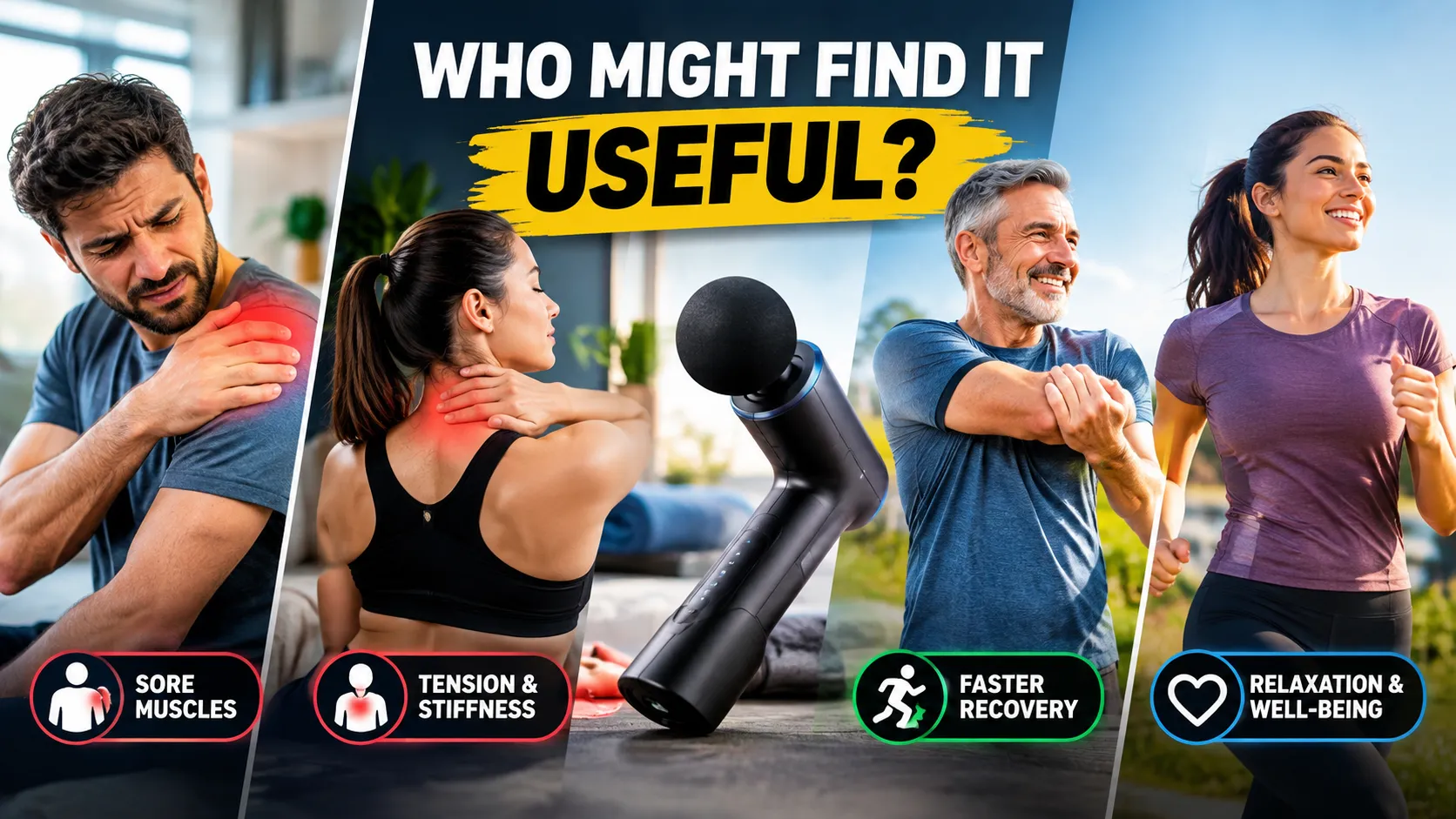
An infrared massage may appeal to adults who want a relaxation-focused routine and enjoy massage combined with warmth. The appropriate choice depends on the specific device, the body area, and the person’s circumstances.
Good fit vs situations requiring extra caution
Swipe left/right to see the full table →
| Situation | General approach | Reason |
|---|---|---|
| Relaxation goal | May be reasonable | Focus is comfort |
| Heat sensitivity | Use caution | Heat may cause discomfort or injury |
| Photosensitivity | Ask a professional before light-based use | Light-sensitive conditions can change safety considerations |
| Open wound or active skin problem | Avoid treating the area without professional guidance | The area may need assessment first |
FDA information on certain light-based procedures notes that photosensitivity, active wounds or lesions, some implants, and pregnancy can be relevant safety considerations for particular light-based technologies. These cautions should not automatically be applied to every infrared product, so the device’s own instructions and professional advice matter. :contentReference[oaicite:5]{index=5}
Warning: More heat is not automatically better. Excessive infrared heating can cause burns or other tissue injury, and light-based devices can present eye-safety concerns depending on their design and intensity. Follow the manufacturer’s safety instructions rather than increasing exposure simply to make a session feel stronger. :contentReference[oaicite:6]{index=6}
How to Think About an Infrared Massage Routine
If you are using a consumer product that combines massage and infrared technology, the safest approach is to treat the instructions as part of the product itself. Start with the manufacturer’s recommended settings, use the intended body area, and stop if the experience becomes painful, excessively hot, or otherwise unusual.
Routine-fit flow — practical guide
This is a general routine framework, not a substitute for the instructions supplied with a particular device. A product designed for a different body area or purpose may have different requirements.
Common mistakes vs better choices
Swipe left/right to see the full table →
| Common mistake | Better choice | Why |
|---|---|---|
| Assuming every IR device is the same | Check the technology | Heat and PBM are different approaches |
| Using maximum intensity | Follow labeled settings | Higher intensity can increase risk |
| Ignoring unusual skin changes | Stop and reassess | Symptoms can signal poor tolerance |
| Using it to delay needed care | Get persistent symptoms assessed | Comfort does not explain the cause |
Infrared Massage vs Regular Massage
The clearest difference is the added infrared component. Traditional massage relies on hands or mechanical tools to create physical pressure and movement. An infrared massage adds either infrared warmth or a specific light-based technology.
That does not automatically make one approach better for every person. If your main goal is simply relaxation, the added technology may be a preference rather than a necessity.
Swipe left/right to see the full table →
| Feature | Regular massage | Infrared massage |
|---|---|---|
| Mechanical pressure | Yes | Usually yes |
| Infrared energy | No | Yes |
| Heat | Optional | Depends on device |
| Light-based PBM | No | Some products |
Safety Points Worth Knowing
Safety depends heavily on the technology. Heat-producing infrared products should not be treated as harmless simply because the energy is invisible. FDA materials describe burns and other complications from some light-based energy procedures, and they also note that light-based procedures can create eye risks. :contentReference[oaicite:7]{index=7}
For red or near-infrared photobiomodulation, the intended effect is generally non-thermal, but device parameters still matter. Research reviews emphasize that wavelength, irradiance, exposure time, and treatment schedule can influence outcomes. :contentReference[oaicite:8]{index=8}
Safety risk-level gauge — general practical guide
Routine use follows the device instructions, feels comfortable, and produces no unusual response.
Heat sensitivity, photosensitivity, uncertain device specifications, or a relevant medical circumstance is present.
There is significant pain, a burn, unusual skin change, eye symptoms, or a concerning reaction.
This gauge is a practical decision aid, not a clinical risk score. When in doubt, the product instructions and advice from a qualified healthcare professional should take priority.
Red flags that should not be explained away as “tight muscles”
Red-flag checklist
These symptoms need professional assessment rather than repeated massage or heat. Seek urgent medical help when symptoms are severe or potentially dangerous.
When to contact a professional: Talk with a healthcare professional before relying on infrared massage for persistent or unexplained symptoms. Seek prompt or urgent medical attention for severe or rapidly worsening pain, significant injury, new weakness or numbness, fever with concerning symptoms, chest pain, breathing difficulty, or loss of bladder or bowel control.
What Should You Check Before Using One?
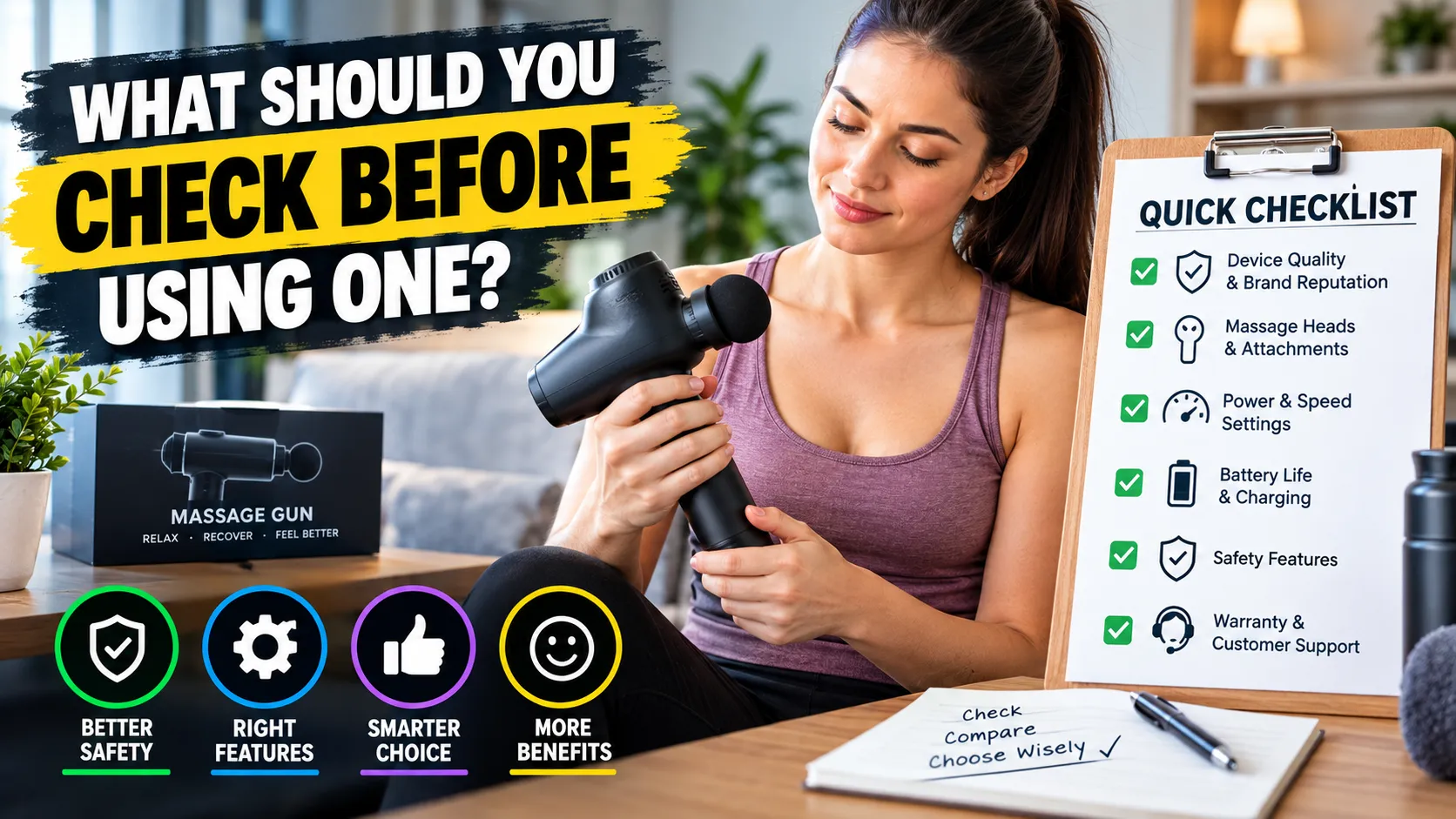
Start with the product’s intended use rather than its marketing name. Look for the type of infrared technology, the intended body area, exposure instructions, temperature or light settings, and warnings about eye exposure or photosensitivity.
If the product makes unusually broad claims, such as promising to treat many unrelated diseases, be cautious about treating marketing language as proof. The scientific literature describes photobiomodulation as parameter-dependent, so a result from one wavelength or protocol does not establish the same result for every device. :contentReference[oaicite:9]{index=9}
A simple pre-use checklist
Know the technology
Confirm whether the product mainly uses heat, massage, red/NIR light, or a combination.
Check the instructions
Follow the stated duration, distance, body area, temperature, and eye-safety guidance.
Consider your circumstances
Photosensitivity, open wounds, implants, pregnancy, or other relevant circumstances may warrant professional advice depending on the technology.
Know when to stop
Pain, burning, unusual skin changes, eye symptoms, or other concerning reactions are reasons to stop and reassess.
Frequently Asked Questions
What is an infrared massage?
It is a massage experience that incorporates infrared energy, usually as warmth or selected red/near-infrared light. Some devices combine this with mechanical massage.
Does infrared massage use heat?
Some products do, but not all infrared technologies are primarily heat-based. Photobiomodulation uses selected red or near-infrared light and is intended to work without clinically significant tissue heating.
What is infrared massage good for?
It may be useful as a relaxation and comfort-focused wellness routine. Specific medical benefits depend on the exact technology and should not be assumed from the word “infrared” alone.
Is infrared massage the same as red-light therapy?
No. Red-light therapy and photobiomodulation use particular light wavelengths and parameters, while “infrared massage” can also refer to heated massage products that use infrared energy.
Can infrared massage cause burns?
Heat-producing infrared devices can cause excessive heating or burns if used improperly. Follow the manufacturer’s instructions and stop if the skin becomes painful or unusually hot.
Who should be cautious with infrared massage?
People with heat sensitivity, photosensitivity, certain medical circumstances, open wounds, or other relevant concerns may need professional advice depending on the device. Product-specific warnings should be followed.
When should I stop using an infrared massage device?
Stop if you develop significant pain, burning, unusual skin changes, eye symptoms, or another concerning reaction. Persistent or worsening symptoms should be assessed by a healthcare professional.
Final Thoughts
An infrared massage is best understood as a combination of massage with an infrared technology that may provide warmth or selected light exposure. The phrase covers different products, so checking the actual technology and safety instructions is more useful than relying on the label alone.
For general wellness, it may be a comfortable addition to a routine when used appropriately. It should not replace professional evaluation for severe, worsening, unusual, persistent, or unexplained symptoms.
Author
-

I’m Alex Turner, a massage product reviewer and wellness writer at RemedyTip. I specialize in researching, evaluating, and comparing massage and recovery products to help readers make informed purchasing decisions. My focus is on practical, evidence-informed product guidance covering muscle recovery, relaxation, everyday comfort, and wellness.
I take a research-driven approach to every product I review. I examine product specifications, features, materials, performance claims, user feedback, durability, comfort, ease of use, and overall value. When appropriate, I also consult trusted industry and health-related sources to verify important information and provide readers with a more complete and balanced view.
I cover a wide range of products, including massage guns, handheld massagers, neck and shoulder massagers, foot massagers, massage chairs, foam rollers, and other recovery tools. Rather than focusing only on marketing claims, I look at how products compare in real-world use and who they are actually suitable for. I also consider different budgets, use cases, and user needs when making recommendations.
At RemedyTip, I’m committed to accuracy, transparency, and unbiased product information. I clearly distinguish between manufacturer claims, available evidence, and my own product analysis so readers can understand the basis of each recommendation. I continuously research new products, technologies, and developments in the massage and recovery space to keep my content current and useful.
My goal is simple: to provide trustworthy, easy-to-understand information that helps readers choose massage and recovery products with greater confidence.

