
Written by Alex Turner
Quick Answer: What is a trigger point massager?
A trigger point massager is a handheld or body-positioning tool designed to apply focused pressure to tight, tender areas of muscle. Common versions include massage balls, canes, rollers, and small manual tools. They may support temporary comfort and easier movement when used gently.
A simple way to think about it: a trigger point massager gives you a way to apply controlled pressure to a small area instead of using your hands alone. The goal is comfortable pressure, not forcing a painful spot to release.
The term is commonly used for tools intended to work around muscle knots or tight spots. Trigger points can be associated with localized tenderness and sometimes pain that is felt somewhere other than the exact spot being pressed.
Muscle knots Focused pressure Self-massage Comfort & mobility
Safety & trust: This article is for general educational information only. It does not diagnose, treat, cure, or prevent any condition. It does not replace advice from a licensed healthcare professional. Readers should seek professional help for severe, worsening, unusual, or persistent symptoms.
What Is a Trigger Point Massager?
A trigger point massager is a tool used to deliver pressure to a specific area of muscle or surrounding soft tissue. Unlike a broad massage roller, many trigger-point tools are shaped to reach a smaller area with more control. Examples include firm massage balls, hooked canes, pointed manual tools, and compact rollers.
The word “trigger point” refers to a localized tight or tender area that may feel like a knot or small firm spot. Trigger points are discussed in connection with myofascial pain, although muscle pain can have many possible causes and a tender spot should not automatically be assumed to be a trigger point.
That distinction matters. A massager can be a self-care tool, but it cannot tell you why an area hurts. If discomfort is persistent, worsening, associated with weakness or numbness, or follows an injury, professional assessment is more appropriate than repeatedly pressing the same area.
How the tool differs from ordinary massage
Traditional massage usually covers a wider region using the hands and different strokes. A trigger-point tool is more targeted. Its shape lets you put pressure into a smaller area without needing another person to apply it.
Some tools also make it easier to control your body position. For example, a massage ball placed between your back and a wall can use your body weight to create pressure. A massage cane can help reach areas that are difficult to access with your fingers.
Note: A tender spot is not automatically proof that you have a trigger point. Pain may come from muscle strain, joint problems, nerve irritation, injury, or other causes. A self-massage tool is best viewed as a comfort and mobility aid rather than a diagnostic device.
How Does a Trigger Point Massager Work?
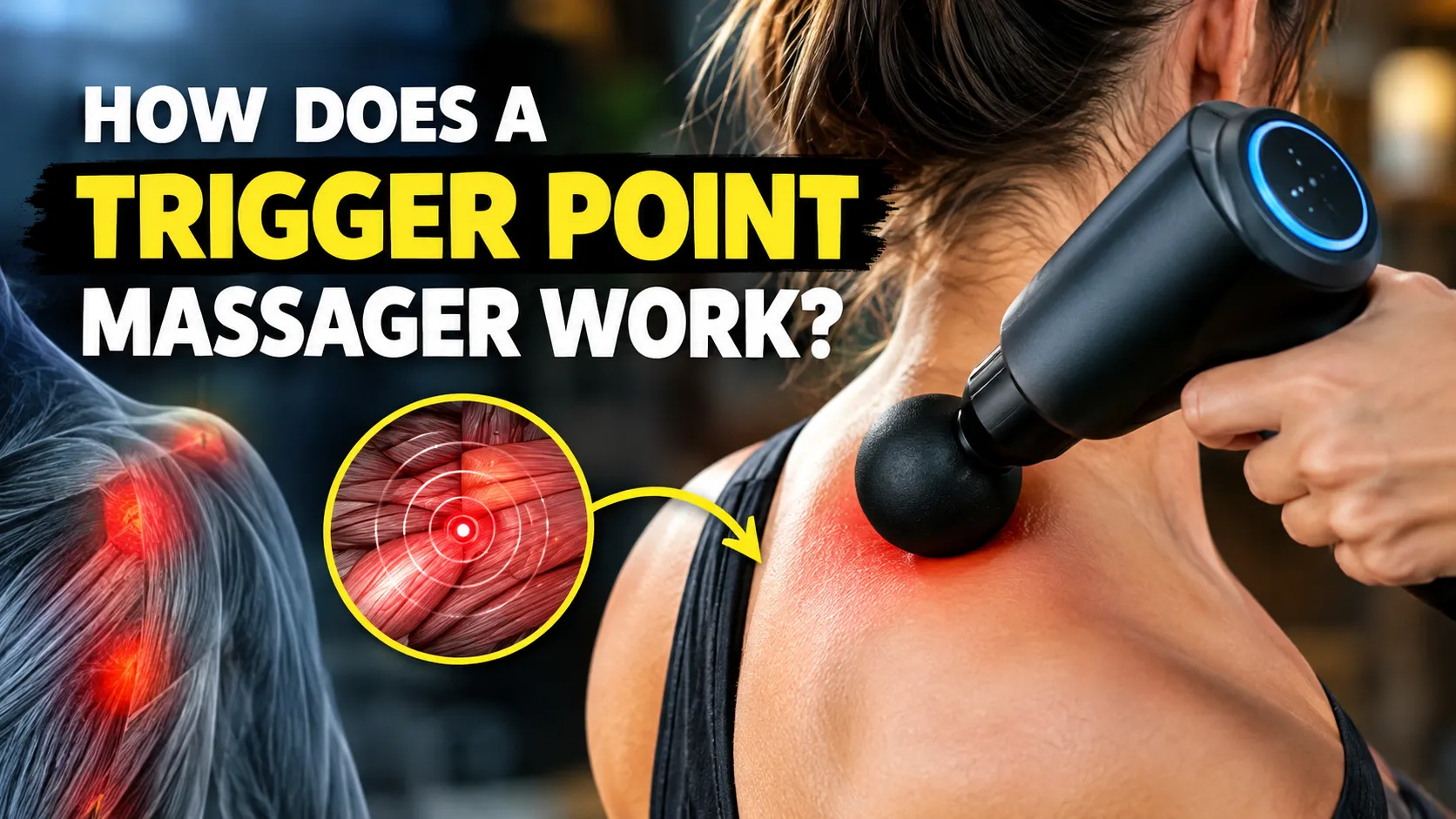
The basic idea is mechanical pressure. You position the tool against a tight area and apply a level of pressure that feels tolerable. The pressure may temporarily change how the area feels and can make movement feel easier for some people.
Massage and myofascial techniques commonly use pressure on areas of tight tissue. Cleveland Clinic describes trigger-point massage as focused pressure applied to localized tight areas, while Mayo Clinic notes that trigger points may be stiff areas within myofascial tissue.
A useful goal is not to “crush” a knot. Instead, think of the tool as a way to explore a tight area with controlled pressure. If the pressure causes sharp, electric, burning, or rapidly increasing pain, stop rather than pushing harder.
Because the underlying cause of muscle pain varies, the same tool can feel helpful for one person and irritating for another. The response also depends on the body area, pressure, tool shape, and whether the area has recently been injured.
The practical priority map below is a general routine guide, not scientific scoring.
Typical routine priority
Gentle pressure control — practical guide
Short, controlled sessions — practical guide
Gradual pressure — practical guide
Maximum pressure — practical guide
The pattern is simple: control and comfort matter more than maximum force. More pressure is not automatically better, especially when you are working near sensitive structures.
What Can You Use a Trigger Point Massager For?
People commonly use these tools around areas that feel tight after prolonged sitting, repetitive activity, exercise, or ordinary daily strain. Common locations include the shoulders, upper back, glutes, hips, and legs. The appropriate tool depends on how easy the area is to reach and how much pressure it can comfortably tolerate.
Potential benefits and limitations
A trigger point massager may support short-term comfort, relaxation, and easier movement when muscle tightness is contributing to discomfort. It should not be treated as a guaranteed solution for an underlying medical problem.
Cleveland Clinic notes that trigger-point massage may be used to address tight areas and can be part of a broader approach to mobility and comfort. Mayo Clinic also emphasizes that muscle pain has multiple possible causes and may require professional evaluation when it persists.
Swipe left/right to see the full table →
| Potential use | What it may support | Main limitation |
|---|---|---|
| Tight muscles | Temporary comfort | Does not identify cause |
| Post-exercise stiffness | Relaxation and movement | Too much pressure may irritate |
| Hard-to-reach spots | More control than fingers | Technique still matters |
| General relaxation | A focused self-care routine | Not a substitute for care |
Which Type of Tool Fits Different Areas?
There is no single shape that works for every body area. A small ball can provide focused pressure, while a cane can make certain areas easier to reach. A roller spreads pressure over a broader section, making it less focused.
Tool-fit guide
Use the table as a starting point rather than a prescription. Choose the least aggressive option that lets you control pressure comfortably.
Swipe left/right to see the full table →
| Tool | Best suited to | Pressure style |
|---|---|---|
| Massage ball | Small target areas | Focused |
| Massage cane | Reachable back areas | Adjustable |
| Small roller | Longer muscle areas | Broad |
| Hand tool | Gentle exploration | Highly controlled |
Trigger-point tool map
Useful when you want a compact contact point and can control your body position.
Helpful when your hands cannot comfortably reach the area you want to massage.
Better for spreading pressure over a broader muscle region rather than one small spot.
Often the easiest starting point because pressure can be changed instantly.
For beginners, a simpler tool is often easier to control. The best choice is not necessarily the hardest or most aggressive design; it is the one that allows comfortable, repeatable pressure.
Where Should You Be More Careful?
Self-massage is not appropriate for every painful area. Avoid turning a sensitive spot into a pressure test. Areas with an acute injury, significant swelling, unusual sensations, or unexplained severe pain deserve more caution.
Massage guidance from Mayo Clinic notes that safety depends on a person’s health history and circumstances, and that pressure should not cause severe pain.
Good fit vs. avoid-if situations
These categories are practical screening prompts, not a medical diagnosis.
Swipe left/right to see the full table →
| Situation | General approach | Why |
|---|---|---|
| Mild, familiar tightness | Gentle trial | Pressure is easier to monitor |
| Recent injury | Ask a professional | Cause and tissue status are uncertain |
| Numbness or tingling | Stop and seek guidance | Could involve nerve-related symptoms |
| Severe or worsening pain | Seek professional evaluation | Self-massage may delay assessment |
Warning: Do not use increasing pressure to chase a “release.” Sharp, severe, burning, electric, or rapidly worsening pain is a reason to stop. Massage should not be used to push through an unexplained injury.
Common Mistakes With Trigger Point Tools
Knowing what is a trigger point massager is only part of using one well. Technique matters because a tool can concentrate force more strongly than your fingertips.
Mistake vs better choice
The safer approach is usually gradual, controlled, and easy to stop.
Swipe left/right to see the full table →
| Common mistake | Better choice | Practical reason |
|---|---|---|
| Pressing as hard as possible | Start gently | Easier to judge tolerance |
| Staying on severe pain | Stop when symptoms intensify | Pain escalation is not a goal |
| Treating every knot the same | Adjust by body area | Different areas tolerate pressure differently |
| Ignoring recurring pain | Consider professional assessment | Repeated symptoms may need a cause-focused approach |
Four-step pressure check
This simple check keeps the focus on tolerance rather than intensity. A tool should give you control over pressure, not encourage you to compete with the pain.
How to Build a Simple Routine
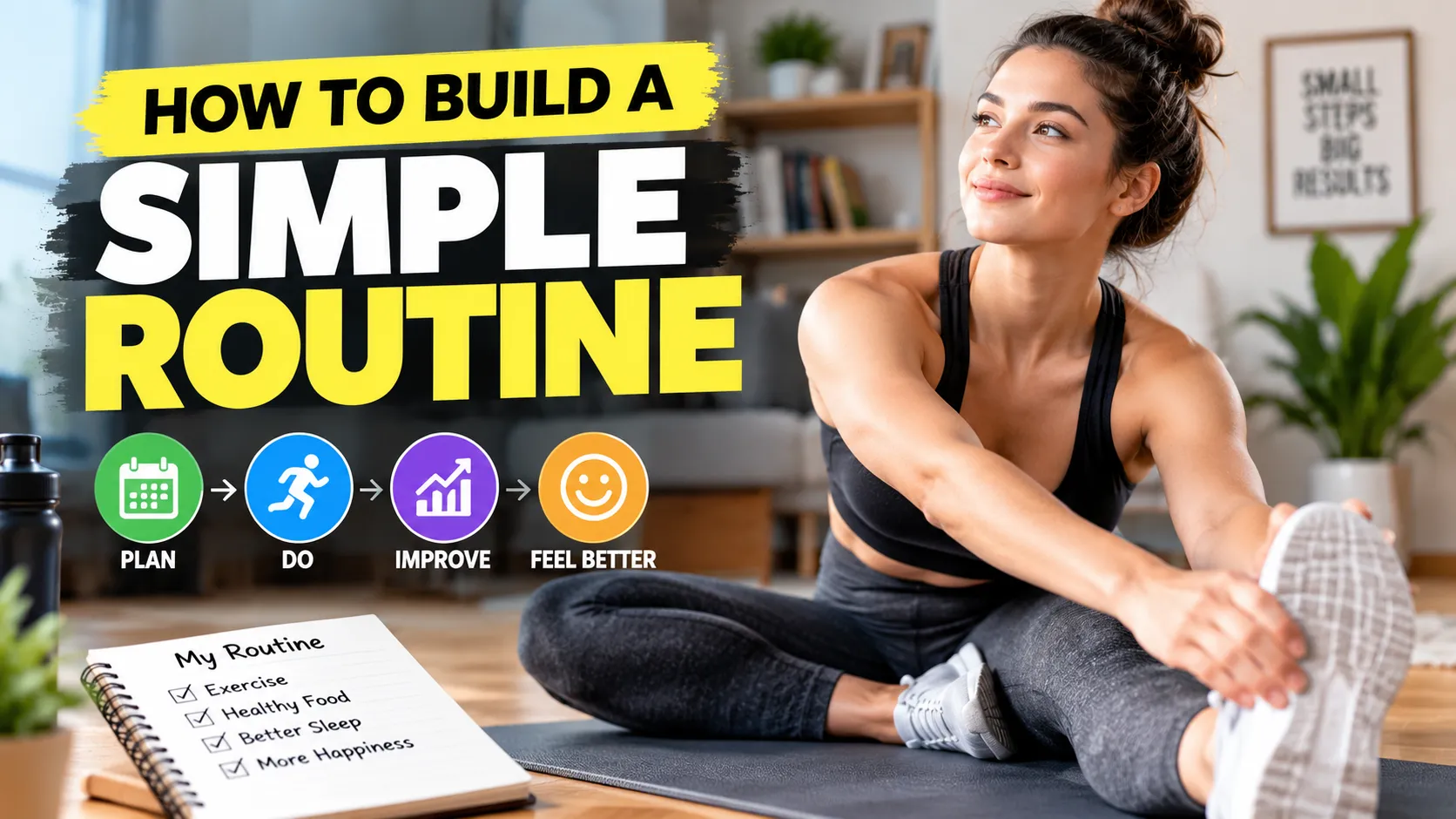
If the area feels mildly tight and there are no warning signs, keep the routine simple. Start with a short period of gentle pressure, then reassess how the area feels. You can combine self-massage with normal movement and comfortable stretching rather than relying on pressure alone.
A practical routine flow
Routine-fit guide
Choose a comfortable position and a tool you can control.
Use gradual pressure and avoid forcing a painful response.
Move normally and notice whether the area feels more comfortable.
Repeat only if the previous session was comfortable and useful.
The routine should fit into normal daily activity instead of becoming a test of how much pressure you can tolerate. If symptoms repeatedly return or never improve, consider looking beyond self-massage.
When self-care is not enough
Persistent muscle pain can have causes that a massager cannot address. Mayo Clinic advises seeking professional care when muscle pain does not go away with rest, massage, and other self-care measures.
That does not mean every recurring tight spot is serious. It means repeated symptoms deserve a broader look, particularly if they interfere with normal movement or daily activities.
When to Contact a Professional
A trigger point massager should not be used to postpone evaluation of symptoms that are severe, persistent, unusual, or getting worse. The same applies when pain follows a significant injury or occurs with neurological symptoms.
Safety decision path
When to contact a professional: Seek appropriate medical help for severe, worsening, unusual, or persistent symptoms. Prompt evaluation is especially important when pain occurs with numbness, weakness, major injury, fever, chest pain, or loss of bladder or bowel control.
Professional massage, physical therapy, or medical evaluation may be more appropriate when symptoms are persistent or difficult to explain. Myofascial pain can require an assessment that considers other possible causes rather than simply treating a tender spot.
The Bottom Line on Trigger Point Massagers
A trigger point massager is essentially a tool for applying focused pressure to tight or tender areas of muscle. Different designs offer different levels of control, reach, and pressure, so the simplest tool that feels comfortable is often a sensible place to start.
Keep expectations realistic. Self-massage may support temporary comfort and easier movement, but it cannot determine the cause of persistent pain. If symptoms are severe, unusual, worsening, or not improving, professional evaluation is more appropriate than increasing pressure.
Frequently Asked Questions
What is a trigger point massager used for?
It is used to apply focused pressure to tight or tender muscle areas. It may support temporary comfort and easier movement when used gently.
Is a trigger point massager the same as a massage gun?
No. A trigger-point tool is usually manual and applies focused pressure, while a massage gun uses powered percussion. They create different sensations and require different control.
Can I use one on a muscle knot?
A gentle tool may be used around a familiar, mild tight spot if pressure feels comfortable. Do not assume every painful lump or knot is a trigger point.
Should a trigger point massager hurt?
Pressure can feel noticeable, but severe or sharp pain is not a goal. Stop if symptoms become intense, unusual, or worse with continued pressure.
What type of trigger point tool should beginners use?
A simple massage ball or easy-to-control manual tool can be a practical starting point. Choose a design that lets you adjust pressure without forcing your body into an awkward position.
When should I stop using a trigger point massager?
Stop when pain becomes sharp, severe, burning, electric, or progressively worse. Also stop and seek guidance when symptoms include numbness, weakness, significant injury, or other unusual changes.
Can a trigger point massager replace professional care?
No. It can be a self-care tool for some mild, familiar muscle tightness, but persistent, severe, worsening, or unexplained symptoms should be assessed by an appropriate healthcare professional.
Final Thoughts
A trigger point massager is a focused self-massage tool designed to help you apply controlled pressure to tight muscle areas. Used gently, it may support comfort and movement, but it should not be used to diagnose or explain persistent pain.
If symptoms are severe, worsening, unusual, persistent, or not improving with reasonable self-care, seek advice from a licensed healthcare professional rather than increasing massage pressure.
Author
-

I’m Alex Turner, a massage product reviewer and wellness writer at RemedyTip. I specialize in researching, evaluating, and comparing massage and recovery products to help readers make informed purchasing decisions. My focus is on practical, evidence-informed product guidance covering muscle recovery, relaxation, everyday comfort, and wellness.
I take a research-driven approach to every product I review. I examine product specifications, features, materials, performance claims, user feedback, durability, comfort, ease of use, and overall value. When appropriate, I also consult trusted industry and health-related sources to verify important information and provide readers with a more complete and balanced view.
I cover a wide range of products, including massage guns, handheld massagers, neck and shoulder massagers, foot massagers, massage chairs, foam rollers, and other recovery tools. Rather than focusing only on marketing claims, I look at how products compare in real-world use and who they are actually suitable for. I also consider different budgets, use cases, and user needs when making recommendations.
At RemedyTip, I’m committed to accuracy, transparency, and unbiased product information. I clearly distinguish between manufacturer claims, available evidence, and my own product analysis so readers can understand the basis of each recommendation. I continuously research new products, technologies, and developments in the massage and recovery space to keep my content current and useful.
My goal is simple: to provide trustworthy, easy-to-understand information that helps readers choose massage and recovery products with greater confidence.

