By Michael Hayes
A bottle can look simple, but massage oil formulas vary widely. Understanding the ingredient list can help you choose a product that matches your skin, scent preferences, and personal ingredient requirements.
Carrier Oils Fragrance Vegan Choices Gluten-Free Labels
What does massage oil contain?
What does massage oil contain? In most formulas, the main ingredient is a carrier oil that creates slip between the hands and skin. Manufacturers may then add fragrance ingredients, essential oils, botanical extracts, antioxidants, skin-conditioning ingredients, or preservatives depending on the product.
A basic formula may contain only one oil, such as fractionated coconut oil. A more complex formula may blend several oils to change texture, absorption speed, scent, and feel. There is no single standard recipe for every massage product.
The ingredient list matters because “natural,” “plant-based,” “unscented,” and “gentle” are marketing descriptions rather than identical formulas. The best way to know what is in a specific bottle is to read its full ingredient label.
A simple formula is often easier to evaluate because fewer ingredients need checking. More complex formulas can offer a particular scent or texture, but every added ingredient is another item to consider if you have known sensitivities.
Common ingredient categories
Swipe left/right to see the full table →
| Ingredient type | Typical role | Examples |
|---|---|---|
| Carrier oil | Creates slip | Jojoba, almond, coconut |
| Fragrance | Adds scent | Fragrance blend, aroma oils |
| Botanical additive | Changes formula feel | Plant extracts |
| Antioxidant | Supports stability | Vitamin E derivatives |
Carrier oils: the main part of many formulas
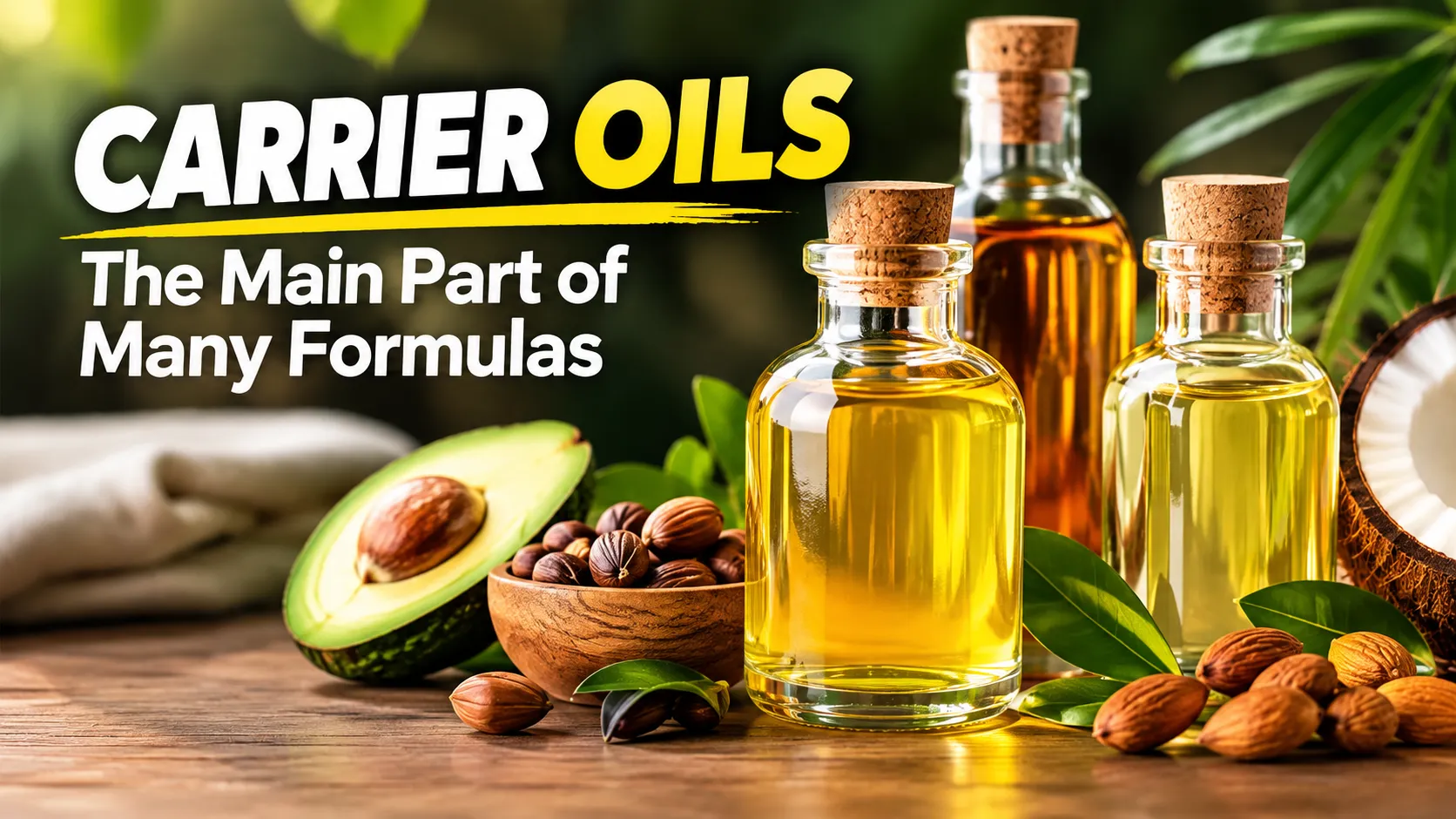
Carrier oils usually make up most of the product. They provide the glide that helps hands move across the skin without repeated pulling. Different oils can feel light, rich, fast-absorbing, or more slippery.
Common examples include sweet almond oil, jojoba oil, grapeseed oil, sunflower oil, coconut-derived oils, and blends. Their presence does not automatically make one product better than another. The right choice depends on your skin, texture preference, allergies, and the intended use.
Full ingredient check
Known allergy check
Texture preference
Packaging style
This is a practical guide, not scientific data. Ingredient suitability and safety checks deserve more attention than scent or packaging when choosing a personal care product.
Light versus richer oils
Swipe left/right to see the full table →
| Oil style | Often preferred for | Check first |
|---|---|---|
| Light feel | Quick everyday use | Full ingredient list |
| Rich feel | Longer massage glide | Skin feel |
| Blend | Balanced texture | Each component |
What about fragrance and essential oils?
Some massage oils are fragrance-free, while others contain fragrance compounds or essential oils for scent. “Unscented” can also require closer label reading because a product may contain ingredients used to mask or modify odor.
Essential oils are concentrated aromatic ingredients, so more is not automatically better. A product should be used according to its label directions, and strong fragrance can be a poor fit for someone who already knows they react to scented products.
This approach is more useful than assuming every plant-based or natural-sounding ingredient is suitable for every person.
Is massage oil vegan?
Massage oil can be vegan, but not every massage oil is automatically vegan. A vegan formula should avoid animal-derived ingredients, but the most reliable answer comes from the manufacturer’s ingredient information and vegan claim.
Many carrier oils are plant-derived, including jojoba, sunflower, grapeseed, and several coconut-based ingredients. However, a finished formula may contain other ingredients, so the base oil alone cannot confirm the status of the complete product.
People looking specifically for a vegan option should check for a clear vegan statement and then review the ingredient list. If certification or manufacturing standards are important to you, consult the manufacturer’s current product information.
Vegan and ingredient-label comparison
Swipe left/right to see the full table →
| Label claim | What it can tell you | Best next step |
|---|---|---|
| Vegan | No intended animal ingredients | Check full label |
| Plant-based | Plant ingredients emphasized | Do not assume vegan |
| Natural | General marketing description | Review ingredients |
Is massage oil gluten-free?
Massage oil may be gluten-free, but this should be confirmed from the specific product information when gluten status matters to you. The ingredient list and the manufacturer’s labeling are more useful than guessing from the word “oil.”
Some people simply prefer products without gluten-containing ingredients. Others have medical or sensitivity concerns and may need more careful guidance about their individual situation. If you have a diagnosed allergy or condition involving ingredient exposure, ask a qualified healthcare professional about suitable personal care products.
Choose this if you want fewer ingredients to compare. Still check every listed ingredient.
Choose this if scent is a concern. Confirm what the manufacturer means by the claim.
Useful when avoiding animal-derived ingredients. Review the complete product information.
Useful when this ingredient standard matters to you. Check current manufacturer labeling.
Choose the claim that addresses your actual need, then verify it with the full ingredient information.
How to check a massage oil before using it
What does massage oil contain on a practical level? Start with the label rather than relying on front-package marketing. A quick routine can make ingredient comparisons much easier.
Safe routine versus risky routine
Swipe left/right to see the full table →
| Situation | Safer choice | Riskier choice |
|---|---|---|
| New product | Read directions first | Use without checking |
| Known sensitivity | Check ingredients | Assume natural is safe |
| Vegan need | Verify product claim | Judge by one oil |
| Irritation | Stop and assess | Continue despite symptoms |
Common problems beginners may miss

One common mistake is confusing an individual ingredient with the entire formula. For example, a front label highlighting coconut or jojoba oil does not tell you every ingredient in the bottle.
Another mistake is treating broad claims as guarantees. “Natural” does not automatically mean vegan, fragrance-free, gluten-free, or suitable for every skin type. Professionals and careful buyers usually look beyond the front label and check the complete formula, directions, warnings, and product-specific claims.
These situations are not problems to solve by simply trying more product. Stop using the product and contact an appropriate healthcare professional for guidance.
Mistake versus better choice
Swipe left/right to see the full table →
| Mistake | Better choice | Why it helps |
|---|---|---|
| Trusting front claims only | Read full ingredients | Shows whole formula |
| Assuming plant-based means vegan | Verify the claim | Claims differ |
| Ignoring directions | Follow label use | Supports safer use |
Frequently asked questions
What are the main ingredients in massage oil?
Most formulas use one or more carrier oils. Some also include fragrance, essential oils, botanical extracts, antioxidants, or other skin-conditioning ingredients.
Is all massage oil made from natural ingredients?
No. Formulas vary, and “natural” is not a complete ingredient list. Check the specific product label to know what it contains.
Is massage oil always vegan?
No. Many carrier oils are plant-derived, but vegan status applies to the complete formula. Look for current manufacturer information and review the ingredients.
Can massage oil contain gluten?
Formulas vary, so check the individual product and manufacturer labeling when gluten status matters to you. Do not assume the answer from the product name alone.
Why do some massage oils contain fragrance?
Fragrance is often added for scent and product experience. If fragrance is a concern, compare formulas and check whether the product’s claims match the full ingredient list.
How do I choose a simple massage oil formula?
Start by reading the full ingredient list and choose a formula that fits your known ingredient needs and texture preferences. Follow the label directions for use.
When should I seek professional advice about a massage oil reaction?
Seek professional help for severe, worsening, unusual, painful, spreading, or persistent symptoms. Stop using a product that appears to cause a concerning reaction.
Final thoughts
Massage oil formulas can range from a single carrier oil to a blend containing scent and other additives. The simplest approach is to read the full ingredient list, verify vegan or gluten-free claims when important, and follow the product directions. Seek professional help if symptoms are severe, worsening, unusual, persistent, or not improving.
Author
-

I’m Alex Turner, a massage product reviewer and wellness writer at RemedyTip. I specialize in researching, evaluating, and comparing massage and recovery products to help readers make informed purchasing decisions. My focus is on practical, evidence-informed product guidance covering muscle recovery, relaxation, everyday comfort, and wellness.
I take a research-driven approach to every product I review. I examine product specifications, features, materials, performance claims, user feedback, durability, comfort, ease of use, and overall value. When appropriate, I also consult trusted industry and health-related sources to verify important information and provide readers with a more complete and balanced view.
I cover a wide range of products, including massage guns, handheld massagers, neck and shoulder massagers, foot massagers, massage chairs, foam rollers, and other recovery tools. Rather than focusing only on marketing claims, I look at how products compare in real-world use and who they are actually suitable for. I also consider different budgets, use cases, and user needs when making recommendations.
At RemedyTip, I’m committed to accuracy, transparency, and unbiased product information. I clearly distinguish between manufacturer claims, available evidence, and my own product analysis so readers can understand the basis of each recommendation. I continuously research new products, technologies, and developments in the massage and recovery space to keep my content current and useful.
My goal is simple: to provide trustworthy, easy-to-understand information that helps readers choose massage and recovery products with greater confidence.