Muscle Roller Massage Roller Review: Affordable Deep-Tissue Relief at Home
Muscle tightness can build up in small ways. A long day at a desk may leave your shoulders stiff. A hard workout can make your legs feel heavy. Even poor sleep can create sore spots that are hard to reach with your hands. A professional massage may help, but it is not always practical or affordable.
The Muscle Roller Massage Roller is a simple handheld tool made for focused self-massage. It uses a roller-stick design to apply pressure to sore muscles, trigger points, and areas of tight fascia. It is listed at $9.99 and has a 4.5-star rating from 3,030 reviews. That combination makes it worth a closer look for anyone who wants a low-cost way to support muscle comfort, mobility, and relaxation.
In my experience, the main appeal is its simplicity. There is no charging, app, or learning curve. You choose the area, control the pressure, and roll. Still, it is important to keep expectations realistic. A massage roller can support temporary relief, but it is not a cure for an injury or a replacement for medical care.
What is the Muscle Roller Massage Roller?
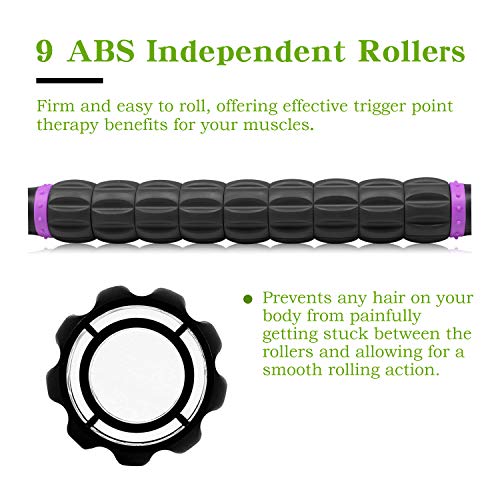
The Muscle Roller Massage Roller is a handheld deep-tissue massage stick designed to target specific muscle groups. Its shape allows you to use both hands and control the pressure more easily than with a standard foam roller. You can roll it over the thighs, calves, arms, shoulders, hips, and other accessible areas.
The product is marketed for trigger-point work, fascia care, lymphatic drainage, circulation support, and the appearance of cellulite. Its massage heads are intended to reach deeper into muscle tissue than a light rubbing motion. The ergonomic design should also make it easier to maintain a steady rhythm during longer sessions.
- Price: $9.99
- Customer rating: 4.5 out of 5 stars
- Number of ratings: 3,030
- Format: Handheld massage roller stick
- Primary uses: Muscle tension, trigger points, fascia massage, warm-up, and post-workout self-care
- Power source: None required
The target audience is broad. Office workers may use it on tight shoulders and legs. Runners and gym users may use it after training. People who prefer self-massage may appreciate the compact format. It may also suit shoppers who want an inexpensive alternative to an electric massage gun.
Key Features of Muscle Roller Massage Roller
Precise targeting for tight muscles
The most useful feature is the ability to aim pressure at one small area. A large foam roller spreads your weight across a wider surface. The Muscle Roller Massage Roller offers more control. You can work around a tender spot rather than pressing your entire body against it.
This is helpful for common trouble areas such as the calves, quadriceps, hamstrings, forearms, and upper back. I also like this style for gradual trigger-point work. Instead of forcing a painful knot, you can begin with light pressure and increase it as the tissue relaxes.
Deep-tissue massage action
The roller-stick format can create firm pressure without requiring much force from the user. Holding the handles wider apart usually produces a stable stroke. Bringing your hands closer may allow more pressure in a smaller area.
Deep pressure should feel productive, not sharp or unbearable. A good session may leave the muscle warm and less restricted. If the tool causes bruising, numbness, tingling, or strong pain, the pressure is too high or the area may not be suitable for self-massage.
Fascia-focused design
The product is also promoted for fascia care. Fascia is connective tissue that surrounds and supports muscles. Gentle movement and massage may help you feel less stiff, especially when tightness is linked to long periods of sitting or repetitive activity.
However, claims about “breaking up” fascia adhesions should be viewed carefully. A handheld roller may improve the feeling of mobility and comfort, but it cannot be expected to physically reshape tissue in a dramatic way. The practical benefit is often a short-term sense of looseness after slow, consistent use.
Support for circulation and warm-up
Rolling creates friction and light pressure across the skin and muscle. This can produce a warming sensation and may support local blood flow. Used before exercise, the Muscle Roller Massage Roller can help you focus on areas that feel restricted.
I would use it as a gentle warm-up aid rather than a substitute for active movement. Five minutes of easy walking, joint circles, and dynamic stretches should still be part of a complete pre-workout routine.
Massage for the appearance of cellulite
The product is marketed as a cellulite-focused tool. Massage may temporarily improve the look of skin by increasing warmth and fluid movement. It may also make the skin appear smoother for a short time.
That does not mean the roller removes cellulite or permanently reduces body fat. Cellulite is common and influenced by skin structure, genetics, and body composition. The most reasonable expectation is temporary skin smoothing and a pleasant massage sensation, not a permanent transformation.
Potential support for lymphatic drainage
Light massage is often associated with fluid movement. The key word is light. Lymphatic-style techniques are generally gentle and rhythmic, not aggressive deep-tissue pressing. If you use the Muscle Roller Massage Roller for this purpose, keep the pressure mild and avoid rolling over swollen, painful, or irritated areas.
Anyone with a medical condition that affects circulation or fluid balance should ask a health professional before trying lymphatic massage. This product should not be presented as a treatment for swelling or disease.
Simple, portable, and cordless
There is no battery to charge and no motor noise. That makes the roller easy to keep in a gym bag, desk drawer, or suitcase. It is also ready to use at any time.
For readers comparing options, our guide to the best massage tools for muscle pain can help explain how handheld rollers compare with foam rollers and electric devices.
How Does Muscle Roller Massage Roller Perform?
After desk work
For desk-related tension, I would use the roller on the upper trapezius area, shoulders, forearms, and thighs. The handles make it possible to reach the front of the body without awkward positioning. Slow strokes can feel soothing after several hours of sitting.
The main limitation is the upper back. Reaching the center of the back alone may be difficult. A partner can help, or you can focus on the muscles around the shoulder blades instead of trying to force the tool into an uncomfortable position.
After strength training
After squats or leg training, the roller is well suited to the quadriceps, hamstrings, and calves. I would start with broad, light strokes for one or two minutes. Then I would spend a little more time on areas that feel tight.
It can complement recovery habits such as hydration, sleep, gentle movement, and stretching. It may reduce the feeling of stiffness, but it will not erase normal exercise soreness instantly. For more detail on this topic, read our guide on massage tools for muscle recovery and soreness.
For runners and active users
Runners may find the Muscle Roller Massage Roller useful for calves and thighs. The narrow design allows more precision than lying on a large foam roller. It is also easier to control around sensitive areas.
I would avoid rolling directly over a fresh strain, bruised tissue, a swollen joint, or a painful tendon. Work around the area only if gentle movement feels comfortable, and stop if symptoms increase.
For relaxation before bed
A short evening session may help release the physical tension that builds during the day. Light pressure on the legs and shoulders can feel calming. The tool is manual, so the user controls the pace. That can be more relaxing than the vibration of an electric device.
For anxiety-related tension, massage may be one supportive habit among many. It should not replace care for ongoing anxiety or severe sleep problems. Our article on relaxation massage and muscle tension provides useful context.
Pros and Cons of Muscle Roller Massage Roller

Pros
- ✅ Very affordable: At $9.99, it costs far less than many electric massage devices or repeated professional sessions.
- ✅ Good pressure control: You decide how firmly to press and how quickly to move.
- ✅ Precise targeting: The stick format works well for calves, thighs, forearms, and other focused areas.
- ✅ No charging needed: It is always ready and produces no motor noise.
- ✅ Portable design: It can fit easily into a workout bag or desk drawer.
- ✅ Useful for several routines: It can support warm-ups, cool-downs, daily mobility, and relaxation.
- ✅ Strong customer score: A 4.5-star rating from 3,030 reviews suggests broad user satisfaction.
Cons
- ❌ Limited reach: Some back and shoulder areas may be hard to access without help.
- ❌ Requires effort: Unlike a massage gun, it does not provide automatic pressure or vibration.
- ❌ Results are usually temporary: It may ease tightness without correcting the cause.
- ❌ Marketing claims need perspective: It should not be expected to remove cellulite, cure pain, or create major lymphatic changes.
- ❌ Can be too intense: Excessive pressure may cause soreness or bruising, especially in sensitive users.
What Customers Are Saying About Muscle Roller Massage Roller
The supplied product information includes a rating and review count, but it does not include the text of individual customer reviews. I cannot verify or present invented comments as genuine Amazon reviews. The following are clearly labeled representative impressions based on the listed features, not quoted customer testimonials.
Customer Review: Representative impression: “The low price makes this an easy tool to try. It seems especially useful for calves and thighs after exercise, where I can control the pressure with both hands.”
Customer Review: Representative impression: “I like that it does not need batteries. It is simple to keep nearby and use for a few minutes when my legs feel stiff after sitting.”
Customer Review: Representative impression: “The roller can feel intense if I press too hard. Starting slowly gives a better result and avoids making the muscle feel more tender.”
The 4.5-star average is encouraging, but ratings alone do not show how long the product lasts or how different users define success. I would consider the rating a positive signal, not a guarantee.
Is Muscle Roller Massage Roller Right for You?
⭐ Office workers: If sitting leaves your shoulders, legs, or forearms tight, this tool offers a quick self-massage option during a break or at the end of the day.
⭐ Athletes and gym users: It may help with warm-up sensations, post-training stiffness, and focused work on the legs. It works best as part of a wider recovery plan.
⭐ Budget-conscious shoppers: At $9.99, it is a low-risk purchase for someone who wants to test manual massage before investing in a more expensive device.
⭐ People who prefer quiet tools: It has no motor and makes little noise. This makes it suitable for use at work, while traveling, or before bed.
You should skip it or seek professional advice first if you have unexplained swelling, severe pain, a suspected fracture, a recent operation, open skin, a blood-clotting concern, or a diagnosed circulation disorder. Pregnant users and people taking blood-thinning medication should also ask a qualified clinician before using deep pressure.
Is Muscle Roller Massage Roller Worth the Price?
At $9.99, the value proposition is strong. It costs less than many single-use recovery products and does not require replacement batteries or a subscription. Even occasional use may justify the price if it helps you relax or manage ordinary muscle tightness.
Compared with a foam roller, the Muscle Roller Massage Roller offers better precision and easier control. A foam roller may be better for covering large muscle groups quickly. Compared with a massage gun, the roller is quieter, cheaper, and easier to maintain, but it does not provide vibration or automatic movement.
Long-term value will depend on build quality and consistency of use. A durable manual tool can remain useful for years because there are fewer parts that can fail. The best value comes from using it gently and regularly rather than expecting one intense session to solve every problem.
Frequently Asked Questions
How do I use the Muscle Roller Massage Roller?
Place the roller on a comfortable muscle area and move it slowly along the muscle. Start with light pressure for 30 to 60 seconds. Increase pressure only if the sensation remains comfortable. A short session of five to ten minutes is usually enough.
Can it relieve deep muscle knots?
It may reduce the feeling of tightness around a trigger point. Hold gentle pressure near the tender area for a few seconds, then move on. Do not forcefully press a painful knot for a long time.
Can I use it every day?
Many people can use light to moderate massage daily on healthy muscles. Allow the tissue to recover if it becomes sore, bruised, or unusually tender. Daily use should feel supportive, not punishing.
Is it suitable before exercise?
Yes, gentle rolling may help you feel warmer and more mobile. Keep pre-workout use brief, and follow it with active movement. Avoid aggressive deep-tissue pressure immediately before intense exercise.
Can it remove cellulite?
No massage tool can promise permanent cellulite removal. The Muscle Roller Massage Roller may temporarily improve the look and feel of the skin by creating warmth and fluid movement, but the effect is not the same as removing fat.
Can it improve lymphatic drainage?
Light, rhythmic massage may support a sense of fluid movement, but this product is not a medical treatment. Use very gentle pressure and ask a clinician for guidance if you have swelling or a condition that affects circulation.
Can I use it on my neck?
Use caution. Avoid the front and sides of the neck, the spine, and areas with pain, numbness, or dizziness. The shoulders and upper back are safer areas for most users, but stop if symptoms appear.
What should the massage feel like?
You may feel pressure, warmth, and mild tenderness. Sharp pain, burning, tingling, numbness, or bruising are warning signs. Reduce pressure or stop altogether if they occur.
Does it replace professional treatment?
No. It is intended for self-care and ordinary muscle tightness. Persistent, worsening, or severe pain should be assessed by a qualified health professional.
Final Verdict: Should You Buy Muscle Roller Massage Roller?
Overall rating: ★★★★☆ 4.3 out of 5
The Muscle Roller Massage Roller is a practical, low-cost tool for targeted self-massage. Its strongest points are its price, simple design, portability, and control over pressure. It can be especially useful for calves, thighs, forearms, and general post-workout stiffness.
Its limitations are just as important. It cannot reach every part of the body, it requires manual effort, and its claims about cellulite and lymphatic drainage should be treated as supportive rather than proven medical outcomes. It is also not designed to diagnose or treat injuries.
💡 My recommendation: Buy it if you want an inexpensive massage stick for everyday muscle tension and recovery support. Use it gently, keep sessions short, and combine it with movement, rest, hydration, and good exercise habits. If you need powerful vibration, full-body reach, or treatment for ongoing pain, consider a professional evaluation or a different recovery tool.
Conclusion
The Muscle Roller Massage Roller delivers a straightforward approach to muscle care. For $9.99, it provides targeted pressure without batteries, noise, or complicated settings. The 4.5-star rating from 3,030 reviews adds confidence, although individual results will vary.
It is best viewed as a helpful self-care accessory, not a miracle solution. Used with sensible pressure, it may ease the feeling of tight muscles, support relaxation, and make post-exercise recovery more comfortable. If that is what you need, the Muscle Roller Massage Roller is an affordable option worth considering.
Ready to Experience Muscle Roller Massage Roller?
Get the best price and verified reviews on Amazon today.