
By Ryan Mitchell
Last updated: October 27, 2026
Quick Answer: Mindfulness techniques for reducing reactivity center on noticing early body signals, creating a short pause, naming the experience, and choosing a response. Daily practice of breath awareness, body scans, and labeling helps many people feel less automatic in stressful moments.
Reactivity often shows up as a quick spike of irritation, defensiveness, or withdrawal before you have time to think. Mindfulness does not erase strong feelings. It builds a small gap between trigger and action so you can respond with more choice.
This guide walks through practical techniques you can use in ordinary moments—at home, at work, or during conversations. The focus stays on simple, repeatable steps rather than long formal sessions.
Key Takeaways
- Early body signals (jaw, shoulders, breath) often appear before a full reaction.
- A brief pause plus naming the feeling creates space to choose.
- Short daily practices build the skill more reliably than occasional long sessions.
- These techniques support calm responses; they do not replace professional care when emotions feel overwhelming.
What Reactivity Looks Like in Daily Life
Reactivity is the tendency to answer a situation with an automatic pattern—snapping, shutting down, over-explaining, or replaying the moment later. It is common when stress is high, sleep is short, or a conversation touches a sensitive topic.
Mindfulness practices train attention so you notice the first signs earlier. That earlier notice is what makes a different response possible.
Common Early Signals
Jaw clench, rising shoulders, heat in the chest or face, faster breath, stomach tightening.
Typical Automatic Moves
Interrupting, defending, withdrawing, replaying, or sending a sharp message.
Core Mindfulness Techniques for Reducing Reactivity
The techniques below work best when practiced first in calmer moments. Once the skill feels familiar, it becomes easier to use under pressure.
1. The Brief Pause
When you notice a spike of irritation or urgency, stop for one full breath cycle. Feel your feet on the floor or your hands on a surface. This is not about suppressing the feeling. It is about buying a few seconds of choice.
Pause Sequence (30–60 seconds)
- Stop speaking or typing for one moment.
- Take one slow inhale and a longer exhale.
- Silently note: “Something is rising.”
- Ask: “What do I need right now?” then continue.
2. Naming and Labeling
Putting a simple word on the experience creates distance. Instead of being swept along by “I am so angry,” try “Anger is here” or “Irritation is present.” The label does not have to be perfect. Brief and neutral works best.
3. Body Scan for Early Detection
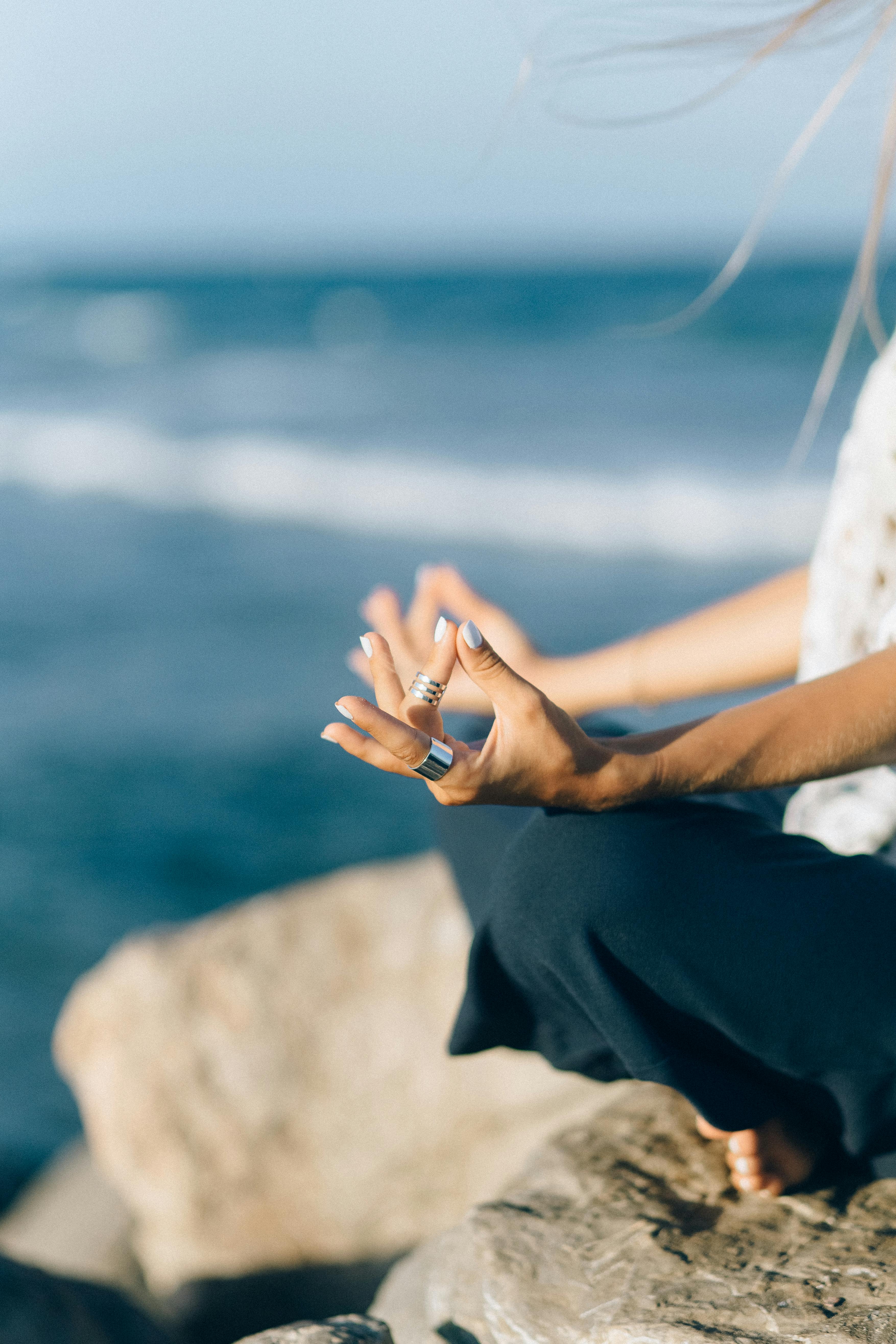
A short body scan builds familiarity with physical cues. Practice for a few minutes when you are relatively calm. Later, those same cues become reliable early warnings.
Mini Body Scan (2–4 minutes)
- Start at the feet: notice pressure or temperature.
- Move to legs, torso, shoulders, jaw, and forehead.
- Note any tightness without trying to fix it.
- End by feeling the whole body at once for two breaths.
4. Longer Exhale Breathing
A slightly longer out-breath can help the body settle. Inhale for a comfortable count of four, then exhale for six. Keep the breath gentle. Stop if you feel lightheaded.
5. RAIN-Style Steps for Stronger Moments
When a reaction feels intense, a structured sequence can help:
- Recognize what is happening.
- Allow the feeling to be present without acting on it.
- Investigate briefly where it shows up in the body.
- Nurture with a kind inner phrase or a grounding sensation.
This approach is widely used in mindfulness-based programs. It is a skill, not a quick fix, and works best with regular practice.
How the Techniques Fit Different Situations
Different moments call for different tools. The table below offers a practical starting map.
| Situation | Helpful First Step | Follow-Up Option |
|---|---|---|
| Sudden irritation in conversation | Brief pause + one longer exhale | Label the feeling silently |
| Rising tension at work | Feet on floor + name “pressure” | Short body scan of shoulders and jaw |
| Replaying an argument later | Notice the mental loop | Return attention to breath or sounds |
| Feeling flooded or overwhelmed | Stop and ground with senses | Seek support if intensity stays high |
These pairings are starting points, not fixed rules. Adjust based on what feels workable for you.
Building a Simple Daily Routine
Consistency matters more than length. Five to ten minutes most days is enough to strengthen the pause skill.
| Time of Day | Suggested Practice | Duration |
|---|---|---|
| Morning | Breath awareness or mini body scan | 3–5 minutes |
| Midday | One deliberate pause before a meeting or meal | 30–60 seconds |
| Evening | Label any lingering reactions from the day | 2–4 minutes |
Keep the routine light. If a day is too full, one intentional pause still counts.
Step 1
Notice the first signal
Step 2
Pause and breathe
Step 3
Name the experience
Step 4
Choose the next action
Common Mistakes and What to Try Instead
Even useful techniques can feel frustrating when expectations are high. The comparison below highlights frequent pitfalls.
| Common Mistake | Why It Backfires | More Helpful Approach |
|---|---|---|
| Expecting feelings to disappear | Creates pressure and self-criticism | Aim for a short gap, not absence of emotion |
| Only practicing during crises | Skill is harder to access under load | Practice briefly on ordinary days |
| Judging every reaction harshly | Adds a second layer of reactivity | Note the reaction with neutral language |
| Forcing long sessions when tired | Leads to avoidance | Use 1–2 minute practices instead |
Progress is measured by slightly more choice over time, not by perfect calm.
Who May Need Extra Care
Mindfulness techniques are generally low-intensity. Still, some situations call for professional guidance first.
| Situation | Suggestion |
|---|---|
| History of trauma or intense flashbacks | Work with a qualified clinician familiar with trauma-sensitive approaches |
| Current mental health treatment | Discuss new practices with your care provider |
| Pregnancy or postpartum period | Gentle practices are often suitable; confirm any concerns with your clinician |
| Persistent high distress or unsafe thoughts | Seek professional support promptly |
For related calm routines that stay gentle, you may also find useful ideas in our guide on stress relief during pregnancy and the wellness massage at home routine.
Safety Note
These techniques support everyday emotional awareness. They are not a treatment for mental health conditions. If distress is intense, frequent, or interfering with daily life, talk with a qualified healthcare professional.
Tracking Progress Without Pressure
A simple weekly check helps you notice shifts without turning the practice into another source of stress.
| Question | What to Notice |
|---|---|
| Did I catch any early body signals this week? | Even one or two counts as useful data |
| Was there a moment I paused before responding? | Note the situation, not the outcome |
| Did any practice feel too effortful? | Shorten or switch techniques |
Small, repeated successes build the habit more reliably than rare perfect sessions.
Illustrative Complexity Meter (for orientation only)
Low
Brief pause
Medium
Label + breath
Higher
Full RAIN sequence
Start with the simplest tool that fits the moment. Complexity is illustrative, not ranked by research strength.
FAQ
How long does it take to notice less reactivity?
Can I practice these techniques while driving or working?
What if labeling makes me more self-critical?
Are these techniques the same as formal meditation?
Should I stop if I feel more unsettled?
Can children or older adults use similar steps?
Final Thoughts
Mindfulness techniques for reducing reactivity work by training earlier awareness and a usable pause. The goal is not to never feel intense emotion. It is to meet those moments with a bit more space and choice.
Start with the simplest tool that fits your day—one longer exhale, a neutral label, or a 30-second pause. Practice when things are relatively calm so the skill is available when they are not.
These practices support everyday steadiness. They do not replace professional care. If reactions feel overwhelming or interfere with daily life, reach out to a qualified healthcare professional for personalized guidance.