
By Ryan Mitchell
Last updated: October 27, 2026
As an Amazon Associate, we earn from qualifying purchases.
Quick Answer
Short, regular mindfulness practices—especially focused breathing and noticing when attention drifts—can help many students train concentration. Start with 2–5 minutes before study sessions. Consistency matters more than long sessions. Results vary; these are supportive habits, not medical treatment.
Concentration is a skill that can be practiced. Many students find their attention pulled by phones, noise, fatigue, or racing thoughts. Mindfulness offers simple ways to notice those pulls and gently return focus to the present task. This guide covers practical techniques, realistic routines, common pitfalls, and when extra support may help.
Key Takeaways
- Mindfulness trains the ability to notice distraction and return attention without harsh judgment.
- Brief daily practice (even 3–5 minutes) is more useful than occasional long sessions.
- Pair mindfulness with sleep, movement, and realistic study blocks for better results.
- It is a helpful skill, not a cure for attention difficulties or academic struggles.
What Mindfulness Means for Student Concentration
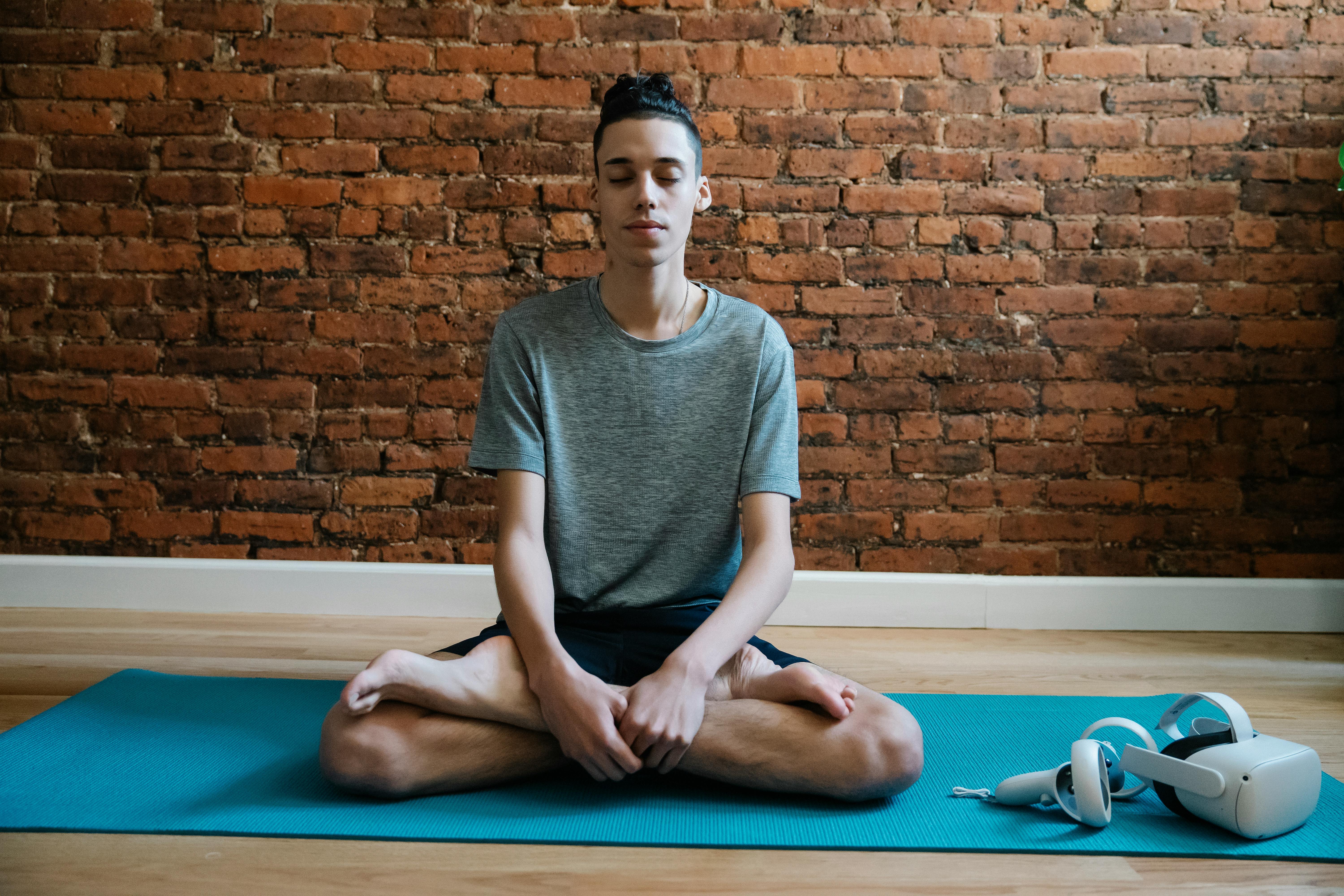
Mindfulness is the practice of paying attention on purpose to the present moment, with curiosity rather than criticism. For students, that often looks like noticing the breath, body sensations, or the task at hand, then gently guiding attention back when it wanders.
Concentration benefits come mainly from training two related skills: sustained attention (staying with one thing) and attentional control (catching distraction and returning). Research on school and university programs has linked regular mindfulness practice with modest improvements in attention, working memory, and reduced mind-wandering for many participants. Effects are usually small to moderate and depend on consistency.
Mindfulness is not the same as emptying the mind or forcing perfect focus. Thoughts will still appear. The practice is noticing them and choosing where to place attention next.
Attention Training Loop (Illustrative)
1
Choose a focus (breath or task)
2
Notice when attention drifts
3
Gently return without judgment
4
Repeat — this is the training
Why Concentration Feels Hard for Many Students
Modern study environments are full of interruptions. Notifications, open tabs, shared living spaces, and academic pressure all compete for limited attention. Fatigue and stress further shrink the window of usable focus.
Mindfulness does not remove these external factors, but it can help students become aware of internal patterns—such as checking the phone on autopilot—and create small pauses before reacting.
Common Concentration Challenges vs Practical First Steps
Use this table as a quick orientation, not a diagnosis.
| Challenge | What often happens | Mindful first step |
|---|---|---|
| Phone checking | Automatic reach during study | Pause, notice urge, decide once |
| Mind wandering | Thoughts about past or future | Label “thinking,” return to breath or text |
| Test anxiety | Racing thoughts, tight body | Three slow breaths before starting |
| Fatigue | Focus collapses after short time | Shorter blocks + sleep priority |
| Multitasking | Many open tasks, shallow work | One task, one timer, one focus |
Practical Mindfulness Techniques for Students
These practices require no special equipment and can be done at a desk, in a library, or before class. Start small. Two minutes done regularly builds the skill more reliably than twenty minutes done rarely.
1. Mindful Breathing (Core Practice)
Sit comfortably with a straight but relaxed spine. Soften or close the eyes. Feel the natural breath at the nostrils or the rise and fall of the chest or belly. When the mind wanders (it will), notice it and return to the breath without self-criticism. Begin with 2–5 minutes.
Breathing Steps at a Glance
- Settle posture and soften gaze
- Notice the breath without forcing it
- When distracted, note “thinking” or “planning”
- Gently return attention to the breath
- End after a set time or a few calm cycles
2. Five-Finger Breathing
Useful in class or before a test. Hold one hand up. With the index finger of the other hand, trace up and down each finger while breathing in on the upward stroke and out on the downward stroke. One full hand equals five slow breaths. It gives both a physical anchor and a visual cue.
3. Body Scan for Settling
Bring attention sequentially from the feet upward—or from the head downward—noticing sensations without trying to change them. This can release physical tension that competes with mental focus. Keep it short (3–7 minutes) for study days.
4. Single-Task Intention
Before opening a book or laptop, pause and name the single task for the next block (“I am reading this section only”). When the urge to switch arises, notice it, then return. This builds the habit of deliberate attention.

Building a Realistic Daily Routine
The goal is a sustainable habit, not perfection. Attach mindfulness to existing anchors such as starting a study session, arriving at class, or finishing lunch.
Sample Weekly Practice Schedule
Adjust times to fit individual schedules. Consistency over intensity.
| Time of day | Practice | Duration | Purpose |
|---|---|---|---|
| Before first study block | Mindful breathing | 3–5 min | Settle attention |
| Mid-study break | Five-finger breathing | 1–2 min | Reset focus |
| Before a test or presentation | Three slow breaths | 30–60 sec | Calm body |
| Evening wind-down | Short body scan | 5–7 min | Release tension |
| Any free moment | Single-task intention | 15 sec | Prevent autopilot |
Study-Block Decision Path
Feeling scattered?
Do 3 minutes of mindful breathing, then set a 25-minute timer for one task only.
Feeling tense or anxious?
Try five-finger breathing or a brief body scan before opening notes.
Feeling tired?
Shorten the block, prioritize sleep, and use mindfulness later when rested.
Combining Mindfulness with Other Focus Supports
Mindfulness works best alongside basic supports for attention. Sleep quality strongly influences concentration and memory consolidation. Movement breaks and realistic study lengths also matter. For related guidance on rest and recovery, see wellness routines that support calm and general stress-relief approaches.
Focus Supports Side-by-Side
| Support | How it helps concentration | Practical note |
|---|---|---|
| Mindfulness practice | Trains noticing and returning attention | Short daily sessions |
| Adequate sleep | Supports attention and memory | Prioritize consistent nights |
| Timed study blocks | Limits overload and fatigue | 25–45 min then break |
| Phone out of reach | Reduces automatic distraction | Use Do Not Disturb |
| Light movement | Can refresh alertness | Short walk or stretch |
Preparation Checklist Before a Focused Study Session
- Choose one clear task
- Silence or remove the phone
- Do 2–3 minutes of mindful breathing
- Set a realistic timer
- Plan a short break afterward
Common Mistakes and How to Adjust
Many students abandon mindfulness after a few attempts because expectations are unrealistic. The following comparison helps set a workable approach.
Helpful Habits vs Common Pitfalls
| Approach | Helpful version | Pitfall to avoid |
|---|---|---|
| Session length | Start with 2–5 minutes | Expecting 20-minute sits immediately |
| Attitude to distraction | Notice and return kindly | Self-criticism for every wander |
| Timing | Link to existing daily anchors | Waiting for “perfect free time” |
| Goals | Build the noticing skill | Expecting instant perfect focus |
| Environment | Quiet enough to practice | Forcing practice amid constant chaos |
Suitable Use vs Caution
Generally suitable
- Everyday study focus support
- Mild stress or racing thoughts
- Building a daily attention habit
Extra care or professional input
- Significant anxiety or low mood
- Suspected attention disorders
- Trauma-related difficulty sitting still
Safety Note and Realistic Expectations
Mindfulness practices described here are educational and supportive. They are not a substitute for professional evaluation or treatment of attention difficulties, anxiety, depression, or learning differences. Students who experience intense distress, persistent concentration problems that interfere with daily life, or symptoms of a mental health condition should speak with a school counselor, primary care clinician, or qualified mental health professional.
Some people find that focusing on internal sensations increases anxiety at first. If that happens, switch to external anchors (sounds in the room, the feeling of feet on the floor) or pause the practice and try again later. There is no requirement to close the eyes or sit in any special posture.
For broader stress-management context, including gentle options during higher-stress life stages, see calm stress-relief approaches.
Who May Benefit and Who Should Seek Guidance
| Situation | Suggestion |
|---|---|
| Typical study distraction | Try short daily practices |
| Occasional test nerves | Use pre-test breathing |
| Ongoing focus problems affecting grades | Consult school support or clinician |
| History of trauma or intense anxiety | Work with a trained professional |
| Possible ADHD or learning difference | Professional assessment is appropriate |
Heads-Up
If mindfulness practice increases distress rather than settles it, stop and seek guidance from a trusted adult or professional. Practices should feel optional and adjustable.
Frequently Asked Questions
How long before mindfulness improves concentration?
Is mindfulness the same as meditation?
Can I practice mindfulness while studying?
What if my mind never stops wandering?
Should younger students try these techniques?
Does mindfulness replace good study skills?
Are there apps or tools needed?
Final Thoughts
Mindfulness for improving concentration in students works best as a small, repeatable skill rather than a dramatic overhaul. A few minutes of noticing the breath or the present task, done most days, can gradually strengthen the habit of returning attention when it drifts. Pair it with sleep, realistic study blocks, and self-kindness. If concentration problems are severe or persistent, professional support is the more appropriate next step. Start today with one slow breath and one intentional return of focus.

